Deciding the best time to visit Bern depends on whether you prioritize mild weather, lower costs, or lively cultural events. This compact guide helps you match the season to your travel goals so you can plan a trip that suits your interests, budget, and tolerance for crowds.
Below you’ll find month-by-month suggestions, an overview of Bern weather, tips to avoid peak tourist season, realistic travel cost guidance, and practical advice for packing and getting around. Use these insights to choose the ideal window for your Bern itinerary.
Why Bern is worth visiting any time of year
Bern’s UNESCO-listed Old Town, the Aare River, and views from the Rose Garden offer distinct charms through all seasons. Spring brings blossoming trees and quieter streets; summer offers river swimming and long daylight; autumn delivers crisp walks and harvest markets; winter presents festive markets and snowy panoramas. The city’s compact size means you can experience museums, cafés, and historic arcades without long transfers, making Bern a convenient base year-round.
Seasonal events — from the Zibelemärit (Onion Market) in November to summer festivals — give each month a different atmosphere. If you prefer museums and cozy cafés to outdoor activities, winter and shoulder months are particularly appealing.
When to visit: month-by-month guide
January–February: Winter is cold and often snowy. Ski resorts in the nearby Bernese Oberland are accessible for day trips. City life is quieter, and heaters and wooden interiors add to a cozy ambience. Expect shorter daylight and the possibility of winter closures for some alpine attractions.
March–April: Early spring brings thawing rivers and budding trees. Temperatures start to rise, but rain is more frequent. This is a good window for lower accommodation prices and fewer crowds at the main sights.
May–June: Late spring to early summer is one of the best times for pleasant Bern weather. Gardens bloom, outdoor cafés reopen, and river activities begin. Daytime temperatures are comfortable for walking the Old Town and exploring nearby lakes.
July–August: High season brings warm, sometimes hot weather and the most tourists. This is ideal for swimming in the Aare, enjoying festivals, and taking day trips to the Alps. Book accommodation well in advance to secure preferred dates and locations.
September–October: Early autumn delivers mild, often sunny days and beautiful foliage. Crowds thin after August, making September a popular shoulder month for those seeking a balance between good weather and fewer visitors.
November–December: Late autumn and early winter cool further; November hosts the traditional Zibelemärit, a lively onion market. December fills with Christmas markets and festive lights, making the city particularly atmospheric though colder.
Understanding Bern weather: what to expect
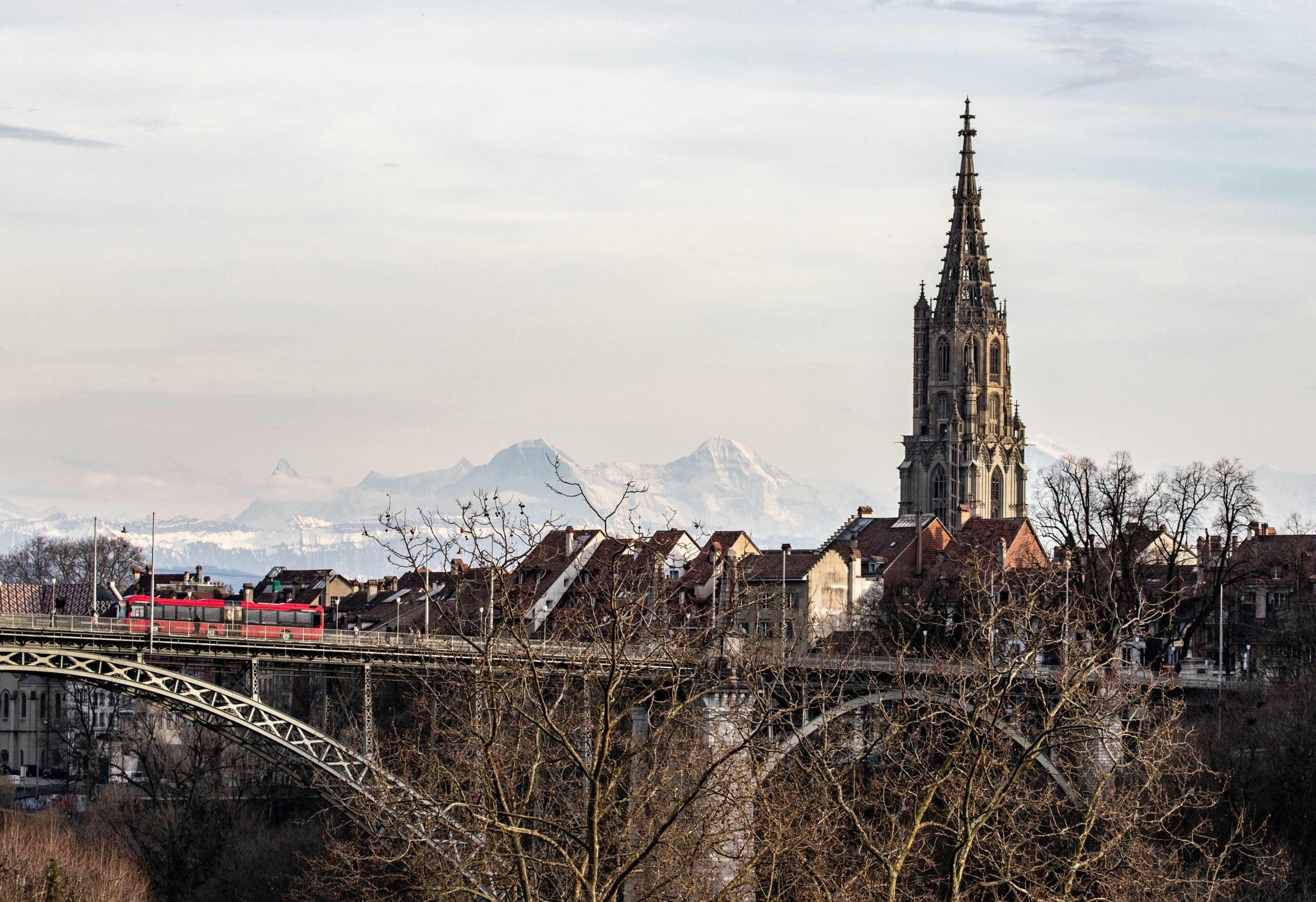
Bern sits at around 540 meters (1,770 ft) elevation, which gives it a temperate climate with four distinct seasons. Summers (June–August) average 20–25°C (68–77°F) by day, while winters (December–February) commonly drop to around 0°C (32°F) or below at night. Rainfall is fairly evenly distributed across the year, though thunderstorms can occur in summer.
For outdoor-focused travelers, late spring and early autumn are the safest bets for consistent, comfortable temperatures and fewer sudden weather shifts. If visiting for winter sports, plan travel in January or February for reliable snow in the nearby mountains.
Avoiding the crowds: Bern tourist season explained
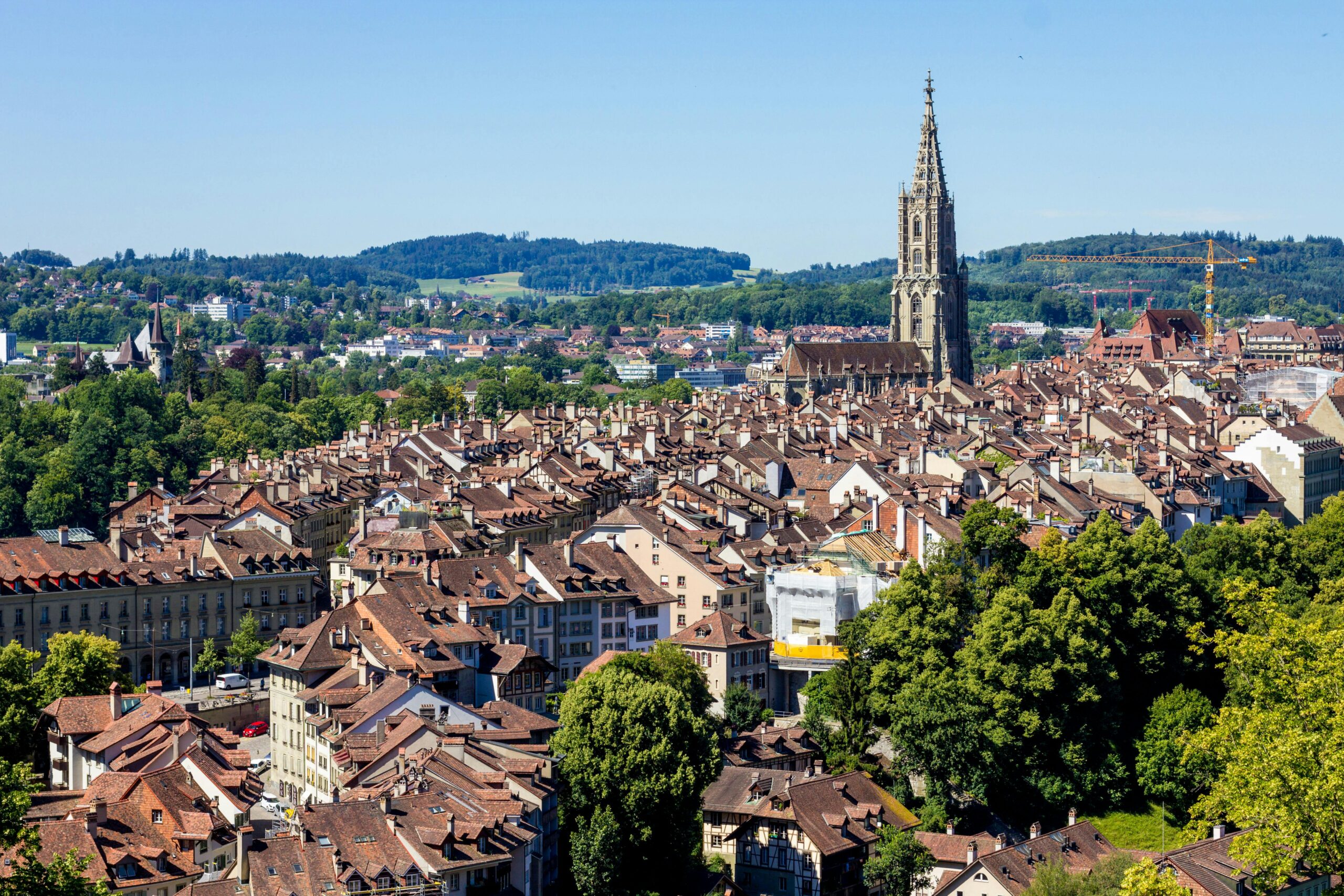
Bern’s busiest months coincide with European summer holidays: late June through August. Tourist flows concentrate around the Old Town, the Zytglogge, and popular viewpoints during these months. If you prefer quieter streets and easier museum access, aim for shoulder seasons in May, early June, or September.
Major local events and festival weekends can create short-term spikes in visitors. If your dates are flexible, check city event calendars and avoid major festival weekends if you want to dodge crowds and higher prices.
Budgeting for Bern: realistic travel cost estimates
Switzerland is known for higher travel costs, and Bern is no exception, though it can be more affordable than Zurich or Geneva in some categories. Typical daily budget ranges (mid-2020s) are:
- Budget traveler: CHF 80–140 per day (hostel or budget hotel dorms, groceries, public transport passes, modest attractions)
- Mid-range traveler: CHF 150–300 per day (3-star hotels, restaurants, paid entries, local trains)
- Comfort traveler: CHF 300+ per day (higher-end hotels, guided tours, fine dining, day trips)
Booking accommodation early can shave costs. Compare options and availability on reliable booking platforms to find competitive rates for your dates; for a comprehensive list of hotels and apartments in Bern, check places to stay in Bern on trusted booking sites.
Transport: Bern’s public transport is efficient but not cheap. A local day pass or Swiss Travel Pass will affect your total budget and may be cost-effective if you plan regional train day trips.
Where to stay and when to book
Accommodation choices range from boutique hotels in the Old Town to budget options near the train station. Staying within walking distance of the city center lets you experience Bern’s arcades, cafes, and riverside walks without daily transit costs. For peak summer and festival periods, book at least 2–3 months ahead; winter holiday dates also require early reservations.
If you prefer convenience and a variety of options, browse Bern hotels and apartments to compare neighborhoods and amenities before committing to dates.
What to pack and practical travel tips
Packing depends on season, but some essentials are universal:
- Comfortable walking shoes for cobbled streets
- Layered clothing for variable temperatures
- Rain jacket or compact umbrella
- Reusable water bottle and a small daypack
- Power adapter compatible with Swiss outlets (Type C/E/J)
Practical tips:
- Public transport is punctual; validate tickets and check schedules ahead of time.
- Many museums offer reduced fares with the BernCARD or regional passes — evaluate whether a pass suits your itinerary.
- Tap water is safe and high quality, so refill a bottle rather than buying single-use plastic.
- Learn a few German phrases or use translation apps — locals appreciate basic polite phrases even though many speak English.
Day trips and experiences by season
Spring and autumn: Take a scenic train ride to the Emmental valley for cheese dairies and rolling landscapes, or visit the quiet lakes and vineyards around Murten and Thun. These months are ideal for leisurely day trips with fewer crowds.
Summer: Swim in the Aare if you’re comfortable with currents — floating downstream from Marzili is a popular local pastime. Day trips to Lauterbrunnen, Interlaken, and the Jungfrau region offer alpine hikes and majestic views.
Winter: Head to nearby ski resorts or winter-wonderland villages. City-based winter activities include Christmas markets, cozy restaurants, and museums that offer warm, cultural alternatives to outdoor cold.
FAQs
When is Bern warmest?
Bern is warmest in July and August, with daytime temperatures often between 20–25°C (68–77°F). These months bring the most reliable sunshine but also the highest number of visitors.
Is Bern expensive to visit compared with other Swiss cities?
Bern can be less expensive than Zurich or Geneva in certain categories, but Switzerland’s overall cost level is high. Budget by choosing mid-range or budget lodging, eating at casual cafés, and making use of public transport passes.
What are the best months for fewer crowds?
May, early June, and September are the best shoulder months for pleasant weather with fewer tourists. Late autumn and winter also have fewer crowds, though the weather will be colder.
Can I swim in the Aare River, and when is it safe?
Swimming in the Aare is a popular summer activity when water temperatures are warmer, typically from June through August. Be aware of strong currents; use designated entry and exit points and follow local safety advice.
How far in advance should I book accommodation during peak season?
For July–August and major festival weekends, book at least 2–3 months in advance to secure the best options. For Christmas and New Year, allow similar lead time as demand increases for holiday periods.
Conclusion
Choosing the best time to visit Bern depends on what you want from the trip: warm weather and river activities in July–August, quiet streets and lower prices in May or September, or festive markets in December. Consider Bern weather, local events, and your budget when planning, and book accommodations early if traveling during peak months. With a little planning, Bern rewards visitors year-round with rich culture, scenic views, and easy access to both urban and alpine highlights.
Whether you prioritize sunshine for outdoor adventures, cozy winter charm, or an economical shoulder-season escape, Bern offers options that fit a range of travel styles. Use the month-by-month insights above to pick the right window and enjoy your time exploring Switzerland’s historic capital.