Deciding the best time to visit Boracay depends on what you want from the trip: calm sea and perfect sun for beach days, lively nightlife and festivals, or lower prices and fewer crowds. This guide uses official climate data and tourism-board insights to explain seasonal patterns, monthly weather trends, activity suitability, and travel planning tips so you can choose the ideal window for your stay on this iconic Philippine island.
Below you’ll find a clear, month-by-month breakdown of Boracay weather, a travel season guide comparing crowds, costs and activities, packing and planning recommendations, and a comparison table to help you quickly weigh choices. Wherever possible recommendations reflect long-term climate records and typical tourism cycles to set realistic expectations for any traveler.
Overview: Boracay’s climate and travel seasons
Boracay has a tropical maritime climate characterized by warm temperatures year-round, with distinct wet and dry seasons influenced by monsoon patterns. Average daytime temperatures typically range between 26°C and 32°C (79°F–90°F). Humidity stays relatively high, but trade winds and sea breezes make conditions comfortable for beach activities during much of the year.
Understanding the two principal travel seasons is essential: the dry season (generally November to April) and the wet or monsoon-influenced season (roughly May to October). The dry months bring the most reliable sunshine and calmer seas, while the wet season sees more frequent rainfall and occasional storm systems. Each period offers different advantages—peak beach weather and events versus quieter beaches and lower prices—so your priorities determine the best window for you.
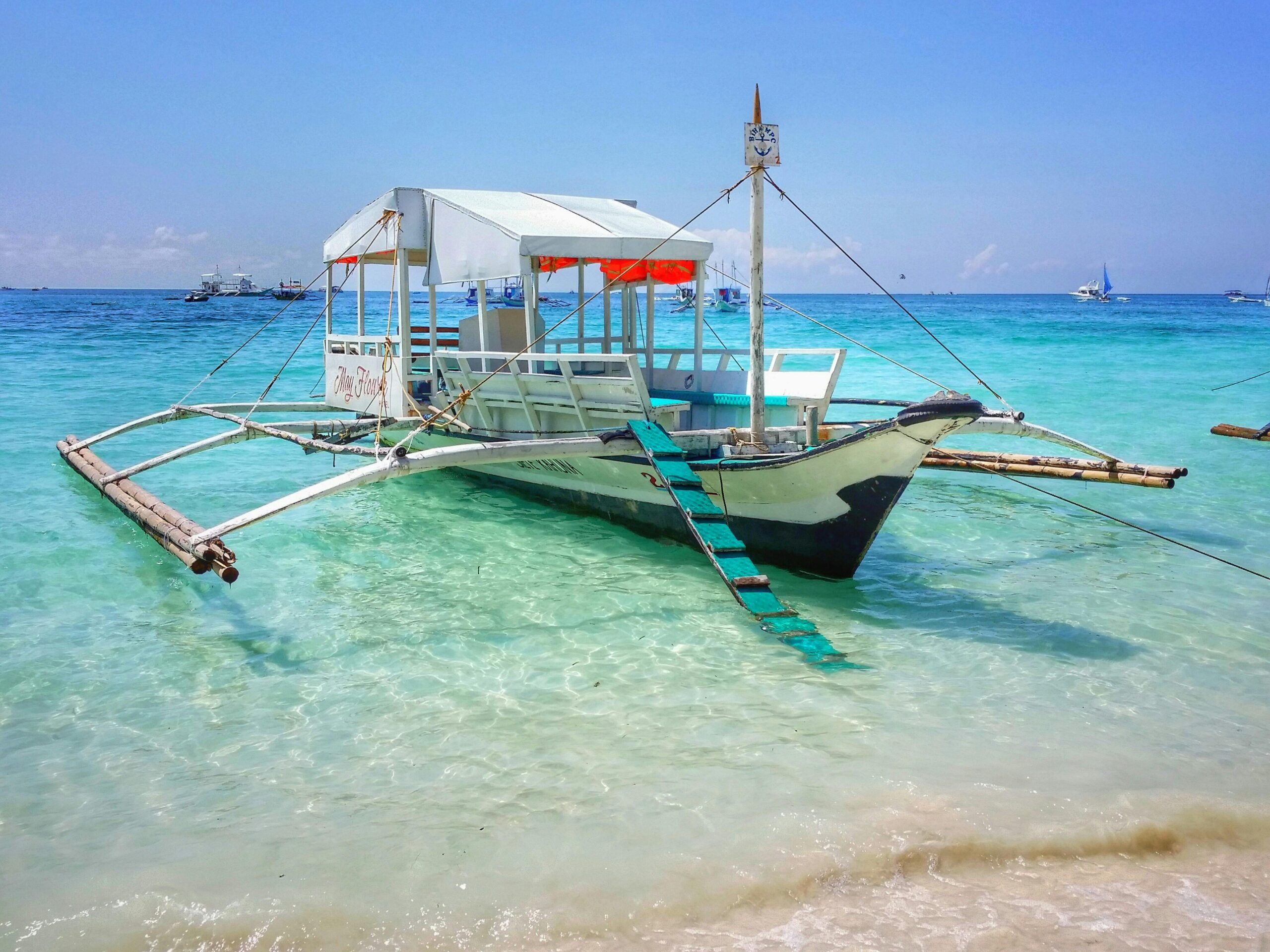
Monthly breakdown: What to expect from Boracay weather each month
Breaking the year down by month helps match specific activities to the most suitable conditions. This month-by-month approach uses long-term climate averages to show temperature ranges, rainfall likelihood, sea conditions and crowd tendencies so you can plan precisely.
January–February: These are among the coolest and sunniest months, with low rainfall and pleasant evenings. Sea conditions are usually calm, making it an excellent time for snorkeling, diving and long boat trips.
March–April: Transition into the hottest part of the year. Temperatures peak, trade winds can drop, and the island gets very busy with holidaymakers. Expect bright, sunny days ideal for sunbathing and water sports, but book accommodation early for Good availability and higher rates.
May–June: The start of the wetter season brings increasing humidity and sporadic downpours. May can still have long sunny stretches, but by June showers become more frequent. Ocean swell may increase as monsoon influences strengthen.
July–September: These are the wettest months, with the highest probability of heavy rain and rough seas. Many travelers avoid this period for beach-centered trips, but it can be attractive if you prefer lower prices and less crowded resorts—just be prepared for occasional travel disruptions during storms.
October–November: Rainfall tapers off and the island begins moving back toward its dry season character. October can still have late-season showers, while November often marks the return of steadier sunny weather and reduced sea swells.
December: A popular travel month that combines pleasant weather, festive events and busy visitor numbers. Expect warm days and mild nights; holidays push accommodation rates up, and early booking is recommended.
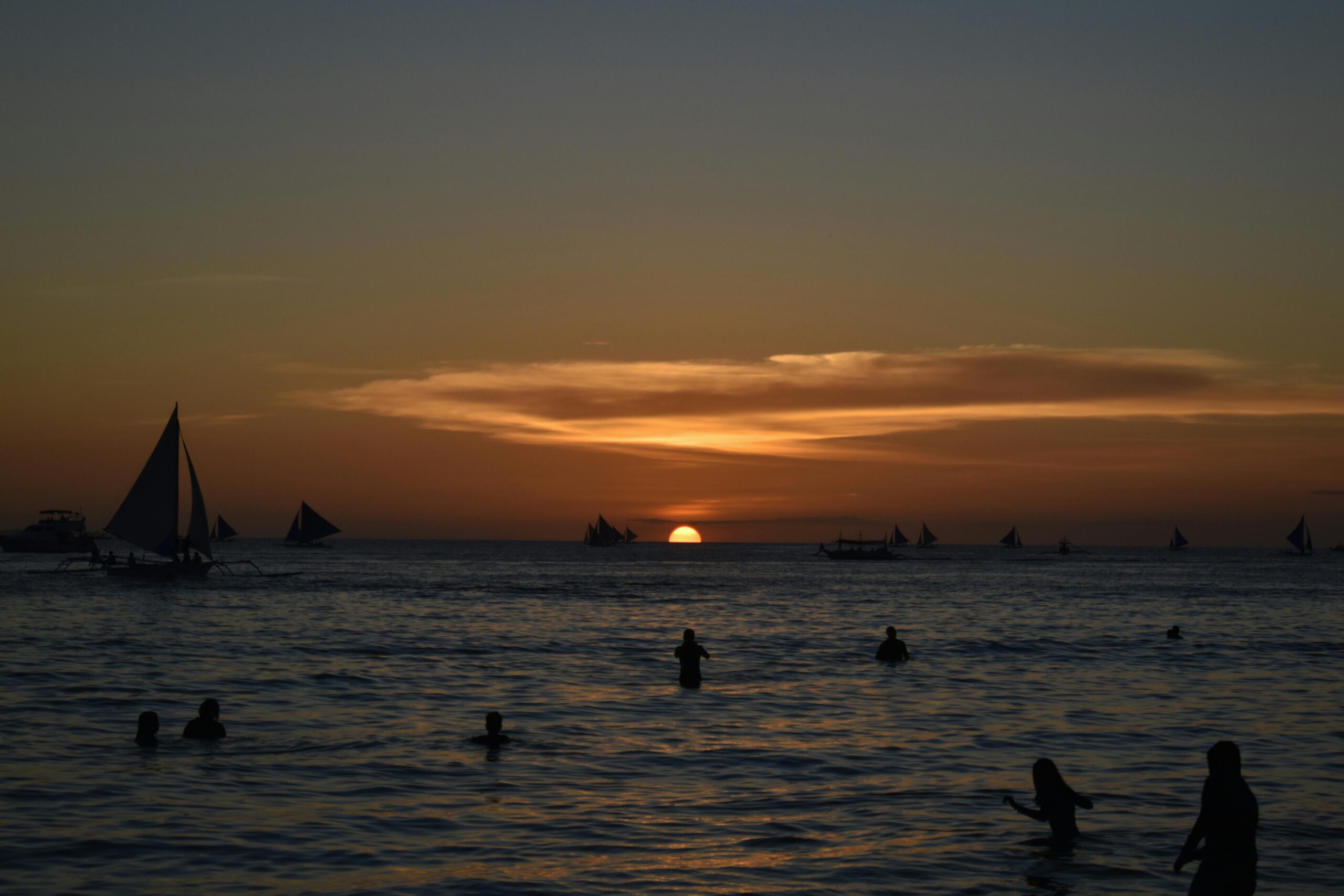
Best time by activity: matching weather to what you want to do
Choosing the best time to visit Boracay is easier when you match months to your planned activities. Below are typical activity recommendations based on weather patterns and sea conditions.
- Beach lounging and sunbathing: November to April—dry months with consistently sunny days and low rainfall.
- Snorkeling and scuba diving: December to May offer the best underwater visibility and calmer seas for safety and enjoyment.
- Windsurfing, kitesurfing, and sailing: March to May and November are favorable for wind-based sports owing to more consistent trade winds and manageable swell.
- Festivals and nightlife: Major events and a livelier party scene cluster around December holidays, Holy Week and summer months when peak visitor numbers increase entertainment offerings.
- Budget travel and solitude: June to September (wet season) sees the lowest rates and smallest crowds for visitors willing to accept intermittent rain.
If your travel priorities include both water clarity and minimal crowds, the shoulder months—late November, early December and May—are attractive compromises.
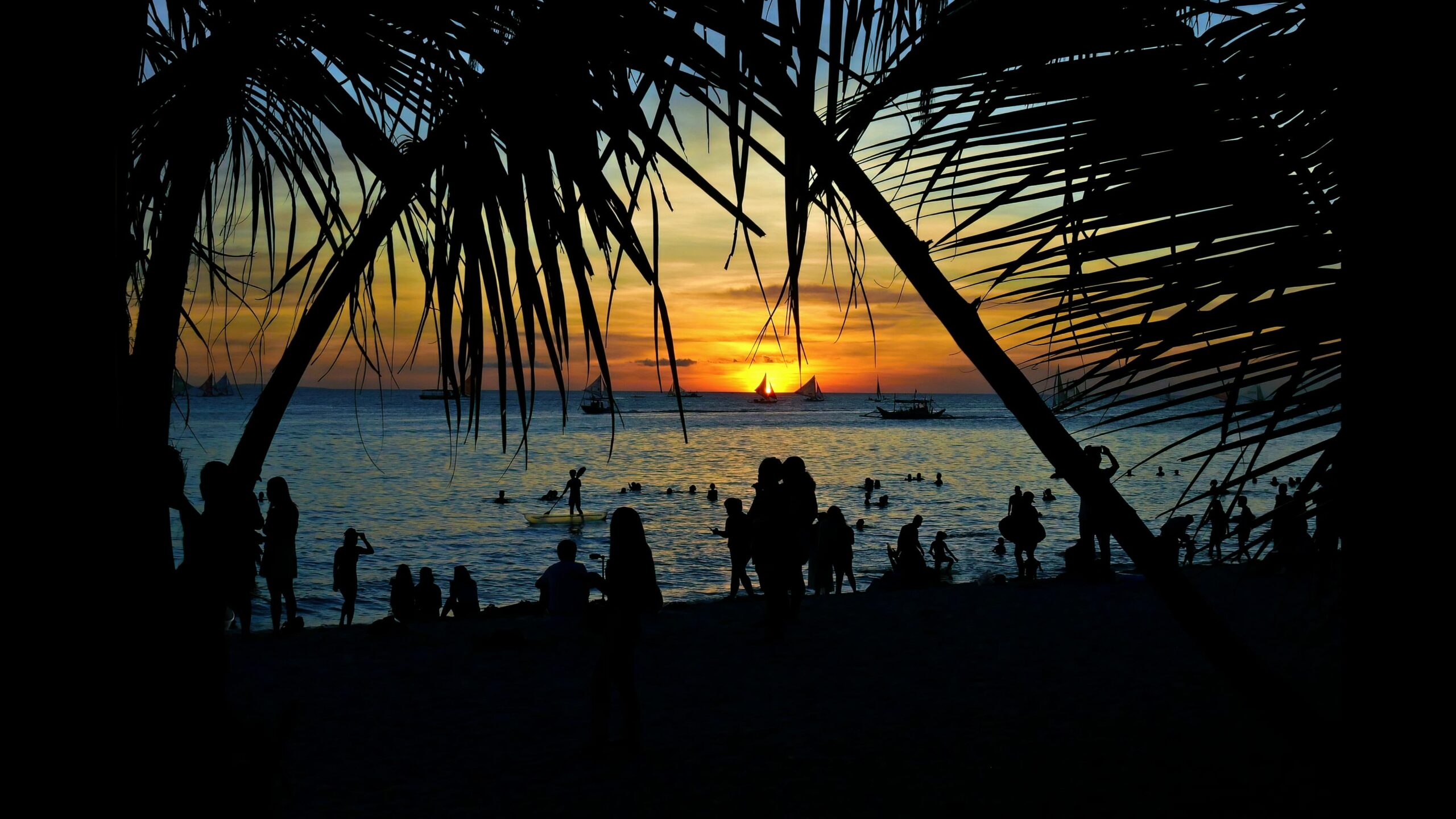
Crowds, events and island atmosphere through the year
Crowd levels in Boracay closely follow holiday calendars and the dry season. Peak visitor numbers arrive in December (holiday season), Holy Week (March–April, depending on the year), and the core of summer. This brings a bustling atmosphere, full-service operations, and vibrant nightlife, but also longer waits at popular restaurants and higher accommodation prices.
Conversely, the low season (June–September) offers a more laid-back island atmosphere. Many small operators scale down hours; some beach establishments operate seasonally. If you want to experience local life with fewer tourists and better bargaining power on tours and lodging, this can be appealing—just plan for occasional service limitations and check weather forecasts closely.
Events to watch for can include local festivals, cultural performances and occasional sports competitions. If a particular event matters to you, confirm dates in advance as they may change year to year.
Budget and accommodation: how season affects cost and availability
Seasonality has a major impact on travel costs in Boracay. Room rates for the best beachfront hotels and private villas can double during peak months, while hostels and guesthouses often raise prices moderately. Booking early for peak times—especially December through April—reduces the risk of limited availability and price surges.
During the wet season, discounts become common and package deals can be significant. Keep in mind the trade-offs: lower prices but potentially reduced operating hours for tours, restaurants and water-sport providers. Travel insurance and flexible reservation policies help manage uncertainties related to weather disruptions.
To compare typical costs and trade-offs quickly, consult the table below which summarizes crowd levels, weather reliability, typical rates and recommended traveler types for each season.
| Season | Months | Weather Reliability | Crowds & Rates | Best For |
|---|---|---|---|---|
| Dry / High | November–April | High sunshine, calm seas | High crowds, peak rates | Beach days, diving, events |
| Shoulder | May & Late November | Moderate sunshine, lower crowds | Moderate rates | Value + good weather balance |
| Wet / Low | June–October | Frequent rain, rougher seas | Low crowds, discounted rates | Budget travel, quiet stays |
When searching for accommodation, look for flexible cancellation terms and user reviews that mention how property operations changed during off-peak months. For live availability and the widest selection of hotels, you can browse listings and filters on platforms like Boracay hotels on Booking.com to compare real-time rates and guest ratings.
Practical tips: planning, packing and getting around
Logistics and preparation change slightly with the season. Here are practical considerations to make your trip smoother regardless of when you travel.
- Transport connections: Boracay is accessed via Caticlan or Kalibo airports followed by a short boat transfer. During the wet season, allow extra time for potential flight delays and ferry schedule adjustments.
- Packing: Bring sun protection year-round: reef-safe sunscreen, a wide-brim hat and UV-protective clothing. For the wet season pack a lightweight waterproof jacket, quick-dry clothing and waterproof bags for electronics.
- Health and safety: Drink bottled or filtered water, use reef-safe sun protection for marine conservation, and heed local advisories about sea conditions or safety closures.
- Reservations: Book restaurants, tours and specialized activities (dive trips, private island hops) ahead of time in peak months to secure spots and confirm gear availability.
- Local rules: Be aware of environmental regulations and local ordinances that protect coral reefs and marine habitats; respecting these helps preserve Boracay for future visitors.
For curated accommodation packages and a wide range of properties covering all seasons, many travelers compare options and user reviews on travel booking platforms. If you want a quick overview of rooms and pricing across dates, consider viewing aggregated availability at find accommodation options on Booking.com.
How to handle extreme weather and travel disruptions
While Boracay rarely experiences extreme conditions year-round, the wet season increases the likelihood of heavy rains, occasional tropical storms and rough seas that can impact boat transfers and outdoor plans. Many recommendations below are based on official advisories and long-term climate observations:
- Monitor local weather updates and heed travel advisories—authorities will announce closures or safety measures when needed.
- Choose refundable or flexible flight and ferry options where possible; check provider terms for weather-related changes.
- Purchase travel insurance that covers trip interruption and medical evacuation if you have connecting travel that could be affected by storm systems.
- Keep alternative indoor activities in mind (spa, cooking classes, shopping, local museums or cultural shows) in case sea conditions limit water-based excursions.
If uncertain about conditions on arrival, contact your hotel or booked tour operator; local providers often provide the most current, practical advice on sea travel and safe alternatives during rainy spells.
FAQs
When is the absolute best time to visit Boracay for clear skies and calm water?
The months from December through April are generally the most reliable for clear skies and calm seas. Within that window, January to March often combine slightly cooler evenings with excellent water visibility, making them ideal for snorkeling and diving. Keep in mind that these months also attract the most visitors.
Is it worth visiting Boracay during the wet season?
Yes—if you prioritize lower prices, quieter beaches and don’t mind occasional rain. June through September sees the fewest tourists and the best deals, though some water activities may be limited and services reduced. If you pack for wet conditions and choose flexible bookings, a wet-season visit can be a relaxed and economical option.
How far in advance should I book accommodation for peak season?
For travel between December and April, especially around holidays and Holy Week, book as early as 2–4 months in advance for popular beachfront hotels and villas. For major holidays, earlier bookings (4–6 months) secure the best options and rates.
Which months have the best conditions for diving and snorkeling?
Visibility tends to be highest from December through May when seas are calmer and clearer. If underwater photography or encounters with reef life are priorities, aim for this period, and opt for early-morning dives when sea conditions and underwater visibility are often at their best.
Are there particular months to avoid because of safety or access issues?
Avoid planning tightly scheduled travel during the peak of the wet season (July–September) if you must make time-sensitive connections; heavy rain and occasional storms can delay flights and ferries. That said, safety infrastructure and communications are good—staying informed and flexible typically mitigates most risks.
Conclusion
Choosing the best time to visit Boracay depends on your priorities: peak dry months deliver the most reliable sun, calm seas and vibrant island life, while the off-peak wet season offers quieter beaches and better value. Shoulder months are often the best compromise for travelers seeking good weather with fewer crowds. Use the month-by-month breakdown, activity matchups and the practical tips in this guide to align weather expectations with your travel goals. Booking flexible accommodation and keeping an eye on official weather updates will help you enjoy Boracay safely and comfortably, regardless of when you go.