Deciding the best time to visit Copenhagen depends on what you want from the trip: long summer days and canal-side dining, colourful autumn light with fewer crowds, or cozy winter markets and low prices. This guide uses official tourism data and seasonal travel trends to explain when different months are most appealing and how Copenhagen weather shapes each season.
Below you’ll find a month-by-month breakdown, crowd and cost cues, packing and transport advice, and practical tips to help you choose the ideal window for your visit. Recommendations reflect typical conditions and event calendars so you can match timing to interests rather than guesswork.
Seasons at a glance: choosing your travel window
Copenhagen’s climate is maritime: winters are cold and damp but not extreme, while summers are mild and comfortable. The city’s tourist season peaks in summer, with shoulder seasons in late spring and early autumn offering a balance of pleasant weather and lighter crowds. Winter brings short daylight hours but festive atmosphere and lower rates.
For many travelers the sweet spots are late May through September for reliable outdoor activities and late April–early June or September–early October for fewer tourists and favorable weather. If you want historical context or a quick orientation to the city’s layout before planning, see more about Copenhagen’s background on Wikipedia.
Spring (April–June): blooms, bike rides and early festivals
Spring in Copenhagen is a gradual thaw. By April the parks begin to blossom and temperatures usually drift from single digits toward the mid-teens Celsius by May and June. Rain can be frequent, so layered clothing and a light waterproof jacket are sensible. Daylight increases rapidly, which makes late spring especially pleasant for exploring outdoor markets and gardens.
Pros of visiting in spring: smaller crowds than summer, lower lodging rates than peak months, and active cultural calendars including design events and outdoor pop-ups. Cons: changeable Copenhagen weather means occasional chilly breezes or showers.
Summer (June–August): long days, festivals and peak tourist season
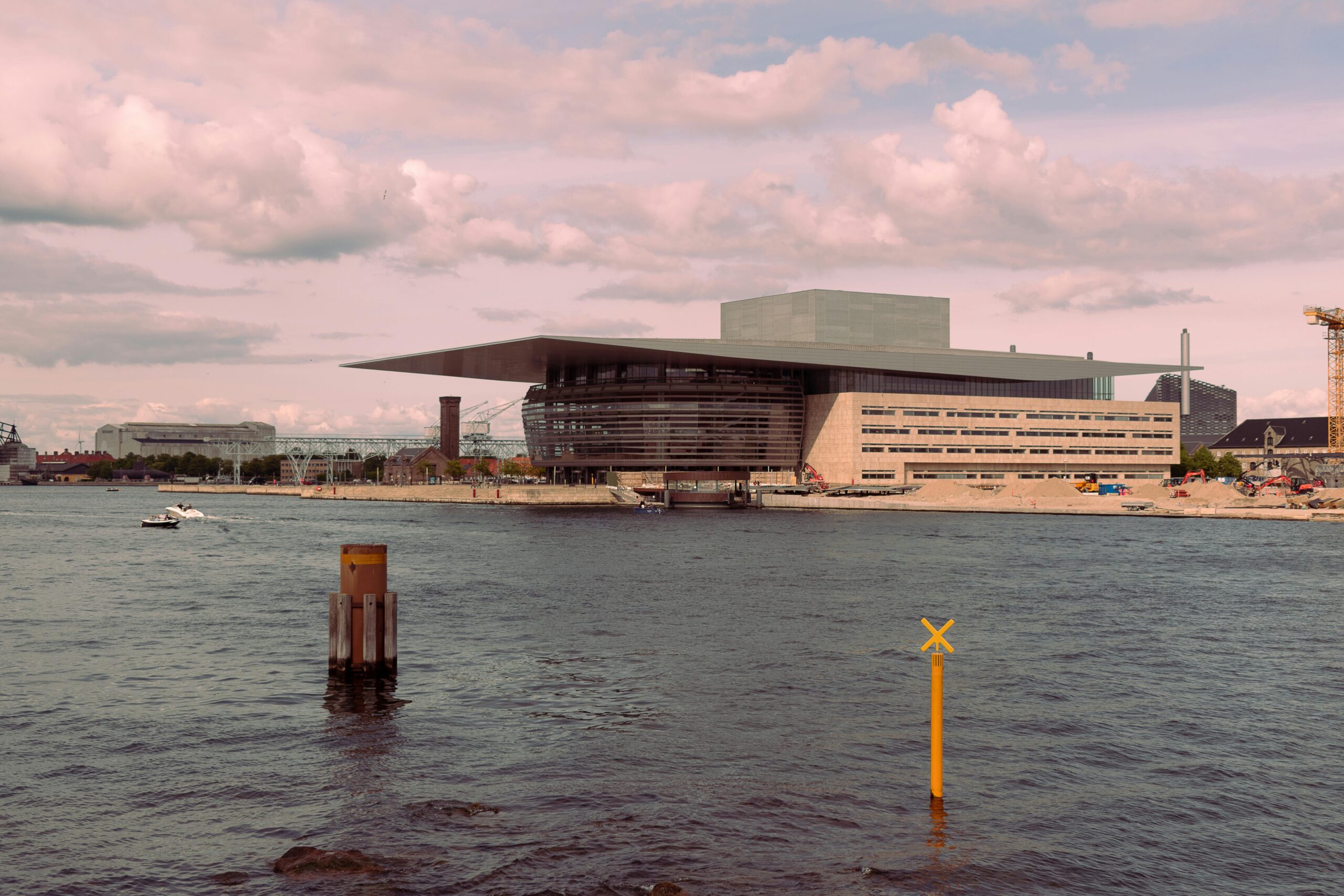
Summer brings the warmest weather and the longest daylight hours; June nights are pleasantly bright well past 10pm. Average daytime highs commonly reach the upper teens to low twenties Celsius, and rain totals are moderate compared with northern Norway or inland Europe. Outdoor dining, harbor baths, and canal cruises are at their best.
This is Copenhagen’s busiest period. Major events like the Copenhagen Jazz Festival and neighborhood street parties draw both locals and tourists, which means higher accommodation prices and busier attractions. If you prioritize guaranteed outdoor activities and lively nightlife, summer is the top choice despite the crowds.
Autumn (September–November): crisp air, lower prices and changing light
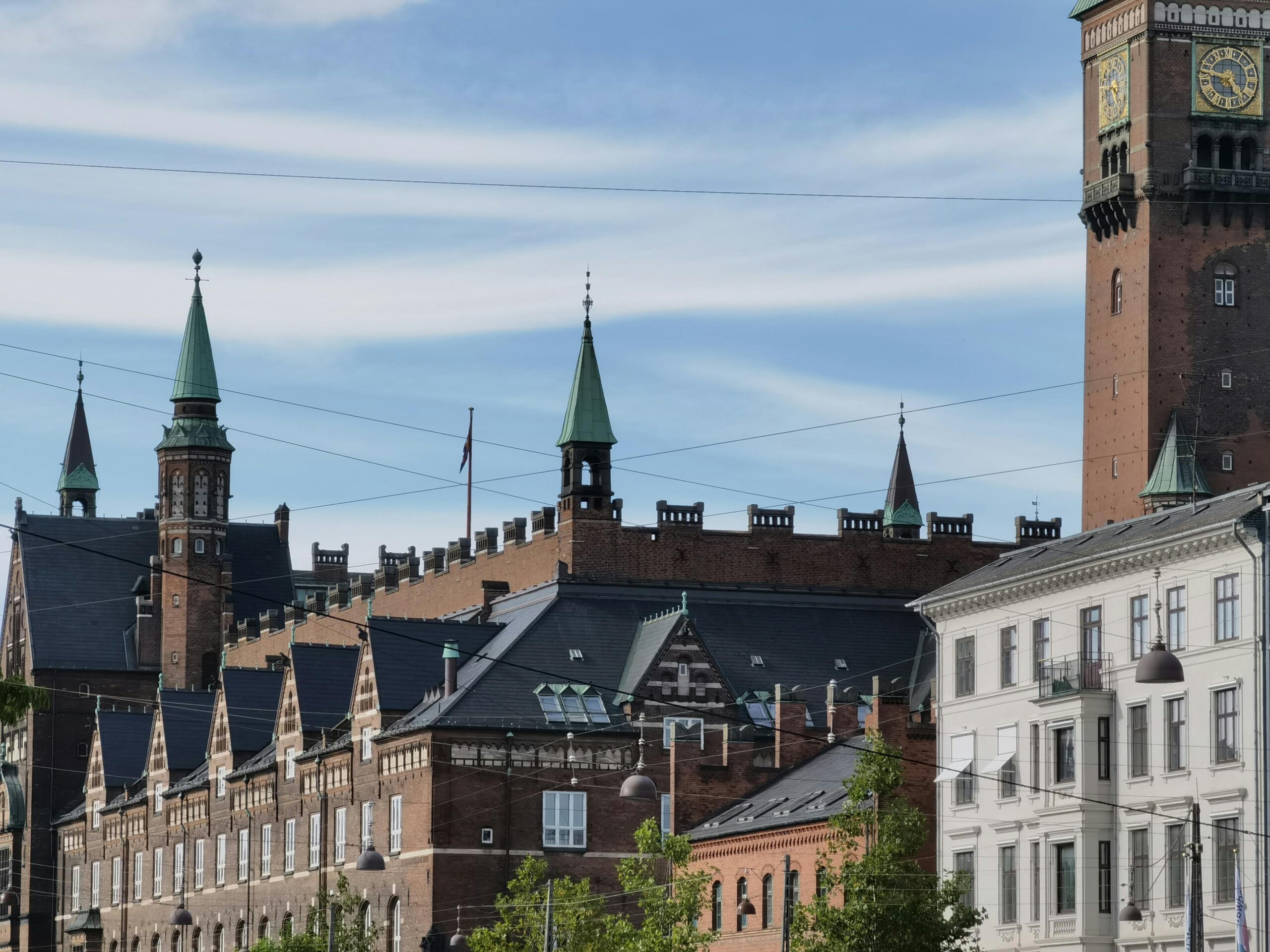
Autumn cools gradually; September often feels like an extended late summer with milder weather and thinning crowds, while October and November introduce blustery days and shorter light. The city’s parks and canals take on golden hues, providing photogenic scenes without summer crowds.
Travelers who want quieter museums, easier restaurant reservations and still-pleasant weather should consider September or early October. By November expect colder, damper conditions and fewer outdoor options, but find advantages in off-peak rates and empty tourist routes.
Winter (December–March): cozy hygge, holiday markets and travel bargains
Winters are chilly with temperatures commonly around 0–5°C and occasional sub-zero spells. Snow is possible but not guaranteed every year. Daylight is limited, but that also creates atmospheric evenings perfect for candles, warm drinks and the Danish concept of hygge. The Christmas markets and illuminated streets make December especially charming despite the brisk air.
Winter is Copenhagen’s low season for international tourism, so you’ll see lower Copenhagen travel cost across hotels and flights and shorter waits at museums. If you don’t mind cold weather, it’s a good time for cultural experiences, indoor dining, and bargain hunting.
Costs, crowds and practical planning tips
Copenhagen is often listed as one of Europe’s pricier cities. Daily budgets vary: budget travelers might manage on modest hostels and grocery meals, while mid-range visitors should expect higher prices for sit-down restaurants and private rooms. Typical Copenhagen travel cost estimates (per person per day) often fall into three tiers: backpacker (~€50–€100), mid-range (~€150–€250), and upscale (~€300+).
To save money, travel off-peak (late autumn through early spring), book accommodation well in advance for summer, use a city pass for museums if you plan multiple visits, and eat at market halls or street-food venues. Public transport and bike rentals are efficient and economical ways to get around; Copenhagen’s cycling infrastructure is excellent for short urban trips.
For specific climate statistics and monthly averages to help time outdoor plans, consult the long-term weather summaries at weather.com. Those charts help confirm typical temperatures, precipitation and daylight changes so you can pack appropriately.
Packing, transport and what to expect on the ground
Packing smart is more useful than packing heavy. For most seasons bring layered clothing, a light waterproof jacket, comfortable walking shoes and a small umbrella. In summer include a light sweater for evenings; in winter add warm gloves, hat and an insulated coat.
- Public transport: Copenhagen has an integrated system of metro, S-train and buses. Single tickets, day passes and the Rejsekort electronic card are common fare options.
- Bicycles: Renting a bike or using city bike shares is one of the fastest ways to move through neighborhoods and experience the city like a local.
- Cash and cards: Credit cards are widely accepted, but keep a small amount of Danish kroner for market stalls and small purchases.
- Language and etiquette: Danes are fluent in English in most service sectors; polite behaviour and punctuality are appreciated.
How tourist season affects attractions and events
The Copenhagen tourist season peaks in July and August, when outdoor attractions, canal tours and festivals operate at full tilt. Popular sites such as Tivoli Gardens and the National Museum can be crowded during these months. Shoulder months—late spring and early autumn—offer many of the same activities with fewer queues.
If you want to attend major festivals, check local calendars and book tickets early. For quieter sightseeing, arrive early at popular spots like Nyhavn or Rosenborg Castle and reserve indoor experiences such as the Danish Design Museum or new architecture tours during off-peak hours.
FAQs
When is the best time of year for warm weather and long daylight?
Late June through August generally offers the warmest weather and the longest daylight hours, making it ideal for outdoor dining, harbor activities and late-evening walks. Temperatures are mild compared with inland Europe, and daylight can extend well into the evening.
Are there months when Copenhagen is significantly cheaper to visit?
Yes—late autumn (November) through early spring (January–March) tend to be the least expensive months for flights and hotels. While the weather is colder and daylight is shorter, this period provides the best deals and quieter attractions.
How should I pack for changing Copenhagen weather?
Pack layers, a waterproof shell, and comfortable walking shoes. Spring and autumn can be variable with cool mornings and warmer afternoons; summer evenings may be cool, and winter requires insulated outerwear and warm accessories.
What are the shoulder months and why consider them?
Shoulder months include late April–June and September–early October. These periods often combine pleasant weather, fewer tourists than mid-summer, and more moderate accommodation prices than peak season, making them ideal for many travelers.
Can I rely on public transport to get around the city in all seasons?
Yes. Copenhagen’s public transport (metro, S-trains and buses) runs year-round and is reliable in all seasons. Biking is also a practical and popular option for much of the year, though winter conditions can make cycling less comfortable.
Conclusion
Choosing the best time to visit Copenhagen depends on priorities: pick summer for the warmest weather and festival atmosphere; choose late spring or early autumn for a compromise of good weather and smaller crowds; and opt for winter if you prefer fewer tourists, lower costs and a cozy, festive vibe. Use the seasonal summaries, weather patterns and cost considerations in this guide to match your travel goals to the ideal months—then plan bookings and packing accordingly to make the most of your Copenhagen visit.