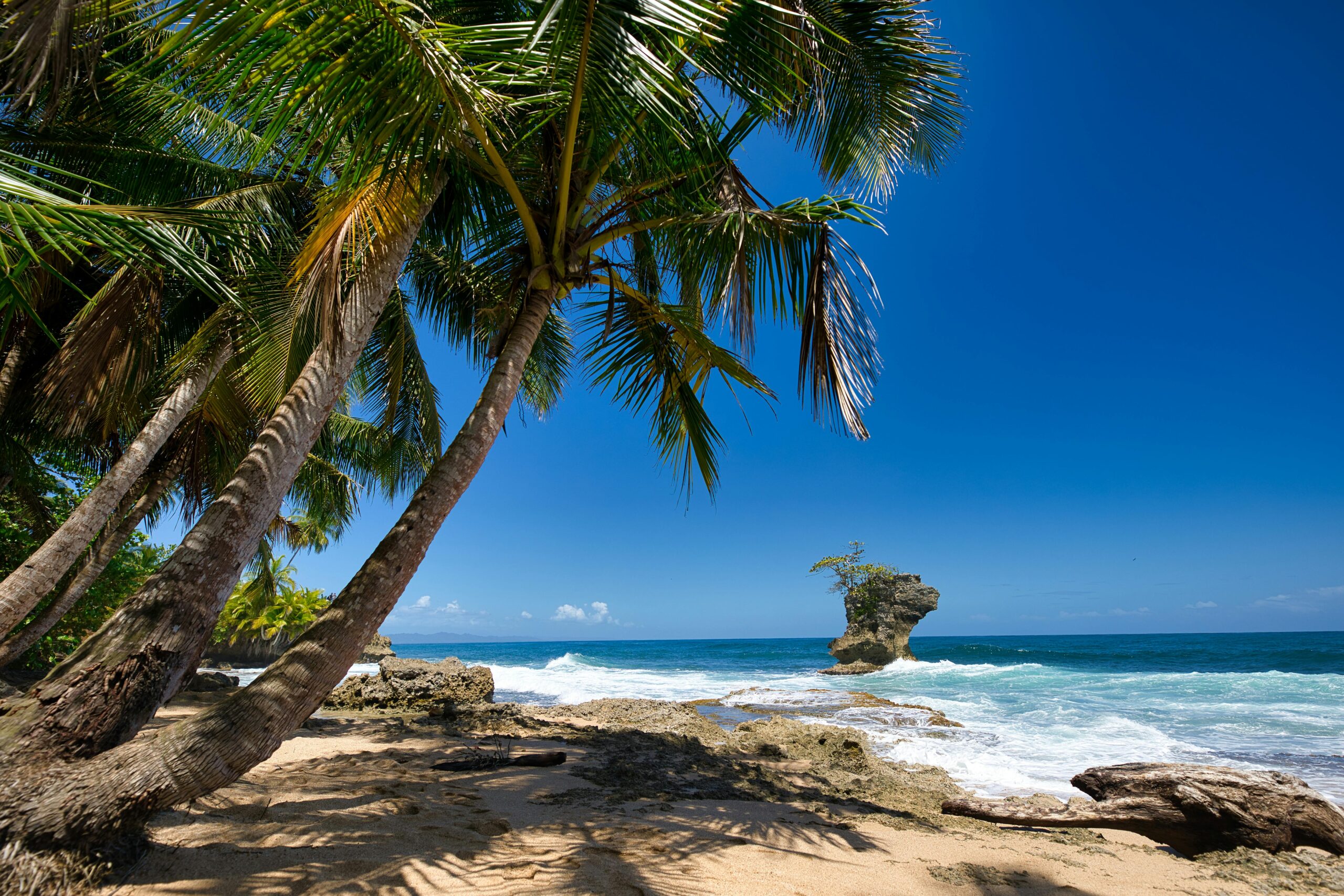
Deciding the best time to visit Costa Rica depends on what you want—sunny beaches, lush rainforest hikes, wildlife viewing, or surfing. In this guide I’ll use long-term climate data and official tourism information to explain seasonal patterns, month-by-month weather, and regional differences so you can match travel dates to activities and comfort levels. The best time to visit Costa Rica is often a balance between dry-season convenience and the green-season’s quieter, greener landscapes.
This article combines countrywide climate summaries, a detailed costa rica weather by month guide, regional recommendations, activity-focused timing, and practical planning tips. Data is based on historical climate records and guidance from weather authorities and the national tourism board to help you plan with confidence.
Costa Rica climate at a glance
Costa Rica’s climate is tropical, influenced strongly by elevation and by its two coasts—Pacific and Caribbean. Instead of four temperate seasons, Costa Rica has a pronounced dry season (roughly mid-December to April) and a rainy or “green” season (roughly May to November). Temperatures vary by altitude: the Central Valley (San José, Alajuela) is mild year-round, coastal lowlands are hot and humid, and highland areas like Monteverde and the cloud forests are cooler and misty.
Rainfall patterns are predictable in some regions and less so in others. The Pacific side follows the classic dry/wet pattern, with afternoons typically wet during the rainy season. The Caribbean coast receives more irregular rainfall and can be wet year-round, with pockets of drier months. Wind, ocean currents and local topography also affect microclimates—Arenal’s slopes, for instance, can be wetter than nearby plains.
Costa Rica weather by month guide
Below is a month-by-month overview highlighting weather trends, what to expect, and travel advice for each month. This costa rica weather by month guide focuses on general patterns that help pick ideal travel windows for different priorities.
January: Peak dry season. Warm days, little rain across most of the country, especially the Pacific. Beaches and national parks are busy; book accommodations early. Good for surfing on some Pacific breaks (north and south variations), wildlife viewing in many reserves, and hiking in clear conditions.
February: Similar to January—sunny and dry across much of the country. February often sees stable weather, making it ideal for outdoor activities, boat trips to Tortuguero, and exploring the Osa Peninsula’s remote rainforests. Prices remain high in popular spots.
March: Dry-season continuity and some of the hottest months on the coasts. March provides long, sunny days and excellent water clarity for snorkeling and diving. Interior highlands stay comfortable, and this is prime season for beach destinations and organized tours.
April: Transition month from dry to rainy season. The first half of April typically remains dry and warm; by late April showers become more frequent, especially in the afternoons. If visiting in April, plan flexible outdoor activities and be ready for sporadic rain.
May: Start of the green season. Morning sun with increasing afternoon storms on the Pacific side. Vegetation is coming into vivid growth and river levels start to rise—great for photographers and birdwatchers. Prices drop compared with peak season, and crowds thin in many parks.
June: Rainy-season rhythm settles in—regular afternoon and evening rains with often sunny mornings. The Pacific can still offer extended dry spells between storms. June is excellent for rafting (higher, lively rivers), lower shoulder-season prices, and fewer tourists at major attractions.
July: A drier patch sometimes known as “veranillo” or a short dry spell in the middle of the rainy season may appear, especially in parts of the Pacific. Mornings are often clear, afternoons wet. Wildlife viewing is strong as many species are active during the green season.
August: One of the wettest months in many Pacific regions, though mornings can be bright. The Caribbean coast can be relatively drier compared to the Pacific at this time. Surfing quality varies by break; this is a good month for those seeking low-season rates and lush rainforest scenery.
September: Typically the wettest month in the main Pacific areas. Rain is frequent and heavy at times; rivers swell and some remote roads can be affected. This month suits travelers who value solitude, rainforest immensity, and lower prices—but check accessibility for remote lodges.
October: Very wet in many areas, though the Caribbean coast may be more favorable. October is often the quietest month for tourism and can be a bargain for flexible travelers willing to accept frequent rain and occasional closures of some tours.
November: Rain starts to taper toward the end of the month, especially in late November, offering greener landscapes with improving access. This is a transitional window into the dry season and can be excellent for birding, waterfalls at their fullest, and fewer crowds.
December: Early December can still have rainy days, but by mid-December the dry season often begins. Holiday travel increases toward Christmas and New Year’s, so expect busy conditions and higher prices if traveling during the holidays.
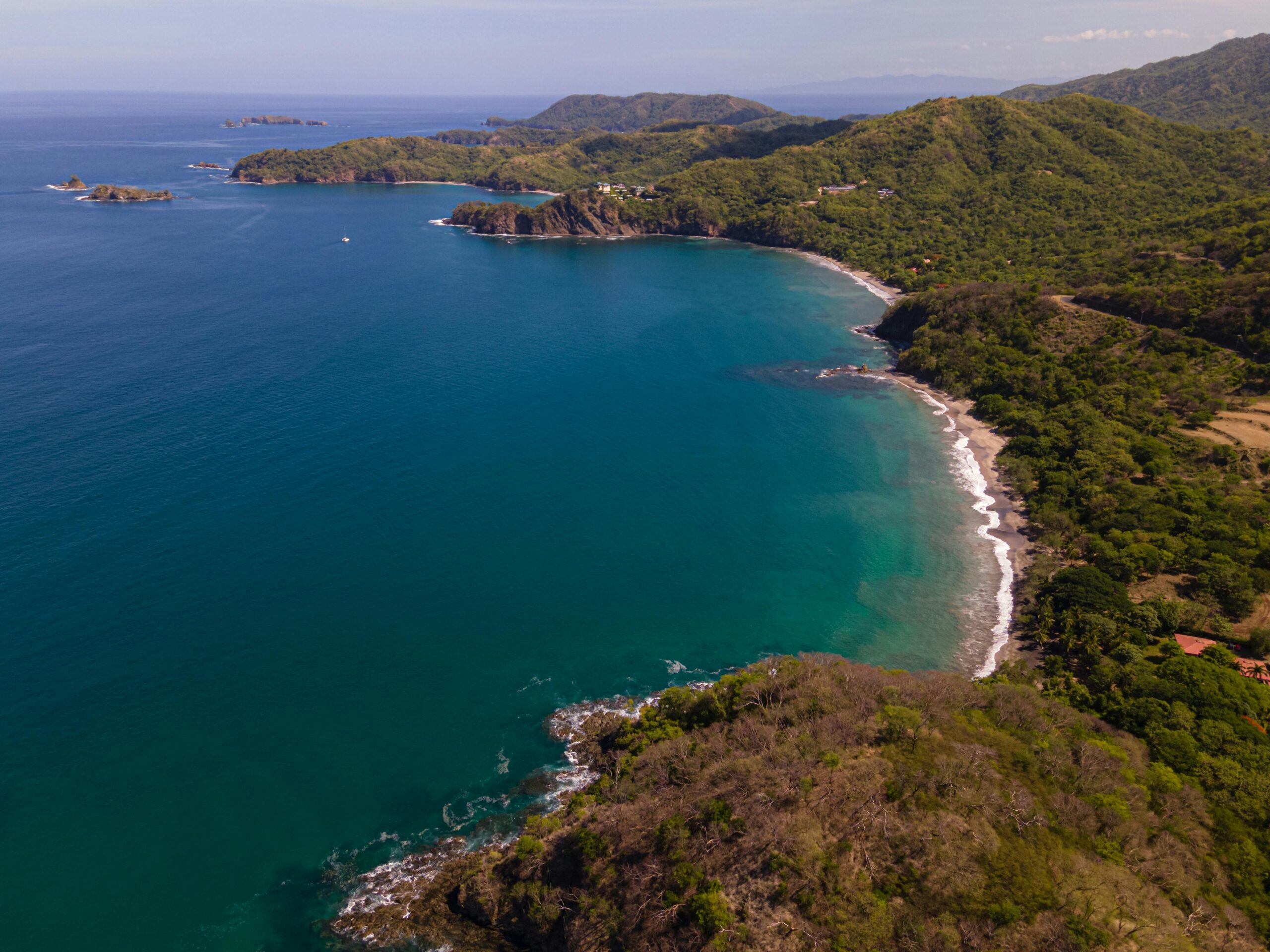
Regional differences: when to visit each part of the country
Choosing the best time to visit Costa Rica also depends on which region you plan to explore. Microclimates create significant variations: the Central Valley’s mild climate, the Pacific’s predictable dry season, and the Caribbean’s more complex rainfall patterns all demand different timing for optimal experiences.
Pacific Coast (Guanacaste, Nicoya, Nicoya Peninsula, Manuel Antonio): The classic dry season (December–April) is usually considered the best window for beach time, diving, and sun. For whale watching and fewer crowds, consider May or July veranillo windows. If you prefer lush scenery and quieter beaches, the green season (May–November) offers dramatic landscapes but more rain.
Caribbean Coast (Tortuguero, Puerto Viejo, Cahuita): The Caribbean side can be drier between September–October and February–March, but rainfall is more variable than on the Pacific side. If Tortuguero turtle-nesting is your primary interest, plan around species-specific nesting seasons (green turtle nesting peaks vary by location and month).
Central Valley and San José: Located at elevation, the Central Valley enjoys mild daytime temperatures year-round with distinct wet afternoons in the rainy season. This region is a convenient base for cultural visits, museums, and day trips; it rarely experiences extremes of heat or rain that disrupt travel.
Highlands and Cloud Forests (Monteverde, Cerro de la Muerte): Cooler temperatures and frequent mist define these areas. The dry season provides clearer hiking conditions, but cloud forest wildlife is active year-round. Pack layers and waterproof gear regardless of the month when visiting high elevations.

Best time to visit Costa Rica by activity
Different activities peak at different times; match your priorities to seasonal advantages for the best outcomes.
- Beach and sun-seeking: December–April on the Pacific side for reliable sun and calm seas. For fewer tourists but still beach-friendly weather, consider late November or early May.
- Surfing: Pacific coast surf is best in the rainy season for consistent swells, particularly May–November for the southern Pacific and December–April for some northern breaks; check local forecasts for specific breaks and seasonal variation.
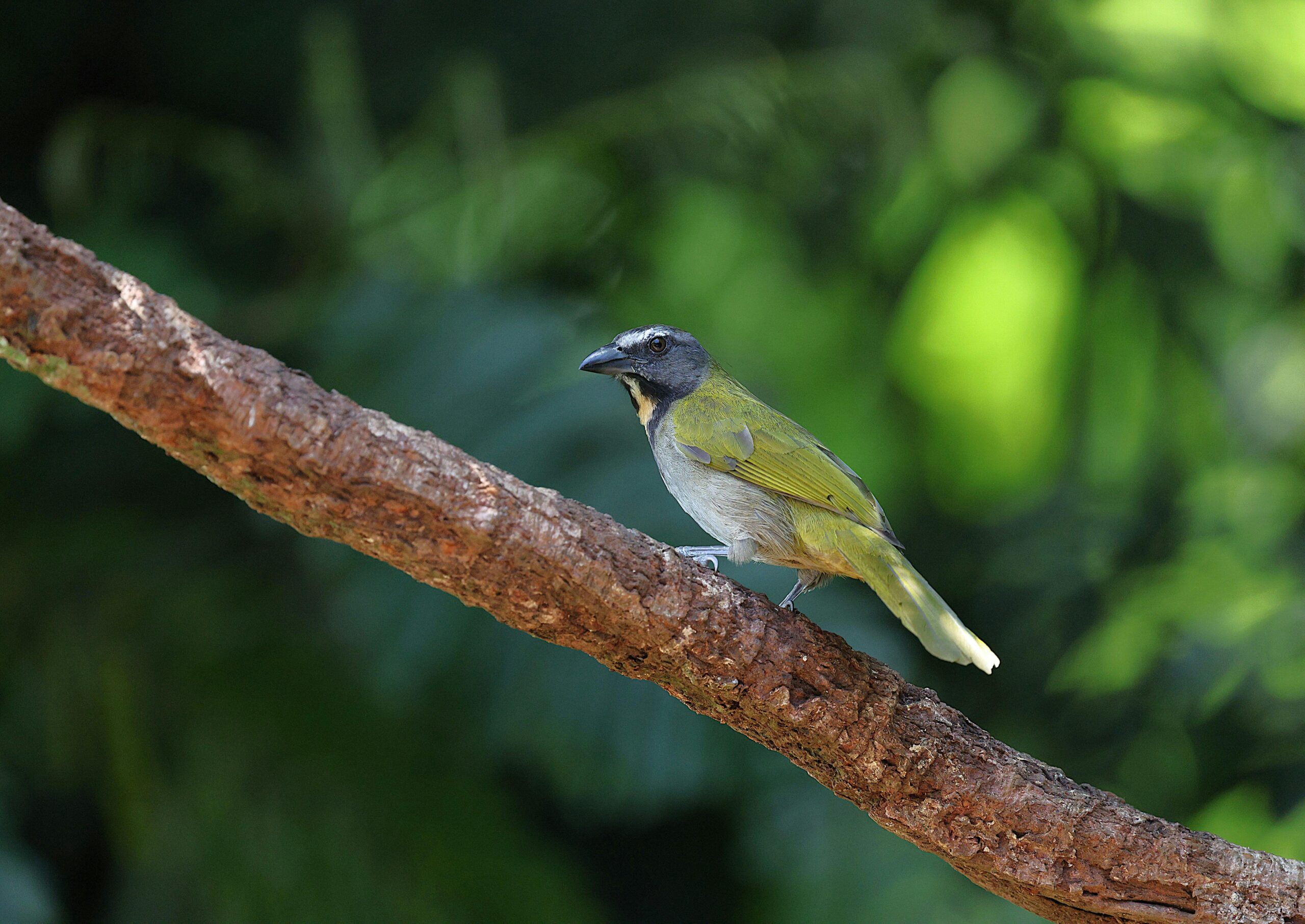
- Wildlife viewing and birdwatching: Green season (May–November) is excellent for birds and newborn mammals; nesting sea turtles have specific seasons—green turtles in Tortuguero peak July–October, while leatherbacks typically nest earlier.
- Hiking and volcano visits: Dry season (December–April) offers clearer trails and views, especially for Arenal, Poás, and Irazú. For a quieter experience with dramatic waterfalls, consider the shoulder months.
- Rafting and river sports: Rainy season increases river volume—June–October is prime for experienced rafters seeking higher rapids; choose commercial outfitters who monitor river safety.
- Snorkeling and diving: Water clarity varies by coast; the dry season typically yields better visibility on many Pacific dive sites, while Caribbean dive conditions can be good during their drier windows.
Practical planning: festivals, crowds, transport and packing
Festivals and public holidays influence crowds and price peaks. Christmas to Easter (high season) sees the most visitors, higher rates and sometimes sold-out accommodations. Shoulder seasons—late November to mid-December and May to June—can offer lower rates with reasonable weather. If you need to reserve a specific lodge, tour, or vehicle type, book early for peak months.
Roads to remote lodges may be affected during the rainy season. If visiting off-grid areas (Osa Peninsula, Corcovado, parts of Nicoya), verify access conditions and consider booking local transfers that monitor road and boat schedules. Pack versatile waterproof gear: a light rain jacket, quick-dry clothing, sturdy shoes, insect repellent, sunscreen, and layers for highland evenings.
When searching for lodging and itineraries, official booking platforms can be a convenient starting point for comparing options and reviews. For a broad range of choices across regions consider checking accommodation listings and seasonal availability on accommodation options in Costa Rica on Booking.com.
For official travel advisories, protected-area rules, and seasonal wildlife alerts consult national resources and tourism guidance; the Official Costa Rica Tourism Board posts updates on park conditions, nesting seasons and visitor tips that can shape the best travel days for your trip.
Comparison table: seasons and what they mean for travelers
| Season | Typical months | Pros | Cons | Best regions |
|---|---|---|---|---|
| Dry season | Mid-Dec to Apr | Reliable sun, calm beaches, clear hikes | Higher prices, more crowds | Pacific coast, Central Valley |
| Green / Rainy season | May to Nov | Lush landscapes, fewer tourists, lower rates | Afternoon rains, possible access issues to remote areas | Rainforests, cloud forests, Caribbean (variable) |
| Shoulder months | Late Nov, May, June | Balance of good weather and lower crowds | Weather can be unpredictable | Across regions—choose based on activity |
FAQs
What is the absolute best month to visit Costa Rica?
If you want the most reliable weather for beaches, hiking and national parks, February or March are often the best months because dry-season conditions are well established, daylight is long, and most regions are accessible. If you want lush scenery and fewer crowds, consider May (early green season) or late November (transition to dry season).
Is it safe to travel to Costa Rica during the rainy season?
Yes—many travelers visit during the rainy season without issue. Plan for daily afternoon rains, confirm road and boat access for remote sites, and allow flexibility for outdoor activities. Guided tours and established lodges remain operational; choose operators who monitor conditions and prioritize safety.
When is turtle nesting season in Costa Rica?
Turtle nesting seasons vary by species and site. Green turtles in Tortuguero are most active between July and October, while other species like leatherbacks have different peaks. If turtle nesting is a top priority, check site-specific seasonal calendars from conservation groups and park authorities before booking.
Can I surf year-round in Costa Rica?
Surfing is possible year-round, but swell direction and quality change by season. The Pacific coast typically has larger, more consistent swells during the rainy season (May–November), while some northern beaches are best during the dry season. Local surf schools and forecasts will point you to the right breaks for your skill level.
How far in advance should I book travel and lodging?
For travel during high season and holiday periods (late December to Easter), book several months in advance—sometimes six months or more for popular lodges. For the green season and shoulder months, bookings can be made closer to travel dates, but secure permits or specialized eco-lodges early if you have a specific property in mind.
Conclusion
Choosing the best time to visit Costa Rica depends on the experiences you prioritize. If you prefer consistent dry weather, plan for the mid-December to April window, especially for Pacific beaches and clear hiking conditions. If you want fewer crowds, dramatic greenery, and lower prices, travel during the green season from May to November, keeping in mind afternoon rains and occasional access challenges. For region-specific trips—Caribbean, Pacific, cloud forest, or highlands—align your dates with local microclimates and activity seasons.
Use the month-by-month guidance and regional breakdown here, consult official park notices and weather authority updates, and pick the travel window that best matches your tolerance for rain, desire for solitude, and planned activities. With a little planning, Costa Rica rewards visitors year-round with rich biodiversity, dramatic landscapes, and memorable outdoor adventures.