Deciding the best time to visit Geneva depends on what you want from your trip: outdoor adventure on the shores of Lake Geneva, crisp winter skiing nearby, or sampling festivals and local cuisine. Placing the city’s climate, crowds and cost into context helps you choose months that match your priorities, whether you value mild Geneva weather, lower travel costs, or the liveliest tourist season.
This guide breaks down Geneva by season and month, explains expected costs, highlights peak events, and offers practical tips so you can plan a trip that fits your pace and budget. Read on to find the ideal window for your visit, from quiet shoulder seasons to peak summer energy.
When is the best time to visit Geneva?
The single best time to visit Geneva is subjective but for most travelers April–June and September–October strike the best balance: mild, pleasant Geneva weather, fewer tourists than mid-summer, and lower prices than the December holiday rush. Spring brings blooming parks and comfortable daytime temperatures, while early autumn offers clear skies, harvest-themed markets and warm lake days that persist into September.
If you want warm, sunny days for lakeside strolls and outdoor cafés, aim for June through August, but expect larger crowds and higher Geneva travel cost during July and August school holidays. Conversely, winter from December through February attracts visitors who prioritize skiing in nearby alpine resorts or festive holiday markets, but expect colder temperatures and potential snow.
Geneva tourist seasons explained
Geneva’s tourist season can be divided into four broad periods: high season (summer), shoulder seasons (spring and autumn), low season (late autumn/early winter excluding holidays), and winter holiday peaks. High season — late June to August — sees the most visitors, especially families and those combining Switzerland with other European cities. Shoulder seasons feature comfortable conditions and more reasonable accommodation rates.
Business travel also influences Geneva’s visitor patterns because the city hosts many conferences and international meetings year-round. Weekday occupancy can be high during major conferences, so if your trip hinges on hotel availability and cost, check event schedules before booking.
Month-by-month Geneva weather overview
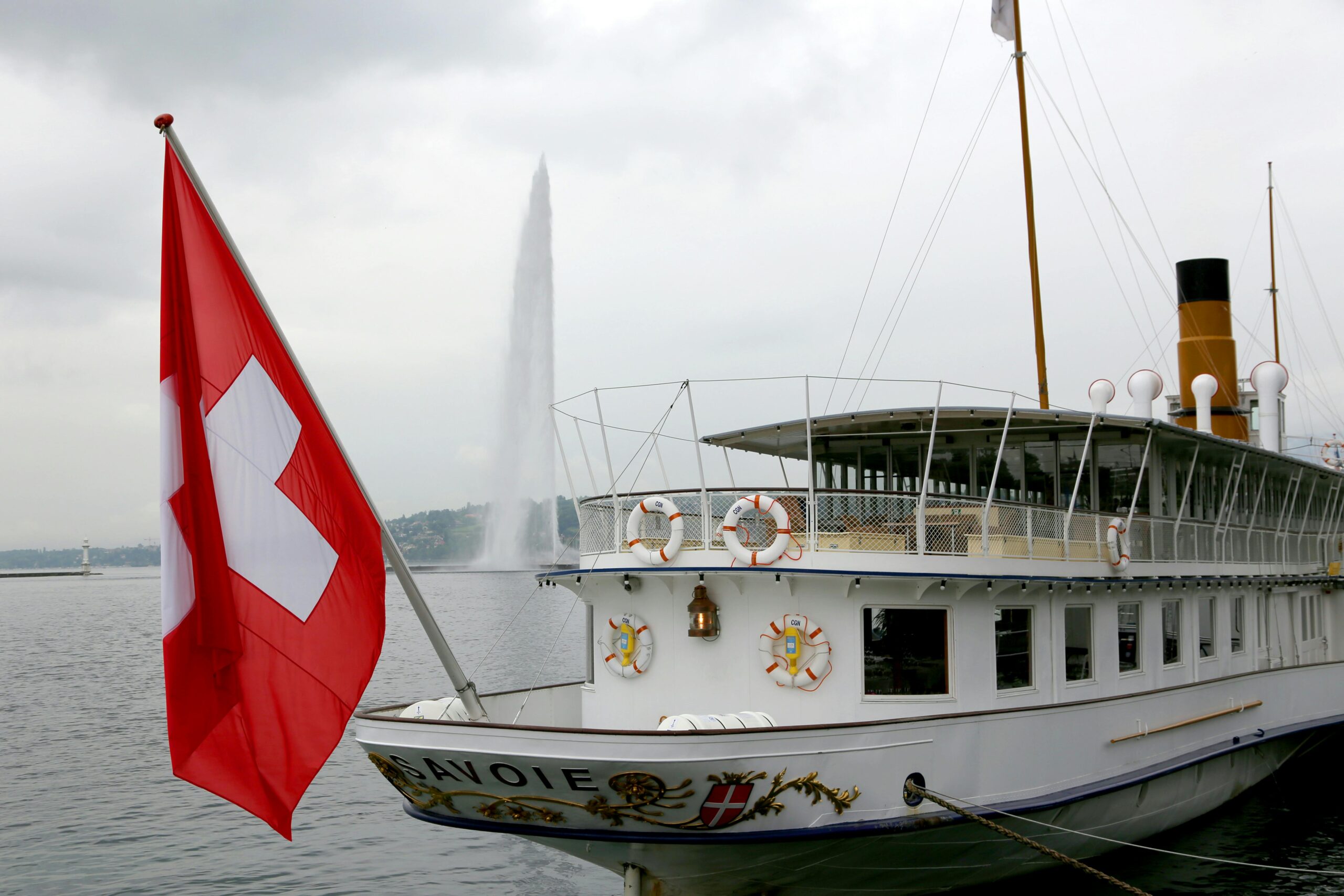
Understanding Geneva weather month by month helps you choose the best window for outdoor activities or museum-hopping. Winters (December–February) are cold, with daytime highs often between 0–6°C (32–43°F) and occasional snow. Spring (March–May) is variable: March can still feel wintry, while May often brings reliably mild days. Summer (June–August) is warm and sunny with highs typically 20–27°C (68–81°F). Early autumn (September–October) remains pleasant, then November cools noticeably.
If you prefer predictable, warm weather for lake swimming and long walks, target July and August. If you prefer mild temperatures without large crowds, June and September are excellent choices. For winter sports or atmospheric holiday markets, December is attractive but do plan for cooler and shorter days.
Top events and festivals by season
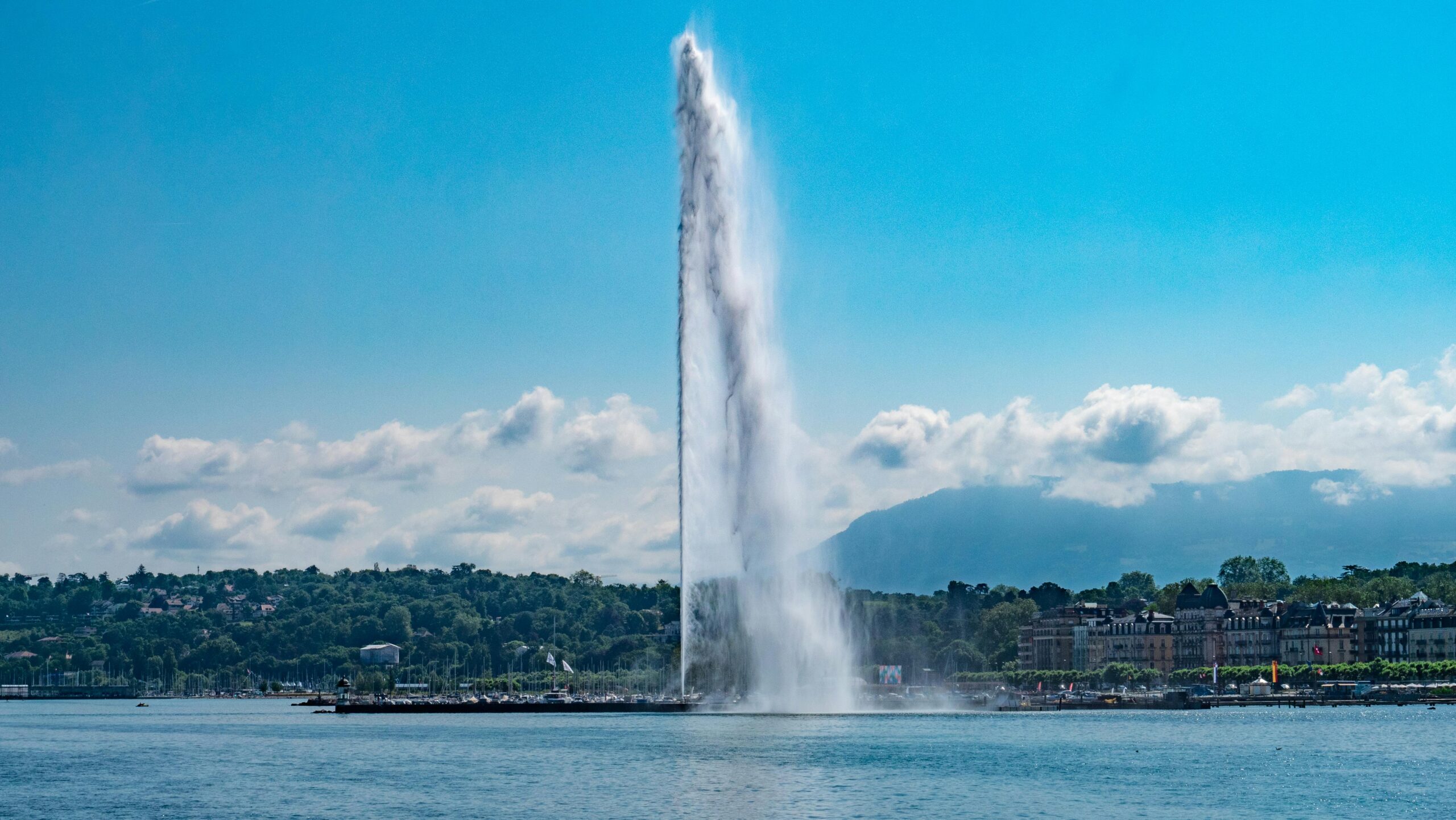
Events shape the visitor experience: the Geneva International Motor Show (usually in March) and the Fêtes de Genève (late August) draw large crowds. The spring and early summer months host outdoor concerts and cultural programming, while December is known for charming Christmas markets and seasonal concerts. If you want to time your trip around a specific event, plan and book well in advance to avoid high Geneva travel cost on event weekends.
For up-to-date event listings and suggested places to stay during busy periods, consult reputable accommodation platforms when planning. Many travelers find comparing availability and prices helpful when deciding whether to shift dates slightly to avoid peak demand, especially during major fairs and festivals.
Geneva travel cost: budgeting for your trip
Geneva is among Switzerland’s pricier cities, but costs vary by season and by how you choose to travel. Expect higher accommodation rates in summer and around major conferences. Midweek stays during low or shoulder seasons can substantially lower nightly rates. For realistic planning, account for accommodation, transport (including airport transfers), meals, museum entry, and occasional day trips to nearby towns or the Alps.
Choosing where to stay affects your budget: hotels near the lake and Old Town command a premium, while neighborhoods a short tram ride away usually offer better value. For convenience and comparison of availability across neighborhoods, look at different listings and filter by your priorities when finalizing plans.
Practical travel tips for each season
Spring (March–May): Pack layers—mornings can be cool and afternoons warm. Bring a light waterproof jacket for sudden showers and comfortable walking shoes for parks and promenades. Shoulder-season accommodations are more affordable, and public transport runs reliably between city attractions and nearby day-trip destinations.
- Tip: Book popular museums or guided tours online to guarantee entry during pleasant weekends.
Summer (June–August): Expect long daylight hours and busy streets. Reserve restaurants and boat trips in advance during July and August. If you plan to swim in Lake Geneva, bring swimwear and a towel; public beaches and lidos are popular and well maintained.
- Tip: Early morning is the best time for quiet photos at the Jet d’Eau and Old Town before day-trippers arrive.
Autumn (September–November): Crisp mornings and golden trees make this a scenic time for walking tours and vineyard visits around the lake. Layered clothing and a windproof jacket are recommended. Crowds thin after early October, and you’ll find lower rates at many hotels.
- Tip: Harvest festivals and wine tastings in nearby regions offer pleasant day-trip options in September and October.
Winter (December–February): Bring warm, insulated clothing and waterproof boots. While Geneva itself is charming with holiday lights and indoor cultural offerings, consider day trips to ski resorts in the Alps for winter sports enthusiasts. Hotel rates vary—expect peaks around Christmas and New Year’s Eve.
- Tip: Use public transport passes to save on multiple museum entries and tram trips, especially during colder months.
Where to stay and how to get around
Deciding where to stay depends on priorities: Old Town for history and walking access, Paquis for nightlife and lake views, and Eaux-Vives or Carouge for quieter residential charm. If you value convenience to conference venues, hotels near the United Nations and the international district are best. For an easy way to compare options and secure a suitable property, check listings and guest reviews on established booking platforms.
Geneva’s public transport system—trams, buses and local trains—is efficient and covers the city and suburbs. Many hotels offer a free Geneva Transport Card for guests, which covers local public transport during your stay. For day trips into the Alps or to nearby towns, regional trains are frequent and comfortable.
FAQs
What is the warmest month in Geneva?
July is typically the warmest month, with average daytime highs often in the mid-20s°C (70s°F), making it ideal for lake activities and outdoor dining.
When is Geneva least crowded?
The least crowded times are late November (outside holiday weeks) and early March when business travel isn’t peaking. Shoulder seasons like April–May and September–October also offer fewer crowds than high summer.
How much should I budget per day in Geneva?
Daily costs vary by travel style. On a moderate budget, plan for accommodation, meals, local transport and attractions; many travelers budget a higher daily amount in summer. Booking accommodations a little outside the lakefront can reduce nightly rates significantly.
Is swimming in Lake Geneva safe and when is it best?
Swimming is common in summer months when water temperatures are warmest—typically July and August. Public beaches and lidos provide safe, marked swimming areas during the season.
Are there good day trips from Geneva?
Yes. Popular day trips include Montreux and the Lavaux vineyards, Chamonix-Mont-Blanc (France), and the Jura mountains. Regional trains and guided excursions make these trips straightforward from Geneva.
Conclusion
Choosing the best time to visit Geneva comes down to trade-offs between weather, crowds and travel cost. For warm weather and lakeside life, July and August are ideal; for mild temperatures, fewer crowds and better value, aim for April–June or September–October. Winter offers a festive atmosphere and access to alpine sports. Whatever season you pick, planning around events and booking accommodation early will help you secure the best experience.
For up-to-date accommodation options and to check availability for your intended dates, browse trusted booking listings before finalizing your itinerary.