Deciding the best time to visit Hamburg depends on what you want from the city: mild weather and long daylight for sightseeing, lively festivals, or lower prices and quieter streets. The best time to visit Hamburg is generally late spring (May–June) and early autumn (September), when Hamburg weather is pleasant, attractions are fully running, and crowds are manageable.
This guide breaks down monthly weather patterns, tourist seasons, typical travel costs, major events and practical tips so you can plan a trip that matches your priorities — whether you want sunshine for harbor walks, cozy winter markets, or music festivals in St. Pauli.
When is the best time to visit Hamburg?
For warm, comfortable sightseeing and outdoor activities, aim for May through June or September. These months offer milder temperatures, relatively low rainfall compared with the late autumn and winter months, and fewer tourists than the peak of summer. If your priorities are festivals and open-air events, late spring and early autumn again perform well, while July and August bring the highest temperatures and the largest crowds.
If you prefer lower prices and don’t mind cooler days, visit in late November through March. Winter transforms Hamburg into a charming city of indoor cultural life, cozy cafés and Christmas markets, though daylight hours are short and rain or sleet are possible. For weather-dependent travel, check long-range forecasts but expect typical northern-German variability year-round.
Month-by-month Hamburg weather and what to expect
Understanding month-to-month conditions helps you match expectations to activities — below is a concise rundown so you can choose the right time for museums, harbor cruises, club nights or rooftop views.
- January: Cold, often gray; temperatures generally 0–5°C. Museum visits, classical concerts and indoor cultural sites are ideal.
- February: Still wintry, with occasional snow; quieter tourist season and lower prices on hotels and flights.
- March: Transitional weather; early spring blossoms possible by late March, but expect rain and wind.
- April: Increasing daylight, unpredictable showers; good shoulder-season deals and fewer crowds.
- May: One of the best months — mild temperatures (10–20°C), longer days and the start of major outdoor events.
- June: Pleasant and green, ideal for harbor tours, parks like Planten un Blomen and cycling along the Elbe.
- July: Warmest month with the most tourists; expect higher prices and lively nightlife in St. Pauli.
- August: Similar to July — warm evenings, festivals and busy waterfronts.
- September: Comfortable temperatures and fewer crowds; a top choice for combining good weather and manageable costs.
- October: Crisp autumn colors and cooler nights; some rain but often peaceful streets and good cultural programming.
- November: Turning colder and wetter; good time for lower travel costs and museums, with the first Christmas market openings late in the month.
- December: Festive atmosphere with Christmas markets, especially around Rathausmarkt and Speicherstadt; cold and often wet.
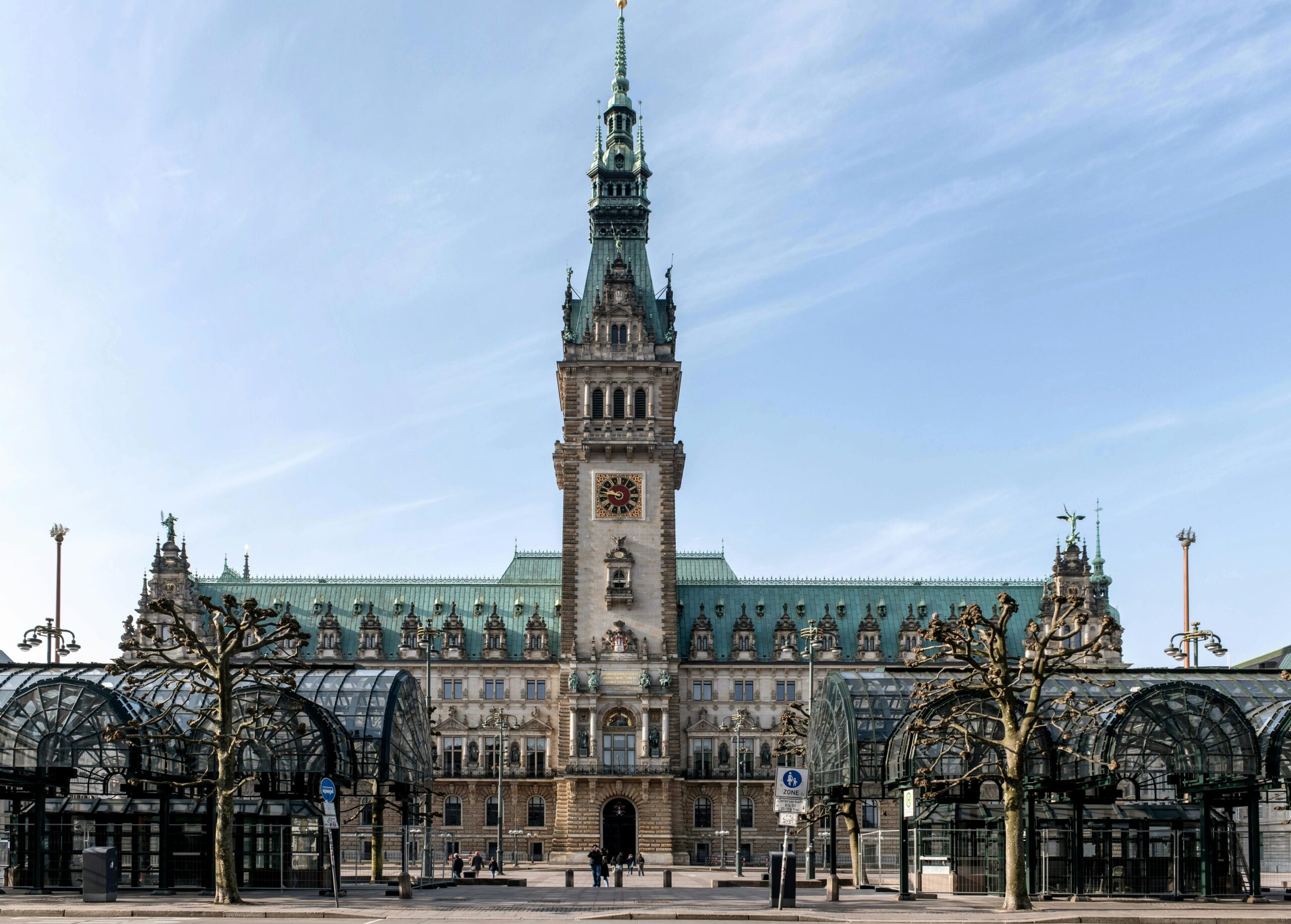
Peak, shoulder and low seasons — crowds and prices
Hamburg’s peak tourist season runs from late June through August. During these months expect higher hotel rates, fuller restaurants and busy sights such as Miniatur Wunderland, Elbphilharmonie plaza, and harbor tours. If crowds are a concern, avoid weekends during July and August when local families and international travelers converge.
Shoulder seasons — April to June and September to October — are excellent for balanced travel: the weather is generally pleasant, cultural venues are open, and prices are more reasonable than in peak season. The low season, November through March (excluding Christmas markets), offers the lowest travel costs but more limited daylight and cooler temperatures.
For accommodation searches and comparing prices across neighborhoods, it’s easy to compare options and filter by price or cancellation policy on travel booking platforms like trusted hotel search sites.
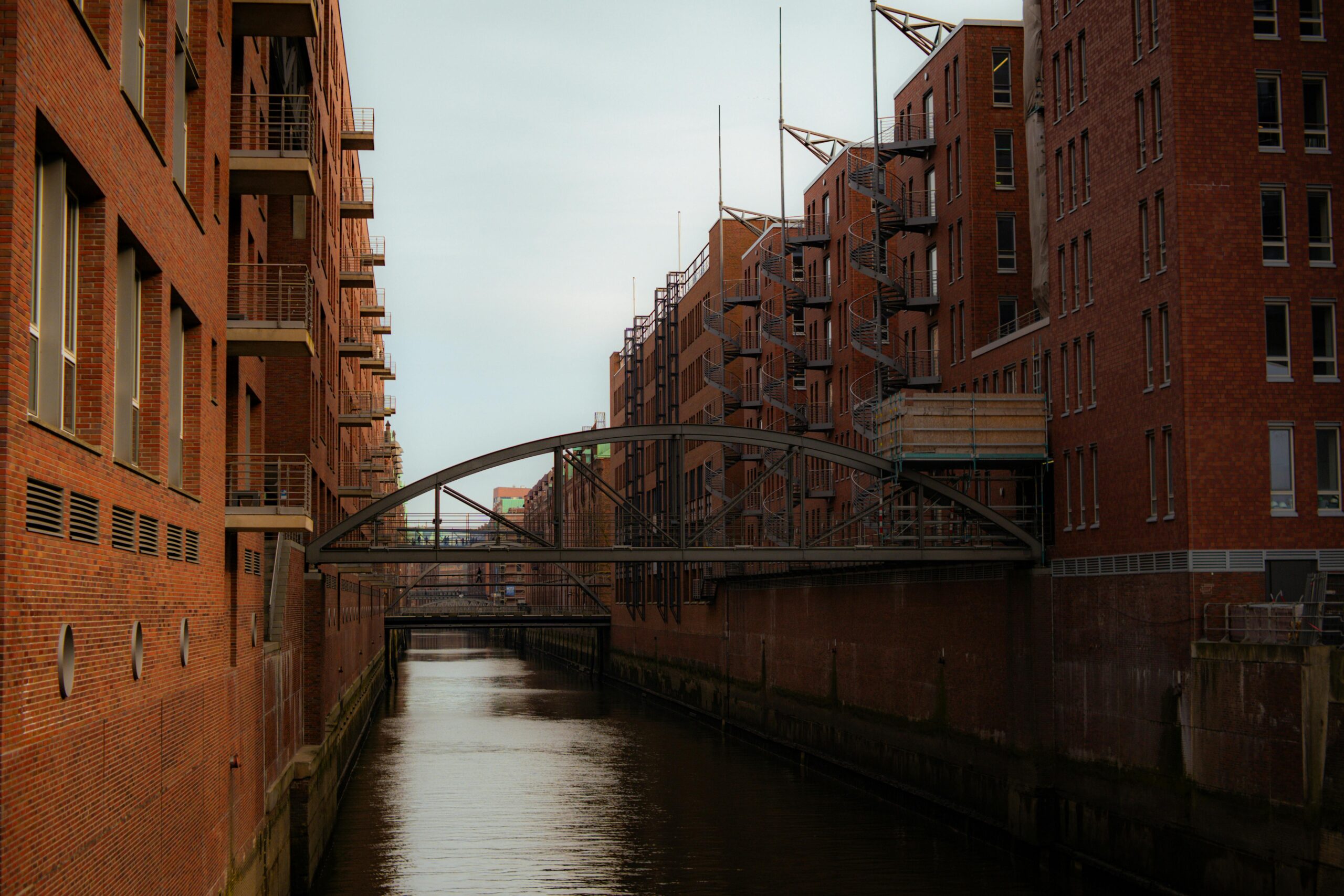
Events and festivals by season
Timing a trip to coincide with a festival can make Hamburg especially memorable. Here are the highlights by season so you can plan around major cultural draws:
- Spring: Hafengeburtstag (Port Anniversary) in May is a huge maritime celebration with ship parades and fireworks; it’s one of the city’s liveliest events.
- Late spring to summer: Alstervergnügen and various open-air concerts fill the calendar, while the Hamburger Dom fair runs several times a year and brings rides and local treats.
- Autumn: The Reeperbahn Festival in September is Europe’s key club and music industry showcase; it draws music fans and professionals from across the continent.
- Winter: From late November through December, Christmas markets set up across the city — Rathausmarkt and historic Speicherstadt are particularly atmospheric.
- Year-round indoor culture: Hamburg’s theaters, concert halls and galleries operate year-round, providing excellent alternatives on rainy or cold days.
Budgeting: Hamburg travel cost explained
Hamburg travel cost will vary by season, neighborhood and travel style. Below are realistic daily budgets to guide planning:
- Budget traveler: €60–€100/day — hostel or budget hotel, public transport day tickets, inexpensive meals (street food, bakeries), and a few paid attractions.
- Mid-range traveler: €130–€220/day — 3-star hotel or well-rated guesthouse, moderate dining, occasional taxis, entrance fees for museums and harbor cruises.
- Luxury traveler: €300+/day — high-end hotels, fine dining, private tours, premium concert tickets and shopping.
City transport is efficient: a single HVV (Hamburg public transport) fare covers buses, S-Bahn and U-Bahn within zones; consider a day pass or a Hamburg CARD for savings on transit and museum discounts. Museum ticket prices vary — budget extra for the Elbphilharmonie Plaza access, guided harbor tours, and boat trips if those are on your itinerary.
To lock in accommodation rates and flexible booking, many travelers prefer to compare listings and read neighborhood reviews on reliable platforms before committing to dates; for a quick overview of choices across districts try a major hotel marketplace when planning your stay.
Practical tips: packing, getting around and where to stay
Packing depends on season: pack layers year-round because Hamburg weather can shift from chilly to mild in a single day. Essentials include a waterproof jacket, comfortable walking shoes, and a compact umbrella. For summer evenings bring a light sweater; for winter, a warm coat, hat and gloves are necessary.
Getting around is straightforward: Hamburg’s HVV network is comprehensive, bikes are widely used (and rentable), and walking is a great way to explore central neighborhoods. Taxis and rideshares are available but can be expensive during peak hours; the S-Bahn connects quickly to the airport and regional train stations.
Where to stay depends on your priorities:
- HafenCity and Speicherstadt — modern, waterfront sights and close to the Elbphilharmonie; ideal for first-time visitors.
- St. Pauli and Reeperbahn — nightlife and live music; lively and younger crowd.
- Neustadt/Altstadt — central, near city hall and museums for daytime sightseeing.
- Altona and Ottensen — more residential feel with cafés and local markets; good for a quieter stay.
- Winterhude and Harvestehude — leafy neighborhoods near parks and canals, popular with families.
If you prefer to browse hotel reviews and compare options across these neighborhoods, a reliable booking portal can help you filter by neighborhood, budget and amenities so you find the best fit for travel dates and priorities: search hotels and apartments in Hamburg.
FAQs
What month has the best weather in Hamburg?
May to September typically offer the most pleasant weather, with June and September often combining mild temperatures, lower rain risk than autumn and ample daylight — ideal for walking along the Elbe and visiting outdoor attractions.
Is Hamburg worth visiting in winter?
Yes. Winter offers cozy cultural experiences, fewer tourists and festive Christmas markets. Be prepared for cold and wet conditions, and plan more indoor activities like museums, concert halls and historic warehouses.
How expensive is Hamburg for tourists?
Hamburg is moderately expensive compared with smaller German cities. Daily costs depend on travel style, with budget travelers averaging €60–€100/day and mid-range travelers €130–€220/day. Peak-season accommodation will raise overall costs.
When is Hamburg’s tourist season at its busiest?
Peak tourist season runs from late June through August. Expect crowded attractions, especially on weekends and during major events. For fewer crowds and good weather, aim for late spring or early autumn.
What is the best way to get around Hamburg?
Public transit (HVV) is the most efficient choice for most visitors, covering buses, U-Bahn and S-Bahn. Cycling and walking are excellent for shorter distances, while taxis and rideshares work well for late-night travel or areas not directly served by transit.
Conclusion
Choosing the best time to visit Hamburg comes down to your priorities: late spring and early autumn deliver the best balance of favorable Hamburg weather, manageable crowds and lively cultural programming, while summer offers warmth and nonstop activity and winter provides atmospheric markets and quieter streets. Consider your budget, the events you want to attend and whether you prefer outdoor or indoor experiences when picking dates. With good planning, Hamburg rewards visitors year-round — from harbor views and music scenes to historic neighborhoods and winter markets.