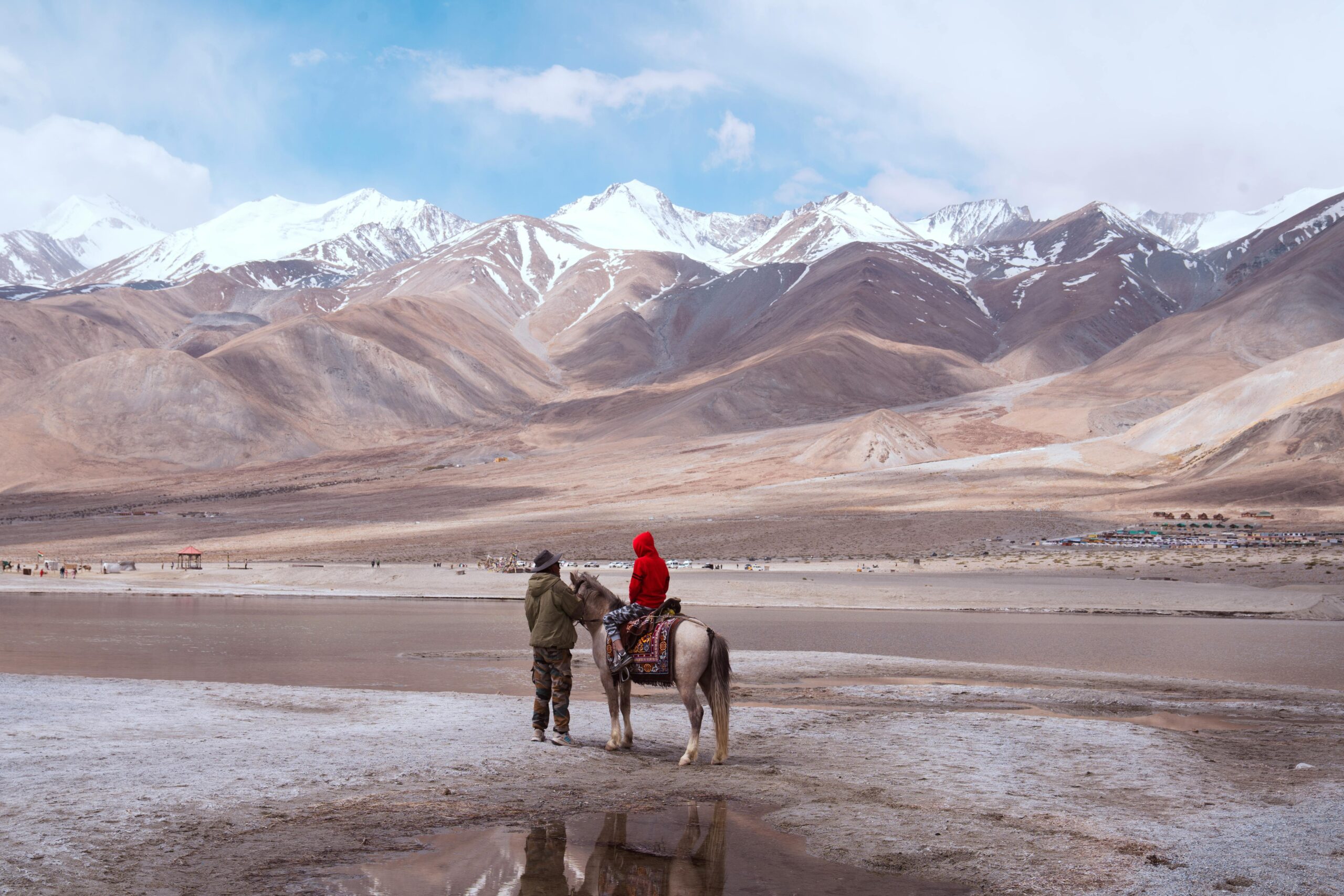
The best time to visit Ladakh depends on what you want from the trip — clear blue skies and high mountain passes, quiet valleys for trekking, or colorful local festivals. Located in northern India, Ladakh’s high-altitude desert climate creates dramatic seasonal contrasts: warm, sunny summers and bitterly cold winters with heavy snow that closes roads and airports. This guide, based on official climate and tourism data, explains Ladakh weather by month travel guide-style so you can pick the ideal window for your plans.
Below you’ll find a practical month-by-month breakdown, recommended months for different activities (trekking, road trips, photography, cultural festivals), packing and acclimatization advice, and a comparison table to help you decide at a glance. Information is drawn from regional climate records and guidance from the local tourism authority, aiming to help you plan with realistic expectations for temperature, precipitation, and accessibility.
Overview: Why timing matters in Ladakh
Ladakh lies at altitudes of roughly 2,500–5,500 meters (8,200–18,000 feet). High altitude affects temperature, oxygen levels, road accessibility and the length of the tourist season. Most attractions are accessible only in the warmer months when passes such as Khardung La, Chang La and the Manali-Leh and Srinagar-Leh highways are open. Outside those months, heavy snowfall isolates many valleys and closes key roads and some air services.
Choosing the right time reduces the likelihood of canceled itineraries, allows safer acclimatization schedules, and maximizes your chance to experience outdoor activities or cultural events. Weather varies considerably within Ladakh itself — Leh, Nubra Valley and Pangong Lake each have microclimates — so a month-by-month approach helps tailor travel plans to your priorities.
Ladakh weather by month travel guide: quick month-by-month summary
This condensed month-by-month summary gives a quick view of what to expect from January through December in Ladakh, focusing on temperature ranges, road accessibility and typical visitor activities.
January–February: Deep winter. Temperatures from -20°C to -5°C (-4°F to 23°F) at Leh; most roads and passes closed. Ideal only for experienced winter travelers or local life study; many accommodations closed.
March–April: Late winter to early spring. Temperatures slowly rise, but nights stay below freezing. Roads begin to open at lower elevations; snowfall residual on high passes. Limited services; good for low-season solitude and photography of stark landscapes.
May: Early tourist season. Leh warms to daytime highs of 10–20°C (50–68°F) but nights can still be cold. Srinagar-Leh and Manali-Leh high passes may open in May depending on snowfall clearance. Best for travelers who prefer fewer crowds and want road-trip flexibility if passes have opened.
June–August: Peak season. Warmest months with daytime highs 15–30°C (59–86°F) in Leh and valleys; clear skies, accessible passes, full range of services and excursions. Optimal for trekking, motorbiking, jeep safaris, and lake visits. Festivals occur during this period.
September–October: Late season and autumn. Stable weather, crisp air, golden-brown landscapes and reduced crowding. Daytime temperatures comfortable, nights cooling quickly. Many regard September as the single best month for balanced weather and access.
November–December: Transition to winter. Temperatures drop sharply; nights often well below freezing. By late November, road access to and from Ladakh is restricted as passes close for winter. Best avoided unless you have specific winter plans and proper cold-weather gear.
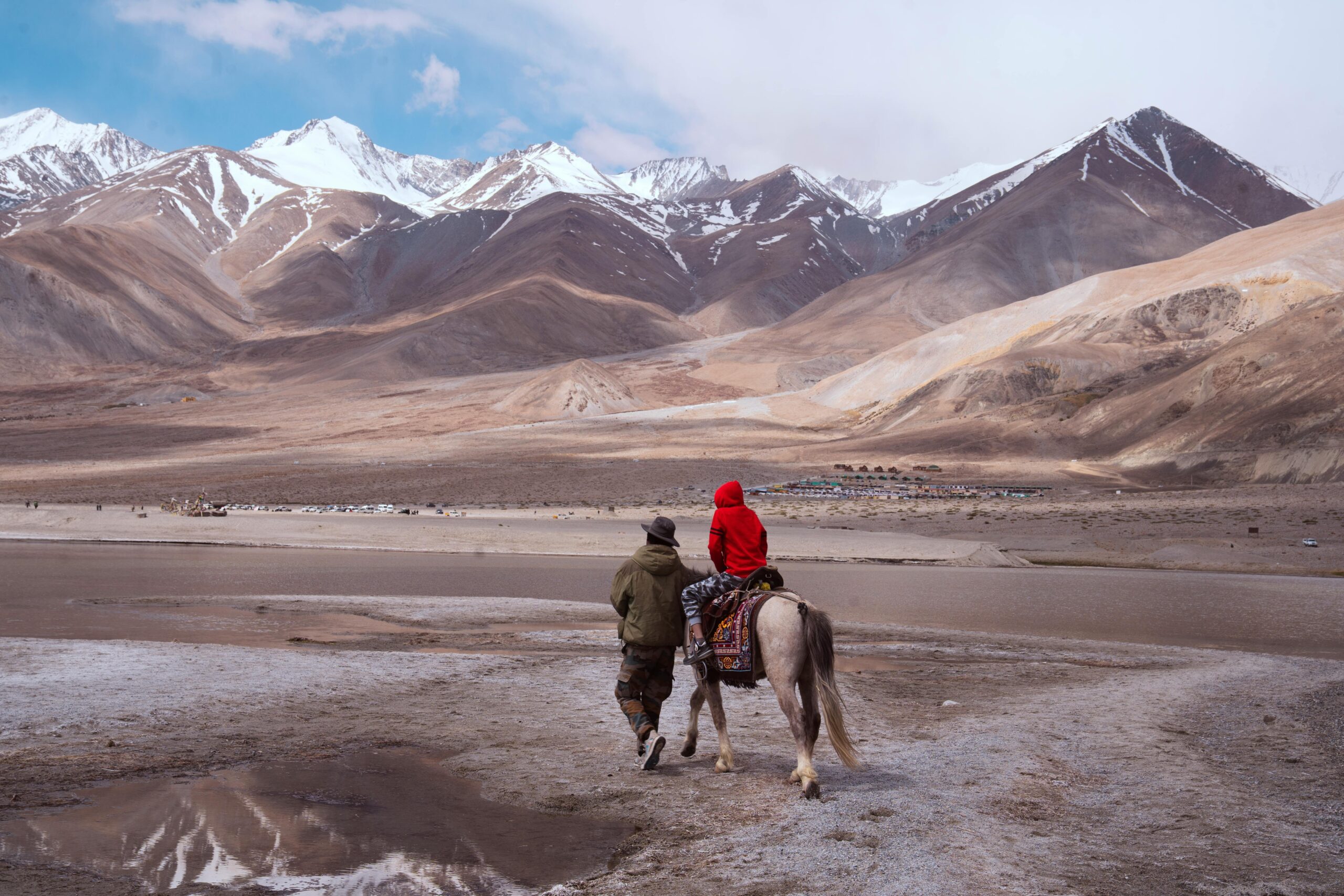
Detailed month-by-month breakdown (temperatures, conditions and activities)
Below is a more detailed look at each month. Temperatures are averages for Leh town (3,500 m) and will be colder in high passes and warmer in lower valleys. Always expect strong UV radiation, large diurnal temperature shifts, and rapidly changing mountain weather.
January: Deep winter. Average day -10°C to -5°C (14–23°F). Heavy snowfall keeps passes closed. Only a handful of hotels remain open. Activities limited to local culture, monastery visits and winter landscape photography. Not recommended for typical tourists.
February: Similar to January but gradually stabilizing. Temperatures remain very low. Prepare for ice and limited daylight hours. Road travel is risky.
March: Slowly warming; daytime highs may reach 0–5°C (32–41°F). Snow starts to clear from lower routes. Early-blooming alpine plants begin to appear in sheltered spots. Limited tourist infrastructure; plan for contingency.
April: Spring arrives in sheltered valleys. Daytime highs can hit 5–12°C (41–54°F). Pass clearance efforts accelerate. Accommodation options expand toward the end of the month. Good for pre-season road trips if passes open early.
May: Temperatures climb to 10–18°C (50–64°F) in Leh. High passes may open by late May, though conditions vary year to year. Trekking base camps start operating. Roads can still be dusty and rough due to maintenance work.
June: Warm and dry, daytime highs 15–25°C (59–77°F). Most passes open; the Manali-Leh route typically opens fully, and summer festivals begin. Popular month for motorbike and jeep travelers.
July: Mid-summer rains and thunderstorms are uncommon but not unknown; the region remains predominantly dry. Daytime temperatures similar to June. This is prime trekking season for alpine routes and long treks.
August: Warm with clear skies most days. This month still falls within the peak window for treks, high-altitude rides and lakeside camps. Expect more tourists in popular spots like Pangong Tso and Nubra Valley.
September: Daytime highs 10–20°C (50–68°F); stable weather and brilliant autumn colors in agricultural patches. The clarity of skies and lower humidity make this a top month for photographers and those seeking quieter roads.
October: Cool and dry. Nights drop quickly. By late October, some services begin to scale back for winter. Road conditions are still generally good, but weather windows narrow.
November: Cold returns, with occasional snow at higher elevations. Passes begin to close; by late November, most long-distance roads are shut. Many hotels and trekking businesses shut operations.
December: Full winter conditions with daytime temperatures often below -10°C (14°F) and nights plummeting further. Travel beyond Leh becomes restricted. Winter enthusiasts and researchers continue to visit in limited numbers.
Best months for specific activities
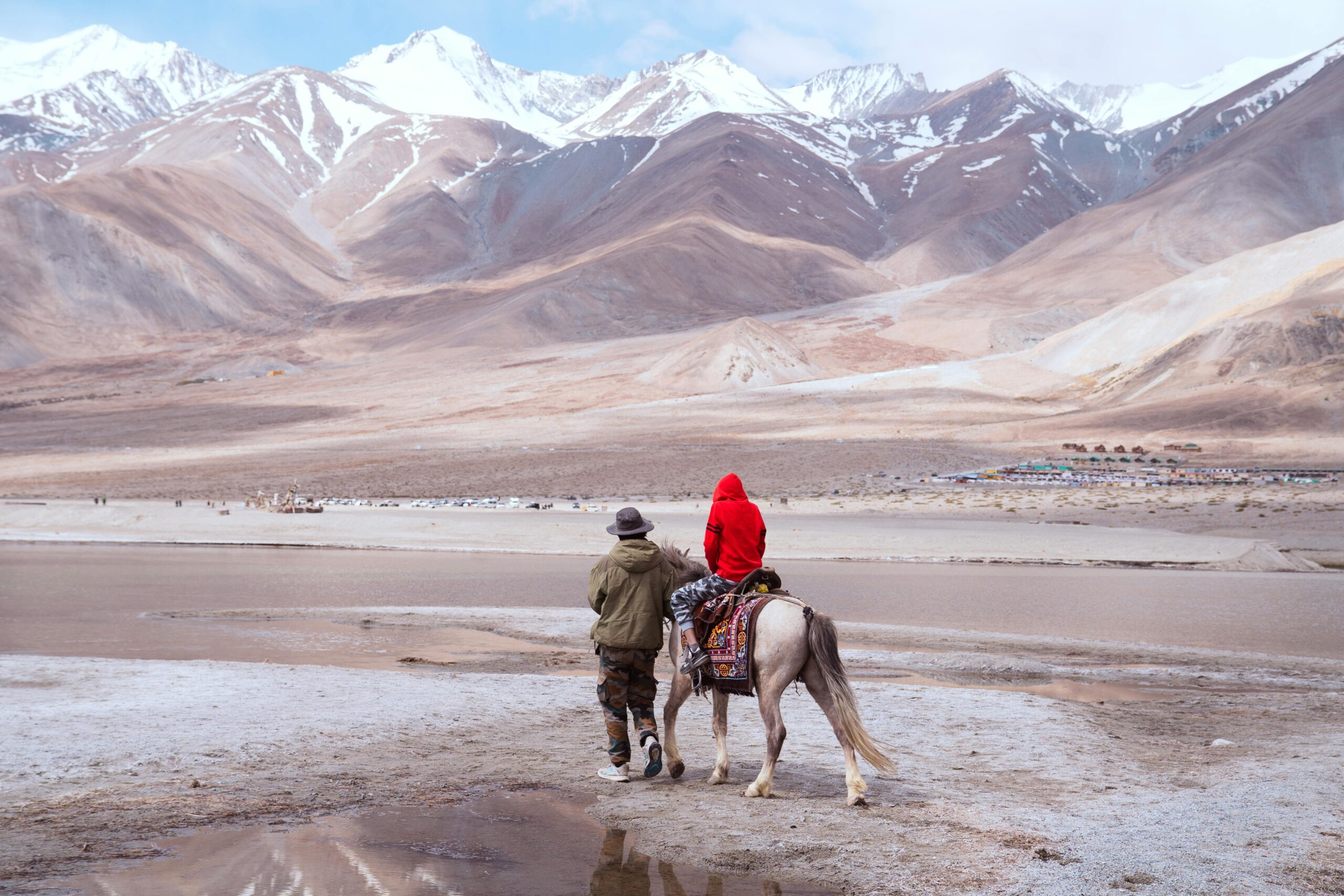
Match your travel goals to the season for the best results. The following recommendations reflect both weather reliability and local event timing.
- Trekking: June to September. Trails are free of snow and streams are manageable by July–September.
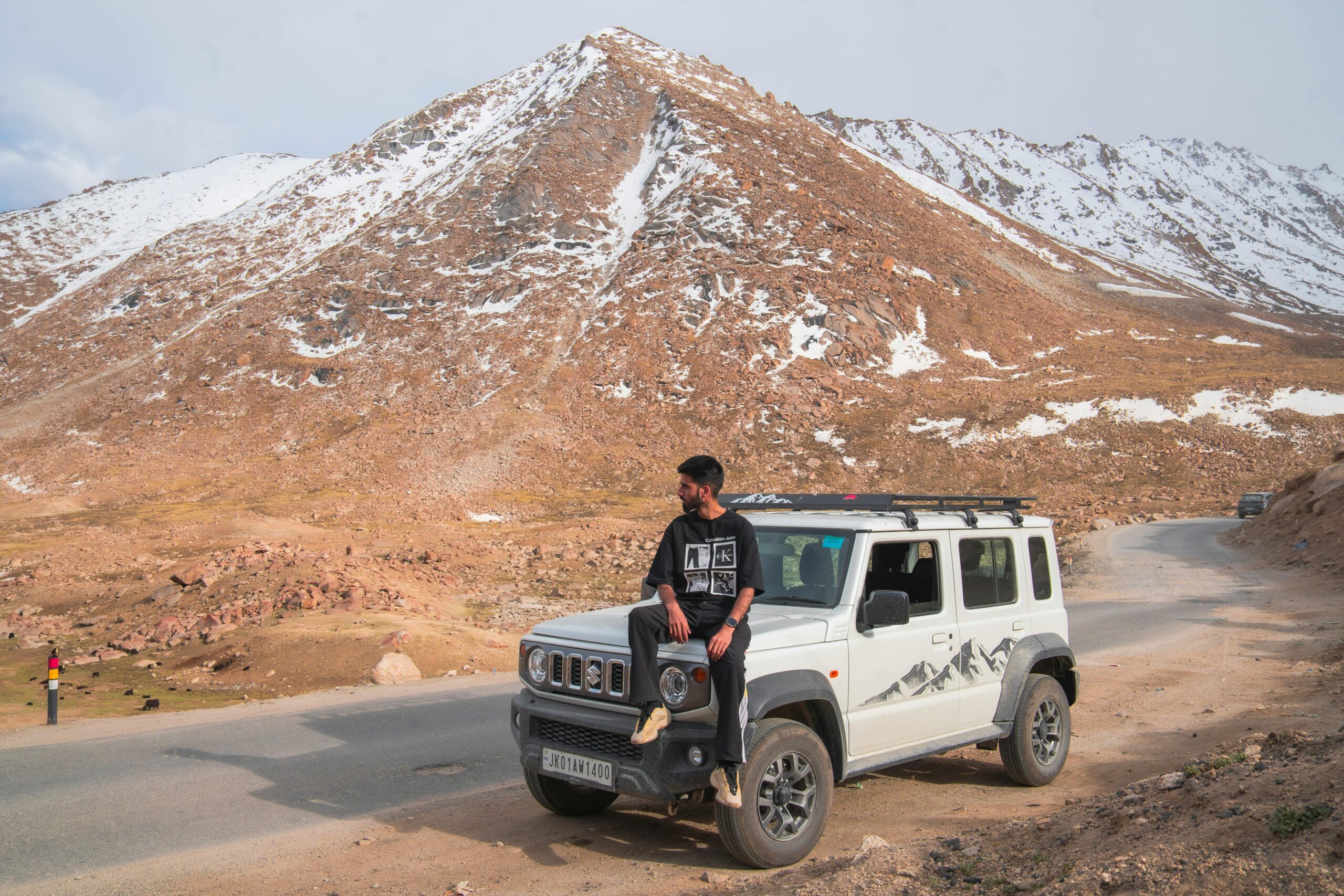
- Motorbike and road trips: June to September. Passes open and road crews have finished spring maintenance.
- Photography and stargazing: September and October for autumn colors and clear skies; mid-summer can offer dramatic monsoon-free skies too.
- Cultural festivals: Many major festivals, including Hemis and Ladakh Festival, occur between June and September; check specific dates as they follow the lunar calendar.
- Quiet solitude or budget travel: May and late September offer fewer crowds while preserving reasonable weather and services.
Packing list and acclimatization advice
High-altitude conditions require careful preparation. Even in summer, nights are cold and weather can change rapidly; bring layers, sun protection and medication for altitude sickness if you’re susceptible.
- Layered clothing: base layers, fleece, warm down jacket and windproof shell.
- Sun protection: SPF 50+ sunscreen, lip balm, sunglasses with UV protection and a wide-brimmed hat.
- Footwear: sturdy walking boots with good ankle support and warm socks.
- Health kit: basic first-aid, blister care, altitude sickness medication (consult a doctor), and hydration salts.
- Gear: reusable water bottle, headlamp, compact sleeping bag for camping trips, power bank and camera protection from dust.
Acclimatization: Spend at least 48 hours in Leh before ascending to higher passes or starting strenuous treks. Keep exertion light on the first day, drink plenty of fluids, avoid alcohol and eat light meals. Recognize symptoms of acute mountain sickness (headache, nausea, dizziness) and descend immediately if they worsen.
Comparison table: seasons at a glance
| Season | Months | Typical Weather | Best For | Accessibility |
|---|---|---|---|---|
| Winter | Dec–Feb | Very cold, heavy snow in higher passes | Winter photography, solitude | Limited; most roads closed |
| Spring | Mar–May | Cold to mild; variable snow clearance | Low-season travel, early trekking | Improving; passes open progressively |
| Summer (Peak) | Jun–Aug | Warm days, cool nights, mostly dry | Trekking, motorbiking, festivals | Fully accessible |
| Autumn | Sep–Nov | Clear skies, cool days, cold nights | Photography, quieter treks | Good early, declines by late Nov |
Practical travel considerations: permits, transport and accommodation
Permits: Indian nationals can travel freely within Leh district, but some border-adjacent areas and high-altitude valleys require Inner Line Permits (ILP) for foreign tourists. ILPs are typically obtained online or from the DC office in Leh; check official guidance before arrival to confirm required documentation.
Air and road access: Leh Kushok Bakula Rimpochee Airport operates year-round but flights are weather-dependent and can be delayed by sudden storms. The two main overland routes — Srinagar-Leh and Manali-Leh — are usually open from late May to October. If you plan a road trip, build buffer days into your itinerary for pass conditions and maintenance work.
Accommodation and booking: During peak months, rooms fill quickly in Leh, Nubra and Pangong areas. For hotels, guesthouses and camps, it’s wise to reserve early; smaller homestays and local guesthouses may have limited online presence. Use a reputable booking platform to compare options and read recent reviews before confirming your stay. See accommodation options in Ladakh
Festivals, culture and high-season highlights
Visiting during festival season adds a cultural dimension to your trip. Major events attract visitors for masked dances, processions, and monastery rituals that reflect centuries-old traditions. Hemis Monastery’s festival (usually in June or July) draws large crowds for its vibrant cham dances; other monasteries host local celebrations through the summer. Check exact dates with local tourism sources as many festivals follow lunar calendars and shift annually.
Beyond festivals, summer is when local markets buzz with trade, trekking tea houses open, and lakeside camps at Pangong and Tso Moriri flourish. For cultural immersion with fewer tourists, consider shoulder months such as May or September when services are still operational but crowds thin out.
FAQs
When is the single best month to visit Ladakh for clear skies and moderate temperatures?
September is frequently recommended as the single best month: the weather is stable, skies are clear, daytime temperatures are comfortable and many tourists have returned home after the peak summer rush. This balance makes it ideal for photography, trekking and road travel.
Is it safe to drive the Manali-Leh or Srinagar-Leh highway in May?
Road safety in May depends on winter snowfall and the speed of clearance by road crews. Some years the passes open fully in May; in other years higher passes remain snowbound until June. If you plan to drive in May, monitor local road reports, allow extra travel days, and be prepared for sections still under repair.
Can I visit Ladakh in winter if I want to see Pangong Lake frozen?
Yes, winter visitors can see dramatic frozen lakes and stark landscapes, but travel is logistically challenging. Access to Pangong and other high-altitude sites may be restricted by snow and extreme cold, and many services close for the season. Winter trips require specialist gear, a flexible schedule and local guidance.
How many days should I spend in Ladakh to acclimatize and sightsee comfortably?
Plan at least 7–10 days for a comfortable trip that allows acclimatization (spend 2–3 days in Leh before high-altitude excursions) and a couple of day trips such as to Pangong, Nubra Valley or nearby monasteries. Longer stays are recommended for multi-day treks or slower travel to minimize altitude stress.
Where can I find current permit and travel advisories for traveling to Ladakh?
Official local administration sites and regional tourism offices provide up-to-date permit requirements and travel advisories. For planning logistics and to confirm permit procedures, check the district administration portal or authoritative local sources before departure. Official Ladakh administration information
Conclusion
Choosing the best time to visit Ladakh is about aligning weather conditions with your travel goals. For most visitors seeking a balance of access, weather and cultural experiences, June to September — with September often preferred for clarity and fewer crowds — is the ideal window. May and October offer quieter alternatives with trade-offs in services and pass accessibility, while winter is reserved for specialist trips with strict logistical preparation.
Use the month-by-month breakdown in this guide to match your activities to the season, allow adequate acclimatization time, and make reservations well in advance for peak months. Proper planning lets you enjoy Ladakh’s otherworldly landscapes safely and respectfully, whether you come for high-altitude trekking, motorbike journeys, festival culture or simply the silence of the cold desert.