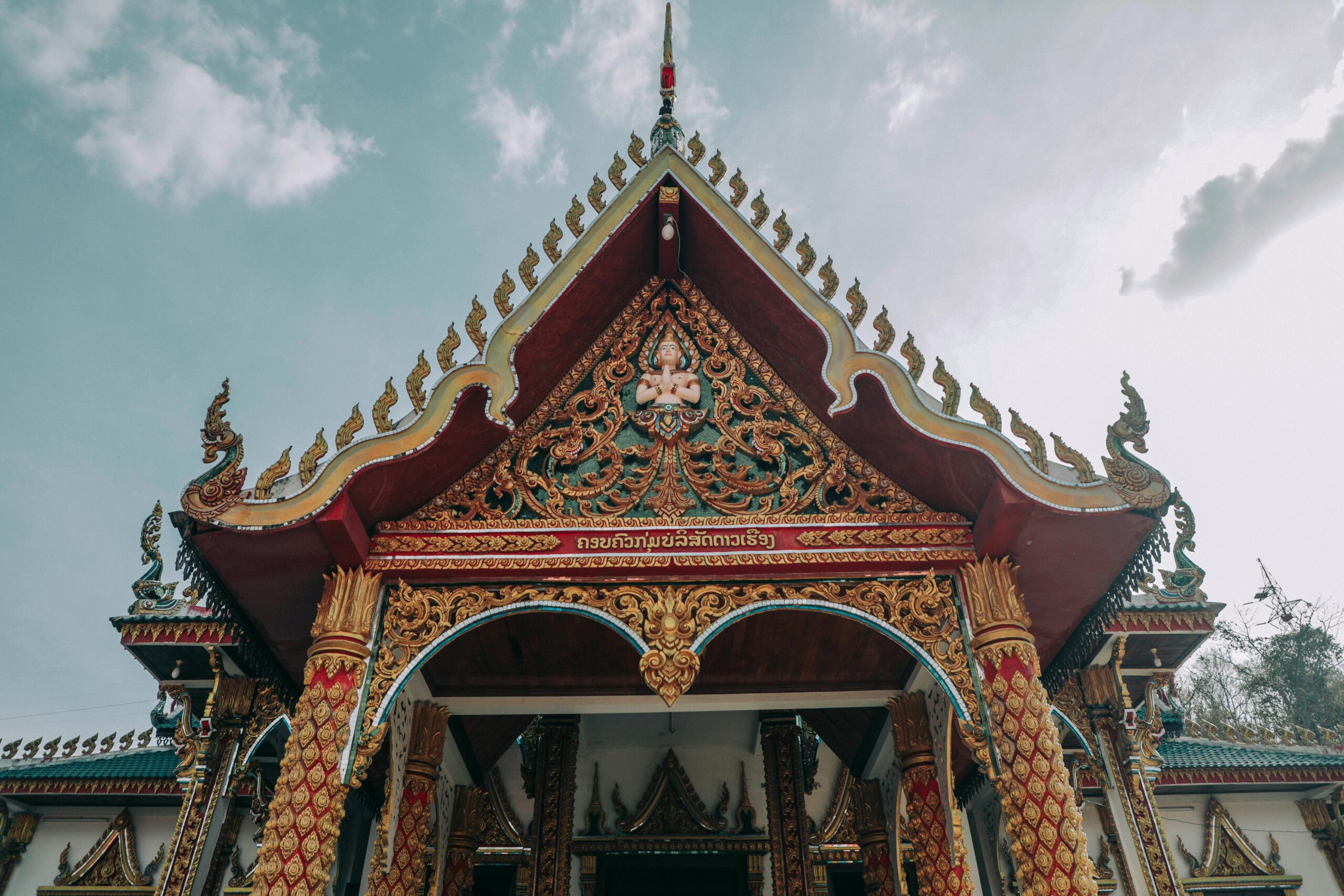
Deciding the best time to visit Laos depends on what you want to do: see misty waterfalls, float down the Mekong, explore French-colonial towns, or attend lively Buddhist festivals. This guide outlines seasonal patterns and month-by-month weather so you can plan a trip that matches your interests and energy levels. Data here is based on official climate records and tourism board information to help you pick the ideal travel window.
Laos has a distinctly tropical monsoon climate with three clear seasons—cool dry, hot dry, and wet monsoon—and marked regional variation between the north and south. Read on for a detailed Laos weather by month travel guide, regional tips, packing advice, and a compact comparison table to make planning simple.
Laos at a glance: climate, elevation and regions
Laos is landlocked and mountainous in the north with rolling plains and the Mekong River dominating much of central and southern landscapes. Elevation makes a difference: Luang Prabang and northern highlands are cooler and more temperate, while the lowland Mekong corridor and the southern plateau around Champasak and Si Phan Don (Four Thousand Islands) experience hotter, wetter conditions.
The three climate seasons are:
- Cool dry season (November–February): lower humidity, cooler nights—best for trekking and riverside sightseeing.
- Hot dry season (March–May): heat peaks in April and May before monsoon onset—great for fewer crowds but intense daytime heat.
- Wet season (May/June–October): heavy rains, lush landscapes, swollen rivers—valuable for photography, waterfalls and fewer tourists, but some rural roads can be impassable.
When is the best time to visit Laos? A seasonal overview
For most visitors the best time to visit Laos is the cool dry season from November through February. Days are sunny and comfortable, nights can be cool—especially in the north—and travel conditions are reliable. Popular festivals such as Boun That Luang (Vientiane) and end-of-year celebrations fall in this window, making it lively for cultural experiences.
If you prefer fewer tourists and a vivid green countryside, the shoulder months—late April into May and October—offer a trade-off: occasional heavy showers but significantly lower rates and greener scenery. The monsoon, while bringing travel challenges to remote areas, transforms waterfalls and rice terraces into spectacular sights for photographers and nature lovers.
Laos weather by month travel guide
Below is a practical month-by-month breakdown covering typical temperatures, rainfall patterns, and what to expect for activities and travel logistics.
January: One of the coldest months in Laos—especially in the north. Average daytime highs in Luang Prabang and Vientiane sit around 20–25°C (68–77°F) with cooler nights. Rainfall is minimal. This is peak tourist season—book ahead for key hotels and tours.
February: Similar to January, with gradually warming days and continued dry conditions. Clear skies and cool mornings make it excellent for river cruises and temple visits. Trails are dry and comfortable for hiking.
March: Temperatures begin to climb. Daytime heat becomes noticeable in central and southern Laos. Northern hills retain milder nights, but humidity rises. This is a convenient shoulder month for early-bird travelers willing to cope with warmer afternoons.
April: The hottest month for much of Laos. Inland areas can reach high 30s°C (90s°F). Pi Mai (Lao New Year) typically falls in mid-April and brings countrywide festivities, water fights in towns like Luang Prabang and Vientiane, and vibrant local ceremonies. Plan for heat during the day, and book events in advance.
May: Monsoon onset in many parts—intermittent heavy showers and rising humidity. The countryside turns lush and rice paddies flood; waterfalls swell. Ferry crossings can be more active due to higher river flows; road access to remote areas can be patchy but primary routes generally remain passable.
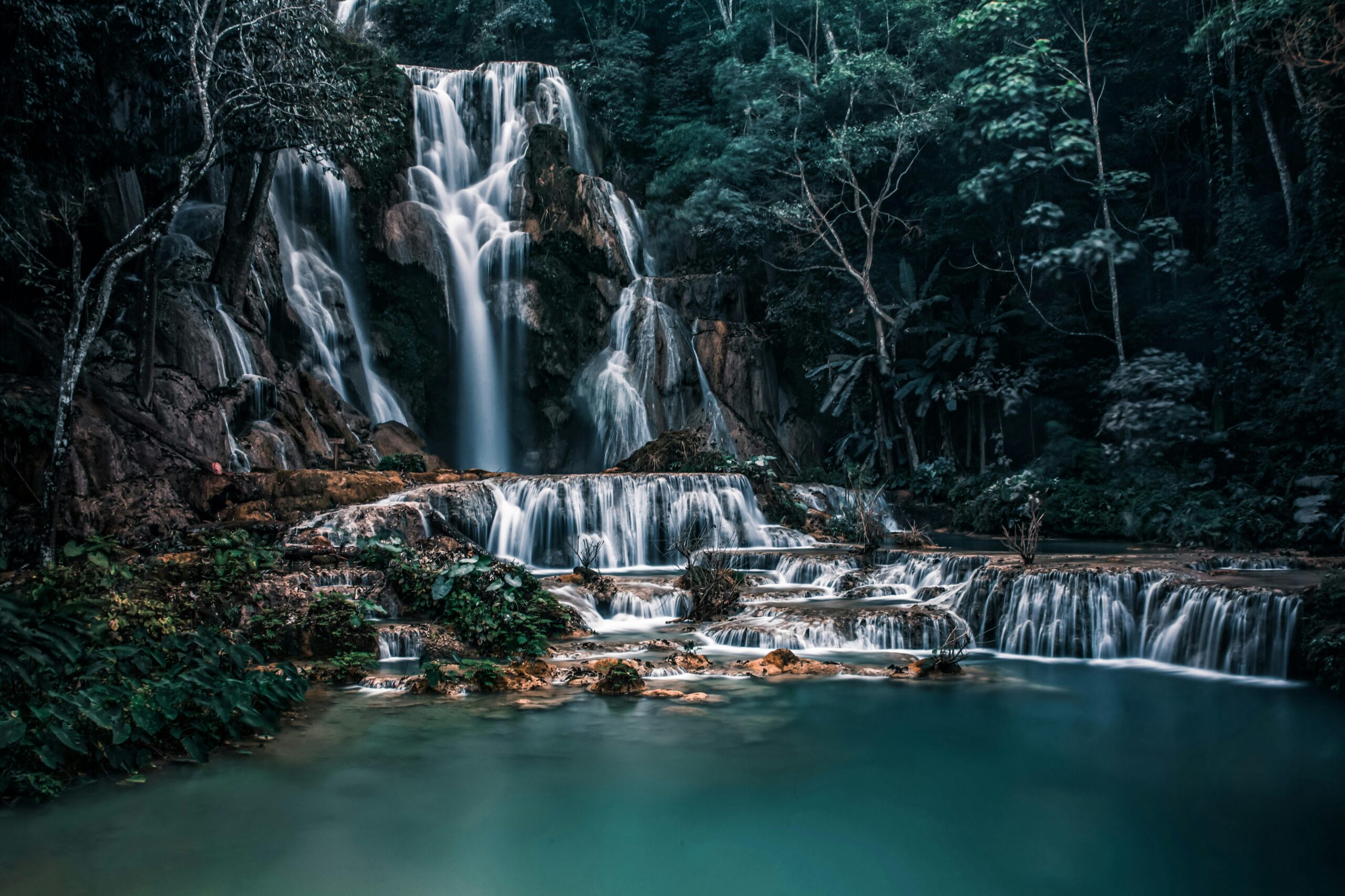
June: Wet season in full effect across much of Laos. Expect daily rainfall, often intense in late afternoon. Rivers rise and rural tracks may be muddy. This is peak season for dramatic waterfall viewing (Kuang Si near Luang Prabang, Tad Fane in the south) and for photographers seeking saturated greens and misty scenes.
July: Heavy rains continue though there are still sunny breaks. Humidity is high and mosquito activity increases—bring repellant and light long-sleeved layers for evenings. Local boat transport remains functional along major rivers, but exercise caution if planning river crossings during storms.
August: Similar to July; some regions experience their heaviest rains. Many travelers avoid remote overland journeys due to flooded lanes. If you prioritize quiet attractions and lush landscapes, this can be rewarding—but be flexible with plans.
September: Still within the wet season but rainfall typically begins to decrease toward the end of the month. The Mekong can be at high level, affecting boat schedules to islands and riverbank communities. Prices are generally lower and cultural sites are less crowded.
October: The rains taper off and skies clear progressively. Late October is a pleasant shoulder month—green landscapes remain, but roads and trails dry, restoring easier access to remote areas. It’s an ideal time for photography and outdoor activities without the crowds.
November: The cool dry season begins, bringing crisp mornings and stable weather. Tourist season ramps up. Ideal for multi-region itineraries combining Luang Prabang, Vientiane, and southern river islands.
December: One of the best months for most visitors. Clear skies, moderate daytime temperatures, and cooler nights. Perfect for trekking, river cruises, and exploring temples. Popular destinations can be busy—reserve accommodations early.
Regional highlights and where to go by season
Match destinations to seasons for the best experience:
- Luang Prabang (north): Best in cool dry season (Nov–Feb) for comfortable days and cultural festivals; late rainy season (Sep–Oct) is excellent for lush scenery and fewer tourists.
- Vientiane (central): Comfortable between November and March; city sightseeing and riverbank cafes are most enjoyable in the cool season.
- Pakse and Southern Plateau (Champasak, Si Phan Don): Hot dry season can be intense; visit during the cool dry season or in the shoulder months for calmer travel and active waterfalls.
- Trekking areas and highlands: The cool season provides clear trails and safe conditions; avoid deep-rain months when mountain tracks can be slippery and exposed.
For live availability and a sense of hotel options across regions, you can search for hotels in Laos and compare locations close to rivers, markets, and trekking hubs.
Planning tips: transportation, festivals, and packing
Getting around: Primary gateways (Vientiane, Luang Prabang, Pakse) are well-connected by domestic flights and long-distance buses. Overland travel to rural areas can be slow; consider private transfers for comfort during the shoulder and wet seasons. Boat travel on the Mekong is a highlight—schedules can shift with river levels, so check locally.
Festivals: Major cultural events influence travel patterns. Pi Mai (mid-April) is celebratory but hot; Boun That Luang (usually Nov) in Vientiane and local boat races (various dates) draw crowds and offer immersive experiences. If you plan to attend, block extra time around festival dates to avoid last-minute transport or lodging shortages.
Packing essentials by season:
- Cool dry season: light layers, a warm fleece for northern nights, sturdy walking shoes, sunscreen.
- Hot season: breathable clothing, sun hat, electrolyte tablets and plenty of water for daytime heat.
- Wet season: waterproof jacket, quick-dry clothing, mosquito repellent, and waterproof bags for electronics.
For convenience when you arrive and to handle last-minute itinerary changes, many travelers browse accommodation reviews and flexible cancellation options on popular booking platforms; you can book accommodation across Laos to compare properties and policies.
Comparison table: month-by-month at a glance
| Month | Typical weather | Best for | Notes |
|---|---|---|---|
| January | Cool, dry | Temples, trekking | Peak season; book early |
| February | Dry, warming | River cruises, culture | Good travel conditions |
| March | Warmer, low rain | Shoulder season travel | Prepare for heat |
| April | Hot, festivals | Pi Mai celebrations | Very hot; water festivals |
| May | Start of rains | Waterfalls, fewer tourists | Variable road conditions |
| June | Wet, humid | Lush landscapes | Travel flexibility needed |
| July | Heavy rains | Photography, low rates | Remote areas may be off-limits |
| August | Wet | Green season | High humidity, mosquitoes |
| September | Decreasing rain | Green landscapes, bargains | Improving road access |
| October | End of rains | Outdoor activities | Great balance of green scenery & access |
| November | Cool, dry | All-around travel | Start of high season |
| December | Cool, clear | Trekking, temples | Busy; book ahead |
How to choose the best month for your trip
Answer these questions to select the best month:
- Do you prefer festivals and guaranteed dry weather? Aim for November–February.
- Are you a photographer or nature lover who wants lush landscapes and dramatic waterfalls? Consider the late monsoon or early post-monsoon months (September–October).
- Do you want fewer crowds and lower prices? Travel in the shoulder months (May or October) or during the wet season if you are comfortable with occasional travel disruption.
Also weigh health and comfort considerations: heat in April and May can be intense; hydration and sun protection are critical. During the monsoon, rural roads and some trekking routes can be hazardous; travel insurance that covers delays and changes is advisable.
FAQs
What is the single best month to visit Laos if I want good weather and fewer crowds?
Late November through early December offers a sweet spot: the rains have ended, skies are clear, temperatures are pleasant, and before the peak holiday rush later in December. This window balances good weather and manageable visitor numbers.
Is Laos accessible during the rainy season?
Yes—major towns and popular tourist routes remain open during the rainy season, but expect periodic disruptions. Secondary roads can be muddy or flooded, rural homestays may be harder to reach, and river travel can be affected. If you travel in this period, keep flexible plans and allow extra travel time.
When should I visit Laos for festivals and cultural events?
Pi Mai (Lao New Year) in mid-April is the most widely celebrated event with lively street festivities. Other cultural celebrations occur throughout the year, often linked to Buddhist calendars—check local listings for dates as they change annually.
Which region of Laos is warmest year-round?
The lowland Mekong corridor and southern provinces (around Pakse and Si Phan Don) are generally warmer year-round than the northern highlands. If you prefer consistently warm weather, southern Laos will feel hotter and more humid, especially from March to May.
How should I prepare for mosquitoes and tropical illnesses?
Bring insect repellent with DEET or similar active ingredients, wear light long-sleeved clothing in the evenings, and sleep under a mosquito net where available. Consult a travel clinic before departure for recommended vaccinations and malaria prophylaxis if you plan extended stays in rural or forested areas.
Conclusion
Choosing the best time to visit Laos depends on whether you prioritize reliable dry weather, fewer crowds, cultural festivals, or lush green landscapes. For most travelers, November to February delivers the most comfortable conditions for sightseeing, trekking, and river activities. If you prefer dramatic scenery and lower costs, consider the shoulder months or even the wet season, but build flexibility into your itinerary. Use month-by-month details in this guide, regional considerations, and the comparison table to match weather patterns to your travel goals and create a rewarding Laos trip.