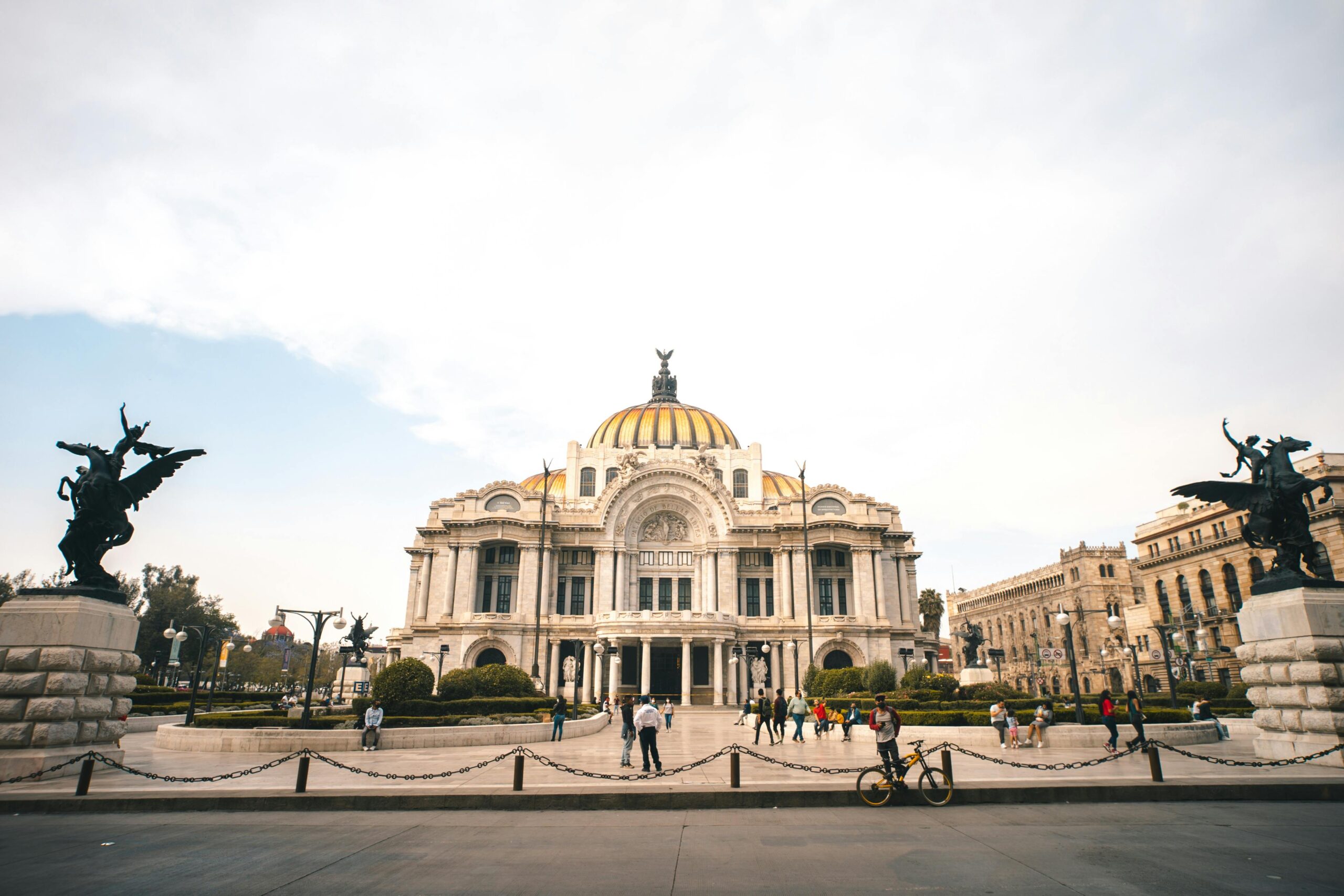
Deciding on the best time to visit Mexico depends on what you want from the trip: sun-drenched beaches, cultural festivals, whale watching, or cool highland streets in bloom. Whether you’re planning a beach holiday, a city break, or exploring archaeological sites, understanding seasonal patterns makes a big difference. This guide uses official climate data from national weather authorities and tourism boards to show when conditions are most favorable across Mexico.
Below you’ll find a month-by-month breakdown, regional variations, event highlights, practical planning advice and a comparison table to help you choose the ideal window for your trip. The section titled “Mexico weather by month travel guide” delivers detailed monthly expectations so you can match weather, crowds and costs to your priorities.
Why timing matters for travel in Mexico
Mexico spans multiple climate zones: arid deserts in the north, temperate highlands in the center, tropical Caribbean and Pacific coasts, and humid rainforest in the south. That diversity means a single travel season doesn’t fit all destinations. For example, the dry season brings ideal beach conditions to the Yucatán and Pacific coasts, while Mexico City is most pleasant in spring and autumn when temperatures are moderate and skies are clear.
Beyond temperature and rainfall, timing affects visibility for activities (snorkeling, diving, whale-watching), the probability of hurricane disruption on both coasts during certain months, and local events that can dramatically alter availability and prices. Choosing the best time to visit Mexico balances weather, crowd levels, budget and events.
Mexico weather by month travel guide
Here’s a concise, month-by-month overview of typical conditions across Mexico. These guidelines reflect long-term climate averages and official meteorological observations; always check current forecasts before traveling.
January: Cool to mild in highlands (Mexico City 10–22°C / 50–72°F), warm in Cancun and Pacific resorts, low rainfall on both coasts. Great month for winter sun without intense humidity; popular with international visitors.
February: Similar to January with slightly warmer days in many coastal destinations and continued dry conditions. Whale watching begins in Baja California and peaks through March.
March: Spring-like warmth spreads inland; Mexico City sees comfortable temperatures and minimal rain. Semana Santa (Holy Week) falls in March or April some years—expect higher prices and crowded beach resorts.
April: One of the driest months for much of Mexico; warm days and cool nights in central highlands. A very popular time for travel because it combines sunshine with moderate humidity before the summer heat.
May: Transitional month—temperatures rise and humidity increases, especially in lowland and coastal areas. Rainstorms begin to appear late in the month in many regions as the wet season approaches.
June: Start of the rainy season across most of the country (May–October). Afternoon and evening showers become frequent. Pacific and Caribbean coasts are warm; hurricane season is active from June through November, with risk peaking in late summer.
July: Warm and humid with regular afternoon thunderstorms, especially in southern and coastal areas. If you plan beach time, mornings are often clear and pleasant but expect more frequent disruptions as the month progresses.
August: Hot and humid; rains continue. Hurricane risk remains. Inland highlands are slightly cooler but still wet. This is one of the lower-priced months at major resorts due to weather uncertainty and school schedules.
September: Typically the wettest month for much of Mexico, particularly the Caribbean coast and southern regions. Coastal flooding and stormy weather are possible; maritime activities and ferries can be affected by tropical systems.
October: Rain begins to taper, and humidity drops by late October. This is a transitional month that offers a good balance—resorts start to re-open fully, and the chance of hurricanes declines as the season winds down.
November: One of the best months to travel—dry season is underway in many destinations, temperatures are pleasant, and crowds are generally lower than December–January. Daylight remains generous for sightseeing.
December: Dry and mild in most regions; beaches are sunny and warm. Expect peak travel during Christmas and New Year’s—book early for resorts and flights. Central Mexico can be cool at night but comfortable during the day.

Regional variations — when to visit Mexico’s main destinations
Because Mexico’s climate varies widely with altitude and latitude, consider regional timing rather than a single national “best time.” Below are recommended windows by region based on typical weather, crowds and optimal activities.
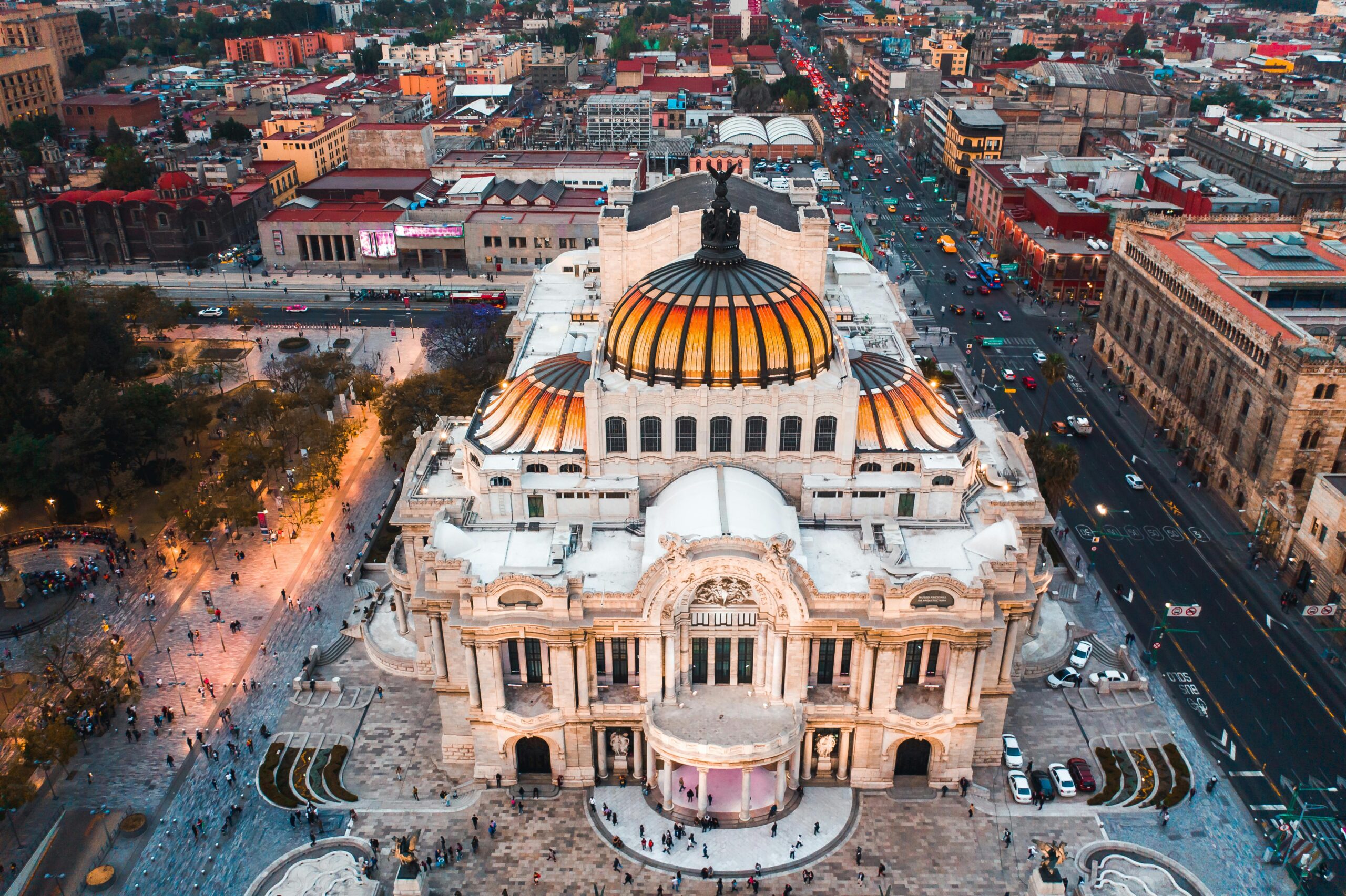
Mexico City and the central highlands (including Puebla, San Miguel de Allende, Guanajuato): Best in late October–April. These months provide cool, dry conditions ideal for walking tours and cultural visits. Rainy season (May–September) brings afternoon storms but also fewer tourists and lush scenery.
Yucatán Peninsula and Caribbean coast (Cancún, Playa del Carmen, Tulum): Best in November–April for dry, warm weather and clear water for snorkeling and diving. Hurricane season (June–November) means risk through October; late November often marks a reliable return to calmer seas.
Pacific coast (Puerto Vallarta, Acapulco, Oaxaca coast): November–May is generally drier and ideal for beach time. The rainy season (May–October) brings high humidity and heavy afternoon rains. Whale-watching on the Pacific side (Baja) peaks in January–March.
Baja California (Cabo San Lucas, La Paz): Prime months are November–April for warm, dry weather and excellent whale-watching (January–March). Summers are hot and can be influenced by tropical storms in the eastern Pacific.
Southern Mexico (Oaxaca, Chiapas): Best in November–April when rainfall subsides and highland temperatures are pleasant. The wet season brings dramatic landscapes and lower prices, but heavy rains can limit access to remote sites.

Festivals, crowds and holiday timing
Festivals and holidays are major factors that change the travel experience. Major draws include Day of the Dead (Día de los Muertos, early November), Semana Santa (Holy Week, dates vary in March/April), Independence Day (September 16) and large cultural festivals in Oaxaca and Mérida. These events offer unforgettable cultural experiences but also increase local demand for accommodation and services.
Peak international travel occurs in late December–early January and during Semana Santa. If you seek lower prices and fewer crowds, consider shoulder months such as late October–early November (after hurricane season) or February–March (before spring break peaks). For wildlife viewing—like humpback whales in Baja—plan to coincide with the local wildlife season even if it’s busier.
Planning tips: booking, packing and avoiding weather pitfalls
Book flights and lodging early for holiday periods and peak months, and consider flexible tickets if traveling during hurricane season. For beach properties and popular boutique hotels, availability can vanish months in advance for winter holidays. To research current availability, you can search hotels and vacation rentals across Mexico and compare options by dates.
Packing should reflect regional differences: lightweight, breathable clothes and sun protection for coastal and lowland areas; layers and a light jacket for central highlands and evenings; rain gear for May–October. If you’re traveling during the wet season, bring quick-dry clothing and waterproof footwear for excursions in rural areas.
When traveling to hurricane-prone months, have travel insurance that covers weather-related disruptions, monitor official advisories, and book accommodations with clear cancellation or rebooking policies. Many coastal resorts offer rain-check flexibility during peak storm season.
Quick comparison: best months at a glance
This table highlights the most traveler-relevant trade-offs by month to help you compare weather, crowd levels and activity suitability at a glance.
| Month | Typical Weather | Best For | Considerations |
|---|---|---|---|
| Jan | Dry; cool highlands, warm coasts | Beach escapes, city sightseeing | High demand after New Year |
| Feb | Dry; mild | Whale watching (Baja), quiet beaches | Good visibility for diving |
| Mar | Warming; mostly dry | Cultural trips, festivals | Semana Santa can be crowded |
| Apr | Warm; low rain | Beach + inland touring | Peak spring travel weeks |
| May | Warming; start of rains | Lower prices, green landscapes | Afternoon storms start |
| Jun–Aug | Hot, humid; rainy | Budget beach travel, festivals | Hurricane season risk; afternoon storms |
| Sep | Wettest month | Lower prices, fewer tourists | High storm activity; limited visibility for diving |
| Oct | Transition to dry | Shoulder-season travel | Better late-month weather |
| Nov | Dry returns; mild | Cultural festivals, comfortable touring | Day of the Dead draws visitors |
| Dec | Dry; warm coasts | Holiday travel, beach getaways | Book well in advance |
For official travel recommendations and seasonal event calendars, check resources published by national tourism authorities which provide current visitor information and seasonal highlights. The national tourist portal offers practical information about events, attractions and safe travel planning that complements climate data and local advisories: official Mexico tourism site.
FAQs
When is the best time to visit Mexico for beach weather?
For the clearest, sunniest beach weather, aim for November through April. These months typically bring lower humidity, calmer seas and minimal rainfall across the Yucatán and Pacific coasts. If you want warm water and fewer tourists, late October–early November can be a good shoulder-season choice after hurricane season ends.
How does hurricane season affect travel plans?
Hurricane season runs from June through November. Risk peaks from August to October. If traveling then, plan flexible reservations, buy travel insurance that covers weather disruptions, and monitor official meteorological advisories. Many travelers avoid the risk by choosing November–April for coastal vacations.
When is the best time to visit Mexico City?
Late October to April is generally the most pleasant time to visit Mexico City—cool, dry and ideal for walking tours. Spring (March–April) is also pleasant and coincides with blooming jacaranda trees in some neighborhoods. The rainy season (May–September) brings warm afternoons and short, heavy showers.
Is winter a good time to visit Mexico for families?
Winter—especially December through February—works well for families who want reliable beach weather and school-holiday travel. Keep in mind Christmas and New Year holiday periods are the busiest and most expensive, so early booking is essential. For less crowded travel, consider late November or late January–February.
How should I pack for a trip that includes both highlands and coast?
Pack versatile layers: light shirts and sun protection for the coast, a warm sweater or jacket for highland evenings, comfortable walking shoes, and a compact rain jacket if traveling May–October. Sunscreen, a hat and insect repellent are useful year-round in many regions.
Conclusion
Choosing the best time to visit Mexico comes down to matching weather patterns with the experiences you want: dry-season months (November–April) offer the most consistent beach and sightseeing conditions, while shoulder months like late October and May can deliver lower prices and fewer crowds. If you prioritize wildlife seasons—whale-watching in Baja, for example—schedule travel around those windows even if the region is busier.
Use the month-by-month guide and regional breakdown above to plan the right window for your itinerary. Book accommodations early for peak dates, prepare for seasonal variability with flexible plans and appropriate packing, and consult local meteorological and tourism resources as your trip approaches to confirm current conditions.