Deciding the best time to visit Munich depends on what you want from the trip: warm beer garden afternoons, festive Christmas markets, or the unique spectacle of Oktoberfest. If you’re planning around weather, crowds, and cost, understanding seasonal patterns will help you pick the ideal window for your visit.
This guide breaks down Munich’s seasons, typical Munich weather, how Munich travel cost varies through the year, and what to expect during the city’s busiest tourist season. Use these practical tips to plan an enjoyable and well-timed trip.
Why timing matters for a Munich trip
Munich’s character shifts dramatically with the seasons. Late spring and early fall bring mild temperatures and outdoor life, while high summer sees festival activity and heavier crowds. Winter transforms the city with festive markets and snow, but colder weather and shorter daylight can make outdoor sightseeing less comfortable. Choosing when to visit affects your experience more than in many other European cities because Munich’s cultural calendar is highly seasonal.
When you plan, think beyond temperature: event schedules (Oktoberfest, Fasching/carnival, Christmas markets), museum opening times, and transport demand all influence the quality and cost of your stay. Knowing typical crowd cycles and local rhythms helps you avoid disappointment and make the most of local attractions.
Best months to visit Munich — month-by-month guide
Late April to early June is one of the best windows for most travelers: parks and gardens burst into bloom, outdoor cafés open up, and daytime temperatures are pleasant without peak-summer crowds. September and early October offer similarly pleasant weather combined with cultural highlights, most notably Oktoberfest (late September–first weekend in October every year), which is a draw for many but also a reason to plan ahead.
July and August are warmest, great for beer gardens and open-air events, but expect higher accommodation prices and longer lines at attractions. If you prefer festive atmosphere, late November through December brings charming Christmas markets and seasonal specialties, though the cold and earlier nightfall change how much you can comfortably do outdoors.
For quieter visits, consider January through March. These months are low season for tourism, with fewer crowds and lower Munich travel cost, but you’ll need to be prepared for chillier Munich weather and some attractions operating reduced hours.
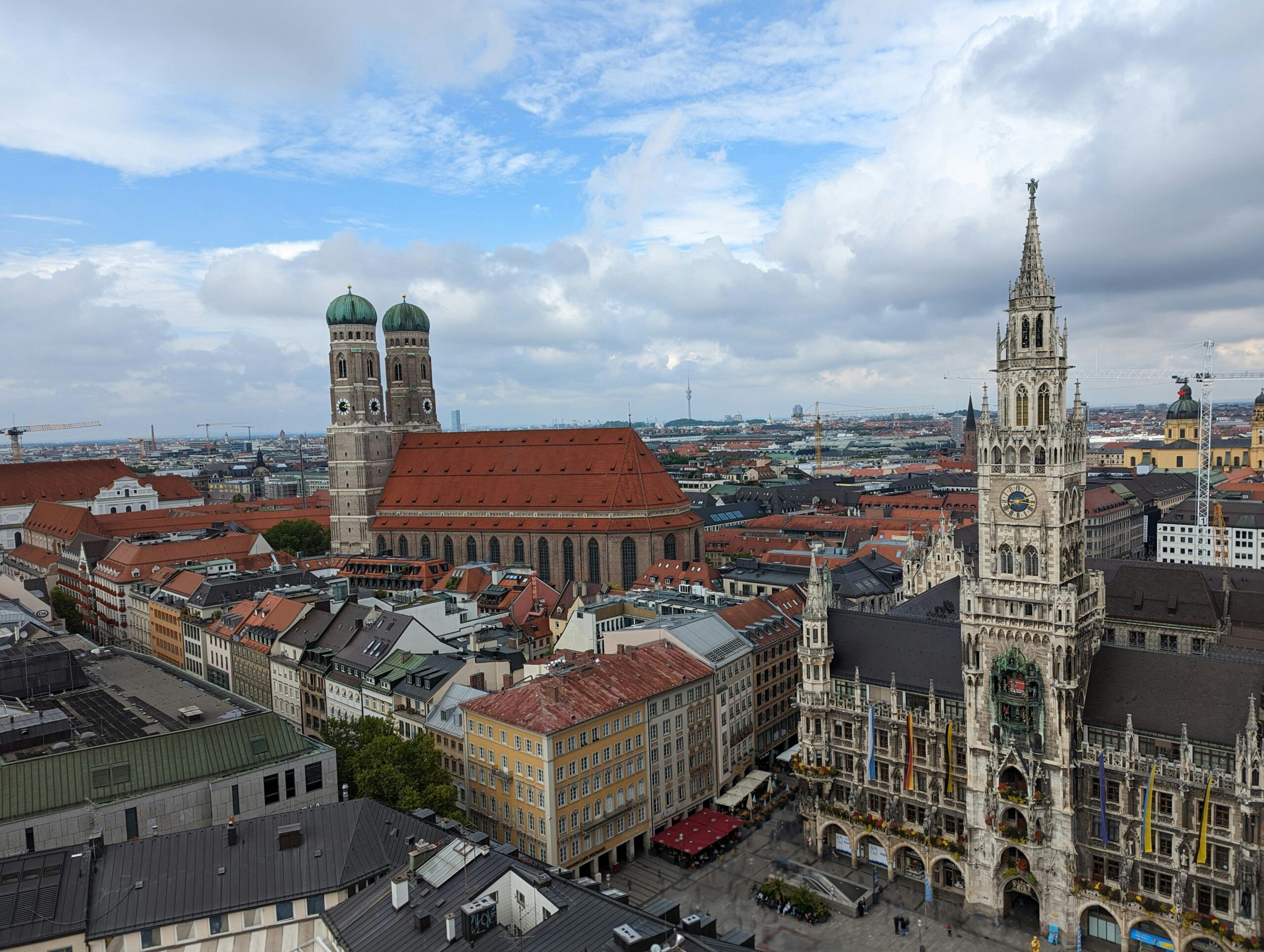
Munich weather by season and what to expect
Understanding Munich weather helps you pack and schedule activities. Spring (March–May) can be changeable: cool mornings and warm afternoons are common, so layers are essential. Summer (June–August) typically sees daytime highs between 22–28°C (72–82°F), occasional heat waves, and short, sharp thunderstorms.
Autumn (September–November) brings crisp air and colorful foliage. Early autumn is ideal for walking tours and vineyards just outside the city. Winter (December–February) is cold—temperatures often fall below freezing—and snow is possible, creating picturesque streets but colder conditions for sightseeing. Rain is spread throughout the year, with summer thunderstorms and spring showers as typical patterns.
Packing list and practical outdoor tips
Pack for layers year-round in Munich because daytime temperatures can vary significantly. A lightweight waterproof jacket, comfortable walking shoes, and a small umbrella will cover most situations. If you travel in winter, bring an insulated coat, hat, gloves, and warm footwear. For summer, include breathable fabrics and a light sweater for cooler evenings.
When planning outdoor activities, check sunrise and sunset times as daylight hours shrink in winter. For high-season festivals and markets, bring a small reusable bag for purchases and a portable charger—events often involve long walks and photo opportunities.
Budgeting: Munich travel cost and how it changes by season
Munich travel cost fluctuates with the tourist calendar. High season (June–August and late September during Oktoberfest) typically means higher hotel rates, pricier flights, and more demand for tours. Booking accommodations and tickets well in advance is advisable during these months to secure reasonable rates and availability. For lodging searches, consider using a trusted booking site to compare options before finalizing plans: find Munich hotels and apartments.
Shoulder seasons—late spring and early autumn—often provide the best value: comfortable weather with moderated prices. In low season, especially January through early March, you can find bargains on hotels and some attractions while enjoying shorter lines. Aside from lodging and flights, budget for public transport (an efficient U-Bahn/S-Bahn network), occasional taxi rides, meals in biergartens, and entry fees to popular sites like the Residenz or Deutsches Museum.
Events and crowd planning: Munich tourist season explained
Munich tourist season peaks at a few predictable times. The summer months bring international visitors for city sightseeing and day trips into Bavaria. Oktoberfest draws huge crowds for about 16–18 days, vastly increasing demand in the city; any travel during that period should be booked months ahead. December’s Advent season produces romantic Christmas markets that attract regional and international visitors, though typically less crowded than Oktoberfest.
If you want to experience cultural events with fewer tourists, plan weekday visits rather than weekends and aim for early morning entries to museums and palaces. For outdoor attractions like the English Garden, local routines are evident—mornings and late afternoons are popular for jogging and relaxation—so mid-day can be quieter for strolling and photos.
Best times by traveler type (families, budget travelers, event-goers)
Families often prefer late spring and early autumn when weather is mild, attractions are open, and crowds are manageable. Budget travelers should target January–March for lower prices and the chance to find discounted museum passes and hotel deals. If your goal is to attend a signature event—Oktoberfest or the Christmas markets—book as early as possible and expect a premium for hotels and flights.
Solo travelers and those seeking cultural depth may appreciate shoulder seasons when local life is more visible, and you can squeeze in day trips to nearby towns like Salzburg or Neuschwanstein without peak-season crowds. Whatever your travel style, aligning your priorities with Munich’s seasonal rhythm will make a big difference in satisfaction and cost.
FAQs
When is the warmest time to visit Munich?
The warmest months are July and August, with average daytime highs often in the mid-20s Celsius (70s–80s Fahrenheit). Expect occasional heat waves and short thunderstorms.
Is Oktoberfest the best time to visit Munich?
Oktoberfest is a world-famous cultural experience but attracts very large crowds and high prices. Visit during the festival only if you want the atmosphere and are willing to plan and book months in advance; otherwise, consider shoulder seasons for a quieter visit.
How much should I budget per day in Munich?
Daily costs vary by travel style. Budget travelers can manage on €60–€100 per day with hostels or budget hotels, public transport, and inexpensive meals. Mid-range travelers should budget €120–€220 per day for a comfortable hotel, restaurants, and some paid attractions.
Are Munich’s Christmas markets worth visiting?
Yes. Munich’s Christmas markets are atmospheric and offer traditional foods, crafts, and seasonal entertainment. Expect cold weather, but the festive lighting and stalls make for memorable evenings—particularly around Marienplatz and the medieval market at Wittelsbacherplatz.
Can I find cheaper accommodation outside peak seasons?
Yes. Accommodation prices are generally lower in winter (January–March) and can be more affordable in late autumn excluding the Christmas market period. Booking short-term stays during these months often yields better deals and more flexible booking conditions.
Conclusion
Choosing the best time to visit Munich comes down to balancing weather preferences, event priorities, and budget. For most visitors, late spring and early autumn offer the best combination of pleasant Munich weather, manageable crowds, and reasonable Munich travel cost. If you want festivals or seasonal markets, plan and book ahead to secure lodging and transport. With a little timing and preparation, Munich delivers excellent cultural experiences year-round.
When you’re ready to lock in accommodations, it’s wise to compare options and read recent reviews to match location and amenities to your itinerary—this helps ensure a smooth, enjoyable trip that makes the most of Munich’s many seasonal offerings.