The best time to visit Salzburg depends on what you want to see and do: music festivals and green alpine landscapes in summer, crisp snow and Christmas markets in winter, or quieter shoulder seasons for lower prices and mild weather. This guide breaks down Salzburg weather, crowd patterns, travel costs and practical tips so you can pick the ideal month for your trip.
Whether you’re planning a city break focused on Mozart and baroque architecture, a base for day trips into the Alps, or a visit timed for festivals, this article explains the trade-offs of each season and offers month-by-month guidance to help you plan confidently.
When to go: seasonal overview
Salzburg’s climate and activity calendar create distinct travel experiences across the year. Summers (June–August) are warm and lively, with long daylight and outdoor concerts; autumn (September–November) brings milder temperatures, colorful hillsides and fewer tourists; winters (December–February) deliver festive markets and snowy scenery; and spring (March–May) offers blooming parks and lower rates before the high season ramps up.
If you prioritize warm weather and many cultural events, aim for July and August. If you prefer smaller crowds and better value, consider late April–May or September–October, when the Salzburg tourist season eases and hotels are less expensive.
Salzburg weather by month and what to expect
Understanding Salzburg weather month-by-month helps you pack appropriately and plan outdoor activities. Average temperatures and precipitation vary with elevation, but the city at the Salzach River has predictable patterns:
- January–February: Cold and often snowy (averages around -1°C to 3°C), ideal for winter sports nearby and magical Christmas lights in early January.
- March–May: Spring warming with frequent showers; March is still chilly, while April–May offers mild days and blooming parks.
- June–August: Warmest months (15–25°C), many outdoor concerts and festivals; short bursts of heavy rain are possible.
- September–November: Cool and crisp, with clear autumn days in September–October and increasing rain in November.
- December: Festive and cold; December sees the Christmas markets running through most of the month and light snowfall likely.
For reliable, up-to-date listings of places to stay across seasons, look at curated hotel and apartment options that adjust availability by date for peak events and holidays: places to stay in Salzburg.
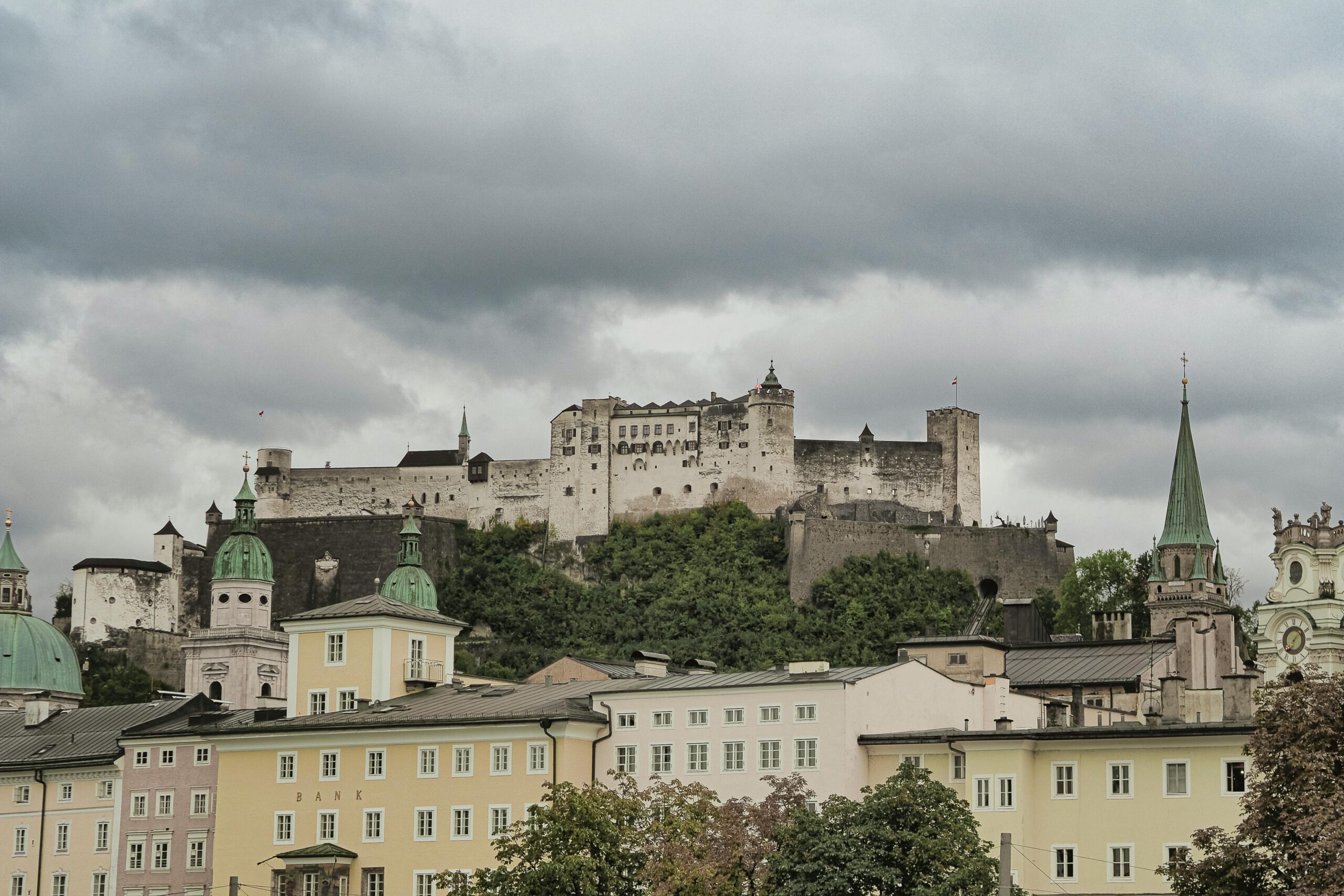
Salzburg tourist season: crowds, festivals and timing
Salzburg tourist season peaks in summer, primarily because of the Salzburg Festival (late July–August) and pleasant weather. During July and early August the city is busy, accommodations fill early, and prices for tours and hotels rise. The Christmas market season (late November–December) is a secondary peak—visitors come for markets, lights and winter concerts.
Shoulder seasons (April–June and September–October) offer a balance of lower crowds, good weather, and many attractions open without the premium pricing of high summer. If you want to experience the city’s music heritage with fewer people around, aim for late spring or early autumn when cultural events are active but less crowded.
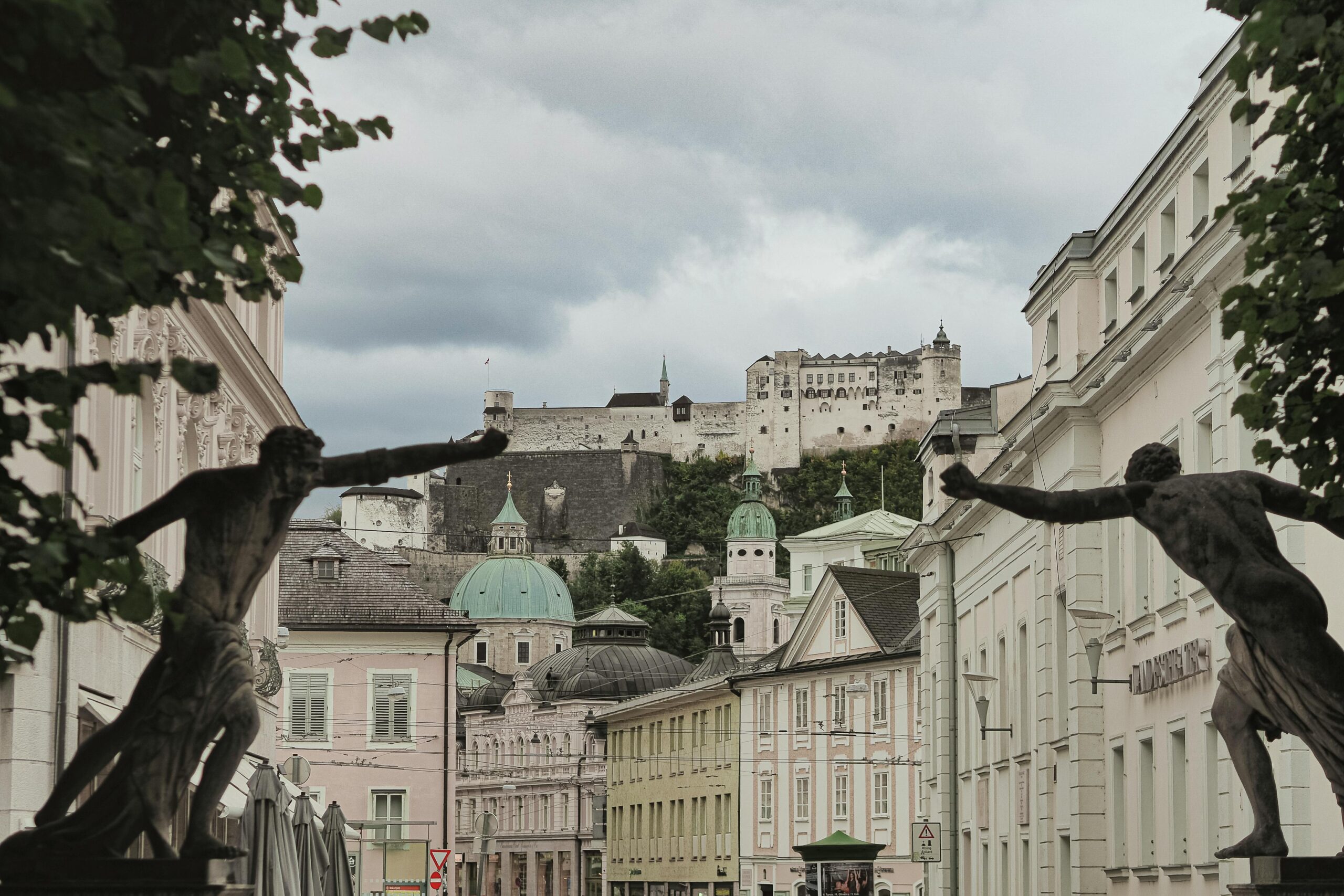
Salzburg travel cost: budgeting by season
Salzburg travel cost varies significantly with time of year and local events. Expect the highest prices for hotels, restaurants and guided tours during the Salzburg Festival and the December holidays. Conversely, late fall and early spring typically offer the best value. Plan and book early for July–August travel to avoid premium rates.
- Accommodation: Peak-season rates can be 30–50% higher than shoulder season. Small guesthouses and family-run pensions are more affordable than central hotels in high season.
- Food & drink: Mid-range meals are reasonably priced year-round; seasonal menus and festive dining can cost more during holidays.
- Transport & tours: Daytrip operators to Hallstatt, Berchtesgaden, and the Salzkammergut increase services in summer; advance reservations often secure lower prices.
If you want to compare real-time availability and lodging prices for specific travel dates, check current listings that show seasonal price differences and cancellation options: Salzburg accommodation listings.
What to pack and practical tips by season
Packing for Salzburg should reflect expected weather and planned activities. Layers are essential—mornings and evenings can be chilly even in summer. Comfortable walking shoes are a must for cobblestones and hilly viewpoints, and a waterproof jacket is advisable year-round.
- Summer: Light layers, a rain shell, sun protection, comfortable walking sandals or trainers, and a small daypack.
- Autumn: Warm mid-layers, a waterproof coat, and sturdy shoes for damp streets and trails.
- Winter: Insulated jacket, hat, gloves, thermal layers and footwear with grip for icy pavements; consider formal attire if planning to attend concerts.
- Spring: Layerable pieces to handle temperature swings, waterproof shoes and an umbrella for showers.
Transport within the city is efficient—buses and trams cover major sites and most hotels assist with Salzburg Card information, which bundles public transport and select attractions. If you plan multiple museum visits and day trips, calculate whether a Salzburg Card or individual tickets are more cost-effective for your itinerary.
Best months for specific travelers
Different travelers will prefer different months depending on priorities:
- Cultural travelers: Late June to early September for festivals and outdoor concerts; spring for museum openings and fewer lines.
- Families: Late June–August for school holidays and accessible daytrip options, but book early for accommodation.
- Couples and slow travelers: April–May or September–October for milder crowds and romantic streetscapes.
- Winter sports and holiday atmosphere: December for Christmas markets and January–February for skiing at nearby resorts.
Consider local school holidays and European summer vacation patterns—these influence crowding and pricing. If you prefer quieter mornings at popular photo spots like the Mirabell Gardens or the Getreidegasse, early weekdays outside festival periods are best.
FAQs
What is the warmest month in Salzburg?
July is typically the warmest month, with average temperatures ranging from the mid-teens to mid-twenties Celsius. It brings the most reliable summer weather, though occasional thunderstorms or rain showers can occur.
When are the Salzburg festivals held and how do they affect travel?
The main Salzburg Festival takes place in late July and August and significantly increases visitor numbers and accommodation prices. There are also smaller musical events throughout the year; if your travel dates coincide with major festivals, book flights and hotels well in advance.
Is Salzburg expensive to visit compared to other Austrian cities?
Salzburg can be more expensive than some Austrian cities, particularly during peak tourist periods and festivals. Costs for lodging and tours rise in high season, though dining and public transport remain reasonably priced. Booking in shoulder seasons reduces overall Salzburg travel cost.
Which months are best for Christmas markets in Salzburg?
The Christmas markets run from late November through December, with the atmosphere strongest in early to mid-December. Expect festive stalls, seasonal foods and higher visitor numbers around weekends and the Advent weeks.
Can I see the Alps from Salzburg year-round?
Yes, the nearby Alps are visible year-round, though snow cover and accessibility vary by season. Summer offers clear vistas and hiking; winter provides snowy panoramas and winter-sport opportunities. Weather can affect visibility, so choose clear days for the best views.
Conclusion
Choosing the best time to visit Salzburg comes down to priorities: July–August for sunshine and festival energy, December for holiday atmosphere, and spring or autumn for mild weather, smaller crowds and better value. Evaluate Salzburg weather and your tolerance for crowds against the activities you value—concerts, markets, hiking or sightseeing—and plan accommodation and tickets early for high-demand periods. With a clear idea of when you want to travel, you can make the most of Salzburg’s striking architecture, musical heritage and Alpine access no matter the season.