
When planning a trip to Russia, understanding the best time to visit St Petersburg is essential for making the most of your experience. As Russia’s cultural capital, St Petersburg offers a unique blend of history, art, and architecture that is enhanced or hindered by the city’s seasonal weather patterns. The best time to visit St Petersburg depends largely on your preferences for weather, crowds, and local events, making it important to consider the Russia weather by month guide before booking your trip.
St Petersburg’s climate is characterized by cold winters and relatively mild summers, with significant variations in daylight hours throughout the year. Visitors aiming to explore the city’s iconic landmarks like the Hermitage Museum or enjoy the White Nights Festival must plan accordingly to align their trip with favorable weather and cultural happenings. This detailed guide will help you navigate the climate trends and seasonal highlights to pick the perfect time for your visit.
Whether you prefer crisp winter landscapes or vibrant summer evenings, St Petersburg’s weather and seasonal charm offer something for every traveler. Here’s a comprehensive month-by-month breakdown of what to expect and how to optimize your visit.
Understanding St Petersburg’s Climate: An Overview
St Petersburg experiences a humid continental climate, typical of northwestern Russia, with cold winters and warm summers. The city lies at a high latitude, which means it undergoes dramatic changes in daylight throughout the year. Winters can be harsh, with temperatures often dropping below freezing, while summers are relatively short but pleasant.
From late May to early July, the city enjoys the famous “White Nights,” when twilight lasts almost all night due to the city’s proximity to the Arctic Circle. This phenomenon attracts many tourists and is a highlight of the St Petersburg travel calendar. Conversely, the winter months bring long nights and snow-covered streets, which can be magical but challenging for outdoor activities.
The Russia weather by month guide shows that temperatures range from around -8°C (18°F) in January to 20°C (68°F) in July. Rainfall is fairly evenly distributed throughout the year, but summer tends to be the wettest season. Understanding these climate patterns helps travelers plan their wardrobe and itinerary accordingly.
St Petersburg Weather by Month: A Detailed Guide
January is the coldest month in St Petersburg, with average temperatures around -6°C (21°F) and frequent snow. The city is quieter during this time, offering a peaceful winter atmosphere but limited daylight hours. February remains cold but marks the start of slightly longer days.
March brings the first hints of spring, though temperatures can still hover near freezing. April sees a gradual warming, with occasional rain showers and budding trees. By May, temperatures rise to comfortable levels around 10–15°C (50–59°F), and daylight hours increase significantly, making it a popular month for early sightseeing.
June and July are the warmest months, with temperatures often reaching 20°C (68°F) or higher. These months coincide with the White Nights Festival, a spectacular cultural event that fills the city with music, art, and nightlife. However, summer also brings the highest chance of rain, so packing waterproof clothing is advisable.
August remains warm but starts to cool down towards the end. September offers crisp air and beautiful autumn colors, making it ideal for outdoor exploration. October sees temperatures dropping again, and by November, the city prepares for winter with colder weather and shorter days.
December is chilly and festive, with holiday markets and decorations adding charm despite the cold. Overall, the Russia weather by month guide highlights that late spring through early autumn is the most comfortable period for visitors, balancing pleasant weather with vibrant city life.

Why Summer Is the Most Popular Time to Visit St Petersburg
Summer, especially June and July, is widely regarded as the best time to visit St Petersburg due to the warm weather and extended daylight hours. The White Nights phenomenon, when the sun barely sets, creates a magical atmosphere perfect for sightseeing and outdoor events. This period features numerous festivals, concerts, and cultural activities, enhancing the visitor experience.
Tourists can enjoy leisurely walks along the Neva River, explore the city’s beautiful parks, and visit open-air markets without the discomfort of cold weather. Museums and historic sites operate with extended hours, allowing for flexible travel plans. Despite the occasional rain, summer remains the most accommodating season for travelers seeking to savor everything St Petersburg offers.
However, this popularity also means higher prices for accommodation and crowded attractions. Booking well in advance is recommended to secure the best deals and avoid disappointment. For those who prefer fewer crowds, late May or early September might offer a good balance between weather and visitor numbers.
Exploring St Petersburg in Autumn and Winter
Autumn in St Petersburg, from September to November, offers a quieter and more reflective experience. The city’s parks and gardens turn into vibrant scenes of red, gold, and orange, providing excellent opportunities for photography and nature walks. Temperatures become cooler, averaging between 5°C and 15°C (41°F–59°F), with crisp air and fewer tourists.
Winter, lasting from December through February, transforms St Petersburg into a snowy wonderland. Despite the cold, with temperatures often below freezing, the city’s architecture looks stunning under a blanket of snow. Winter sports enthusiasts can enjoy ice skating and nearby ski resorts, while the festive season brings Christmas markets and cultural events.
Visitors during winter should prepare for limited daylight hours, with as few as six hours of sunlight in December. The cold and darkness can be challenging but rewarding for those interested in experiencing a different side of the city. Warm clothing and proper planning are essential to make the most of a winter visit.
Spring in St Petersburg: Renewal and Emerging Beauty
Spring, spanning March to May, is a time of renewal in St Petersburg. As the snow melts and temperatures rise, the city awakens with blooming flowers and longer days. Early spring can still be chilly, but by late April and May, conditions become much more pleasant, with temperatures ranging from 5°C to 15°C (41°F–59°F).
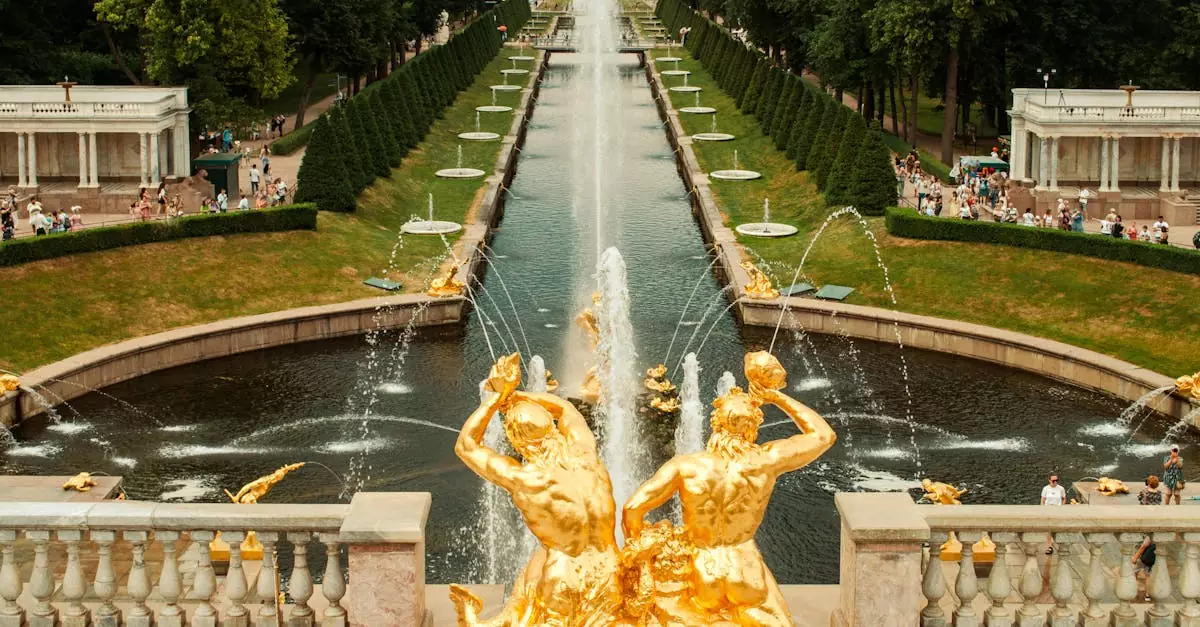
This season is less crowded than summer, making it ideal for travelers who prefer a quieter atmosphere. Parks like the Summer Garden and Peterhof showcase their floral displays, and cultural institutions resume full programming after winter closures. May, in particular, is a festive month with celebrations such as Victory Day, adding historical significance to a visit.
Spring weather can be unpredictable, with occasional rain showers, so layering and waterproof gear are advisable. Overall, spring offers a balanced combination of mild weather, cultural events, and manageable tourist volumes.
Comparison Table: Weather and Visitor Experience by Season
| Season | Average Temperature (°C) | Daylight Hours | Tourist Crowds | Key Highlights |
|---|---|---|---|---|
| Winter (Dec-Feb) | -8 to -2 | 6-8 hours | Low | Snowy landscapes, Christmas markets |
| Spring (Mar-May) | 0 to 15 | 10-16 hours | Moderate | Blooming gardens, Victory Day celebrations |
| Summer (Jun-Aug) | 15 to 22 | 18-24 hours | High | White Nights Festival, open-air events |
| Autumn (Sep-Nov) | 5 to 10 | 8-12 hours | Low to Moderate | Fall foliage, quieter attractions |
Planning Your Trip: Tips for Visiting St Petersburg
When deciding the best time to visit St Petersburg, consider your priorities such as weather preferences, event interests, and budget. Summer is ideal for warm weather and festivals but expect higher prices and larger crowds. Spring and autumn offer milder weather and fewer tourists, making them great for cultural exploration and photography.
Winter appeals to travelers seeking a unique snowy experience and festive atmosphere, but be prepared for cold temperatures and limited daylight. Regardless of the season, booking accommodations and tickets to major attractions in advance is recommended to avoid last-minute hassles.
For more detailed historical and cultural context about the city, visitors can refer to the comprehensive St Petersburg Wikipedia page, which provides extensive insights into its heritage and significance. Additionally, the official tourism board offers updated information on events and travel advisories, helping travelers plan a safe and enjoyable visit.
FAQs
What is the best month to visit St Petersburg for good weather?
The best months for good weather in St Petersburg are June and July, when temperatures are warm and the famous White Nights occur, providing extended daylight and vibrant cultural events.
Is St Petersburg accessible during winter months?
Yes, St Petersburg is accessible in winter, but visitors should be prepared for cold temperatures, snow, and shorter daylight hours. Many cultural attractions remain open, and winter offers a unique atmosphere with festive events.
How does the White Nights Festival affect travel plans?
The White Nights Festival, mainly in June, draws large crowds and increases accommodation prices. It is a beautiful time to visit but requires early booking and planning to navigate busy tourist areas.
Are there any months to avoid due to weather in St Petersburg?
While no months are strictly off-limits, late autumn and early winter (November) can be cold and wet with limited daylight, which might not be ideal for sightseeing. However, some travelers enjoy the quiet and atmospheric conditions during this time.
What should I pack for a trip to St Petersburg?
Packing depends on the season: summers require light layers and rain protection; winters need warm clothing, including thermal layers, hats, gloves, and sturdy footwear. Spring and autumn call for versatile clothing to adjust to variable temperatures and occasional rain.
Conclusion
Choosing the best time to visit St Petersburg depends on your travel goals and tolerance for different weather conditions. Summer offers warmth, long days, and lively festivals, making it the most popular season. Spring and autumn provide moderate weather and fewer tourists, perfect for cultural exploration and photography. Winter, though cold and dark, reveals a magical snowy cityscape and festive charm.
By understanding the city’s climate through the Russia weather by month guide and considering seasonal events, visitors can tailor their trip to align with their preferences. Whether you seek the bustling energy of the White Nights or the serene beauty of a snow-covered palace, St Petersburg welcomes travelers year-round with its rich history and vibrant culture.