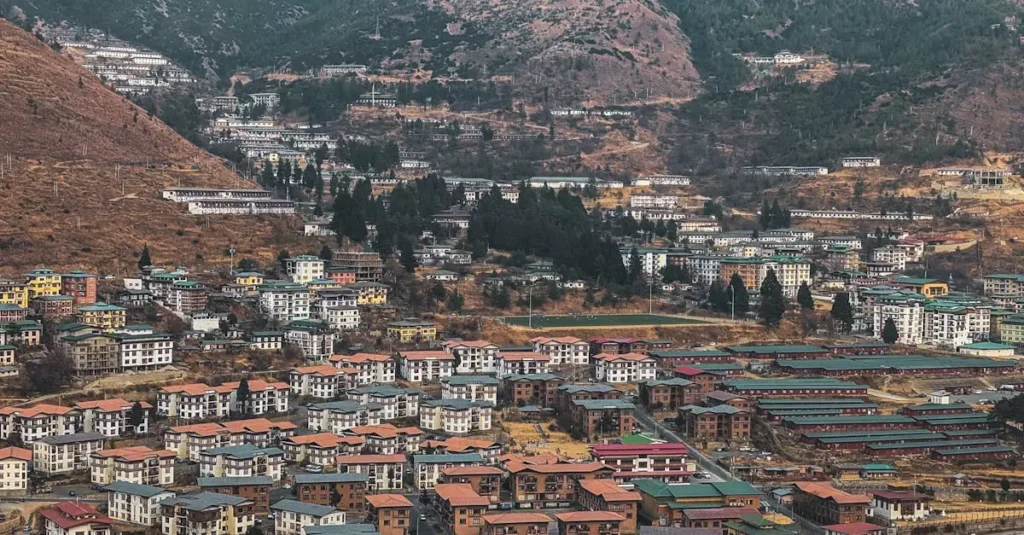
When planning a trip to Thimphu, the price hikes during Bhutan’s peak season are often one of the first things travelers observe. The city offers a serene and clean environment, making it enjoyable, yet costs can escalate quickly during peak travel months. To effectively manage your budget, it’s crucial to grasp when these price increases occur and the reasons behind them.
Thimphu is a central hub for many journeys through Bhutan, being the capital city where most visitors obtain permits, accommodations, meals, and transportation. Consequently, the peak season prices tend to be evident here first, impacting room rates, guide fees, and vehicle rentals. The silver lining is that with an understanding of seasonal patterns, you can still plan a budget-friendly trip.
This guide outlines the actual shifts in pricing, crowd sizes, transportation schedules, and the trade-offs associated with seasonal travel. It provides straightforward, practical tips to help you determine the best time to visit, how to save money, and what to anticipate in Thimphu in 2026.
Understanding Bhutan Peak Season Price Increases in Thimphu
Experiencing a price increase during Bhutan’s peak season typically translates to elevated hotel rates, limited tour options, and reduced flexibility in transportation. This is particularly significant in Thimphu, as it serves as a primary stop for most travelers. As demand surges, even basic accommodations can see higher prices compared to the low season. Additionally, tour operators become busier, meaning late bookings can further inflate your costs.
Travelers often encounter the most substantial price increases during popular travel periods, especially in spring and autumn. These months are known for favorable weather, stunning mountain views, and vibrant festivals. While this is excellent for sightseeing, it also attracts larger crowds. In a smaller city like Thimphu, the impact is quite noticeable, with hotels filling up rapidly and drivers potentially charging more for extended routes or additional waiting time.
The rise in costs isn’t limited to accommodations. While meals at standard restaurants may remain relatively stable, upscale dining and packaged tours often see increases. For those planning a comprehensive trip to Bhutan, the cost differences can be significant compared to the shoulder months, underscoring the importance of timing for budget-conscious travelers.
Reality Check: Bhutan is not an inexpensive destination at any time of the year. Peak season not only raises costs but also makes it more challenging to find good-value options at the last minute.
For official travel planning, consult the Bhutan immigration portal prior to making your reservations.
Optimal and Less Favorable Times to Visit Thimphu for Budget Management
The timing of your visit plays a crucial role in understanding Bhutan’s peak season price increases. The busiest months generally offer the most pleasant weather, yet they also come with the highest costs. In Thimphu, spring and autumn are the most sought-after seasons, characterized by clear skies, mild temperatures, and appealing festivals. This makes them perfect for photography and sightseeing, but not ideal for those seeking bargains.
Traveling during the low season can provide more affordable options, but it comes with its own compromises. Summer may bring rain, cloudy skies, and potential road delays, while winter can be quite cold, especially in the evenings. However, Thimphu remains manageable for most visitors with appropriate warm clothing. If you’re primarily focused on value, the shoulder months often present a favorable compromise, offering better rates and more options without the full rush of peak season.
For budget-savvy travelers, the best approach is straightforward: compare travel dates before selecting accommodations. Shifting your trip by just a week or two can significantly impact your overall expenses, more so than simply choosing a different hotel. This is especially true during festival times or school breaks.
For broader context about the destination, refer to Bhutan on Wikipedia.
How Bhutan Peak Costs Fluctuate in Thimphu
The specific peak costs in Bhutan vary based on your travel preferences, but the trend is evident: prices rise alongside demand. In Thimphu, hotel rates can significantly increase during high season, particularly for centrally located and well-reviewed properties. Tour packages also tend to be pricier due to heightened demand for guides and vehicles. Late bookings may limit your options and reduce your ability to negotiate rates.
Below is a straightforward comparison of typical travel cost trends in Thimphu:
| Item | Low/Shoulder Season | Peak Season | Notes |
|---|---|---|---|
| Mid-range hotel room | Lower | Higher | Best rooms sell out first |
| Private car with driver | Steady to moderate | Higher | Extra waiting time may cost more |
| Guide service | Steady | Higher demand | Book early for preferred dates |
| Meals | Stable | Mostly stable | Upscale dining may rise |
| Festival travel | Variable | Highest | Rooms near venues fill fast |
The most significant savings typically arise from early bookings and avoiding festival dates unless attending the event is your primary goal. For group travelers, shared transportation can lower individual costs. Solo travelers might consider opting for simpler accommodations outside the busiest areas, though this could add taxi time and transport expenses.
For official tourism information, check Bhutan Travel.
Transportation in Thimphu During Peak Season
Transportation is another area where price increases during Bhutan’s peak season can impact your budget. Thimphu is located approximately 50 to 55 km from Paro International Airport, with the drive typically taking about 1.5 to 2 hours, depending on traffic and road conditions. During peak season, it’s wise to allow extra time due to the influx of tourists, tour vehicles, and festival-related traffic.
Most travelers opt for a pre-arranged vehicle with a driver, as this is the most convenient option, given the limited independent travel options for many international visitors. Public transport is available, but it tends to be slower and less adaptable for typical sightseeing. While taxis are present in Thimphu, they are more suitable for short trips within the city rather than full-day excursions.
Road conditions are generally manageable, though mountain weather can alter plans unexpectedly. In spring and autumn, the roads are usually in better shape than during the rainy season. During festivals or long weekends, finding parking near major attractions can be challenging, meaning even a simple 10-minute transfer might take longer than anticipated.
Important Tip: If you require airport pickup, arrange it early. Last-minute transfers during peak season can be pricier and may limit your choice of vehicle.
Important Tip: Incorporate an extra flexible hour into your daily itinerary. In Bhutan, road delays are common, and these are more frequent during peak season.
Crowds, Festivals, and the Seasonal Travel Experience
Thimphu generally maintains a tranquil atmosphere throughout the year, but peak season alters this dynamic. Youll notice an increase in tour groups at major attractions, more vehicles on the roads, and longer waits at popular viewpoints and dining establishments. While the city remains far from overwhelming compared to larger Asian capitals, the difference is perceptible.
Festival periods witness the largest spikes in crowds. Locals and tourists alike gather for cultural celebrations, causing hotels near central areas to fill up quickly. Dining establishments may experience longer wait times during lunch hours, and popular photo spots can become congested around midday. For a quieter sightseeing experience, starting your day early can provide better lighting, fewer crowds, and additional time before the day becomes busy.
The season also influences the overall feel of your trip. Spring brings blooming flowers and clear mountain vistas, while autumn offers crisp air and excellent visibility. Summer can feel lush but often comes with rain. Winter is generally quieter and more affordable, though mornings and evenings can be chilly. Many travelers find that shoulder season strikes the best balance, with fewer crowds and more reasonable prices.
Those who prefer to avoid busy days should steer clear of festival weeks unless they have a specific interest in the cultural events. If you choose to visit during a festival, make sure to book everything in advance and be prepared for slower movement around the city.
Advantages and Disadvantages of Visiting Thimphu During Peak Season
Traveling to Thimphu during peak season presents distinct benefits as well as notable drawbacks. A balanced perspective can assist you in determining whether the increased costs are justified. The primary advantage is the weather, with clear skies, good visibility, and comfortable temperatures making sightseeing more enjoyable. Additionally, youre more likely to experience festivals and cultural events.
On the downside, the costs associated with peak season are significant. The price increases affect accommodations, transportation, and sometimes tour services. Furthermore, flexibility diminishes as the best options tend to sell out quickly. If you delay your booking, you might end up paying more for a less desirable location or room type.
Heres a quick list summarizing the experience:
Advantages
- Better weather for sightseeing
- Clearer mountain views
- More cultural events and festivals
- Improved road conditions compared to the rainy season
- Wide selection of organized tours when booked in advance
Disadvantages
- Increased prices for accommodations and transport
- Limited availability
- More crowds at popular attractions
- Longer wait times for vehicles and meals
- Fewer opportunities for last-minute deals
To maximize your experience, consider what matters most: lower costs or favorable weather. In Bhutan, achieving both simultaneously is often challenging.
Effective Budget Strategies for Thimphu Visitors
There are various strategies to mitigate the impact of Bhutan’s peak season costs without compromising your trip. The first step is to book early, providing you with better accommodation choices and greater control over transportation. If your schedule allows, consider staying slightly outside the most central hotel areas to save money without sacrificing much time.
Food is another area where you can manage expenses. Local eateries often provide good value, while dining in hotels typically costs more. If traveling with companions, consider sharing a vehicle to split costs. If your stay spans several nights, inquire whether your hotel can bundle airport transfers or a day tour into a single package. While bundles aren’t always cheaper, they can be worth exploring.
Plan your primary sightseeing activities for early in the day to avoid peak crowds, allowing for a more flexible afternoon schedule. This approach also reduces the likelihood of incurring additional waiting time charges from your driver.
For more destination inspiration and planning context, refer to Kingdom of Bhutan.
Carefully consider your travel dates. A slight adjustment away from the busiest festival windows can yield greater savings than upgrading your accommodation. This strategy is one of the most effective ways to navigate Bhutan’s peak season price increases in Thimphu.
Common Questions About Bhutan’s Peak Season Price Increases
1. When are Bhutan’s peak season price increases most evident?
These increases are most noticeable during spring and autumn, particularly around significant festivals and holiday periods. Hotel and transportation prices rise quickly, and availability diminishes.
2. Is Thimphu pricier than other cities in Bhutan during peak season?
Thimphu tends to feel more expensive due to its status as the capital and a primary stop for many travelers. Central accommodations and transport services often sell out more rapidly.
3. How far is Thimphu from Paro Airport?
The distance is approximately 50 to 55 km, with a typical travel time of 1.5 to 2 hours. Peak season traffic or road delays can extend this duration.
4. Can I save money by booking last minute?
Typically, no. Last-minute bookings during peak season usually result in fewer options and higher prices. Early reservations are generally safer for both cost and availability.
5. Is the peak season worth the higher costs?
Yes, if you prioritize optimal weather, clearer views, and access to festivals. However, if saving money is your primary concern, the shoulder season usually offers better value.
Should You Consider Traveling to Thimphu During Peak Season?
The reality of Bhutan’s peak season price increases is significant, clearly impacting Thimphu. Accommodations become pricier, transportation options tighten, and sought-after dates fill quickly. Nevertheless, peak season also provides the most favorable weather, excellent visibility, and enhanced opportunities to experience Bhutans cultural events, which is why many travelers still opt for this time.
For the best balance, plan ahead, compare dates, and maintain flexibility in your daily itinerary. If your budget is tight, steer clear of festival weeks and consider traveling during the shoulder season instead. Thimphu offers rewards in every season, but the right timing can greatly influence your overall trip expenses.
The most astute traveler is not necessarily the one who spends the least, but rather the one who aligns their travel season, budget, and expectations effectively. This approach is the key to managing Bhutan’s peak costs while ensuring a smooth journey in 2026.