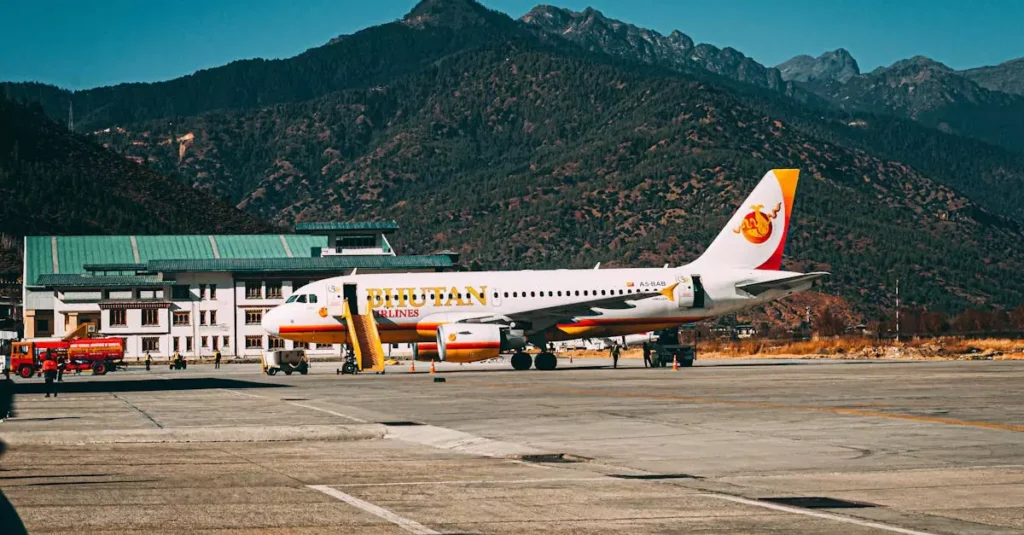
Traveling to Bhutan comes with specific regulations, but they are straightforward. If you’re considering a journey to Thimphu or any other city in Bhutan, its crucial to familiarize yourself with the visa requirements, entry permits, daily fees, and the structure of tours. This destination requires careful planning, as the country manages tourism to safeguard its culture, infrastructure, and environment.
The positive aspect is that navigating this process is quite feasible if you adhere to the necessary steps. Understanding Bhutan’s entry regulations becomes straightforward once you’re aware of what to anticipate. Youll need to apply ahead of time, reserve authorized services, and prepare for an experience that stands apart from many other Asian travel spots. This uniqueness is part of what makes Bhutan so appealing.
This guide provides insights into the current travel regulations for tourists in Bhutan for 2026, specifically focusing on Thimphu. Youll find information on costs, transportation options, seasonal considerations, crowd dynamics, and practical advice. Additionally, theres a comparison table, a list of pros and cons, and answers to frequently asked questions, enabling you to plan your visit with assurance.
Essential Bhutan Travel Rules for Tourists
The travel regulations for tourists in Bhutan center around regulated entry and sustainable tourism practices. Most visitors are required to organize their trips prior to arriving. Typically, you cannot just land in Bhutan and make arrangements on the fly. A valid passport, necessary entry documents, and a confirmed itinerary for your accommodations and transportation are essential.
The core principle is straightforward: Bhutan aims for fewer tourists but with better-managed tourism. Expect a structured approach. This usually entails a visa approval process, a defined route or itinerary, and a daily fee that contributes to local services and policy objectives. The exact fee may vary, so its wise to consult official resources before making any bookings. For more detailed country information, refer to Bhutan country information.
Many travelers find that Bhutan is not designed for spontaneous backpacking. Travel times can be deceiving; the roads are often slow, and distances can take longer than they appear on a map. Most trips are organized around the assistance of a driver-guide, which is common. Accepting this early on will simplify your experience considerably.
Your Guide to Bhutan Entry Rules for 2026
Starting with your passport and travel approval, the Bhutan entry rules guide outlines what you need. Generally, you must apply before traveling. The official immigration website provides the latest requirements and application procedures, making it your best reference: Bhutan immigration portal. Since rules can change, this site is the most reliable source for up-to-date information.
Visitors typically need a confirmed itinerary, accommodation details, and proof that their trip is organized through the appropriate channels. Many tourists also secure a licensed guide and transportation, particularly if they plan to explore areas beyond Thimphu. This structured approach minimizes confusion at checkpoints and ensures a smoother journey.
Key Advice: Initiate the process well in advance. Avoid waiting until the last minute. Flights, approvals, and hotel confirmations can take time, especially during peak seasons. If youre traveling in spring or autumn, consider adding extra days before and after your trip to Bhutan.
Key Advice: Maintain both printed and digital copies of your passport, approval documents, hotel reservations, and emergency contacts. Internet connectivity can be inconsistent in certain regions, and having a paper copy can expedite your arrival or travel.
Getting to Thimphu and Navigating Around
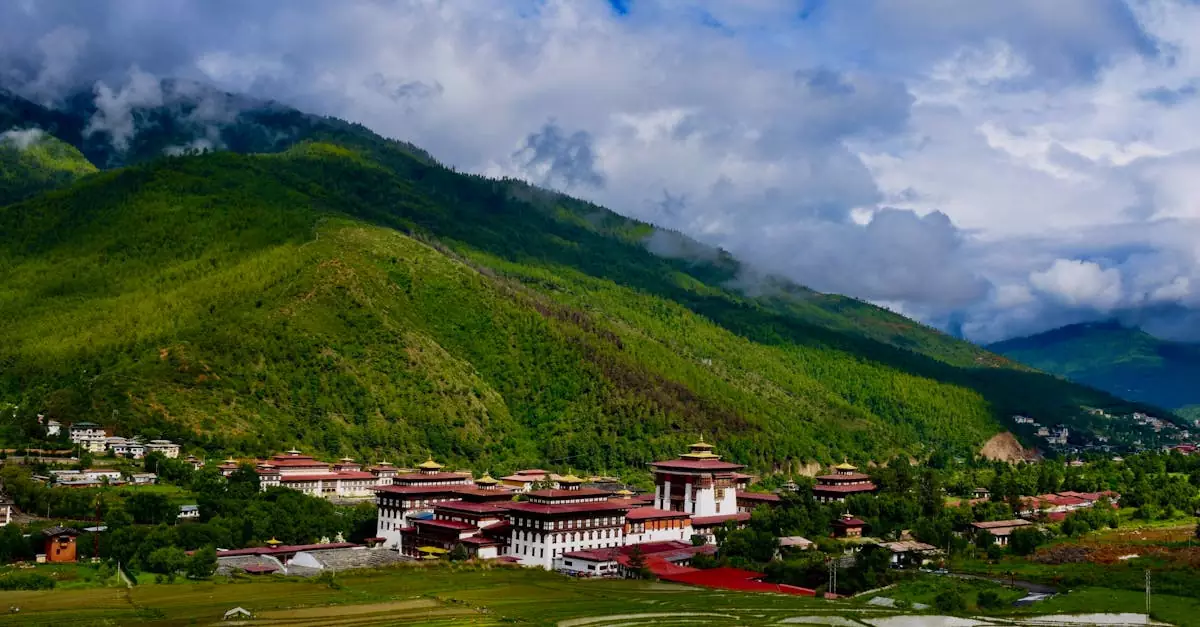
As the capital of Bhutan, Thimphu lacks its own airport. Most travelers arrive in Paro and then make the drive to Thimphu. The distance is approximately 50 to 55 km, with the journey typically taking 1.5 to 2 hours under normal conditions. This duration can extend due to traffic, rain, or road construction. While the scenery is beautiful, the roads can be winding, so those prone to motion sickness should prepare accordingly.
Transportation in Bhutan differs significantly from larger Asian cities. Public transport options for tourists are limited, leading many to rely on pre-arranged private vehicles. While taxis are available in Thimphu, for extended sightseeing, booking a vehicle in advance is more practical. Roads to nearby attractions can be narrow and slow, particularly in hilly areas. A 100 km journey might take longer than anticipated.
For a straightforward Bhutan entry rules guide, remember this: if your itinerary includes Punakha, Dochula Pass, or other day trips, focus on travel time rather than just distance. The map may indicate a short distance, but mountain roads can significantly alter actual travel times. This is crucial when scheduling meals, hotel check-ins, and return times.
Understanding Costs, Fees, and Budgeting in Bhutan
Budgeting plays a significant role in the travel rules for tourists in Bhutan. Your overall expenses will depend on the season, type of accommodation, transportation, and current fee structures. Generally, Bhutan tends to be pricier than other nearby budget-friendly destinations in Asia, and this is intentional, reflecting the country’s tourism model and service standards.
Prepare for expenses related to accommodation, transportation, guide services if needed, meals, and the government-imposed tourism fee. When comparing options, dont focus solely on room rates. A lower hotel price might not reduce overall trip costs if transportation and mandatory services are factored in. Always request a comprehensive quote before making a payment.
Heres a useful comparison table to assist with your planning:
| Item | Typical Cost Range | Notes |
|---|---|---|
| Hotel in Thimphu | Budget to mid-range options vary by season | Peak season prices can increase rapidly |
| Airport to Thimphu transfer | Usually included in a tour package or charged separately | Paro to Thimphu is approximately 50 to 55 km |
| Daily tourism fee | Check official updates before booking | Subject to change by policy |
| Meals | Moderate to high depending on restaurant choice | Hotel meals are often more convenient for travelers |
| Local sightseeing transport | Depends on vehicle type and route | Longer drives incur higher costs |
For additional trip planning and destination ideas, visit the official tourism site at Bhutan tourism. This resource allows you to compare regions, seasons, and travel styles before finalizing your dates.
Optimal Times to Visit Thimphu and Seasonal Insights
Thimphu offers a pleasant experience throughout much of the year, but choosing the right season is essential. Spring and autumn are the peak periods, characterized by clearer weather and generally better road conditions. These months attract more visitors, leading to quicker bookings for hotels and flights. For a more serene experience and better availability, consider booking early or opting for shoulder seasons.
Summer brings monsoon rains, which can impact visibility and comfort on the roads. While it doesnt completely halt travel, it can slow down the pace. Winter is cooler and often quieter, appealing to some travelers who appreciate the crisp air and reduced crowds, though mornings and evenings can be quite chilly, especially for those unaccustomed to mountain climates.
The behavior of crowds in Bhutan tends to be calm and respectful. In Thimphu, the atmosphere lacks the hustle and bustle typical of larger Asian capitals, contributing to a peaceful ambiance. However, this can also mean that service may be slower. Patience is key when dining, shopping, or navigating checkpoints. For a broader travel overview, this Bhutan travel resource can provide further trip ideas.
Advantages and Disadvantages of Bhutan Travel Regulations for Tourists
Every travel system has its pros and cons, and Bhutan is no exception. The regulations in place for tourists serve to protect the nation, yet they also require more detailed planning. Understanding this aspect is crucial before making any commitments.
Advantages
- Streamlined and organized travel process once approved
- Less crowding compared to many popular Asian travel destinations
- Strong cultural preservation and stunning landscapes
- Thimphu provides a calm, safe environment, ideal for first-time visitors
- Road trips offer breathtaking views when weather permits
Disadvantages
- Higher travel costs compared to many neighboring countries
- Limited flexibility for last-minute adjustments
- Travel can be slow on mountainous routes
- Weather conditions may impact visibility and travel times
- Some services require advance reservations and approvals
Reality Check: Bhutan may not be the ideal choice for those seeking a cheap, spontaneous, or highly flexible journey. It is more suited for travelers who appreciate order, beautiful scenery, and adherence to cultural norms. If this aligns with your travel style, the experience can be immensely rewarding.
Essential Tips for an Enjoyable Bhutan Trip
Effective planning can significantly enhance your experience in Bhutan. The country is straightforward to enjoy when your documentation, timing, and transportation are organized. The most common mistake is assuming that it functions like a typical city break; it does not. While Thimphu is tranquil, it still requires a structured approach.
Key Advice: Incorporate at least one extra buffer day into your itinerary. Weather, road conditions, and flight schedules can all impact your plans. Having a buffer day alleviates stress and provides flexibility in case your arrival in Paro is delayed.
Key Advice: Dress in layers. Thimphu can be warm during the day but cool in the evenings. When visiting temples or government buildings, opt for modest clothing to respect local customs while ensuring your comfort.
Additional helpful tips include:
- Carry cash for minor purchases, even if credit cards are accepted in some locations
- Download offline maps prior to your arrival
- Verify hotel check-in times before departing from Paro
- Inquire about travel times rather than just distances for each day trip
- Keep your phone charged, as long drives can quickly deplete battery life
Implementing these small strategies will make navigating the Bhutan entry rules much more manageable in practice.
Common Questions Regarding Bhutan Travel Regulations for Tourists
1. Is it necessary to apply before traveling to Bhutan?
Yes, in most instances, you should apply prior to your trip. The travel regulations for tourists in Bhutan generally mandate advance approval, so avoid depending on last-minute arrangements.
2. What is the distance from Thimphu to Paro?
Thimphu is approximately 50 to 55 km from Paro. The journey typically takes between 1.5 to 2 hours, but traffic and road conditions can extend this time.
3. Is Bhutan considered expensive for tourists?
Yes, Bhutan is typically more costly than many nearby destinations. Be sure to budget for transportation, accommodation, meals, and the applicable tourism fees.
4. Can I explore Bhutan without a guide?
This depends on the current regulations and your travel plans. Many tourists opt for arranged transportation and guides, especially for trips that involve multiple cities outside Thimphu.
5. What is the ideal season for visiting Thimphu?
Spring and autumn are generally regarded as the best seasons due to favorable weather, clearer views, and more comfortable travel conditions.
Is Bhutan the Right Destination for Your 2026 Journey?
The travel regulations for tourists in Bhutan may be strict, but they are also clear and practical. By adhering to the entry rules, planning ahead, and embracing the countrys pace, your visit to Thimphu can be both smooth and memorable. The focus should not be on speed but rather on thorough preparation.
Bhutan is best suited for travelers who desire peaceful streets, breathtaking mountain views, and a well-organized trip from beginning to end. Its less ideal for those looking for budget flexibility or spontaneous changes. Once you grasp the system, the regulations transform from obstacles into integral parts of your journey.
If youre ready for a thoughtful travel experience in Asia in 2026, Bhutan should definitely be on your itinerary. Begin with official resources, confirm your dates, and create a realistic plan. This approach ensures a fulfilling exploration of Thimphu and beyond.