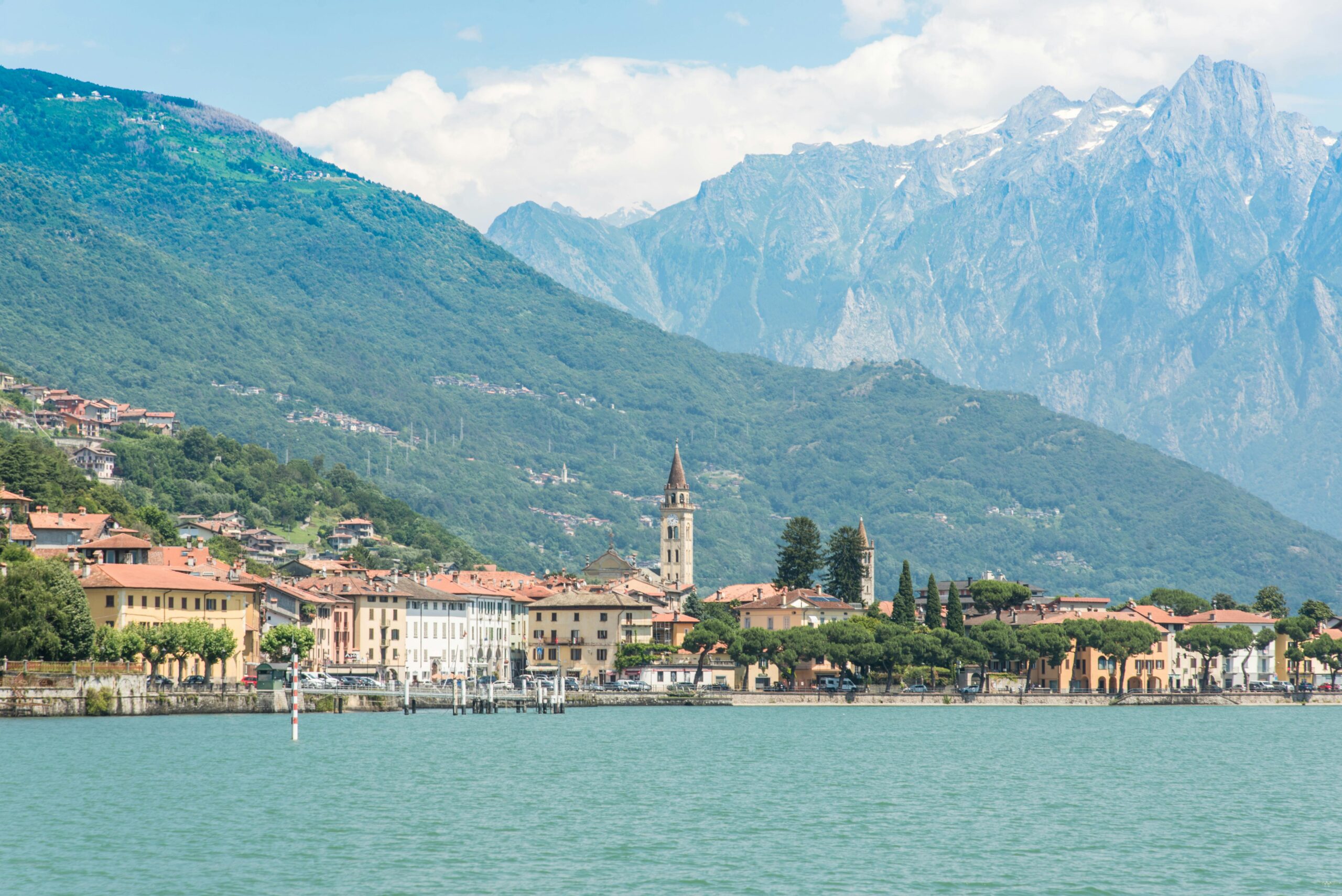
If you’re planning a visit to southwestern Uganda, understanding the lake bonyonyi tour price is one of the first steps to budgeting your trip. Lake Bunyonyi (often spelled Bonyonyi locally) offers a range of experiences — from short boat trips between islets to full-day guided tours that combine canoeing, village visits, and birdwatching — and prices vary by operator, season and level of service.
This guide summarizes the typical costs, what is usually included, how lake bonyonyi boat tour cost is calculated, and practical booking tips based on licensed operators and local tourism listings. Use it to compare options, choose the right operator for your needs, and avoid unexpected fees when you arrive.
Why travelers choose Lake Bunyonyi
Lake Bunyonyi sits in a dramatic terraced valley near the border with Rwanda and is celebrated for its calm water, over 200 small islands, and low human-biting insect presence. The remoteness and scenery make it a popular escape for travelers seeking walking, canoeing, and quiet lakeside accommodation. The landscape also supports a variety of birds and offers interactions with local communities on several inhabited islands.
These features shape the services offered by tour companies: most day tours are centered on scenic boat trips, island walks, and short cultural stops. Luxury lodges and community-run guesthouses often add guided nature walks and canoe safaris, which influence the overall tour price. Because the lake is accessed by narrow roads and small craft, transportation logistics and boat type are key cost drivers.
Types of tours and what they usually include
Tours at Lake Bunyonyi fall into a few common categories: shared boat tours, private boat hire, guided day trips from nearby towns (such as Kabale), and multi-day packages that include lodging and activities. Shared boat tours are economical and good for travelers on a budget; private hires give you flexibility for island stops and swimming; guided day trips typically bundle transport, a guide, and a boat ride.
Typical inclusions and exclusions to watch for:
- Included: boat fare (shared or private), professional boatman (and sometimes a guide), basic life vests, and one or two planned stops (e.g., Punishment Island, Bird Island).
- Sometimes included: lunch or snacks, return transport from Kabale, and entry donations where applicable.
- Often excluded: tips, optional activities (kayaking, longer guided walks), personal insurance, and transportation from Kampala unless noted.
Typical pricing breakdown: what you can expect to pay
Prices fluctuate by season, boat size, and whether you book a community-operated boat or a private operator. As a general guide (figures converted into USD for international visitors), these are typical ranges observed with licensed operators and local tourism listings:
- Shared boat tour (per person, short circuit 1–2 hours): USD 3–8.
- Half-day private boat hire (per boat, 2–4 people typical): USD 15–40.
- Full-day private boat hire with guide and multiple stops: USD 30–70 per boat.
- Guided day trip from Kabale (includes return transport, boat ride, guide): USD 30–80 per person depending on vehicle class and inclusions.
- Multi-day packages (2+ nights with lodging, activities): USD 120–400 per person depending on accommodation standard.
Community-run boats and local canoe operators tend toward the lower end of these ranges and accept Ugandan shillings (UGX) at local rates. Licensed lodge operators and private guides typically charge more but add insurance, safety equipment, and a higher standard of service.
How lake bonyonyi boat tour cost is calculated
Operators calculate boat tour costs using several cost centers. Understanding these helps you compare apples to apples:
- Boat type and fuel: motorboats with guides are more expensive than paddled dugout canoes. Fuel costs also influence price, especially for longer circuits.
- Group size and pricing model: many operators price per boat rather than per person. A private boat for 4 will look expensive overall but cheaper per person if you’re in a group.
- Guide and crew wages: licensed operators employ trained guides and provide life jackets and safety measures, which adds to the fee compared to an informal local canoe hire.
- Transport and logistics: day trips from Kabale or Kampala will include vehicle fuel and driver time; remote pick-ups mean higher costs.
- Season and demand: peak times (dry season, holidays) often push prices up; conversely, rainy season bookings can be negotiated down.
Licensed operators usually provide a clear price breakdown on request. For transparency, ask whether the quote covers all boat fuel, entrance or community fees, and transport; many small charges add up if they are not explicitly included.
Quick comparison table: typical operators and sample prices
| Operator type | Typical offering | Sample price (USD) | Best for |
|---|---|---|---|
| Community canoe | Paddled canoe, short island stops | 3–8 per person | Budget travelers, short excursions |
| Private motorboat (local operator) | Private hire, flexible stops | 15–40 per boat | Small groups wanting flexibility |
| Licensed lodge operator | Guided tours, safety equipment, lunch options | 30–80 per person (day trip) | Comfort, safety, guided interpretation |
| Multi-day package | Accommodation + activities | 120–400 per person | Extended stays, honeymooners, nature-focused travelers |
Ways to save money without compromising safety
Stretch your travel budget while maintaining safety and a good experience by using these strategies:
- Join a shared boat or a group: shared tours split the cost of motorboats and guides, lowering per-person expense.
- Book through community operators for short trips: community-run canoes are cheaper and support local livelihoods, though they may not include life jackets or insurance.
- Negotiate for combination services: some operators will combine boat hire with basic lunch or a guided walk for a single price, often cheaper than booking separately.
- Travel off-peak: booking during shoulder seasons can reduce day-trip prices and accommodation costs, but check weather impact on lake activities.
- Confirm inclusions: pre-agree on stops, duration and transport so there are no surprise charges at the end of the trip.
Always prefer licensed operators for longer or motorized trips when possible. The small premium for a licensed company typically covers safety gear and trained staff, which are important on open water.
How to book and practical logistics
Bookings can be made in person at lodges around the lake, through local tour desks in Kabale, or via online platforms. If you prefer to reserve before arrival, reputable marketplaces and local operators list day trips and multi-day packages with clear cancellation policies.
To explore guided day trips and read verified customer reviews, you can book a day trip from Kampala with operators who include transport and a scheduled boat tour. Booking platforms often show availability and instant confirmations which help if you’re on a tight itinerary.
If you want to compare multiple tour types quickly or check broader options in the Kampala/Kabale region, you can also explore more tours on GetYourGuide and filter by duration and reviews. For last-minute or highly local offerings (community canoes or host-run tours), arriving in Kabale and booking through a lodge reception often yields the best local rates.
Practical tips for the day:
- Carry cash (UGX and small USD notes) as many local operators accept cash only.
- Bring sunscreen, a hat, and insect repellent for island walks.
- Wear sturdy shoes for stops and swimsuits if you plan to swim.
- Confirm pick-up locations and times; road access can be slow and unmarked in places.
FAQs
How much does a standard boat trip on Lake Bunyonyi cost per person?
For a short shared boat trip expect roughly USD 3–8 per person. Private motorboat hires and guided day trips from nearby towns cost more (USD 15–80 depending on inclusions). Prices vary seasonally and by operator; always confirm whether transport, meals, or community fees are included.
Are prices quoted in Ugandan shillings or US dollars?
Many local operators quote in Ugandan shillings (UGX) and accept cash only, while lodges and licensed tour companies often provide prices in USD or a choice of currency. It’s wise to clarify currency when asking for a quote and carry local cash for smaller fees.
Does a higher price mean safer or better service on the lake?
Generally, licensed and higher-priced operators provide better safety equipment, trained guides, and insured motorboats. Cheaper community canoe trips support local livelihoods but may not include life jackets or insurance. Choose based on your comfort with safety standards and the length of your planned excursion.
Can I negotiate the boat tour price on arrival?
Yes, bargaining is common for locally run boats, especially in low season or for last-minute hires. For licensed operators and lodge-sold tours, prices are usually fixed, though promotions and package deals can sometimes lower the overall cost.
Is tipping expected for boatmen and guides?
Tipping is appreciated and customary for good service but not mandatory. For short shared trips a small tip of a few thousand UGX is common; for full-day guides and private boat crews, consider a higher tip proportional to the service and length of the tour.
Conclusion
Understanding the lake bonyonyi tour price and lake bonyonyi boat tour cost comes down to matching your expectations with the right operator: community canoes and shared boats are budget-friendly, private motorboats and licensed lodge packages cost more but add safety and convenience, and multi-day packages combine activities with accommodation. Use the pricing ranges and practical tips above to compare offers, confirm what’s included, and choose an option that fits your budget and comfort level. Data in this guide is based on licensed operators and local tourism listings; always request a written quote when possible and verify inclusions to avoid unexpected fees on the day.