Introduction to Banking for Travelers in Nepal
A visit to Kathmandu blends centuries-old traditions with fast-changing city life, and handling money is one of the first tasks on arrival. Many small vendors, guesthouses, and street-food stalls accept only cash, so securing Nepalese Rupees early is essential. Knowing how nepal atm withdrawal fees work will help you plan a realistic travel budget. Unexpected charges on your bank statement are a common frustration, but with a few simple precautions you can avoid unnecessary costs and keep more of your trip money for sightseeing and food.
The banking scene in Nepal has expanded quickly over recent years, and ATMs are common in urban centers like Kathmandu and Pokhara. Card convenience comes with added charges from local banks and, sometimes, from your own bank back home. Outside the citieson treks and in mountain villagescash rules, because ATMs are rare and most transactions occur with physical notes. That makes it wise to withdraw sufficient cash before you head into remote areas. This piece explains how nepal atm withdrawal fees and local cash habits affect travel finances.
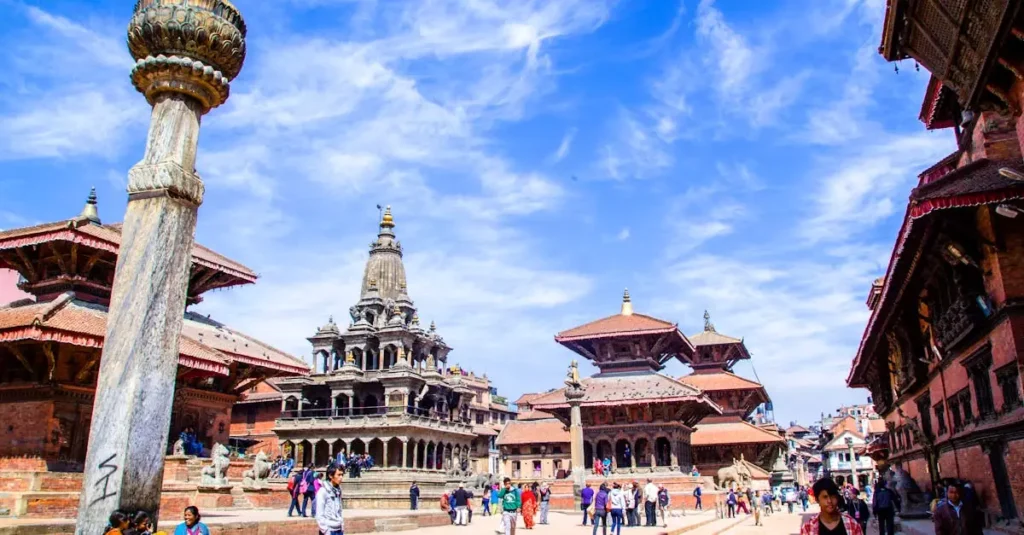
Thamel, the main tourist district in Kathmandu, hosts ATMs from many different banks. They dont all handle international cards the same way, so assuming uniform charges can cost you money. ATM screens often prompt you through several steps and show a fee notice; skipping that without reading can add up over a multi-week trip. The sections that follow break down typical costs and offer practical tips to keep your nepal atm withdrawal fees lower for a trip planned in 2026.
Understanding Nepal ATM Withdrawal Fees Explained
Using a foreign card at a Nepalese ATM typically triggers a fixed local fee imposed by the bank that owns the machine. Standard nepal atm withdrawal fees today commonly sit between 400 and 600 Nepalese Rupees (NPR), which translates to roughly $3$5 USD per cash withdrawal. That charge is separate from any fee your card issuer may add, and because its usually a flat amount, small withdrawals carry a much higher percentage cost than larger ones.
Watch out for Dynamic Currency Conversion (DCC) when an ATM offers to charge you in your home currency. It may seem convenient, but the exchange rate used by the machine is often unfavorable. Choose to be charged in ‘Local Currency’ or ‘NPR’ so your own bank handles the conversionthis normally gives a better rate. Many travelers unknowingly surrender an extra 510% by accepting DCC. A basic grasp of these financial mechanics goes a long way toward protecting your funds while enjoying Nepals attractions.
Daily and per-transaction limits are another consideration. Most Nepalese ATMs let you withdraw between 10,000 and 35,000 NPR at a time; needing 70,000 NPR could force you into two withdrawals and double the fees. Some banks, like Nabil Bank or Standard Chartered, tend to allow larger per-transaction amounts. Always glance at the on-screen fee notice before approving a withdrawal, and if the cost looks steep, cancel and try a different machine.
Major Banks and Their Nepal ATM Charges
Banks vary in how they treat international cards. Nabil Bank is widely used by visitors and operates a large ATM network across Nepal. Their charge for foreign card withdrawals tends to hover around 500 NPR, and their machines usually accept Visa and Mastercard. For many travelers, Nabils ubiquity and English-friendly interface make it a convenient choice despite the standard fee.
Himalayan Bank typically applies similar nepal atm charges, around the 500 NPR mark, and places ATMs in malls and near hotels where machines are generally well maintained. That maintenance reduces incidents like swallowed cards or empty cash dispensers, though during peak trekking season even well-situated ATMs can run low on notes. Keeping a backup bank in mind is sensible; the Nepal Tourism Board site posts useful travel updates and safety information.
Standard Chartered appeals to many Western travelers because of its international presence and occasionally higher withdrawal limits, though its per-withdrawal fee is also often about 500 NPR. Nepal SBI Bank may be friendlier to Indian-issued SBI cards, which can face different fee structures. For most foreign cards the usual nepal atm charges apply; check the card logos on the ATM to confirm compatibility before you try to withdraw.
Withdrawal Limits and Daily Caps in Kathmandu
Withdrawable amounts at Kathmandu ATMs depend on the bank and the machine model. A common per-transaction ceiling is 35,000 NPR (around $260 USD), though older or smaller ATMs might cap withdrawals at 10,000 or 20,000 NPR. If you need cash for higher-cost items like trekking gear or tour deposits, lower limits mean more trips to the machine and more accumulated nepal atm withdrawal fees. Seek out ‘Express’ or ‘Premium’ ATMs in central Thamel for the best chance of higher limits.
Your home banks rules matter too. Even when a Nepalese ATM offers 35,000 NPR, your own bank may enforce a lower daily maximum. Contact your bank before travel to inform them of your trip and to request a temporary raise in withdrawal limits if needed. Preventing card blocks and aligning limits across both banks is a practical first step toward managing overall nepal atm withdrawal fees.
When you withdraw also makes a difference. ATMs tend to be restocked after the weekend, so Monday mornings are often reliable, while Fridays and festival periods such as Dashain can see machines run out of cash. If machines fail, trying several different banks rather than repeating attempts at the same terminal can prevent your card from being blocked. Withdrawing during business hours and using machines in well-lit, staffed locations adds safety and reduces the chance of running into empty ATMs.
Comparison Table of ATM Fees in Nepal
Below is a quick comparison based on traveler experiences in 2026. Banks can change their nepal atm withdrawal fees at short notice, so always verify the fee on the ATM screen before confirming any transaction. The table lists typical fees and common maximum withdrawal amounts for foreign cards.
| Bank Name | Standard Fee (NPR) | Max Withdrawal (NPR) | Card Types Accepted |
|---|---|---|---|
| Nabil Bank | 500 | 35,000 | Visa, Mastercard, Maestro |
| Himalayan Bank | 500 | 35,000 | Visa, Mastercard, JCB |
| Standard Chartered | 500 | 35,000 | Visa, Mastercard |
| Nepal SBI Bank | 500 | 20,000 | Visa, Mastercard, RuPay |
| Global IME Bank | 400 | 25,000 | Visa, Mastercard |
Across major providers the nepal atm charges are fairly consistent, so choosing a reputable bank in a safe, busy area often beats chasing a small fee saving at an unreliable machine. If a bank quotes under 400 NPR for a foreign-card withdrawal, that can be a good deal, but machine reliability should remain a priority. A travel cost calculator, such as one available at Budget Your Trip, can help estimate how much cash you will need overall.
Pros and Cons of Using ATMs in Nepal
ATMs are the most convenient way for visitors to obtain local currency without carrying large sums from home. They let you withdraw short-term cash needs, reducing the risk tied to carrying thousands in notes, and are generally available 24/7 in cities. For many travelers, the exchange rates applied by their home bank beat what local money changers offer, which can offset some of the nepal atm withdrawal fees.
- Pro: High convenience and 24/7 availability in cities.
- Pro: Better exchange rates from your home bank.
- Pro: Security of not carrying thousands of dollars in cash.
- Con: Fixed fees can be expensive for small withdrawals.
- Con: Machines can run out of cash during holidays or peak season.
- Con: Risk of card skimming or technical errors.
Relying only on ATMs has downsides: repeated small withdrawals multiply the nepal atm withdrawal fees, machines can go offline, and in remote areas ATMs are scarce or nonexistent. If a machine swallows your card, retrieving it can take days. Carrying a backup card and some emergency US dollars or euros provides a safety net. Balancing cards with cash remains the most practical approach to traveling across Nepal.
Practical Tips to Minimize Bank Charges
You can cut costs by changing how often and how much you withdraw. Taking the largest sum allowed in one withdrawal minimizes the fees percentage impactpulling 35,000 NPR makes a 500 NPR fee about 1.4%, while a 5,000 NPR withdrawal would turn the same fee into roughly 10%. Plan ahead to avoid many small withdrawals, and consider a home bank that refunds or reduces international ATM fees.
Using a travel-focused debit card is another smart move. Several fintech banks offer cards that waive foreign transaction fees and use mid-market exchange rates, which can eliminate your home-bank percentage charges even though local nepal atm charges still apply. That combination can save a lot over a longer stay. The Nepal Tourism site contains further preparation tips to help you spend more on experiences and less on fees.
Keep a variety of denominations on hand. ATMs tend to dispense large notes like 1,000 NPR, which are awkward for small purchases and tips in villages. Break big notes at supermarkets or larger restaurants in Kathmandu to stock up on smaller bills. Hold onto ATM receipts until transactions appear correctly on your banking appreceipts are the best proof if you need to dispute a charge. Organizational habits like these will help you control nepal atm withdrawal fees and overall spending.
Alternative Ways to Access Cash in Nepal
If you want to avoid nepal atm withdrawal fees entirely, bringing cash to exchange is a practical option. Major currencies such as US Dollars, Euros, and British Pounds are widely accepted at exchange booths around Thamel and near the airport. Rather than charging a flat fee, these booths earn from the spread, and crisp, undamaged bills can secure a favorable rateuseful if machines are down or you prefer not to leave a digital trail.
Paying with credit cards is another route, though acceptance is limited to hotels, higher-end restaurants, and trekking operators. Businesses sometimes tack on a 34% surcharge for card transactions, which can exceed the cost of withdrawing cash. Ask about additional fees before using a card, and for large purchases like a Lukla flight or a guided trek consider a bank transfer or card payment if it reduces the risk of carrying large sums.
Cash remains the dominant medium outside urban centers. Power cuts or connectivity issues can render card machines useless even in Kathmandu at times. Aim to carry enough cash for at least three days expenses whenever possiblefood, transport, and emergency fundsso you arent stranded. Understanding nepal atm withdrawal fees and having several backup plans will keep your trip smoother and less stressful.
FAQs About Nepal ATM Withdrawal Fees
What is the average ATM fee in Nepal?
For international cards the typical fee ranges from 400 to 600 Nepalese Rupees per withdrawal. Many large banks, including Nabil and Standard Chartered, commonly charge 500 NPR. The ATM will display the fee before you complete the transaction.
Which bank in Nepal has the highest withdrawal limit?
Nabil Bank and Standard Chartered generally offer the highest per-transaction limits, typically up to 35,000 NPR. Some premium ATMs may stretch beyond that, but 35,000 NPR is a common ceiling. Dont forget to check your home banks daily limits as well.
Can I find ATMs in the trekking regions?
ATMs are scarce in the mountains. A few places like Namche Bazaar or Jomsom may have machines, but they frequently run out of cash or are offline. Withdraw the money youll need in Kathmandu or Pokhara before setting out on a trek.
Do Nepalese ATMs accept Mastercard and Visa?
Most ATMs across Nepal accept Visa and Mastercardlook for the logos on the machines and entrances. Cards such as American Express and Discover are rarely supported except at some upscale hotels or businesses.
How can I avoid paying ATM fees in Nepal?
Completely avoiding the local bank fee is difficult, but you can reduce its impact by maximizing each withdrawal and using travel cards that refund or waive international fees. Exchanging some cash at local bureaus is another way to sidestep ATM charges.
Conclusion: Managing Your Money in Nepal
Getting to grips with nepal atm withdrawal fees takes a bit of planning but pays off quickly. Selecting the right banks, consolidating withdrawals into larger amounts, and refusing dynamic currency conversion are practical tactics to keep costs low. The cities offer many options, but once you head into the hills its better to be well prepared with cash and a clear plan.
Nepal remains an affordable destination in 2026, even after accounting for typical nepal atm charges. A few simple stepsinforming your bank of travel dates, carrying a backup card, and keeping emergency cashwill let you spend time enjoying the mountains and local hospitality rather than worrying about money on the trail. Safe travels and enjoy your Himalayan adventure.