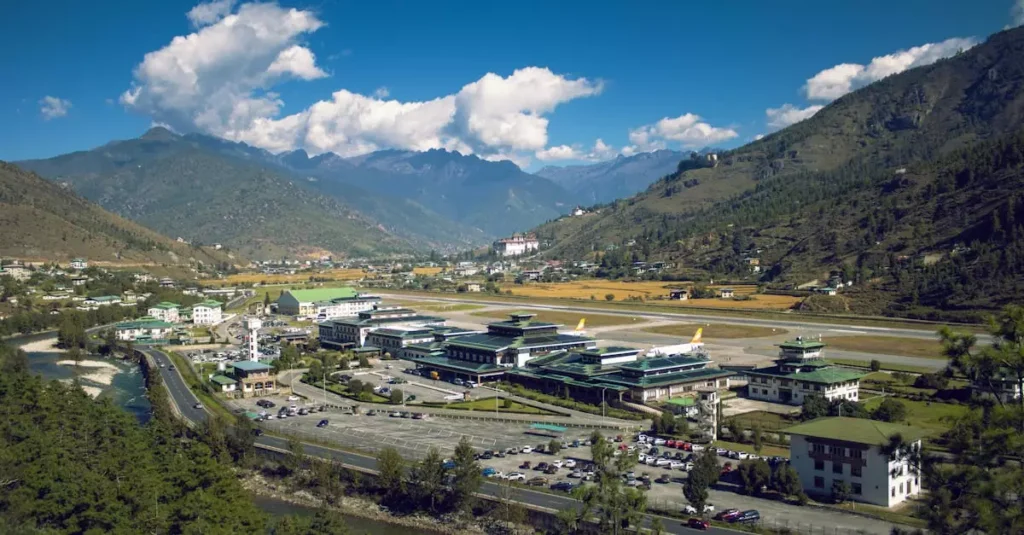
To manage paro travel cost per day effectively, careful planning is essential, especially in Bhutan. Although Paro is a quaint mountain town, costs can escalate if not approached thoughtfully. This paro budget guide offers a straightforward breakdown of daily expenses related to food, transport, accommodations, and sightseeing.
Situated in Bhutan, within Asia Travel, Paro serves as a primary entry point for travelers due to its airport. While this accessibility is convenient, it also introduces tourism pricing. Expect variations in costs depending on the season, type of accommodation, and your mode of transportation.
This guide provides practical figures, travel times, various transport options, crowd insights, and seasonal tips. Additionally, a detailed comparison table, along with pros and cons, will aid you in crafting a smart budget for 2026.
Paro Travel Cost Per Day: What You Should Expect
Your paro travel cost per day will vary based on your travel preferences. Budget travelers can save money by opting for basic guesthouses, local cuisine, and shared transport. Those leaning towards mid-range accommodations will spend more for enhanced comfort and private vehicles. Comfort travelers, especially during peak season, should anticipate significantly higher expenses.
As a general guideline, budget travelers might spend approximately USD 60 to 120 per day, excluding any special permits, guide fees, or luxury options. Mid-range travelers typically see costs around USD 130 to 250 per day. For those seeking premium hotels, private transfers, and fine dining, daily expenses can exceed USD 300.
Bhutan’s distinct tourism framework means that some expenses may be bundled or regulated. It’s wise to verify the latest entry requirements before making any arrangements. For official travel updates, refer to Bhutan Travel.
Reality Check: Paro isn’t a typical budget backpacker destination. Even modest travel can be pricier than in various other Asian locales. This is primarily due to limited supply, controlled tourism, and elevated service costs in mountainous areas.
Typical daily cost breakdown
- Budget stay: USD 25 to 50
- Meals: USD 15 to 35
- Local transport: USD 5 to 20
- Sightseeing entry and transfers: USD 10 to 60
- Extra snacks, water, and tips: USD 5 to 15
For a more precise budgeting approach, consider this rule: the more private your transport and the greater your hotel comfort, the quicker your daily expenses will increase. This factor is crucial in estimating paro travel cost per day.
Where Your Money Goes in Paro
Your primary expenses in Paro will typically be accommodation, food, and transport. Hotel prices tend to rise during peak season, and dining can be pricier if you opt for Western cuisine. Local eateries are generally more budget-friendly, but options remain limited compared to larger Asian cities.
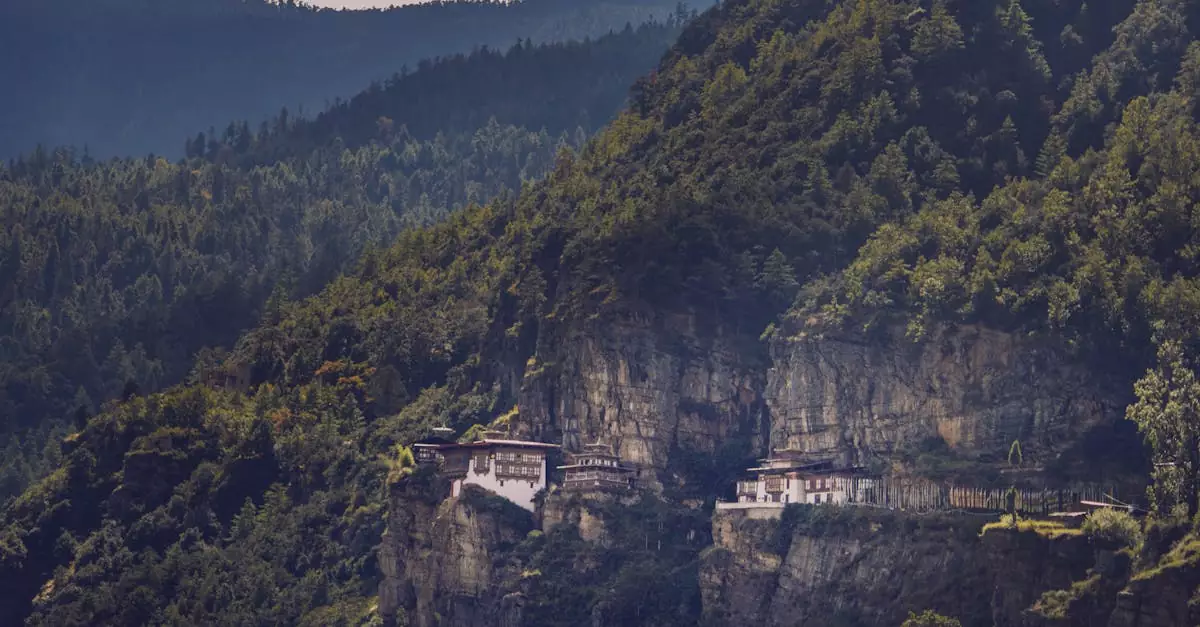
Given Paro’s small size, distances are manageable. The airport is roughly 6 km from the town center, with travel time usually around 10 to 15 minutes, depending on traffic. The Tigers Nest trailhead is about 10 to 12 km from central Paro, taking around 20 to 30 minutes by car, while the hike itself is a full-day endeavor.
Transport costs can be minimized by organizing your activities efficiently. If you plan to visit several places in one day, hiring a private car may prove more economical than paying for individual trips. Shared rides are less common than in larger cities, so don’t assume that affordable taxis will always be available.
Before traveling, check Bhutan immigration for the latest entry and immigration information. Regulations may change, so confirming details prior to booking flights or accommodations is advisable.
- Accommodation: largest daily expense
- Food: reasonable if you choose local options
- Transport: low to moderate within the town
- Activities: can be low, but guided tours can increase costs
Comparison Table: Paro Daily Budget by Travel Style
This table provides a straightforward overview of the paro travel cost per day based on three typical travel styles, aiding in your budget comparisons before selecting accommodations and transport options.
| Travel Style | Stay | Food | Transport | Activities | Total Per Day |
|---|---|---|---|---|---|
| Budget | USD 25-50 | USD 15-25 | USD 5-10 | USD 10-20 | USD 60-105 |
| Mid-Range | USD 60-120 | USD 20-40 | USD 10-25 | USD 20-50 | USD 130-235 |
| Comfort | USD 130+ | USD 30-70 | USD 20-50 | USD 40-100+ | USD 220-350+ |
This table serves as a guideline rather than an absolute rule. Peak season can significantly increase hotel prices, and last-minute bookings often lead to higher daily costs. To secure better value, consider booking early and simplifying your itinerary.
Important Tip: If your stay in Paro is limited to one or two nights, avoid over-scheduling activities. The compact nature of the town allows many attractions to be visited without extensive travel, helping to keep your paro travel cost per day manageable.
For additional context about Bhutan and its travel landscape, you can check out Bhutan overview to see how Paro fits into the larger picture.
Food, Hotels, and Transport Costs in Paro
Accommodation prices vary significantly. Guesthouses and basic lodges start at around USD 25 to 50 per night, while mid-range hotels usually fall within the USD 60 to 120 range. Luxury hotels can be substantially more expensive, particularly during busy periods such as spring or autumn.
Getting around Paro town is straightforward due to its size. Short taxi rides are typically affordable, but prices may rise for longer sightseeing trips or full-day private car rentals. If you plan to explore multiple sites outside the town, a private vehicle might be a more practical choice.
Road conditions are also a consideration. Bhutan’s mountainous terrain can lead to longer travel times than anticipated. For example, a 15 km drive could take 30 to 45 minutes if the roads are winding or traffic is slow. Always allow for extra time.
- Local meal: USD 5 to 10
- Western meal: USD 10 to 20+
- Budget hotel: USD 25 to 50
- Private car half-day: varies based on route and season
Best Time to Visit Paro and How It Affects Cost
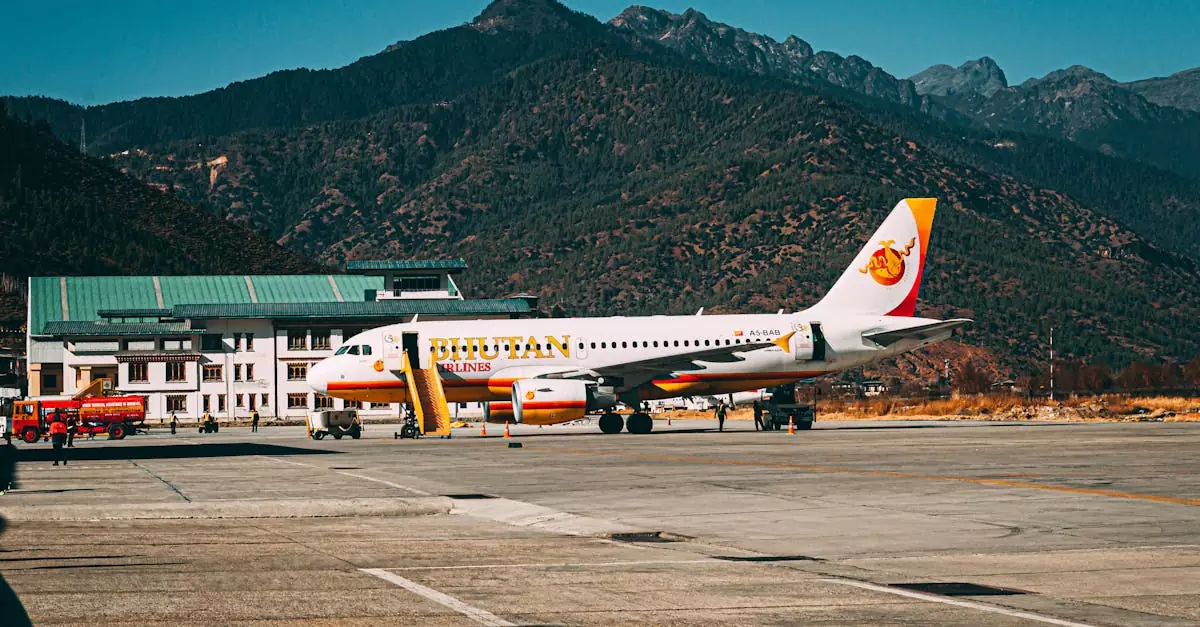
The season significantly influences paro travel cost per day. Spring and autumn are peak periods for visitors, offering clearer weather and stunning views. However, these months also see increased demand for hotels and tours, leading to higher prices.
Summer often brings rain, which can lower some costs but may also disrupt travel comfort and hiking plans. Winter is cooler and less busy, potentially offering better hotel deals, though mornings can be chilly, which some travelers might find unappealing. Many find that late spring or early autumn strikes the best balance.
Visitor patterns also shift with the seasons. During peak months, popular sites like Tigers Nest can become crowded in the mornings. An early start can help you avoid the largest crowds and capture better photos. Late mornings and afternoons typically see an influx of visitors.
Important Tip: If you plan to travel between March and May or September and November, book hotels and airport transfers well in advance. This period experiences the highest demand, and procrastination can lead to increased daily costs.
For broader travel context and destination planning, visit Kingdom of Bhutan, which can assist you in comparing Paro with other locations in Bhutan.
Pros and Cons of Budget Travel in Paro
Pros
- Short distances within the town
- Simple itinerary planning
- Good value by combining activities in one day
- Scenic environment without lengthy commutes
Cons
- High prices for a small town
- Fewer budget-friendly hotels than in major Asian hubs
- Rapid cost increases during peak season
- Frequent private transport can accumulate costs
Reality Check: Even a modest daily budget in Paro requires discipline. While savings are possible, don’t expect the same pricing levels as budget-friendly hubs in Southeast Asia.
Smart Tips to Lower Your Daily Budget in Paro
Important Tip: Carry some extra cash for small purchases, but avoid overdoing it. ATMs may not be as accessible as in larger cities, and card transactions can be less reliable in smaller establishments.
- Book early for peak seasons
- Opt for local meals whenever possible
- Use one hotel as your base
- Consolidate sightseeing into a single route
- Start hikes and visits early
Sample 3-Day Budget for Paro
Day 1: Arrival, check-in, light sightseeing, and a local dinner. Budget travelers might spend around USD 70 to 100, while mid-range travelers could spend USD 140 to 220.
Day 2: Tigers Nest hike, transport to the trailhead, lunch, and a recovery dinner. This day may incur higher costs due to the time-consuming hike requiring transportation. Budget travelers might spend USD 80 to 120, while mid-range travelers could spend USD 150 to 250.
Day 3: Town exploration, museum visits, monastery stops, and departure. Costs may decrease if your airport transfer is short. Budget travelers might spend USD 60 to 100, while mid-range travelers could spend USD 130 to 200.
In total, a straightforward 3-day trip could cost around USD 210 to 320 for budget travelers and USD 420 to 670 for mid-range travelers, depending on the season and accommodation choices. This underscores the importance of planning each aspect of your trip before arrival.
If you seek additional support for destination planning, Bhutans official travel resources are a great starting point. The country is enjoyable to explore, but it rewards those who prepare adequately.
FAQs About Paro Travel Cost Per Day
1. What is the average paro travel cost per day?
On average, budget travelers spend about USD 60 to 120 daily, while mid-range travelers typically spend USD 130 to 250. Your final costs will depend on accommodation type, season, and transport choices.
2. Is Paro expensive for budget travelers?
Indeed, Paro can be perceived as costly compared to many Asian destinations. Budget travel is feasible, but it requires a straightforward plan and early bookings.
3. How much should I budget for food in Paro?
Local meals generally range from USD 5 to 15 per person, while Western meals and hotel dining typically cost more. Sticking to local cuisine helps keep food expenses manageable.
4. Does transport significantly increase the daily budget?
It can, especially with private car bookings for multiple days. Short rides within Paro town are usually affordable, but mountain roads and longer routes can add to the cost.
5. When is the best time to save money in Paro?
Winter and the rainy season may present better hotel rates, although weather and road comfort might not be ideal. For a balanced experience, consider shoulder seasons and make early reservations.
Is Paro Worth the Daily Cost?
While Paro isn’t the cheapest destination in Asia, it provides a serene and picturesque travel experience that many find rewarding. Understanding the paro travel cost per day ahead of time allows you to navigate expenses effectively and allocate funds where they count the most.
If you desire a trip that feels organized, tranquil, and realistic, Paro is an excellent option. Just keep in mind that Bhutan values thoughtful planning. Establish your budget with accurate figures rather than guesses, and youll likely enjoy your journey even more.