When planning a trip to Sajek Valley in Bangladesh, the first thing that often comes to mind is the travel cost. This is understandable, as Sajek is stunning, but without proper planning, expenses can add up quickly. Your overall budget will be influenced by factors such as transportation, jeep sharing, accommodation choices, meals, and the time of year you visit.
This budget guide for Sajek Valley aims to provide you with a realistic estimate for your journey in 2026. It outlines the entire trip from Dhaka or Chattogram, the route to Sajek, how your funds will be allocated, and tips for saving money without compromising your experience. Ill keep the information straightforward, practical, and transparent.
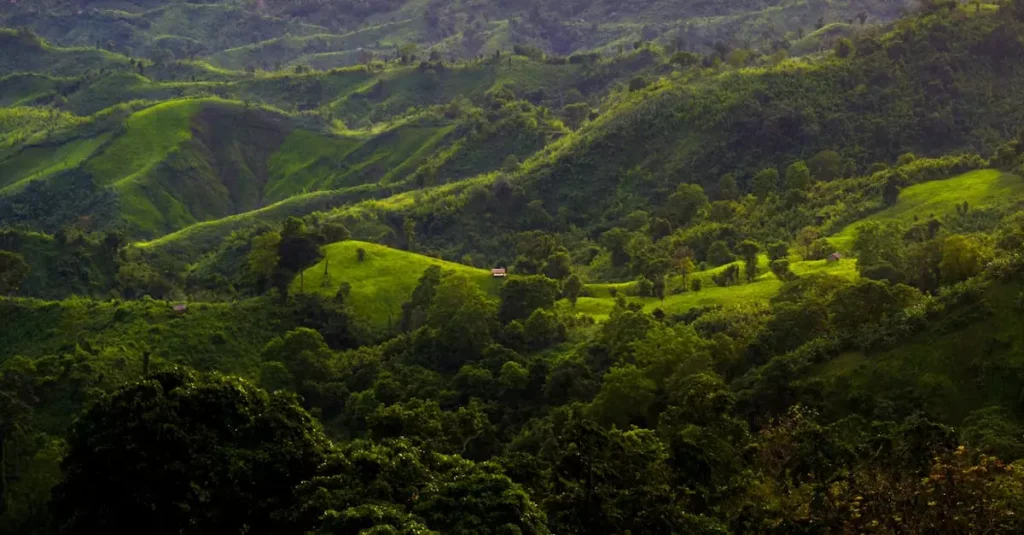
Sajek Valley is located in Bangladesh, near the Rangamati hills. Its one of the most sought-after travel destinations in Asia, particularly for those looking for misty landscapes, lush hills, and a peaceful getaway. For a brief overview of the country, you can visit Bangladesh overview.
Sajek Valley Travel Cost: What to Anticipate in 2026
The travel cost to Sajek Valley in 2026 varies for each individual. A budget trip for one person might range from BDT 3,500 to 5,500 if you share transport, opt for basic accommodation, and stick to simple meals. For a more comfortable experience, expect to spend between BDT 6,500 and 10,000 or higher per person. Traveling in a group typically reduces costs, as expenses for jeeps and rooms can be shared more efficiently.
Transportation is the largest expense. Unlike many towns, Sajek lacks direct public transport to the top. Usually, you will head to Khagrachari first, then take a jeep from either Baghaichhari or Dighinala, depending on your route and local guidelines. The final stretch of road is quite rough, making jeep fares a significant part of your budget. Additionally, hotel and resort prices fluctuate with the season. Expect higher costs during weekends, holidays, and winter mornings.
Food costs can be kept reasonable if you stick to simpler meals. Local dishes like rice, curry, eggs, and tea are budget-friendly. However, ordering specialty items can quickly inflate your bill. To create a more accurate budget, its wise to include a buffer of 15% to 20% for any unexpected changes in transport prices or extra purchases like snacks and drinks.
For a quick reference about the country, you can also explore Britannica Bangladesh.
| Expense | Budget Range per Person (BDT) | Notes |
|---|---|---|
| Intercity transport | 8002,000 | Varies by bus, train, or shared car |
| Jeep to Sajek | 6001,500 | More economical when shared |
| Hotel / resort | 1,2004,500 | Prices rise for weekends and rooms with views |
| Food | 7001,800 | Basic meals vs. specialty dishes |
| Miscellaneous | 3001,000 | Snacks, drinks, tips, and small purchases |
How to Reach Sajek Valley and Transportation Costs
Understanding the travel cost to Sajek Valley involves breaking down the journey into segments. Most travelers begin their trip from Dhaka, Chattogram, or another major city in Bangladesh, heading first to Khagrachari. From there, the final leg to Sajek is typically via a local jeep. Given the hilly terrain, travel times are generally longer than what one might expect in urban areas.
Traveling from Dhaka to Khagrachari usually costs between BDT 700 and 1,500, depending on the type of seat and service quality. The journey typically takes 8 to 10 hours, and it can be longer if traffic is heavy. From Chattogram, the trip takes about 5 to 7 hours, with fares ranging from BDT 500 to 1,000. Once in Khagrachari, many travelers opt for a jeep or shared transport to Sajek, which costs between BDT 600 and 1,500 per person when shared, and more for private hires.
Key Tip: If possible, aim to arrive in Khagrachari before the afternoon. Late arrivals can complicate jeep sharing and may necessitate a more expensive private ride. Additionally, confirm your return schedule early, as transport options can dwindle after dark.
Keep in mind that road conditions and local transport regulations can change frequently, which is typical in hilly regions. For a local travel reference, the official tourism site Beautiful Bangladesh is helpful for general planning.
Reality Check: Sajek is not structured like a city destination. Fewer transport options exist, and prices can surge during weekends, holidays, and foggy mornings. Being flexible with your schedule can help you save money.
The common route for most travelers is:
- Bus from Dhaka or Chattogram to Khagrachari
- Shared jeep from Khagrachari to Sajek
- Return via the same route
If traveling with a group, compare the total costs of shared seats versus renting an entire jeep. A group of 8 to 10 people can significantly lower the per-person cost.
Accommodation, Meals, and Daily Expenses in Sajek Valley
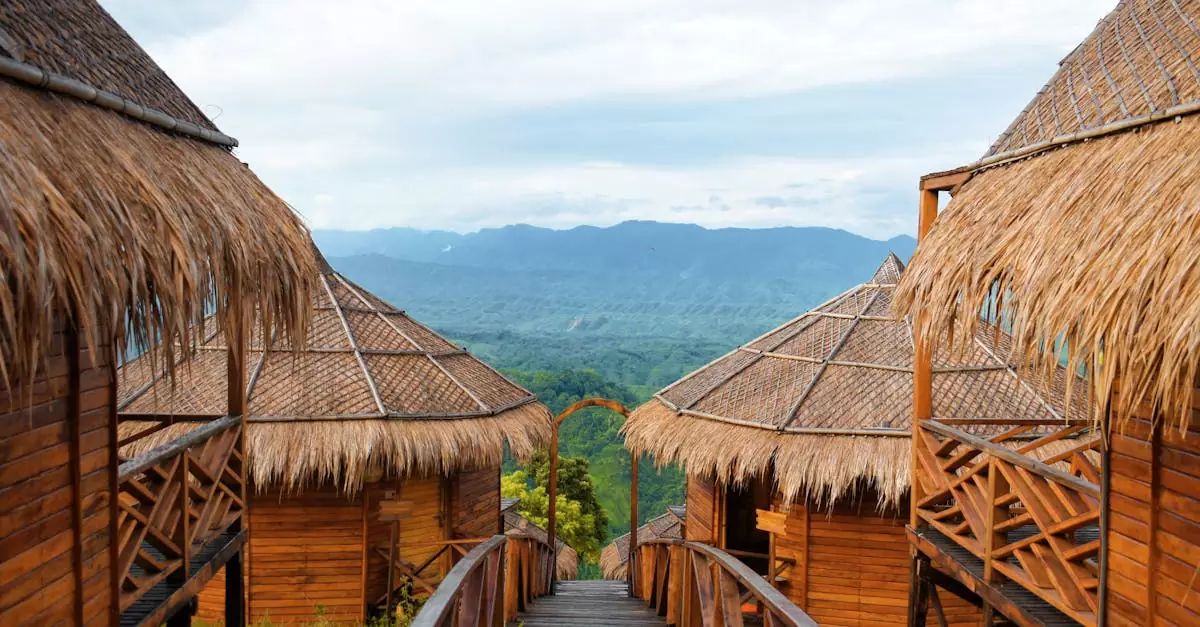
Accommodation plays a significant role in the overall travel cost to Sajek Valley. The area features numerous resorts, cottages, and guesthouses, ranging from basic and affordable options to those offering stunning views and private balconies at a higher price. Basic rooms can start at around BDT 1,200 to 2,000 per night during the low season. Mid-range accommodations generally fall between BDT 2,500 and 4,500, while premium rooms with views can be pricier, especially on weekends.
Food expenses can be managed effectively. A standard breakfast with tea and light fare might cost between BDT 150 and 300. Lunch or dinner at a local eatery could range from BDT 250 to 600 per person. Opting for special dishes like chicken, fish, or barbecue will increase your total. Although small costs like water, snacks, and tea may seem insignificant, they can accumulate over a two-day stay.
Your daily spending will also depend on your lifestyle. Some travelers may spend less by sticking to the resort and eating basic meals, while others might indulge in coffee, scenic stops, and extra snacks. For a realistic budget, consider planning around BDT 1,000 to 2,000 per day for food, additional room expenses, and local activities, excluding long-distance transport.
For those interested in comparing package options, this destination page from Indo Asia Tours offers insights into typical pricing for organized travel.
Heres a straightforward spending outline for one traveler on a 2D/1N trip:
- Room share: BDT 1,200 to 2,500
- Food: BDT 600 to 1,200
- Water and snacks: BDT 200 to 400
- Local movement or small extras: BDT 200 to 500
To save on costs, consider booking a room with a group and keeping meals uncomplicated. If you prefer a better view, invest more in your accommodation and cut back on extras.
Optimal Time to Visit and Seasonal Cost Variations
The season significantly impacts Sajek Valley. Winter is the peak time for visitors, as the weather is pleasant and the hills often appear clear in the mornings. However, this also leads to increased demand. Room rates and jeep fares typically rise during weekends and public holidays. If you plan to visit during peak season, its wise to book early to avoid higher costs.
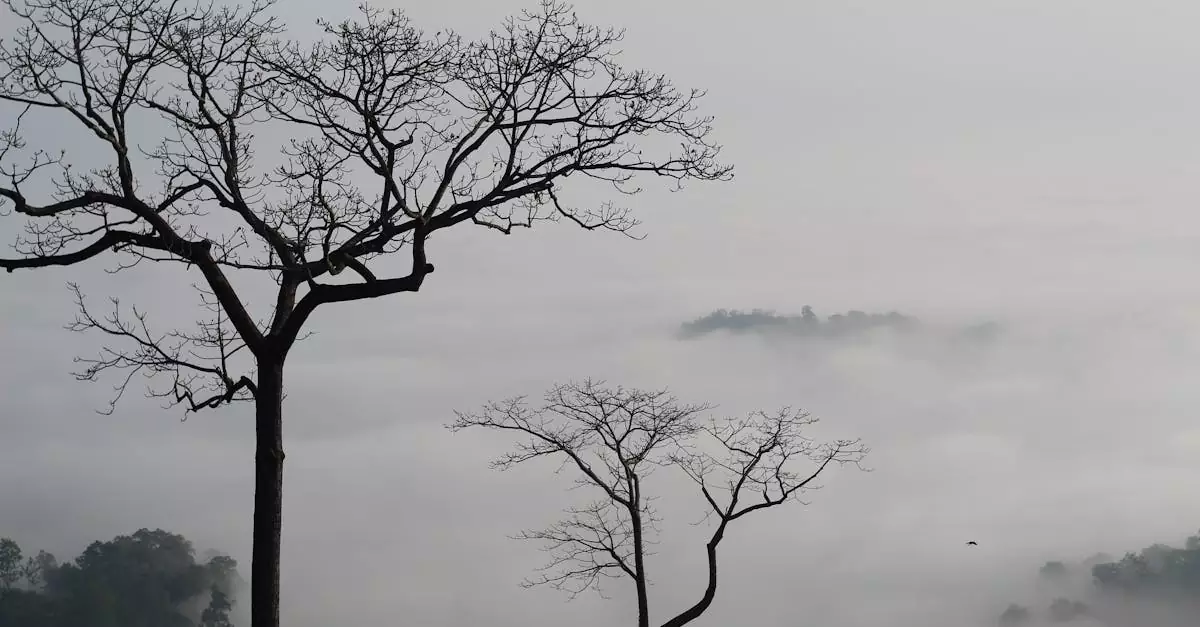
Monsoon and post-monsoon months can bring mist, rain, and slippery roads, creating a unique atmosphere that some travelers appreciate, while others find it challenging for movement and photography. During the rainy season, transport times may extend, making flexible plans essential. Fog can also obscure views in the mornings, so dont expect clear skies throughout the day.
Weekends tend to attract larger crowds, with many local tourists traveling in groups. Resorts fill up quickly, restaurants become busy, and popular viewpoints can get noisy at sunset. For a more tranquil experience, consider visiting during weekdays, as early mornings are usually quieter than afternoons.
Key Tip: If your travel dates are set, secure your transport and accommodation as early as possible. In Sajek, last-minute arrangements often lead to higher costs for less desirable rooms or inconvenient jeep schedules.
Best seasonal options include:
- Winter: optimal visibility, highest demand
- Monsoon: lush landscapes, increased rain risk
- Post-monsoon: a balanced mix of scenery and comfort
Changes in weather can also influence your packing choices. Bring a light jacket, rain gear, and shoes with good traction. While this won’t significantly lower your costs, it can help avoid minor issues that could lead to higher expenses on your trip.
Sajek Valley Budget Guide: Example Cost Plans
This budget guide for Sajek Valley becomes more practical when you look at sample plans. Below are three basic cost levels. These are not fixed prices but serve as useful estimates for your trip.
Budget trip: If you use shared transport, a basic room, and simple meals, one person might spend between BDT 3,500 and 5,500 for 2D/1N. This option is ideal for those traveling with friends to split costs. You may need to compromise on room quality and timing, but the trip remains affordable.
Mid-range trip: For those seeking better accommodation, smoother transport, and more comfortable meals, expect to pay between BDT 6,500 and 10,000 per person. This range is common among travelers looking for convenience without luxury.
Comfort trip: If you opt for a premium resort, private transport, and higher-quality meals, the travel cost can easily exceed BDT 10,000. This is suitable for those who prioritize comfort over budget.
Heres a simple comparison table:
| Trip Type | Estimated Cost per Person | Best For | Main Trade-Off |
|---|---|---|---|
| Budget | BDT 3,5005,500 | Students, groups, budget-conscious travelers | Less comfort, basic accommodations |
| Mid-range | BDT 6,50010,000 | Most travelers | Moderate spending |
| Comfort | BDT 10,000+ | Couples, families, comfort-seeking trips | Higher total expenses |
These plans are most effective when you identify your priorities. If the view is your main concern, allocate more for accommodation. If budget is your top priority, opt for shared transport and simpler lodging.
Advantages and Disadvantages of Visiting Sajek Valley
Sajek is among the most appealing hill destinations in Bangladesh, but it may not suit every traveler. Understanding the pros and cons allows you to determine whether the travel cost to Sajek Valley aligns with your travel style.
Pros
- Stunning hill views and fresh air
- Ideal for short getaways from urban life
- Numerous options for group travel
- Affordable local food and accommodations
- Excellent sunrise and sunset locations in clear weather
Cons
- Transport is not as straightforward as in flat cities
- Prices can increase quickly on weekends
- Weather may impact visibility
- Popular spots can become crowded during peak times
- Traveling by road can be tiring for some
The advantages are compelling for those seeking scenic beauty and a tranquil escape. The drawbacks are more significant for those who prefer easy transport and fixed low prices. Sajek rewards careful planning, while last-minute decisions may lead to surprises.
Essential Tips, Crowd Dynamics, and Practical Planning Advice
Sajek’s popularity stems from its scenic beauty and suitability for short holidays. However, crowd patterns can shift quickly. On Fridays and Saturdays, many accommodations fill up early, and viewpoints can become crowded at sunset. Late arrivals may result in higher costs and less comfortable stays. For a seamless experience, aim for weekday travel and early reservations.
Key Tip: Bring cash. Some establishments may not reliably accept digital payments, and network coverage can be inconsistent in hilly areas. Cash is also handy for splitting jeep fares or quickly purchasing snacks.
Another helpful practice is to keep your itinerary simple. Avoid planning too many stops in one day, as the hilly roads can slow travel times more than first-time visitors anticipate. A relaxed schedule often feels better and is more cost-effective, as it reduces the need for additional transport changes.
When discussing the travel cost to Sajek Valley, people often overlook smaller expenses. Items like bottled water, tea, camera snacks, and tips may not seem significant individually, but they can add between BDT 300 and 800 to a short trip. Hence, having a small emergency buffer is wise.
For a clearer budget plan, consider this checklist:
- Book transport ahead of time
- Share costs for jeep and accommodation
- Travel on weekdays when possible
- Carry extra cash
- Have a backup meal or snack plan
These steps wont make your trip less enjoyable; theyll make it smoother and less stressful.
FAQs About Sajek Valley Travel Cost
1. What is the cost of a basic trip to Sajek?
A basic 2D/1N trip can cost approximately BDT 3,500 to 5,500 per person if you share transport and stay in a basic room.
2. Is Sajek expensive for solo travelers?
Yes, it can be. Solo travelers often face higher costs as they cannot share jeep or room expenses. Group travel is generally more economical.
3. What is the most affordable way to get to Sajek Valley?
The most economical option is to take a regular bus to Khagrachari, then join a shared jeep to Sajek. Early booking can help lower costs.
4. Does the season affect prices?
Yes, winter weekends and holidays typically come with higher room and transport costs. The rainy season may lower some prices, but comfort in travel can be compromised.
5. How many days are ideal for visiting Sajek?
Most travelers prefer a 2D/1N stay, which is sufficient for a brief getaway. For a more leisurely experience, consider a 3D/2N trip to savor the views.
Is Sajek Valley Worth the Cost?
Absolutely, Sajek Valley is worth a visit if you appreciate breathtaking hill views, serene mornings, and a brief escape from the hustle and bustle of city life. The travel cost to Sajek Valley is manageable with proper planning, group travel, and avoiding peak booking pitfalls. Expenses can skyrocket if you book late, travel during busy weekends, or opt for premium accommodations without checking prices first.
The best strategy is straightforward. Establish a budget, compare transportation options, book early, and keep some extra cash on hand. This way, your trip can remain comfortable, and your spending can stay within limits. By following this budget guide for Sajek Valley, you can enjoy your journey without unexpected expenses.
For many travelers, Sajek is not about luxury; its about the stunning views, the journey, and the tranquil hill ambiance. If that resonates with you, the cost can be reasonable, and the experience will undoubtedly be rewarding.