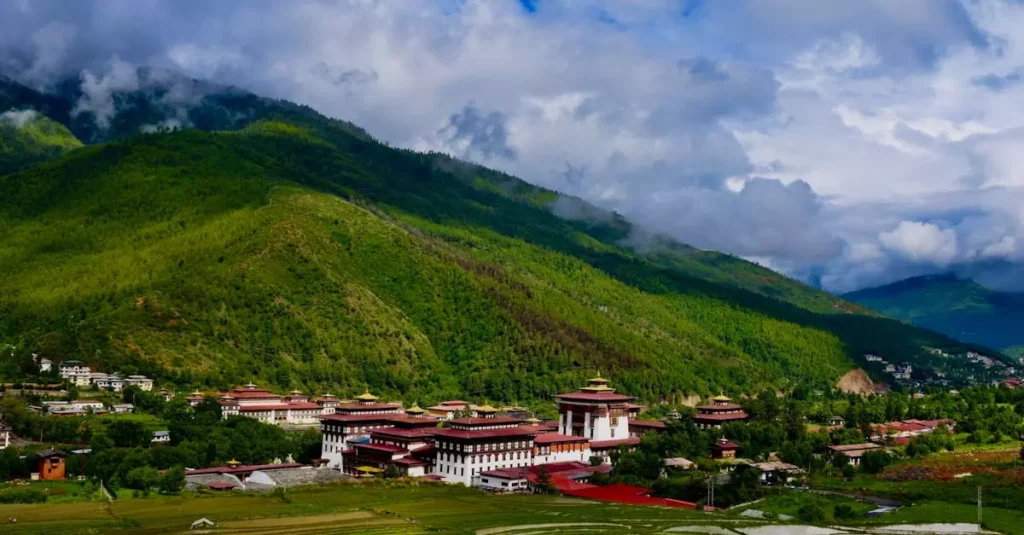
Creating a guide for your 5 day bhutan trip cost might seem daunting initially. Bhutan has a unique travel model compared to many other Asian destinations, meaning your expenses will hinge on factors like transport, accommodation choices, your itinerary, and your preferred style of spending. This guide aims to provide a straightforward and realistic overview of the 5 days bhutan budget.
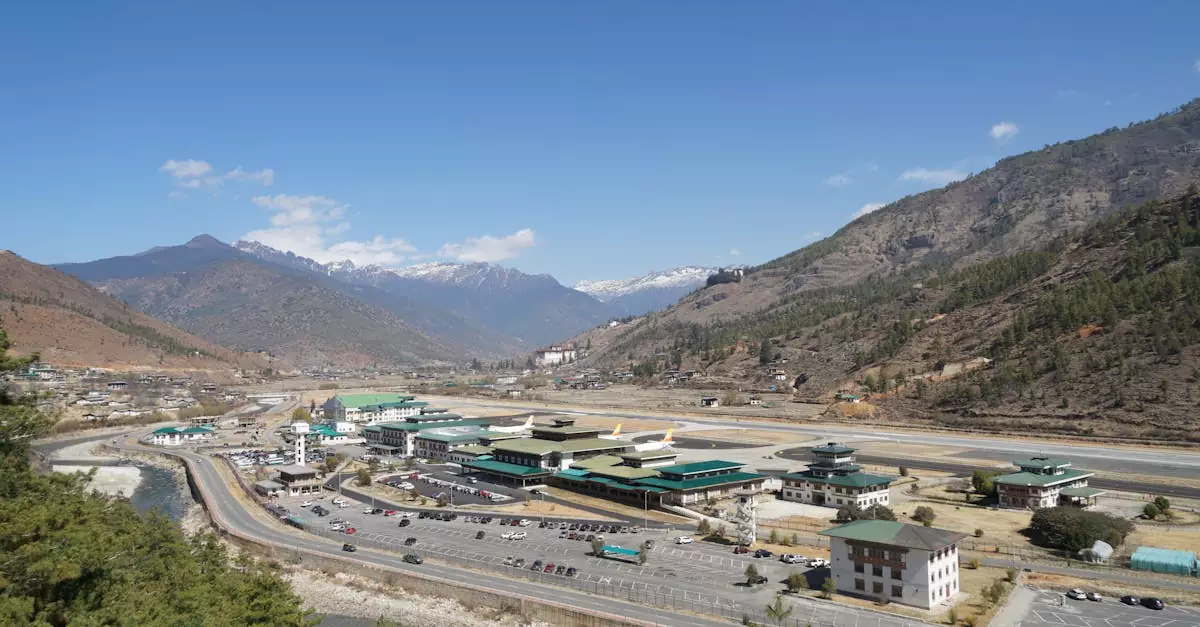
Paro serves as the primary entry point for visitors to Bhutan. Most journeys kick off here due to the airport’s location, with many travelers opting to stay in the town for either their first or last night. Even a short trip can encompass significant sites, but careful planning is essential. Costs can escalate quickly if you make last-minute bookings or rely on private transport for every leg of your journey.
This article outlines the key expenses associated with a 5-day trip in 2026. You’ll find information on transport costs, hotel pricing, food expenses, permit-related fees, and variations based on the season. Additionally, practical tips, a comparison table, and candid pros and cons are included to help you create a budget that aligns with your travel preferences.
5 day Bhutan trip cost: what to expect in 2026
The 5 day bhutan trip cost typically begins with your transport to Bhutan, followed by your daily expenses within the country. For most travelers, the largest expense isn’t food or local transport; rather, its the overall trip package, the type of hotel chosen, and whether you opt for a private guide or vehicle. While Bhutan isn’t a budget backpacking destination, it remains feasible to manage within a moderate budget if you keep your plans straightforward.
For a 5-day itinerary, a realistic budget usually falls into three categories. A basic budget works for those who select standard hotels and shared transport options whenever possible. The mid-range budget is ideal for most first-time visitors. The comfort budget allows for higher-quality hotels, private vehicles, and more varied meal options. Hotel rates in Paro can increase during peak seasons, particularly in spring and autumn.
When searching for the 5 days bhutan budget, travelers often overlook minor expenses such as airport transfers, extra snacks, entry fees for monuments, and tips. While these costs may seem insignificant individually, they add up over five days. It’s wise to set aside a buffer for potential weather delays, especially if you’re traveling during the monsoon or winter months. Traveling in Bhutan can be smooth with proper planning, but last-minute changes may not always be budget-friendly.
Reality Check: A 5-day trip to Bhutan tends to be pricier than many neighboring Asian destinations due to the country’s structured tourism regulations. However, this doesnt imply that its overpriced; rather, it emphasizes the need to budget with an informed perspective rather than expecting low-cost regional travel.
Typical 5-day budget ranges
| Budget Type | Estimated Total Cost per Person | Best For |
|---|---|---|
| Budget | USD 700 to 1,100 | Simple hotels, basic meals, shared planning |
| Mid-range | USD 1,200 to 2,000 | Comfortable hotels, private car, smoother schedule |
| Comfort | USD 2,100 to 3,500+ | Better stays, private services, flexible pace |
These ranges may vary based on the season, flight costs, and your chosen route. Paro and its surrounding valleys generally have lower costs compared to more remote travel plans. If your 5-day itinerary focuses on Paro, Thimphu, and just one side trip, managing your budget becomes easier.
How your Bhutan budget breaks down
To grasp the 5 day bhutan trip cost, its helpful to break down the trip into components. The main expense categories include international flights, visa or permit fees, accommodation, meals, local transport, and sightseeing costs. For many, flights represent the most significant variable. Due to limited direct access to Bhutan, airfare can fluctuate more than hotel rates.
Accommodation is another crucial aspect. In Paro, standard hotels are typically more accessible than luxury options, but prices can still spike during peak months. If you’re traveling in March, April, October, or November, early booking is essential. These months offer favorable weather and attract more visitors, leading to increased demand and fewer discount opportunities. During the low season, you might save money, but you could also encounter rain, fog, or cooler evenings.
Food expenses are generally manageable. Local dining and meals at hotels are affordable, but imported goods and upscale dining can elevate your daily costs. Transport within Bhutan is also a significant budget consideration. Distances may not be vast, but mountain roads can be time-consuming. A short distance on the map might still require a lengthy drive.
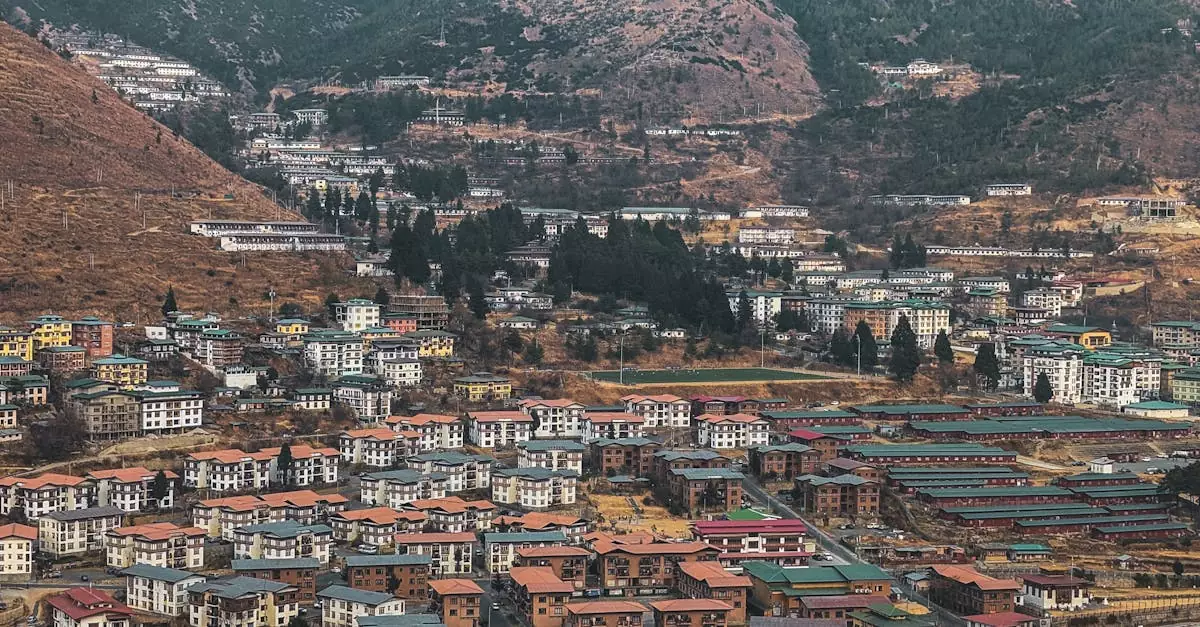
For the latest travel regulations and entry requirements, consult the Bhutan immigration website at Bhutan immigration prior to making any bookings. This will help you avoid surprises regarding documentation or current entry protocols.
Core expense categories
- Flights: Typically the most variable expense, especially for arrivals in Paro.
- Hotel: The choice between standard, mid-range, or premium accommodations significantly impacts your total.
- Meals: Affordable local cuisine, but hotel dining can be pricier.
- Transport: Options include private cars, shared vehicles, or airport transfers.
- Permits and fees: Always check current regulations before traveling.
- Guide and package costs: May apply based on your booking preferences.
Managing the 5-day budget becomes simpler when you select a consistent comfort level and adhere to it. Mixing high-end hotels with budget transport and random meal choices often leads to a disorganized budget. A clear plan tends to yield better results.
Paro trip cost and transport options
Paro acts as the primary gateway for most international visitors. Given the airport’s location in Paro, your initial and final expenses are frequently tied to this town. The distance from Paro to Thimphu is approximately 50 to 55 km, but the journey can take about 1.5 to 2 hours depending on traffic, road conditions, and weather. This is crucial since many travelers design their Bhutan itineraries around Paro and one or two nearby valleys.
Local transport in Bhutan differs from a typical city metro system. You will likely rely on a private car, hotel transfer, or pre-arranged vehicle. While taxis are available, they may not be the best choice for longer sightseeing excursions. The scenic roads, with their mountain curves, can slow travel. This is standard in Bhutan and should be factored into your budget planning.
If your journey begins in Paro, consider spending at least one night there at the start or end of your trip. This minimizes stress in case of flight delays and allows you to explore Paro Dzong, the town center, or nearby viewpoints without feeling rushed. Even a brief stay in Paro can be beneficial, even on a tight budget.
For broader destination insights, the main Bhutan travel site at Bhutan travel provides an excellent overview of locations and travel ideas. It serves as a valuable starting point for mapping out a 5-day itinerary.
Transport cost guide
| Transport Item | Approx. Cost | Notes |
|---|---|---|
| Airport transfer in Paro | USD 10 to 25 | Varies based on hotel and vehicle type |
| Paro to Thimphu by car | USD 30 to 70 | One-way private transfer |
| Full-day private car | USD 60 to 120 | Ideal for sightseeing |
| Short local taxi ride | USD 3 to 8 | Convenient for getting around town |
These figures are estimates, not fixed prices. During busy months, securing transport can be challenging at the last minute. Hence, advance planning is crucial for the 5 day bhutan trip cost.
Hotel, food, and daily spending in Bhutan
The cost of accommodation can significantly impact your budget more than many first-time travelers anticipate. In Paro, a basic hotel may suffice if you only require a clean room and breakfast. Mid-range hotels typically offer better heating, superior views, and more reliable service. Luxury accommodations can quickly escalate your overall trip cost. For a 5-day journey, even a slight difference in nightly rates can be crucial.
Food expenses are generally manageable. Local meals are typically affordable, and many hotels provide breakfast. Dining at tourist-focused restaurants will likely increase your lunch and dinner costs compared to local options. Imported drinks, coffee, and snacks can add up, especially if purchased at hotel shops or airport outlets. A mindful traveler can keep food costs in check without feeling restricted.
Your daily spending also hinges on your pace. A leisurely day in Paro involving a walk, a museum visit, and a simple dinner will be less expensive than a packed sightseeing day with a private vehicle and multiple stops. The more adaptable your itinerary, the easier it is to manage the 5 days bhutan budget.
For a comprehensive overview of the country, the Wikipedia page on Bhutan at Bhutan overview can provide valuable insights into the geography and background before planning your itinerary. Use it as a general reference rather than a booking source.
Daily spend estimate
- Budget traveler: USD 35 to 70 per day inside Bhutan, excluding international flights.
- Mid-range traveler: USD 80 to 150 per day inside Bhutan.
- Comfort traveler: USD 160 to 300+ per day inside Bhutan.
Important Tip: Inquire at your hotel whether breakfast is included. This detail can save money and streamline your morning routine, especially in Paro, where early starts are beneficial for sightseeing and transfers.
Important Tip: Carry some cash for minor purchases. Not all locations are equally card-friendly, and mountain travel may not always accommodate last-minute payment changes.
The most effective strategy is to select one standard of accommodation and one style of transport prior to your departure. This way, your daily budget remains predictable.
Sample 5-day Bhutan budget plan for Paro
Heres a straightforward sample itinerary for a 5-day trip that emphasizes Paro and nearby attractions. This can be helpful if you want to estimate the 5 day bhutan trip cost without creating a complex itinerary. The plan assumes one arrival day, two sightseeing days, one transfer or side-trip day, and one departure day, maintaining a practical route for most travelers.
Day 1 typically involves arriving in Paro, checking into your hotel, and taking a light stroll around town. Day 2 can be dedicated to exploring Paro Valley. Day 3 may involve a transfer to Thimphu or another nearby area. Day 4 can focus on cultural experiences, while Day 5 is often reserved for departure or a final morning visit. This kind of itinerary minimizes road fatigue and helps avoid unnecessary transfer costs.
Distance is a key factor in Bhutan. A route that appears short on a map may take longer due to hills, curves, and road conditions. Therefore, a practical 5-day plan is often more effective than attempting to cover too many locations. If you aim for a clearer 5 days bhutan budget, keeping your route compact is advisable.
Sample cost breakdown
| Item | Budget | Mid-range | Comfort |
|---|---|---|---|
| Hotel for 4 nights | USD 160 to 300 | USD 320 to 700 | USD 800+ |
| Meals for 5 days | USD 75 to 150 | USD 150 to 300 | USD 300+ |
| Local transport | USD 50 to 120 | USD 120 to 250 | USD 250+ |
| Sightseeing and fees | USD 30 to 80 | USD 60 to 150 | USD 150+ |
| Buffer | USD 50 to 100 | USD 100 to 200 | USD 200+ |
This table does not account for international flights, which can significantly affect the final total. Its best to treat flight costs as a separate item when calculating your trip expenses.
For a straightforward 2026 plan, first-time travelers should consider budgeting slightly above the lowest estimate. Having a buffer makes navigating Bhutan easier. This can alleviate stress if weather, road conditions, or booking changes impact your schedule.
Best time to visit Bhutan and seasonal cost changes
The season can influence both your experience and your budget. Spring and autumn are the most popular times to visit Bhutan, typically offering clearer views, better walking conditions, and more stable road conditions. However, these seasons also attract more visitors, which can drive up hotel prices in Paro and other key areas. If you seek the best combination of weather and cost, it’s advisable to book early for these months.
Summer monsoon months might present lower prices, but the trade-off involves rain, cloud cover, and potential road delays. Winter can be quieter and sometimes cheaper, though mornings and evenings can be quite cold. If youre not accustomed to mountain weather, you may end up spending more on heating or warmer clothing, which should also be factored into your budget.
Travelers in Bhutan generally exhibit calm and respectful behavior. Even during busy months, you won’t encounter the same chaos found in many crowded tourist cities. However, popular attractions can become busier during festival periods and holiday weekends. If you plan to travel during a major local event, secure transport and accommodations well in advance.
For destination insights and travel inspiration, the official tourism portal at Kingdom of Bhutan is a great resource for planning around seasons and locations. It can provide a glimpse into how the country presents itself to visitors.
Seasonal budget notes
- Spring: Excellent weather, higher demand, elevated prices.
- Autumn: Optimal visibility, busy roads, strong hotel demand.
- Summer: Potential for lower prices, but rain may disrupt plans.
- Winter: Fewer crowds, colder nights, possible savings.
Seasonal planning is crucial because a low room rate does not always equate to a low overall trip cost. If rain or cold necessitates changes, you may incur additional expenses for comfort and flexibility. Thus, a realistic budget is preferable to a very tight one.
Pros and cons of a 5-day Bhutan trip
A brief trip to Bhutan can be highly rewarding, but it also has its limitations. Understanding the pros and cons can help you determine if the 5 day bhutan trip cost aligns with your travel preferences. A 5-day itinerary is best suited for those seeking a focused cultural and scenic experience rather than a whirlwind country-hopping adventure.
Pros
- Easy to plan around Paro and nearby valleys.
- Balanced mix of culture, scenery, and tranquil travel.
- Short trips mean fewer hotel changes.
- Manageable road distances if the route remains simple.
- Ideal for travelers who enjoy calm, organized experiences.
Cons
- Flight costs and trip structure may render it pricier than nearby destinations.
- Mountain roads can slow down travel times.
- Weather may impact views and road comfort.
- Short trips limit opportunities to explore remote areas.
- Peak seasons can inflate hotel and transport costs.
If your goal is to experience Bhutan without feeling rushed, five days should suffice for an initial visit. However, for deeper exploration, you may require additional time and a larger budget. The key is to align your plan with your expectations.
Important tips to save money and travel smart
Controlling the 5 day bhutan trip cost without compromising the quality of your trip is achievable through a few straightforward strategies. First, maintain a compact route. A combination of Paro, Thimphu, and one nearby stop is sufficient for a short visit. Second, book in advance if traveling during spring or autumn. Third, avoid changing hotel standards nightly. A consistent plan typically results in savings.
Important Tip: Structure your trip around one or two main bases. Each additional hotel change adds transport time, luggage handling, and potential booking fees. In Bhutan, a simplified route often provides better value than attempting to see too many places.
Important Tip: Focus on road times rather than just distances. A 50 km journey in Bhutan can take significantly longer than anticipated, affecting meal schedules, activity choices, and the number of sites you can realistically visit in one day.
Additionally, pack wisely. Warm layers, rain gear, and comfortable walking shoes can prevent unnecessary purchases upon arrival. If you require a specific item in Paro, it may be more expensive than at home, which is a minor but real consideration in your budget.
Lastly, allow for some flexibility in your spending. An effective travel budget is not merely the cheapest possible; it’s one that remains functional when weather, travel times, or booking changes arise.
FAQs about 5 day Bhutan trip cost
1. What is the average 5 day Bhutan trip cost in 2026?
For many travelers, the average 5 day bhutan trip cost typically ranges from USD 1,200 to USD 2,000 per person, excluding major flight adjustments. Budget trips can be lower, while comfort-oriented trips may exceed this range.
2. Is Paro a good base for a short Bhutan trip?
Absolutely. Paro serves as the main entry point and is a practical base for a 5-day itinerary. It minimizes transfer stress and grants access to nearby attractions without extensive travel times.
3. How much should I budget for food in Bhutan?
For a brief trip, a simple food budget can range from USD 75 to USD 150 over five days if you opt for modest dining. Mid-range meals will incur higher costs, especially in hotels or tourist-centric restaurants.
4. Does season change the Bhutan budget a lot?
Indeed. Spring and autumn generally incur higher costs due to increased demand. Summer and winter may provide some savings, but weather and road conditions can impact the overall value of your trip.
5. Can I do Bhutan on a tight budget?
It’s possible to keep expenses manageable with a straightforward route, standard accommodations, and early bookings. However, Bhutan isn’t a particularly cheap destination, so it’s wise to plan a realistic budget rather than expecting ultra-low travel costs.
Is a 5-day Bhutan trip worth the cost?
Certainly, a 5-day trip to Bhutan can be worthwhile if you’re seeking a serene, picturesque, and culturally enriching experience. The crux lies in planning with realistic expectations. The 5 day bhutan trip cost will depend on your choice of accommodation, transport style, season, and flight prices. Paro serves as a sensible starting point, simplifying and streamlining your journey.
For optimal value, concentrate on a concise and clear route, make early reservations, and maintain a consistent budget throughout your trip. This approach will help you manage the 5 days bhutan budget with ease. Bhutan rewards those who plan thoughtfully and travel at a steady pace, as it’s not a destination meant for haste, which adds to its charm.
As you plan for 2026, the most effective strategy involves budgeting with a buffer, consulting official travel resources, and keeping your itinerary focused. This way, your trip will remain comfortable, transparent, and financially manageable.