
Getting around Singapore is straightforward thanks to its highly efficient public transport system. The Mass Rapid Transit (MRT) network serves as the city’s main transport artery, linking popular attractions, business hubs, and residential neighborhoods. For travelers mindful of their budget, understanding the singapore metro cost per day can make a big difference in managing daily expenses. This information will help you map out your transportation spend with confidence.
Known for its cleanliness, safety, and punctuality, Singapores MRT offers a hassle-free alternative to navigating the city by car or taxi. Whether youre visiting for a brief holiday or an extended stay, familiarizing yourself with available travel options is essential. Various fare schemes and ticket types cater to different needs, ensuring you can find the most cost-effective and convenient way to get around.
This detailed overview covers everything from single-ride tickets to tourist passes, offering practical advice on how to save money and travel efficiently. By the end, youll have a clear understanding of what your daily metro rides might cost and how to make the most of Singapores public transit.
Understanding Singapore MRT Fares and Ticketing Options
The MRT system in Singapore provides multiple payment methods to suit different travelers. Fares are calculated based on the distance you travel, so longer journeys cost more. This distance-based pricing ensures fairness for all users. Picking the right ticket type can greatly influence your singapore metro cost per day, so its worth considering your travel habits carefully.
If you’re only taking the MRT occasionally, single-trip tickets are a straightforward choice. Available from General Ticketing Machines (GTMs) at any station, you just select your destination and pay the fare. These tickets come as contactless cards that you tap upon entering and exiting the stations. A small refundable deposit may be included, returned when you hand the card back. Although convenient, single-trip tickets tend to be the priciest option per ride and arent economical if you plan to travel multiple times in a day.
For those staying longer or traveling regularly, stored-value cards such as the EZ-Link or Nets FlashPay cards offer discounted fares. You preload money onto these cards and tap them at entry and exit points, with the fare automatically deducted. These cards are sold at MRT stations, convenience stores, and post offices, and they can also be used on buses, making them a flexible option for public transport users. They work well for visitors who intend to use public transit frequently throughout their stay.
Another popular choice, especially among tourists, is using contactless bank cards. Thanks to the SimplyGo initiative, you can pay directly by tapping Visa, Mastercard, or American Express credit or debit cards at the gates. The system calculates and charges your fare to your card account without needing a separate travel card. This option is particularly handy for travelers who prefer not to carry additional cards, although foreign transaction fees may apply depending on your banks policies.
There are also special tourist passes designed for unlimited travel within specific periods. These can be a cost-effective pick if you plan to explore extensively. Each payment method has pros and cons, so aligning your choice with your travel itinerary and how often you plan to ride will help you make the best decision.
Singapore Metro Cost Per Day: A Detailed Breakdown
The daily cost of using the Singapore MRT varies widely based on your ticket choice, number of trips, and travel distances. Reviewing typical expenses for different scenarios can clarify what to expect and assist in budgeting your daily transport costs.
Tourists relying on single-trip tickets will find each ride costs between S$1.70 and S$2.90, depending on how far they travel. Taking four trips in a day could amount to between S$6.80 and S$11.60, making this option the least economical for frequent travel.
Using an EZ-Link card or a contactless bank card lowers fares considerably, with trips usually costing between S$0.92 and S$2.30. For four rides, this totals roughly S$3.68 to S$9.20, offering substantial savings over single-trip tickets. These cards are a great fit for most visitors moving around the city regularly.
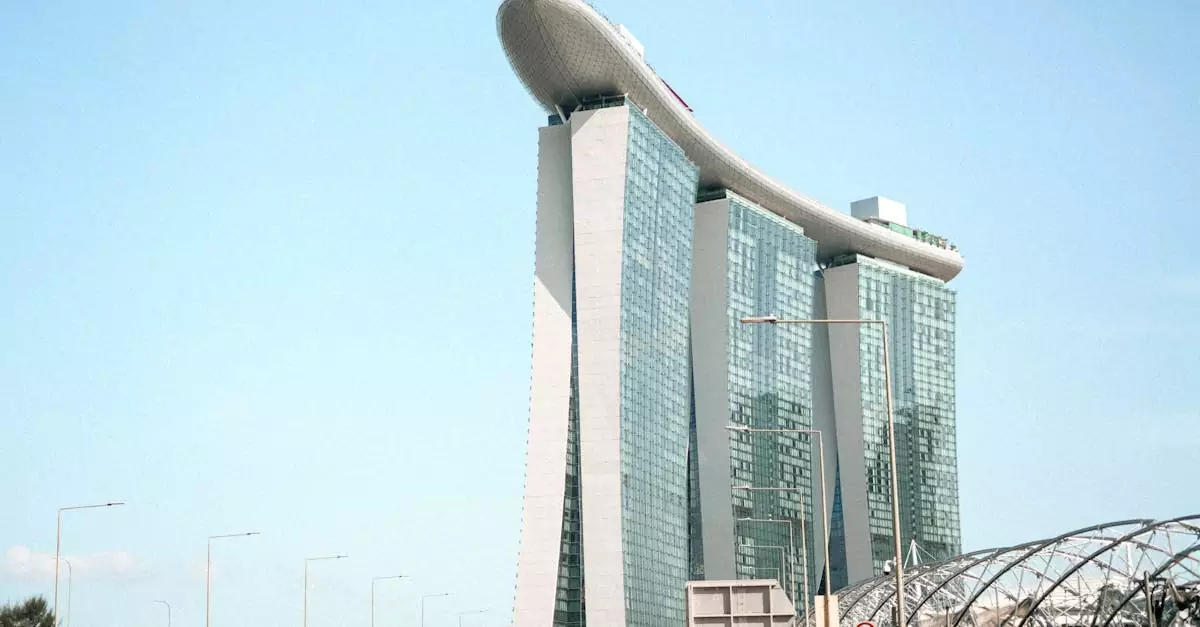
The Singapore Tourist Pass provides unlimited rides on MRT trains and buses, available in 1-day (S$10), 2-day (S$16), and 3-day (S$20) versions, with an additional refundable deposit of S$10. If your plans involve taking numerous trips each day, this pass offers excellent value for money. For instance, making 6 to 8 rides daily means the 1-day pass quickly pays for itself, especially when covering longer distances. This pass also removes the hassle of calculating individual fares and can be purchased at selected TransitLink Ticket Offices.
Your itinerary plays a big role in estimating daily metro expenses. Days packed with visits to far-flung attractions will naturally cost more than exploring a single area such as Marina Bay. You might also save money by walking between nearby sights, reducing the need for short MRT rides. Having a clear sense of your travel plans will help you manage your budget more effectively.
Comparing Travel Card Options: Singapore MRT Price Guide
Choosing the right travel card is essential to controlling your singapore mrt price guide. Each option suits different types of travelers. Heres a comparison of the most common cards and passes to help you decide which fits your needs best.
The EZ-Link card is a widely used stored-value card popular with both locals and visitors. It costs S$10 initially (S$5 for the card itself and S$5 stored value when purchased) and can be topped up easily at stations or convenience stores. It offers discounted fares compared to single-trip tickets and is accepted on buses as well. The card never expires, but unused stored value expires after five years. This card is ideal for tourists staying several days to weeks.
Contactless bank cards through the SimplyGo system provide unmatched convenience by letting you use your regular Visa, Mastercard, or AMEX cards for fare payment. You avoid purchasing a separate card and topping it up, with fares comparable to those on the EZ-Link. This option suits short-term visitors or anyone favoring cashless travel. Be mindful of possible foreign transaction fees and confirm with your bank beforehand.
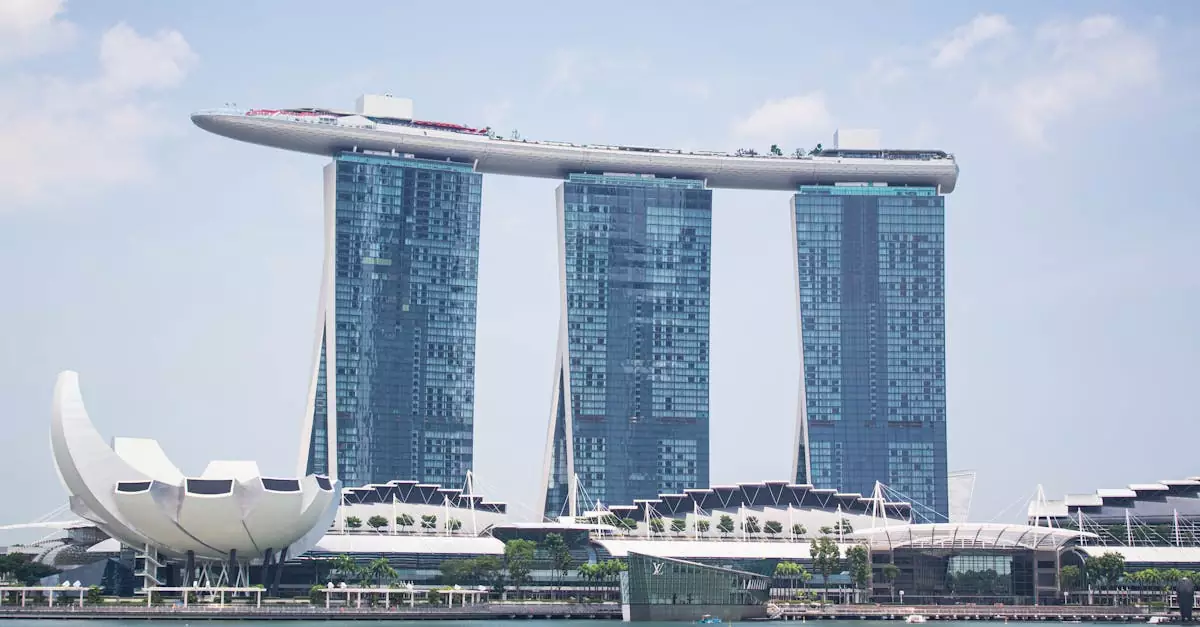
Designed specifically for tourists, the Singapore Tourist Pass (STP) enables unlimited travel on MRT trains and buses for 1, 2, or 3 days, priced at S$10, S$16, and S$20 respectively, plus a S$10 refundable deposit. This pass is perfect for those planning to cover many destinations daily. It eliminates the need to worry about calculating fares and is sold at major MRT stations and Changi Airport. Returning the card within five days secures your deposit refund, making it a cost-efficient choice for heavy users.
Families traveling with young children will find additional savings. Kids under the age of 7 and shorter than 0.9 meters can ride free without a ticket. For children who are older or taller but still in primary school, a Child Concession Card grants free travel after application at a TransitLink Ticket Office, requiring the childs passport for verification. This can help reduce transport expenses further.
Heres a summary table to make your decision easier:
| Ticketing Option | Pros | Cons | Ideal User |
|---|---|---|---|
| Single-Trip Ticket | Easy to purchase, no long-term commitment | Costs more per trip, inconvenient for frequent rides | Occasional travelers or one-time trips |
| EZ-Link Card / Nets FlashPay | Lower fares, usable on buses, widely accepted | Initial card cost, requires topping up balance | Visitors staying multiple days or regular commuters |
| Contactless Bank Card (SimplyGo) | Extremely convenient, no need for a separate card, fares similar to EZ-Link | Possible foreign transaction fees, requires compatible bank card | Short-term visitors or cashless travel enthusiasts |
| Singapore Tourist Pass (STP) | Unlimited rides for set days, cost-effective for heavy use, no fare calculation | Upfront cost and deposit, only economical for frequent riders | Tourists planning intensive sightseeing |
Pros and Cons of Using Singapore’s MRT System
The MRT in Singapore enjoys a global reputation for excellence, yet it comes with its own set of strengths and limitations. Understanding these helps you plan your travel more effectively and enjoy smoother journeys throughout your visit.
One of the greatest advantages is the systems remarkable efficiency and extensive reach. It covers nearly every part of the city, connecting popular destinations, shopping centers, and dining spots with ease. Trains arrive frequently, especially during rush hours, minimizing wait times. The punctual service allows you to rely on schedules for careful planning. Air-conditioned trains provide a welcome refuge from Singapores tropical climate. Stations are well-kept, with clear signage that helps even first-time riders find their way. With travel cards, fares are very affordable compared to taxis or ride-hailing services, helping you stick to your travel budget.
On the downside, the system can become quite crowded during weekday peak periods (7-9 AM and 5-7 PM), making for less comfortable rides where standing is common. Some destinations require a short bus transfer or walk from the nearest MRT stop, adding a slight layer of complexity. The MRT doesnt operate around the clock, typically running from about 5:30 AM until midnight. For very early or late travel, taxis or night buses become necessary. Additionally, the initial S$5 non-refundable cost of an EZ-Link card might be a minor downside for those on very short trips. Despite these small drawbacks, the MRT remains the fastest, most affordable way to explore Singapore. For a deeper dive into Singapores history and culture, visit Wikipedia.
Practical Tips for Saving on Public Transport Costs
There are several straightforward ways to keep your singapore metro cost per day low while getting around efficiently. Applying these strategies lets you use your transport budget wisely, freeing up funds for other experiences.
- Choose your card wisely: For trips longer than three days, an EZ-Link card or Singapore Tourist Pass generally offers better value than buying individual single-trip tickets. Estimate your daily rides to find the most economical option.
- Walk when possible: Many of Singapores major sights lie close to each other. Places like Marina Bay Sands, Gardens by the Bay, and the Merlion can be reached on foot, saving you small MRT fares.
- Mix MRT and bus travel: Singapores bus system integrates seamlessly with the MRT and might drop you closer to certain destinations. Using both transport modes effectively can save both time and money. Your EZ-Link or STP works for buses too.
- Avoid peak hours if you can: Traveling outside the busy commuter periods (7-9 AM and 5-7 PM) wont lower your fare but will make for a more comfortable journey.
- Plan ahead: Apps like Google Maps or MyTransport.SG offer real-time updates and route suggestions, helping you pick the fastest, most direct paths and avoid unnecessary transfers.
- Take advantage of child concessions: Kids under 7 or below 0.9 meters travel free, and older primary school children can get a free Child Concession Card, reducing family travel costs.
- Stay close to MRT stations: Choosing accommodation near a station cuts down on additional transport expenses and saves valuable time.
- Look out for promotions: Sometimes, special deals on tourist passes or travel cards appear. Check the TransitLink website or tourist centers for current offers before purchasing.
By following these tips, youll enjoy Singapores world-class public transport without overspending. Smart travel planning helps you allocate your budget toward memorable activities and attractions. For more budgeting advice, see our travel budget guide.
Exploring Singapore’s MRT Network: Key Lines and Destinations
Singapores MRT stretches across the island, covering most areas. Knowing the main lines simplifies getting around. Each line is color-coded, making it easy to identify and plan journeys. The system continues to grow, with new stations and lines added regularly.
The North-South Line (Red) and East-West Line (Green) are the oldest and most heavily used routes, forming the citys backbone. The North-South Line connects northern residential neighborhoods to the central business district and Marina Bay, with stops like Orchard Road, City Hall, and Marina Bay. The East-West Line runs from Pasir Ris in the east to Tuas Link in the west, including a branch to Changi Airport. It also serves areas like Bugis, City Hall, and Jurong East, covering many tourist hotspots.
The North East Line (Purple) links HarbourFront, the gateway to Sentosa Island, to Punggol in the northeast. It passes through vibrant neighborhoods such as Chinatown, Clarke Quay, and Little India. The Circle Line (Orange) is a fully underground loop connecting multiple radial lines and important hubs. It stops at places like Holland Village, Botanic Gardens, and Esplanade, providing a convenient alternative to passing through the city center and often shortening travel times.
The Downtown Line (Blue) is a newer addition, stretching from Bukit Panjang to Expo. It connects key areas including Botanic Gardens, Bugis, Chinatown, and Marina Bay Sands, linking many cultural and entertainment districts. The Thomson-East Coast Line (Brown) is the latest line opening progressively, aiming to connect Woodlands in the north with the East Coast. It will enhance access to spots like Gardens by the Bay, Orchard, and the future Changi Airport Terminal 5.
This vast network means that most major attractions are just a short ride away. Whether you want to explore the bustling streets of Chinatown or relax in the Botanic Gardens, the MRT makes it easy. For trips to Sentosa Island, take the North East Line to HarbourFront station, then transfer to the Sentosa Express monorail or walk across the boardwalk. Familiarizing yourself with the MRT map is a smart step to save time and control your daily travel spending.
When is the Best Time to Use the MRT?
Knowing when to ride the MRT can improve your travel comfort significantly. Avoiding peak times means less crowding and a more pleasant commute. Although the MRT runs efficiently throughout the day, some periods are busier than others.
Rush hours on weekdays are typically from 7:00 AM to 9:00 AM and again from 5:00 PM to 7:00 PM. These are the times when trains fill up with commuters heading to or from work. If you can, plan your sightseeing outside these windowsstarting after 9:00 AM or scheduling evening activities near your accommodation can make a big difference. Traveling during off-peak times usually means more available seats and a more relaxed experience.
Weekends tend to be less crowded overall, especially early mornings and late evenings. However, popular stations like Orchard, City Hall, and HarbourFront can get busy during midday and afternoons on Saturdays and Sundays, as shoppers and tourists flock there. Arriving early at popular attractions on weekends helps you avoid both crowds and the midday heat.
Public holidays present a mixed picture. Commuter traffic might dip, but leisure travel often increases, causing busy trains on routes heading to tourist spots. Checking the local holiday calendar before your trip can help you anticipate these fluctuations. Generally, mid-mornings to mid-afternoons on weekdays and later evenings after 7:00 PM are the most peaceful times to travel. This also allows for a more enjoyable visit to popular sites without the crowds. For more on timing your trip, see our guide to the best time to visit.
Frequently Asked Questions About Singapore Metro Costs
How much is a 1-day Singapore Tourist Pass?
The 1-day Singapore Tourist Pass is priced at S$10, with an additional refundable deposit of S$10. This pass grants unlimited travel on MRT trains and buses for a 24-hour period.
Is it cheaper to use an EZ-Link card or a single-trip ticket?
Generally, using an EZ-Link card is more economical. It offers discounted fares compared to single-trip tickets, making it a better option for multiple rides.
Can I use my credit card on Singapore MRT?
Yes, contactless Visa, Mastercard, and American Express credit or debit cards are accepted under the SimplyGo system. Just tap your card at the entry and exit gates to pay your fare.
Do children travel free on Singapore MRT?
Children under 7 years old and shorter than 0.9 meters travel free without a ticket. Primary school children who are older or taller can apply for a Child Concession Card, which allows free travel.
What is the average Singapore metro cost per day for a tourist?
On average, a tourists singapore metro cost per day ranges from S$5 to S$15, depending on how many trips they take and which ticket or pass they use. For heavy users, the Singapore Tourist Pass is often the most cost-effective choice.
Conclusion: Mastering Your Singapore Metro Cost Per Day
Grasping the details behind the singapore metro cost per day helps make your trip smoother and more budget-friendly. Singapores MRT is a world-class transport network, known for its efficiency, cleanliness, and safety. Selecting the right ticketwhether its a Singapore Tourist Pass for unlimited travel, a flexible EZ-Link card, or the ease of contactless bank paymentsallows you to optimize your transport expenses.
Consider your itinerary, how many trips you expect to make, and the length of your stay to guide your choice. Combining strategies like traveling during off-peak hours, walking short distances, and mixing MRT with bus rides can boost your savings even more. The MRT goes beyond being just a transportation system; its a gateway into Singapores vibrant culture and top attractions.
With this comprehensive overview in hand, youre prepared to navigate Singapores public transport like a local. Enjoy seamless travel, explore every corner of this dynamic city, and make the most of your travel budget. Have a fantastic time discovering Singapore!