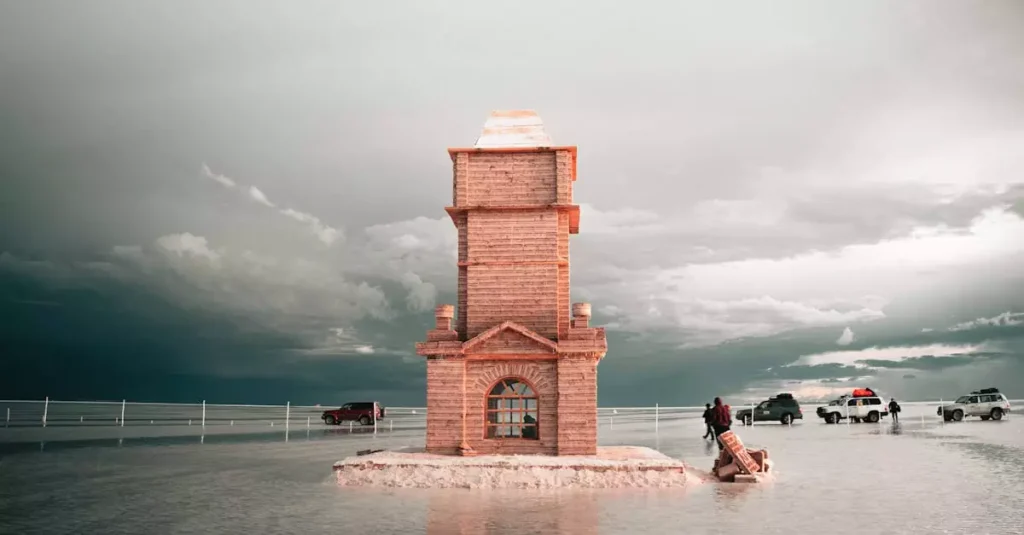
The Salar de Uyuni in Bolivia stands out as one of those destinations that captures travelers’ imaginations instantly. Vast expanses of white salt stretch endlessly across the horizon, punctuated by vibrant lagoons and otherworldly landscapes that seem almost alien. Adventurers from every corner of the globe find themselves drawn here, and for backpackers especially, the challenge lies in making this dream happen without draining your bank account. Knowing what you’ll actually spend on a Uyuni backpacking adventure is the first step toward turning this into reality.
The expenses you’ll encounter break down into several distinct categories, each playing a role in your total budget. Tour pricing varies considerably, as do accommodation choices, meal costs, and getting yourself to and from the region. Having a realistic picture of these expenses allows you to plan confidently and make decisions that align with your financial situation. You’ll be able to maximize every moment of your trip while keeping your wallet intact.
Whether you’re traveling on a shoestring or willing to spend a bit more for added comfort, there are strategies that work for different budgets. From understanding what tour operators actually include to discovering where you can trim costs without sacrificing the experience, this breakdown covers everything you need. Ready to explore Uyuni without emptying your pockets? Let’s dig into the numbers.
Understanding Your Uyuni Backpacking Cost
The total amount you’ll spend depends on multiple moving parts that all add up together. Your biggest single expense will almost certainly be the tour of the salt flats themselves, and these come in different lengths with varying price tags attached. Most backpackers gravitate toward the 3-day, 2-night option because it strikes a balance between comprehensive experience and reasonable cost. If your schedule is tight or your budget even tighter, a 1-day tour exists as an alternative, though you’ll see less. Each version offers something different, both in terms of what you experience and what you pay.
Beyond the tour itself, several other costs demand your attention. You’ll need somewhere to sleep the night before and after your salt flat adventure, which means accommodation in Uyuni town. Eating three meals a day adds up quickly. Getting to Uyuni in the first place, whether by bus or other transport, represents another chunk of your budget. Then there are those smaller expenses that catch many travelers off guard: entrance fees for national parks, paying extra for hot showers, and tipping your guides and support staff. Anticipating these prevents any unpleasant surprises when you’re already out there.
Timing matters more than you might think. Prices tend to climb during the dry season when the weather is most favorable (May through November). If you’re flexible with your dates, visiting during the shoulder months of April or December can yield better rates. That kind of flexibility, when you have it, can genuinely reduce what you spend overall. Breaking down all these components gives you real control over your Uyuni backpacker budget travel cost guide and helps you allocate your money strategically.
Breaking Down Your Uyuni Tour Expenses
The tour itself represents the lion’s share of what you’ll spend, making it the most important number to understand. A standard 3-day, 2-night experience typically runs between 700 BOB to 1,200 BOB per person, depending on which operator you choose and what they include. This price covers your seat in a 4×4 vehicle, a driver-guide who knows the terrain, basic sleeping arrangements, and your meals throughout the duration. You won’t be alone eitherthese tours usually group 5-6 travelers together, which is how operators keep costs down for everyone.
What exactly comes with that tour price? Expect three meals daily, nothing fancy but genuinely filling. You’ll sleep in basic dormitory-style rooms, either in salt hotels or simple refuges. Water is typically provided in bottles, though bringing extra is smart. The itinerary covers the main attractions: the salt flats themselves, Incahuasi Island, the colored lagoons, geysers, and hot springs. Before you commit to any operator, always ask for a detailed list of what’s included so there are no surprises later.
Several costs almost certainly won’t be bundled into that price. The entrance fee to Eduardo Avaroa Andean Fauna National Reserve runs about 150 BOB and usually comes out of your pocket. Hot showers at various refuges typically cost 10-20 BOB extra. Tipping your guide and the cook is customary and genuinely appreciated by people working in remote conditions. Snacks you buy along the way, extra beverages, and souvenirs you can’t resist will also need to come from your own funds. Building these into your budget prevents any financial stress when the moment arrives.
Accommodation Options for Backpackers in Uyuni Town
You’ll almost certainly spend at least one night in Uyuni town itself, either before or after your tour, and the town offers options suited to various budget levels. Hostels dominate the backpacker scene, with dormitory beds available for as little as 40-70 BOB per night. These places typically come equipped with basic essentials like WiFi and communal bathrooms. Some even throw in a simple breakfast to start your day.
If you want a bit more privacy and comfort, basic guesthouses and small hotels fill the gap between hostels and luxury. A private room in these establishments runs 100-200 BOB nightly and usually includes your own bathroom. Hot water, which can feel like pure luxury at this altitude, is sometimes availablealways confirm this when booking. The shoulder seasons see fewer tourists, making walk-in bookings easier, but during peak season, reserving ahead is definitely wise.
Your accommodation during the actual 3-day tour is a different beast entirely. You’ll be staying in refuges or simple salt hotels where the rooms are shared with multiple beds and minimal amenities. Electricity is scarce, and hot water is either nonexistent or costs extra. These rustic conditions are part of what makes the experience memorable and authentic. Sleeping under the stars in a remote desert, despite the basic surroundings, creates moments you’ll remember forever. For additional insights on managing travel expenses, our travel budget guide offers helpful strategies.
Eating on a Backpacker Budget: Food and Drink in Uyuni
Food costs represent another significant piece of your budget puzzle. Within Uyuni town itself, you can eat affordably if you know where to look. Local restaurants offer set lunch menus called almuerzos for 15-25 BOBthese typically include soup, a main course, and a beverage. Street vendors selling salteas and empanadas charge even less, usually 5-10 BOB per item, making them perfect for quick meals or snacking between activities.
Restaurants catering to the tourist crowd will charge considerably more, with main courses ranging from 40-80 BOB. Many backpackers take a different approach: buying groceries from local markets and preparing their own meals if their hostel has kitchen access. This strategy can save you real money over several days. Always carry some snacks with you as well, since options become limited once you’re out on the tour.
During your 3-day tour, all meals come included, which simplifies things considerably. The food is straightforwardbreakfast might be bread and jam with coffee, while lunch and dinner typically feature pasta, rice, vegetables, and some meat. Vegetarian options exist if you mention your preference when booking. Bringing additional snacks, fresh fruit, and plenty of water is still recommended, especially given the high altitude where hydration becomes critical for your wellbeing.
Getting To and Around Uyuni: Transportation Costs
Getting yourself to Uyuni is a crucial expense that varies depending on where you’re coming from. Most backpackers arrive by bus from other Bolivian cities, with La Paz being the most common starting point. That journey costs roughly 80-150 BOB and takes about 10-12 hours of travel time. If you’re coming from Sucre or Potos instead, the trip is shorter and cheaper, typically 40-80 BOB. These bus services are generally reliable, though comfort levels vary considerably between operators.
Train travel presents another option if you prefer a different experience. The Wara Wara del Sur and Expreso del Sur trains connect Uyuni to Oruro and Villazn, offering more comfort than buses but at a slightly higher price. Expect to pay 60-200 BOB depending on which class you choose and where you’re headed. Train schedules don’t run daily, so checking ahead is essential.
Once you’re actually in Uyuni town, getting around is straightforward and inexpensive. The town is compact enough to explore on foot without difficulty. Taxis exist if you’re carrying heavy bags or need to reach something further out, with short rides typically costing just 5-10 BOB. Flying to Uyuni is possible from La Paz, but it’s significantly pricieroften 500 BOB or moremaking it impractical for most backpackers. For more context on the region’s geography, the Wikipedia article on Salar de Uyuni provides useful background information.
Pros and Cons of Different Uyuni Tour Types
Selecting the right tour format has enormous implications for both your Uyuni backpacker budget travel cost guide and the experience itself. Each option delivers something different, both in terms of what you see and what you pay. Understanding these tradeoffs helps you make a choice that genuinely fits your situation. Three main options dominate: the 1-day tour, the 3-day tour, and private tours.
1-Day Uyuni Tour
- Pros: This is the cheapest option available, typically costing around 200-350 BOB. It works perfectly for travelers whose schedules don’t allow for longer commitments. You still get to see the main highlightsIncahuasi Island, the train cemetery, and the most iconic salt flat views. Since you return to town the same day, you don’t need to pack overnight gear.
- Cons: The pace is relentless and exhausting. You miss the magical sunrise and sunset moments that make the salt flats truly special. The more remote colored lagoons, geysers, and hot springs remain unseen. Meals and accommodation aren’t included, so you’re responsible for feeding yourself before and after.
3-Day/2-Night Uyuni Tour
- Pros: Backpackers favor this option for good reason. It delivers a genuinely comprehensive experience of the salt flats and the surrounding desert landscape. You see the colored lagoons, geysers, hot springs, and witness both sunrise and sunset over the flats. Meals and lodging are handled for you, eliminating daily planning headaches. You get real immersion into the region rather than just passing through.
- Cons: It costs more than a 1-day tour, ranging from 700-1,200 BOB. The accommodation is genuinely basicdormitory-style rooms with minimal facilities. Some travelers find the length tiring, and conditions are undeniably rustic. You’ll spend considerable time bouncing around in a 4×4 vehicle.
Private Uyuni Tour
- Pros: This option gives you complete control over your itinerary and pace. You can customize what you see, choose your own accommodation quality, and travel according to your preferences. It’s ideal for families or small groups who value privacy. You get a dedicated guide and vehicle all to yourselves.
- Cons: This is by far the most expensive choice, with prices ranging from 2,000-5,000 BOB or higher depending on what you want included. It falls well outside what most backpackers can afford. Arranging everything requires more planning and coordination on your part.
Comparison Table: Budget vs. Mid-Range Uyuni Trip
Seeing the difference between a strict budget approach and a mid-range one clarifies what your Uyuni backpacking cost might actually look like. This table breaks down typical expenses for a 3-day adventure, with all figures in BOB. Keep in mind that prices fluctuate based on season and your negotiating ability.
| Item | Budget Backpacker (BOB) | Mid-Range Traveler (BOB) |
|---|---|---|
| 3-Day Tour (Shared) | 700 – 900 | 900 – 1200 |
| Pre/Post Tour Accommodation (1 night) | 40 – 70 (Hostel Dorm) | 100 – 200 (Basic Hotel) |
| Food (Pre/Post Tour, 2 meals) | 30 – 50 (Local Eateries/Street Food) | 80 – 150 (Tourist Restaurants) |
| National Park Fees | 150 | 150 |
| Extra Water/Snacks | 30 – 50 | 50 – 100 |
| Hot Showers/Toilets | 20 – 40 | 20 – 40 |
| Tips for Guide/Cook | 50 – 100 | 100 – 200 |
| Total Estimated Cost (per person) | 1020 – 1350 | 1400 – 2040 |
This breakdown reveals that budget-conscious backpackers can experience Uyuni for considerably less money than those willing to spend more. Smart choices about where you sleep and what you eat make a real difference. Even mid-range travelers discover good value here. The tour itself remains the dominant cost factor regardless of which budget tier you fall into.
Practical Tips for Saving Money on Your Uyuni Adventure
Keeping your Uyuni backpacking cost reasonable requires some strategic thinking and planning. Numerous opportunities exist to reduce expenses without compromising the quality of your experience. These strategies focus on extracting maximum value and avoiding unnecessary spending. Following this Uyuni backpacker budget travel cost guide means your money stretches further than you might expect.
- Book Your Tour in Uyuni: Resist the temptation to book your tour online before arriving. Prices online are typically inflated. Instead, get to Uyuni town and visit multiple tour agencies in person. You can compare what different operators offer, negotiate better rates, inspect their vehicles, and meet the guides who’ll lead you. This hands-on approach consistently yields better deals.
- Travel in the Shoulder Season: Plan your visit for April, May, or November if your schedule allows. Weather during these months is still excellent, and tourist crowds are thinner. Tour prices might dip slightly compared to peak dry season rates. Our best time to visit guide provides more details on seasonal considerations.
- Bring Bolivian Bolivianos (BOB) in Cash: Many expenses throughout your trippark entrance fees, hot showers, souvenirsrequire cash. ATMs in Uyuni are unreliable and often charge steep fees. Carrying sufficient local currency from the start eliminates stress and hidden charges.
- Pack Smartly: Bring warm layers, a quality jacket, hat, gloves, and sunscreen before you arrive. You’ll need all of these for the cold nights and intense sun exposure. Purchasing these items in Uyuni is expensive. Similarly, pack your own reusable water bottle and snacks rather than buying them along the way.
- Negotiate Prices: Negotiation is a normal part of doing business in Bolivia, especially for tours. Don’t hesitate to ask for a better price, particularly if you’re joining a group. Just make sure you’re comparing similar inclusions across different operators.
- Opt for Group Tours: Shared 3-day tours represent the most economical option available. Private tours cost dramatically more. Traveling with a group distributes vehicle and guide costs among more people, benefiting everyone’s budget.
- Eat Locally: In Uyuni town, patronize local markets and restaurants offering set lunch menus. These provide authentic meals at genuine prices. Tourist-focused establishments should be avoided if you’re watching your spending closely.
Implementing these practical strategies significantly reduces your overall Uyuni backpacking cost. You’ll experience the incredible landscapes while knowing you made your money count.
Frequently Asked Questions About Uyuni Backpacking
How much does a 3-day Uyuni tour cost?
A standard 3-day, 2-night Uyuni tour generally costs between 700 to 1,200 Bolivian Bolivianos (BOB) per person. This typically includes transportation via 4×4 vehicle, basic accommodation, and your meals throughout. Just remember that national park entrance fees and hot showers often come as separate charges.
Is Uyuni expensive for backpackers?
Uyuni isn’t the cheapest destination in Bolivia, but it’s entirely doable on a backpacker budget. The tour itself represents a significant expense, but choosing budget-friendly accommodation, eating at local spots, and booking tours directly in town keeps your overall Uyuni backpacking cost reasonable.
What currency is used in Uyuni?
The Bolivian Boliviano (BOB) is the currency you’ll use throughout Uyuni and Bolivia. Carrying sufficient cash in BOB is strongly recommended, especially for tour payments, park fees, and smaller purchases, since card payments are rare outside major businesses.
Do I need to book my Uyuni tour in advance?
For the best Uyuni backpacking cost, avoid booking your tour far in advance through online platforms. Instead, arrive in Uyuni town and visit local tour agencies directly. This approach lets you compare prices, negotiate, and evaluate the operators firsthand. Booking a few days before your preferred departure date is typically sufficient.
What should I pack for a Uyuni trip?
Pack multiple layers of warm clothing, including a substantial jacket, hat, and gloves, since nights get genuinely cold. Bring sturdy walking shoes, sunglasses, sunscreen, and lip balm to protect against the intense sun. A reusable water bottle, extra snacks, and a portable charger are also highly valuable for the remote journey.
Conclusion: Your Unforgettable Uyuni Adventure Awaits
Tackling your Uyuni backpacking cost doesn’t need to feel overwhelming. By carefully considering tour