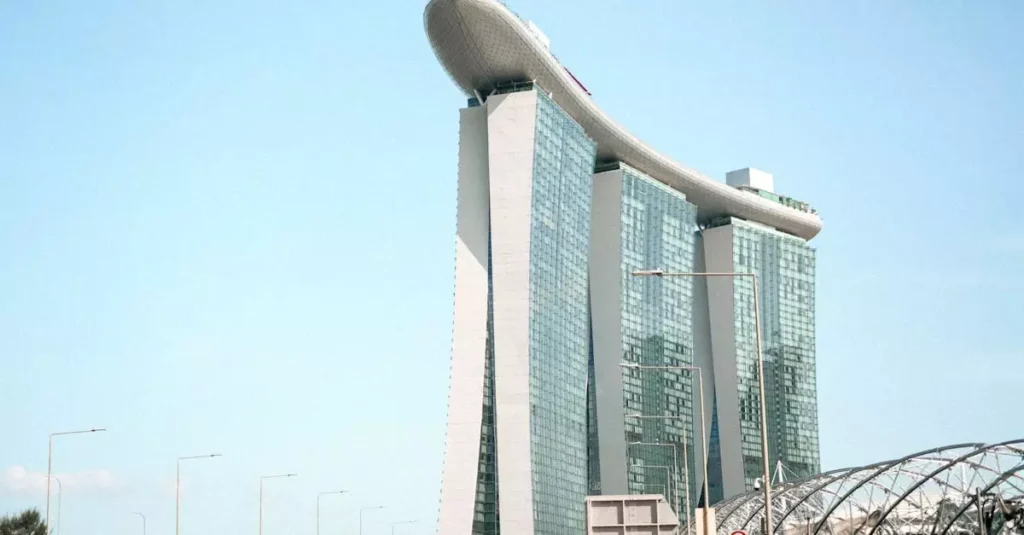
Singapore, a bustling island city-state, is celebrated for its captivating skyline, verdant parks, and top-notch public amenities. For both tourists and locals, taxis provide an easy and flexible way to get around the busy streets. Having a clear grasp of the singapore taxi cost per km can help you plan your budget better and avoid surprises during your travels.
Figuring out taxi fares in Singapore isnt always straightforward. The cost depends on a mix of initial flag-down rates, charges based on distance traveled, and a variety of surcharges that fluctuate depending on factors like time, location, and how the taxi was booked. This breakdown will clarify these elements so you can better estimate your taxi expenses.
Whether youre traveling from Changi Airport to downtown or wandering through different districts, understanding how taxi fares are calculated will give you an edge. From the basics of fare calculations to comparing ride-hailing alternatives, youll gain the knowledge needed to travel smart in Singapore.
Understanding the Singapore Taxi Cost Per KM
At the heart of taxi pricing in Singapore lies the charge per kilometer, which kicks in after the initial flag-down fee. Standard taxis, such as those operated by ComfortDelGro, begin with a flag-down rate that covers the first kilometer or less. Afterward, the meter calculates the fare based on distance traveled. Typically, the flag-down rate ranges between S$3.90 and S$4.10. Each additional segment is charged in incrementsfor instance, about S$0.28 to S$0.30 for every 400 meters up to 10 kilometers. Beyond that, the fare adjusts slightly to about S$0.28 to S$0.30 per 350 meters. These small increments accumulate quickly on longer trips, so understanding this variable singapore taxi cost per km can help you predict your fare more accurately.
Luxury taxis, including Mercedes-Benz or the classic London Cabs, come with higher starting fees and slightly elevated per-kilometer rates. Their flag-down rates usually fall between S$4.90 and S$5.10, with distance charges hovering around S$0.30 per 400 meters. Before hopping in, its wise to verify the taxi type if youre watching your spending. The taxi meter will clearly display the fare, and drivers are generally upfront about any extra costs. Knowing these fundamental rates is essential for managing your travel expenses effectively.
The total fare comprises the flag-down charge, distance-based fees, and any applicable surcharges. These surcharges can notably inflate your bill, especially during busy periods or late at night. For example, rides during peak hours or overnight often include an additional percentage on top of what the meter shows. Well dive into the details of these surcharges shortly. Having this foundational understanding will make navigating Singapores taxi system much easier.
Singapore Taxi Fare Structure Explained
Singapores taxi pricing system is layered and designed to balance operational costs with demand. Every ride starts with a flag-down fee, which is the base charge upon entering the taxi. For regular four-seater taxis, this fee usually falls between S$3.90 and S$4.10. Larger six-seater vehicles or premium taxis have a higher flag-down rate, generally around S$4.90 to S$5.10. This covers the first kilometer of your trip.
After that initial kilometer, fares are calculated based on distance traveled in specific increments. For example, you might be charged S$0.28 for every 400 meters up to the 10-kilometer mark. Beyond 10 kilometers, the increment changes to S$0.28 per 350 meters. Additionally, if the taxi is idling or moving slowlysuch as when stuck in traffica waiting charge of about S$0.28 applies every 45 seconds. This ensures drivers are fairly compensated even when not covering distance.
Knowing these fare components makes it easier to estimate your costs. A short ride of around 5 kilometers during off-peak hours might set you back roughly S$8 to S$10. Longer trips, say 20 kilometers, can easily cost between S$25 and S$30 before surcharges come into play. The meter always displays the live fare, and drivers must use it, providing transparency throughout your journey. Getting familiar with this fare structure is an important step in any travel budget guide for Singapore.
Peak Hours, Surcharges, and ERP
Surcharges play a major role in shaping the final singapore taxi cost per km. They can add a significant percentage to your base fare. One of the most common extra charges applies during peak hours: weekday mornings from 6:00 AM to 9:30 AM and evenings from 6:00 PM to midnight daily. During these periods, a surcharge of 25% to 35% is tacked onto the meter fare, encouraging travelers to consider public transport or less busy times. Late-night rides, between midnight and 5:59 AM, carry an even steeper surcharge, often 50% above the metered amount. Scheduling your trips outside these intervals can lead to notable savings.
Additional surcharges include fees related to the airport and taxi bookings. When departing from Changi Airport, an airport surcharge appliesusually around S$8 during peak times (5:00 PM to midnight on Fridays through Sundays) and S$3 at other times. Booking a taxi via a call center or app also adds a booking fee, commonly between S$2.30 and S$3.30 for immediate requests, with slightly higher fees for advance bookings. These charges are standard across most operators and ride-hailing platforms.
The Electronic Road Pricing (ERP) system adds another layer of cost. ERP gantries are positioned on expressways and busy roads to ease congestion. When a taxi passes through an active ERP gantry, the charge is added directly to your fare. The amount can vary widelyfrom as low as S$0.50 to upwards of S$6.00 per gantrydepending on location, time, and traffic conditions. While you cant avoid ERP fees if your route passes these points, being aware of them helps explain your final taxi bill. Factoring these surcharges in is essential when estimating your taxi expenses in Singapore.
Ride-Hailing vs. Traditional Taxis: A Cost Comparison
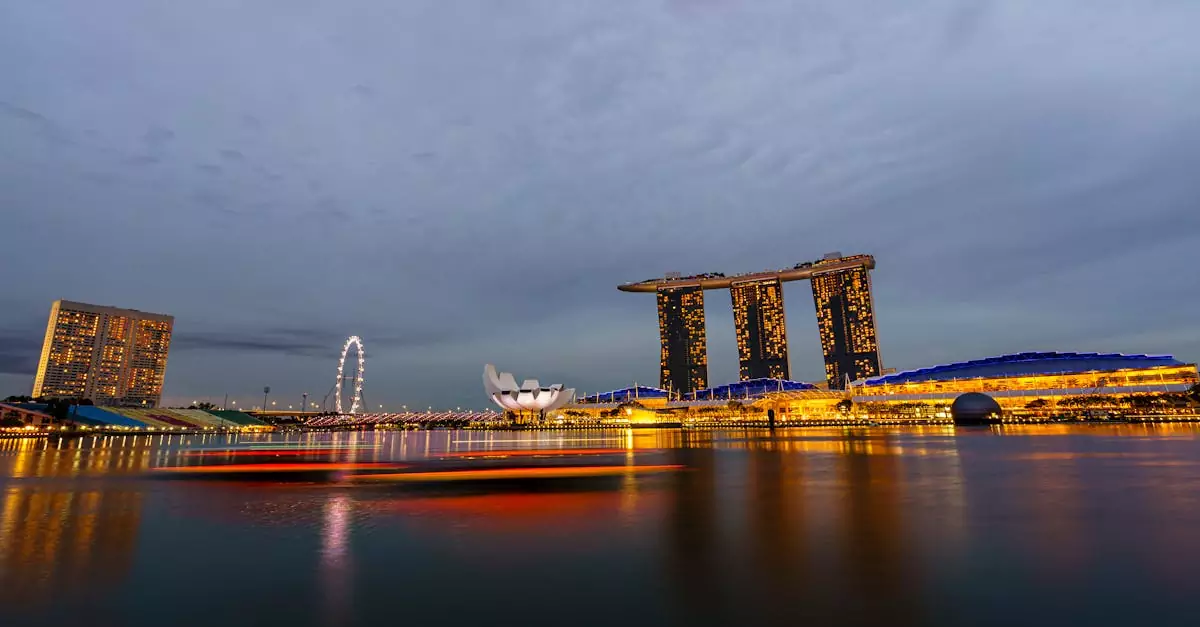
In Singapore, you can choose between traditional metered taxis and popular ride-hailing apps like Grab and Gojek. Although both get you where you need to go, their pricing approaches differ. Traditional taxis follow a metered system with fixed flag-down rates, distance-based charges, and surcharges. These fares are regulated and generally stable, aside from the variable surcharges mentioned earlier. Ride-hailing services, however, rely on dynamic pricing, which means fares can surge during high demand, bad weather, or peak periods. For example, a trip costing S$15 off-peak might jump to S$25 or more during surge times.
One advantage of ride-hailing apps is that they provide a fare estimate before you confirm your booking, offering transparency upfront. Traditional taxis only reveal the exact fare at the journeys end, although the meter is always visible. For short trips or during quiet periods, traditional taxis may be the cheaper option. Yet, during busy spells or longer travels, ride-hailing can sometimes offer better ratesprovided you avoid surge pricing. Many apps also include various service levels, from budget to premium rides, giving you more flexibility.
Below is a comparison to highlight key differences in the singapore taxi fare guide:
| Feature | Traditional Taxis | Ride-Hailing (e.g., Grab, Gojek) |
|---|---|---|
| Pricing Model | Metered (flag-down + distance + surcharges) | Dynamic pricing (fare estimate upfront, surge pricing) |
| Fare Predictability | Less predictable until journey ends (meter visible) | High predictability (fare shown before booking) |
| Booking Method | Street hail, taxi stands, call centers, apps | App-based only |
| Payment Options | Cash, credit cards, cashless apps | In-app payments (card, e-wallet) |
| Availability | Generally reliable, can be scarce during peak | Good, but surge pricing affects cost and availability |
| Typical Cost (Off-peak 10km) | S$15-S$18 | S$12-S$16 (without surge) |
Choosing between the two largely depends on your preferences. If you want upfront pricing and easy booking, ride-hailing apps might suit you best. On the other hand, if you prefer regulated fares and are comfortable hailing a taxi on the street, traditional taxis remain a solid choice. Many locals use both options, switching based on demand and cost.
Pros and Cons of Taking Taxis in Singapore
Taxis have clear advantages and drawbacks when it comes to getting around Singapore. On the plus side, they offer unmatched convenienceyou can flag one down almost anywhere or book a ride with a tap. This door-to-door service is especially valuable if youre carrying luggage, traveling with children, or heading to places without direct MRT access. The comfort of a private, air-conditioned ride is a big plus in Singapores tropical climate. Drivers are usually professional and familiar with the best routes, helping you reach your destination efficiently.
But taxis come with some downsides. Cost is a major consideration, as the singapore taxi cost per km can accumulate quickly, especially with surcharges during peak periods, late nights, or airport trips. Compared to Singapores highly efficient and affordable MRT and bus system, taxis are definitely a premium option. Traffic congestion, although well-managed, can still cause longer rides and increased waiting charges, particularly in rush hours. During heavy rain or major events, finding a taxi can also become challenging.
Weigh these factors when planning your travel. For quick, comfortable trips with time or luggage constraints, taxis are excellent. Budget travelers or those sightseeing mainly in central areas might find public transport more suitable. Many visitors mix both modes: using taxis for specific needs and public transit for general exploration. Understanding when to pick taxis versus other transport options will help your trip run smoothly in this city known for its outstanding infrastructure. You can find more info on Wikipedia.
Practical Tips for Saving on Taxi Fares
There are several ways to stretch your taxi budget in Singapore without sacrificing convenience. First, try to avoid traveling during peak hours. Morning rush (6:00 AM to 9:30 AM weekdays) and evening peaks (6:00 PM to midnight daily) come with hefty surcharges. Shifting your travel time by even an hour can save you 25% to 35% on fares. Similarly, late-night rides between midnight and 5:59 AM carry a 50% surcharge, so planning trips outside this window can be cost-effective.
Next, make use of ride-hailing apps wisely. Although they feature dynamic pricing, they also show fare estimates upfront. Comparing rates across apps like Grab, Gojek, and TADA before booking can help you snag better deals or promotions. If time allows, waiting for non-surge periods or walking a bit away from busy areas can sometimes reduce costs.
Finally, consider combining taxis with public transport. For longer journeys, use the MRT or bus to cover most of the distance, then take a taxi for the final leg. This approach cuts down on the distance-based charges and surcharges, helping your overall expenses. Singapores extensive and affordable MRT network makes this a smart option. Always check routes on apps like Google Maps to find the best combination. This is especially handy when considering the best time to visit and planning your travel accordingly.
- Travel during off-peak hours: Avoid 6-9:30 AM and 6 PM-midnight to minimize surcharges.
- Compare ride-hailing apps: Check Grab, Gojek, and TADA for the best rates and deals.
- Combine with public transport: Use MRT or buses for longer distances, taxis for short hops.
- Skip airport taxis if possible: Take the MRT nearby then a taxi to reduce airport surcharges.
- Share rides: Traveling with others? Splitting fares can make taxis more affordable.
Navigating Singapore: Other Transport Options
While taxis offer comfort and flexibility, Singapores public transportation network is unbeatable for affordability and coverage. The Mass Rapid Transit (MRT) system is clean, efficient, air-conditioned, and connects most key sights and neighborhoods. Fares usually range from S$1.50 to S$3.00 per ride. Using an EZ-Link card or a contactless bank card makes boarding quick and hassle-free. The MRT is perfect for travelers on a budget or those wanting to experience everyday life in the city.
Buses fill in the gaps where MRT lines dont reach. They are similarly efficient and air-conditioned, with fares comparable to the MRT and the same payment methods. Taking buses also gives you a street-level view of Singapores diverse neighborhoods. For short distances, buses can even be faster than the MRT if they offer a direct route.
For very short trips, walking is often the best choice, especially in pedestrian-friendly areas like the Civic District or Marina Bay. Singapore is safe and walkable, letting you discover hidden spots at your own pace. Cycling is gaining popularity too, with several bike-sharing services available. These alternatives help reduce your transportation costs and provide flexibility. Combining them with occasional taxi rides creates a well-rounded travel experience and adds to your singapore taxi fare guide.
Frequently Asked Questions About Singapore Taxi Fares
What is the average singapore taxi cost per km?
The average singapore taxi cost per km varies depending on the taxi type and distance. Standard taxis start with a flag-down fee of about S$3.90 to S$4.10, then charge roughly S$0.28 to S$0.30 for every 400 meters up to 10 km, and the same rate per 350 meters beyond 10 km. Keep in mind that surcharges can significantly raise the total fare.
Are taxis expensive in Singapore compared to other transport?
Taxis generally cost more than Singapores public transport options like the MRT and buses. Public transport fares are very economical, typically between S$1.50 and S$3.00 per ride. While taxis provide convenience and comfort, they come at a premium, especially when surcharges are factored in.
How do peak hour surcharges work for taxis?
During peak hours, taxi fares increase by 25% to 35% on top of the metered amount. These surcharges apply on weekday mornings (6:00 AM to 9:30 AM) and evenings (6:00 PM to midnight daily). Late-night rides from midnight to 5:59 AM carry a higher surcharge, often 50% extra.
Can I pay for taxis with a credit card in Singapore?
Yes, most traditional taxis accept credit cards as do all ride-hailing services. Many taxis also support cashless payment apps like PayLah! or PayNow, along with cash. Its always good to confirm the payment options with your driver before starting your trip.
Is it better to use ride-hailing apps or hail a taxi on the street?
Which is better depends on your situation. Ride-hailing apps offer upfront fare estimates and convenience but can have surge pricing during busy times. Street-hailing taxis have regulated metered fares, which might be less expensive during off-peak hours or for short trips. Often, comparing both options is the smartest approach.
Your Guide to Smart Taxi Travel in Singapore
With a clearer view of the singapore taxi cost per km and fare components, getting around Singapore by taxi becomes less daunting. The fare structure, surcharges, and differences between traditional taxis and ride-hailing services all influence your final bill. By avoiding peak times and planning trips thoughtfully, you can manage your taxi budget effectively.
Ride-hailing apps offer valuable upfront pricing and occasional promotions, while Singapores excellent public transport system provides a cost-effective alternative for many journeys. Combining the MRT or bus with selective taxi rides often strikes the best balance. This detailed singapore taxi fare guide is designed to help you make informed transportation choices.
Armed with these insights, youll be better prepared to enjoy the comfort and ease of taxis when needed, while also taking advantage of other affordable options. This approach ensures your travels through Singapore remain smooth, economical, and enjoyable.