
Ubud, located at the center of Bali, pulses with rich culture, artistic flair, and spiritual energy. It draws countless visitors eager to soak in its distinctive atmosphere. A must-see for most is the lively Ubud Art Market, or Pasar Seni Ubud. Knowing the usual ubud market shopping cost can make your visit smoother and more rewarding. This overview aims to guide you through pricing, negotiating tactics, and spotting genuine local crafts without overspending.
The market is a treasure trove filled with handmade products, vibrant textiles, and unique souvenirs. Whether you’re admiring detailed wood carvings or browsing colorful sarongs, theres something to catch every eye. Having a clear idea of price ranges helps manage expectations and equips you to shop wisely. Well break down typical costs and share handy tips for snagging the best bargains.
Heading to the market means more than just bringing your walletit’s about embracing local customs and mastering the give-and-take of bargaining. This detailed ubud market price guide covers everything from price points of popular goods to practical negotiation advice. Approach Ubud Market with confidence, and youll walk away with fantastic finds at fair prices.
Navigating Ubud Market: What to Expect
The Ubud Market is a maze of vendors divided into two main parts: the traditional market, bustling early in the morning with fresh produce, and the art market, which opens later and showcases crafts and souvenirs. Visitors mainly explore the art section, which stretches across two large buildings and winding alleys. Expect a lively scene filled with vibrant colors, lively sounds, and the aroma of incense. Depending on how much you want to shop, your visit might last anywhere from one to three hours. The market tends to get crowded, especially during peak travel seasons. Arriving around 8:00 AM is a smart way to avoid the busiest periods and often secures better prices, as sellers believe the first sale of the day brings good fortune.
The sprawling layout can be daunting at first, with many stalls looking alike. Take your time wandering through each area. Observe prices without rushing into buying. This initial survey helps you understand whats fair. Since many vendors offer similar products, comparing prices is straightforward. Quality can be quite varied; some stalls stock mass-produced items, while others display authentic artisan work. Pay attention to craftsmanship, texture, and details. Dont hesitate to ask about an item’s originshowing genuine interest can build rapport with sellers and sometimes unlock better deals.
Understanding the Ubud Market Shopping Cost for Popular Items
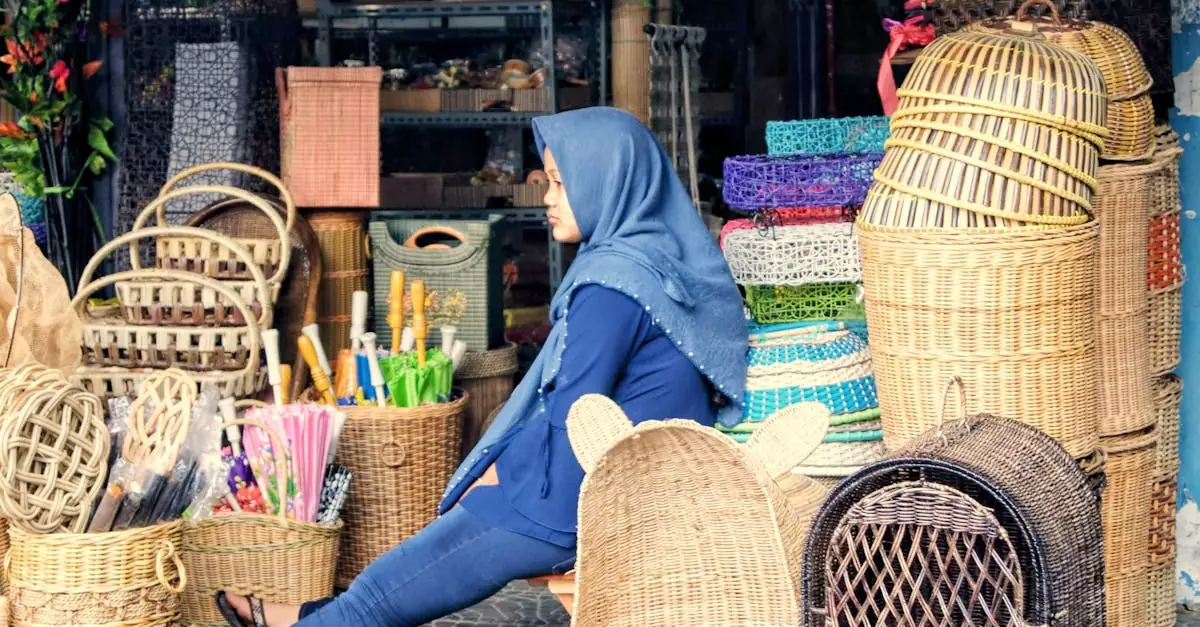
The ubud market shopping cost depends heavily on the product, its quality, and how well you bargain. Here’s a rough outline of prices for common souvenirs. Small wooden carvings, like animal figures, often start around IDR 20,000 (about $1.30 USD). Larger, more detailed carvings can range from IDR 100,000 up to IDR 500,000 ($6.50 to $33 USD). Handwoven bags, typically made from rattan or straw, are a favorite. Smaller ones might cost IDR 150,000 ($10 USD), while bigger, more intricate designs can fetch up to IDR 300,000 ($20 USD). Always check the weaving quality and clasps. Sarongs, a classic Bali keepsake, usually fall between IDR 50,000 and IDR 150,000 ($3.30 to $10 USD), with silk options costing more due to their premium fabric and prints.
Silver jewelry is another sought-after product here. Bracelets, rings, and pendants are plentiful. A basic silver ring might be priced around IDR 80,000 ($5.30 USD), while more elaborate pieces featuring semi-precious stones can reach IDR 200,000 to 500,000 ($13 to $33 USD). Look for the 925 sterling silver hallmark to ensure authenticity. Paintings, ranging in size and style, are also available. Smaller canvases may start at IDR 100,000 ($6.50 USD), with larger works going from IDR 500,000 to 2,000,000 ($33 to $130 USD). Prices usually reflect the artists skill and the artworks dimensions. Remember these figures are starting points; bargaining is a must, as vendors typically quote prices far above their final selling amount.
Bargaining Strategies for the Best Ubud Market Price Guide
Bargaining at Ubud Market isnt just expectedits part of the cultural fabric. Many visitors find it entertaining rather than stressful. A good starting point is offering 30-50% of the vendors initial price. If the price feels unreasonable, dont hesitate to walk away. Often sellers will call you back with a better offer. Keep your tone friendly and respectful; a positive attitude usually leads to a win-win. Remember, vendors depend on these sales for their livelihood, so pushing prices too low can be unfair.
Cash is essential here since most stalls dont take cards. Carry plenty of small Indonesian Rupiah bills to ease transactions and make bargaining smoother. Vendors may resist negotiating if you only have large notes because they might lack change. Avoid showing too much eagerness for an item early onbrowse around first to compare. Appearing desperate can lock in higher prices. Consider buying several items from the same seller; this often results in discounts for bulk purchases. With practice, youll find bargaining becomes second nature, making your shopping experience even more enjoyable.
Pros and Cons of Shopping at Ubud Market
Pros:
- Extensive Variety: The market offers everything from clothing and jewelry to art and home dcor, catering to a wide range of tastes.
- Immersive Cultural Experience: It provides an authentic glimpse into Balinese daily life and commerce, vibrant with energy and tradition.
- Unique Souvenirs: Many products are handcrafted, offering distinctive Bali-specific gifts you wont find elsewhere.
- Enjoyable Bargaining: Negotiating prices adds excitement and engagement to your shopping trip.
- Supporting Local Artisans: Purchases contribute directly to the livelihoods of local families and help preserve traditional crafts.
Cons:
- High Initial Prices: Vendors often start with inflated quotes, requiring time and effort to negotiate down.
- Crowds and Heat: The market can become crowded and uncomfortably hot, particularly during midday hours.
- Inconsistent Quality: Not all items are top-notch; some are mass-produced and less durable, demanding careful inspection.
- Pressure to Buy: Persistent sellers may make some shoppers feel overwhelmed.
- Authenticity Challenges: It can be tricky to distinguish genuine handmade goods from factory-made knockoffs without prior knowledge.

Comparison: Ubud Market vs. Other Shopping Options
When considering ubud market shopping cost, its helpful to weigh it against other Bali shopping spots. Ubud Market stands out for its traditional vibe and broad selection of local crafts. Yet, other choices come with their own perks. For example, boutiques in Ubud town offer a calmer shopping environment with fixed prices. While pricier, these shops often have more consistent quality and eliminate the need to haggle. Meanwhile, department stores in Seminyak or Kuta provide modern goods in air-conditioned comfort, featuring set prices and international brands, though they lack Ubud Markets unique local charm.
The artisan villages around Ubudlike Celuk for silver or Mas for woodworkoffer direct access to craftsmen. Prices can be clearer, and you might find better deals on specialized, high-quality pieces. However, visiting them requires separate transportation, unlike the central markets convenience. For everyday needs and basic souvenirs, supermarkets such as Bintang or Delta Dewata in Ubud offer fixed, low prices on snacks, drinks, and some crafts, though they don’t carry unique artworks. Each shopping option suits different priorities and budgets. If you want a truly authentic Balinese market experience, Ubud Market remains unmatched.
| Shopping Venue | Pros | Cons | Typical Price Range |
|---|---|---|---|
| Ubud Market | Wide variety, cultural immersion, fun bargaining, supports locals | Crowded, variable quality, starts with high prices, pressure to buy | Low to Mid (bargaining needed) |
| Boutiques (Ubud) | Fixed prices, higher quality, relaxed setting | More expensive, less traditional craft selection | Mid to High |
| Art Villages (e.g., Celuk, Mas) | Direct artisan access, specialized quality items | Needs transport, limited general variety | Mid (specialized items) |
| Supermarkets (e.g., Bintang) | Fixed low prices, everyday goods, air-conditioned | Limited craft options, no unique art | Very Low to Low |
Practical Tips for a Smooth Shopping Experience
To maximize your visit and manage the ubud market shopping cost wisely, keep these suggestions in mind. Start by arriving earlyfresh produce stalls open around 6:00 AM, and the art market kicks off around 8:00 AM. Early hours mean fewer crowds and friendlier vendors, often translating to better deals. Bring plenty of small Indonesian Rupiah notes to simplify transactions and bargaining, as vendors prefer exact change.
Wear light, comfortable clothes and sturdy shoes since youll be walking a lot in Balis warm, humid climate. A small backpack will help carry your purchases. Staying hydrated is essentialcarry a refillable water bottle, which you can top up at nearby cafs. Approach vendors with kindness and a smile; respectful interactions go a long way in negotiations. Before buying, inspect items thoroughly for defects or poor craftsmanship, and never feel rushed. Comparing prices across stalls gives you leverage and helps establish fair market rates. Finally, set a spending limit for each purchase beforehand to avoid impulse buys and regret.
Important Tips:
- Start Low, Increase Gradually: Begin your offer at about 30-50% of the asking price, raising it step-by-step.
- Use the Walk-Away Technique: If the price doesnt suit you, leave politely; vendors often respond with better offers.
- Prepare for Crowds: The market gets especially packed after 10 AM, so brace yourself for sensory overload.
- Check Quality Closely: Some goods are genuine handmade pieces, others mass-produced. Look for fine details in stitching, painting, and materials.
- Stay Secure: Keep your belongings close, as pickpocketing can happen in busy spots.
Indonesias rich cultural tapestry enhances the shopping experience. Learning a few basic Bahasa Indonesia phrases like terima kasih (thank you) or berapa harga? (how much?) can open doors to friendlier exchanges. For more local insights and travel tips, the official Indonesia tourism website is a great resource. Understanding the context behind your purchases adds depth to your journey.
FAQs About Ubud Market Shopping Cost
How much should I bargain at Ubud Market?
Expect to negotiate prices down to 30-50% of the vendors starting offer. Sellers anticipate bargaining, so be polite but persistent. Walking away is often the best tactic if prices are too steep.
What currency is used at Ubud Market?
Transactions are conducted exclusively in Indonesian Rupiah (IDR). Bring small bills to facilitate smoother deals, as most stalls dont accept credit cards.
Are the items at Ubud Market authentic?
Quality varies widely. Genuine handmade crafts coexist with mass-produced souvenirs. Always inspect items carefully for craftsmanship before buying.
When is the best time to visit Ubud Market for shopping?
Early morning, around 8:00 AM, is ideal. This timing helps you avoid large crowds and heat, and vendors are often keen to make their first sale, which can mean better prices.
Can I find food at Ubud Market?
Yes, the traditional market section offers fresh produce and local snacks in the early hours. Surrounding the market, numerous warungs and cafs serve a variety of food and beverages.
To deepen your understanding of Bali and Indonesia, exploring the countrys history and geography can be rewarding. The Wikipedia page on Indonesia provides comprehensive information that adds context to your travels.
Conclusion: Mastering Your Ubud Market Shopping Cost
Visiting Ubud Market is a memorable way to immerse yourself in Balinese culture. Grasping the typical ubud market shopping cost and honing your bargaining skills will help you walk away with beautiful souvenirs at fair prices. Planning your trip for early hours, carrying cash, and maintaining a friendly attitude during negotiations will enhance your experience. The market is more than a shopping spot; its a lively meeting place with a pulse of local life.
From delicate carvings to vivid textiles, the market offers treasures to suit every traveler. Although initial prices may seem steep, informed shopping leads to rewarding purchases. This guide has equipped you with a thorough ubud market price guide, empowering you to navigate the market with confidence. Enjoy the thrill of discovering unique Balinese crafts and the joy of the hunt.
Ultimately, success at Ubud Market comes from balancing value with the experience itself. Dont focus solely on the lowest priceembrace the cultural exchange and support local artisans. With these insights, your time in the heart of Bali will be both fulfilling and unforgettable. Happy shopping!