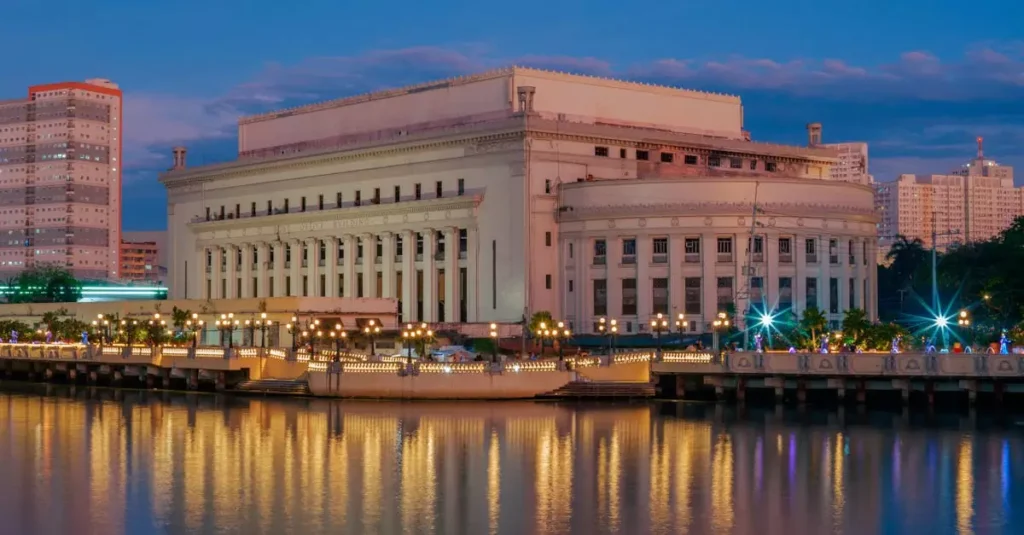
Manila, the lively capital of the Philippines, presents a fascinating mix of rich history, vibrant culture, and bustling urban life. Many visitors looking to plan their trip often ask about the typical manila travel cost per day. Having a clear grasp on these expenses can help you enjoy your visit without worrying about overspending.
This detailed breakdown covers everything from where to stay and what to eat, to getting around and things to do. We offer straightforward numbers alongside helpful tips for budgeting smartly. Whether you’re traveling solo with a backpack or bringing the whole family, careful financial planning can make your trip much smoother.
Getting ready for Manila means being prepared for the costs youll encounter. This manila budget guide aims to help you get the most out of your visit while keeping your spending in check. Lets take a closer look at the daily expenses you might expect in this energetic Southeast Asian city.
Understanding the Average Manila Travel Cost Per Day
Your daily expenses in Manila can differ a lot depending on your travel preferences. Backpackers typically spend between 1,500 and 2,500 ($25-$45 USD) per day, which usually covers hostel lodgings, street food, and public transportation. If youre aiming for a mid-range experience, prepare to spend around 3,500 to 6,000 ($60-$100 USD) daily. This budget allows for comfortable hotel rooms, casual dining, and ridesharing services. For those seeking luxury, daily costs often start at 8,000 ($140 USD) and can go much higher, including stays at top hotels, gourmet meals, and private transfers. Most visitors spend about three to five days exploring Manilas key sights, so these estimates offer a useful starting point. Keep in mind, these are just averagesyour actual spending will depend on your choices. Always set aside some extra funds for unexpected expenses or spontaneous plans, which can add a layer of flexibility to your adventure.
Manila caters to all budgets, with plenty of affordable food and transport options available. That said, some experiences or areas might cost a bit more. For instance, many historical landmarks charge a small entrance fee. Shopping centers range from bargain-friendly to upscale. Knowing where prices differ helps with planning. A standard itinerary usually spans around four days, covering spots like Intramuros, museums, and local markets. Well explore each type of expense in detail to give you a better sense of how your money will be spent. Being informed is key to making smart financial decisions during your stay.
Accommodation: Where to Stay and What it Costs
Lodging often takes up a large part of your manila travel cost per day. The city offers a wide variety of places to stay. Budget travelers can find hostel beds for 500 to 1,000 ($9-$18 USD) per night, typically in dorm-style rooms with shared amenities. Popular neighborhoods like Makati and Malate host many of these affordable options, providing convenient bases for sightseeing. Mid-range hotels generally range from 2,000 to 4,500 ($35-$80 USD) per night, offering private rooms, air conditioning, and sometimes breakfast included. Business hubs such as Makati and Bonifacio Global City (BGC) have plenty of these hotels, known for their safety and good transport links. For those who prefer luxury, hotel prices start around 6,000 and can exceed 15,000 ($100-$270+ USD) per night, featuring upscale facilities, pools, and top-notch service in elite areas. Booking ahead, especially during busy seasons, can often secure better deals. Be sure to check reviews to ensure a comfortable and secure stay. Location matters too; staying farther from the city center may save on lodging but increase commuting costs.
Think about the amenities when choosing accommodation. Some places include free breakfast, which can reduce your food expenses. Others provide kitchen access, letting you prepare your own mealsa great way to stick to your manila budget guide. Easy access to public transit is vital; selecting a hotel near an LRT or MRT station can save both time and money compared to relying on taxis. Serviced apartments might be ideal for families, offering more space and kitchen facilities, which is handy for longer visits. For example, a three-night stay in a mid-range hotel typically costs around 9,000, which can represent a significant chunk of your budget. Exploring different neighborhoods helps find the best valuePasay, near the airport, suits short stopovers, while Makati or BGC provide central locations perfect for exploring the city.
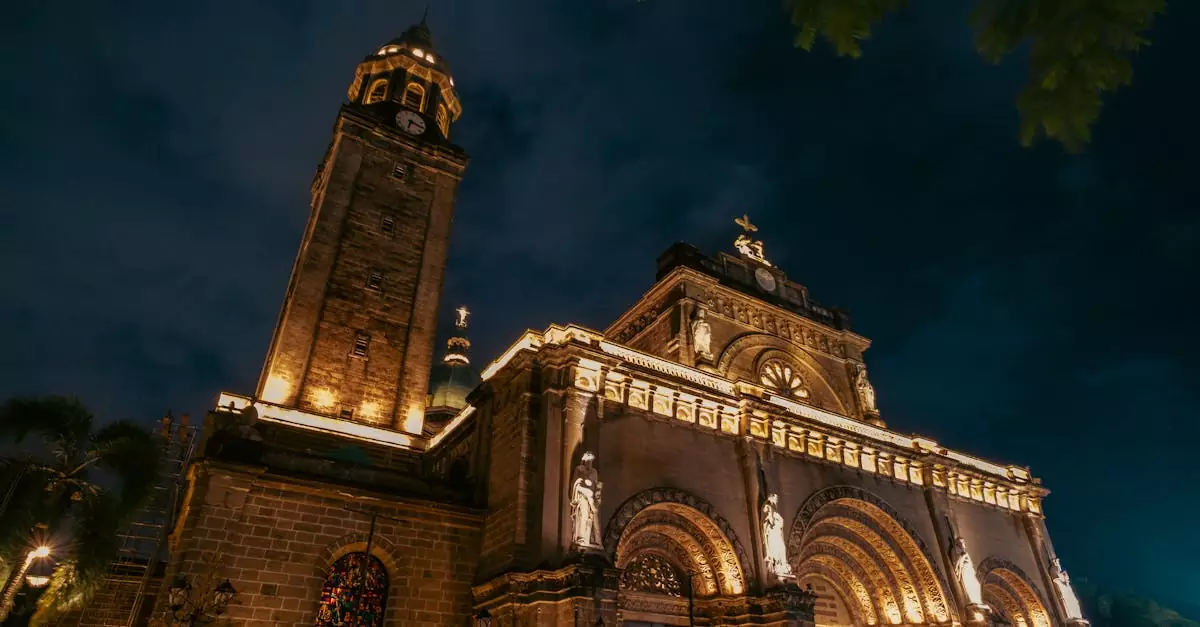
Food and Dining: Savoring Manila’s Flavors
Meals form an enjoyable and essential part of your manila travel cost per day. Manilas food scene is vibrant, ranging from street vendors to upscale restaurants. Budget-conscious travelers can enjoy hearty local dishes for about 100 to 300 ($2-$5 USD) per meal. Street stalls and carinderias serve Filipino favorites like adobo, sinigang, and pancitflavorful and wallet-friendly. Many visitors relish sampling these authentic tastes. For a mid-range dining experience, expect to spend 400 to 800 ($7-$14 USD) per meal at casual eateries, fast-food outlets, or cafes found in malls and busy districts, offering a more comfortable setting. Upscale restaurants and hotel dining can cost 1,000 to 3,000+ ($18-$50+ USD) per person. Most travelers mix different dining styles to enjoy a broad range of Filipino cuisine. Local markets also offer fresh produce and ready-to-eat meals, perfect for a quick, inexpensive bite.
Drinks add to your daily budget too. A bottle of water usually costs between 20 and 50, with soft drinks in a similar price range. Local beers are often priced at 60 to 100 in eateries, while coffee at cafes typically runs from 100 to 200. To save, consider buying snacks and beverages at supermarkets, which are cheaper than convenience stores. While street food is affordable, its wise to pick stalls that are busy and prepare food fresh to ensure hygiene. A good approach for a manila budget guide is to eat one meal at a carinderia, one at a mid-range restaurant, and have breakfast at your accommodation. This balance lets you enjoy diverse flavors without overspending. Food courts in shopping malls also offer a wide variety of affordable options, ideal if you’re cautious about trying street food. Sampling Manilas diverse culinary offerings is a highlight of any tripdont hesitate to try something new.
Transportation: Getting Around Manila Affordably
Getting around is another important factor in your manila travel cost per day. Manila has various transport modes catering to different budgets. The cheapest are jeepneys and buses, iconic Filipino vehicles with fares typically between 13 and 25 ($0.25-$0.45 USD) for jeepneys, and 15 to 60 for buses, depending on distance. They offer an authentic glimpse into local life but can be crowded and confusing if youre new. The citys LRT (Light Rail Transit) and MRT (Metro Rail Transit) systems provide faster, more comfortable rides over longer distances, with fares from 15 to 30. These trains help you avoid traffic jams and are a smart choice for budget travelers. Taxis and ride-hailing apps like Grab offer more convenience but at a higher priceshort Grab trips usually cost 100 to 200 ($2-$4 USD), while longer rides might run 300 to 600. Always use the Grab app for transparent fares and safer rides, and insist taxis use meters. Tricycles serve local neighborhoods for short trips, charging 30 to 100 and reaching places that larger vehicles cant.
For airport transfers, a Grab from Ninoy Aquino International Airport (NAIA) to Makati typically costs 300 to 500; airport taxis may be a bit pricier. A usual day exploring Manila might involve two to three train rides plus one or two Grab trips, totaling 200 to 500 ($4-$9 USD). Manilas traffic can be heavy, especially during rush hours, affecting travel times and fares, so try to travel outside peak times when possible. Walking is an option in compact areas like Intramuros, though the citys heat and humidity might make longer walks uncomfortable. Carry small bills for easy payment on public transport. Downloading offline maps can be a lifesaver for navigating without constant internet. Understanding Manilas transport system is essential not only for saving money but also for experiencing the local culture and history of the Philippines.
Activities and Sightseeing: Exploring Manila’s Attractions
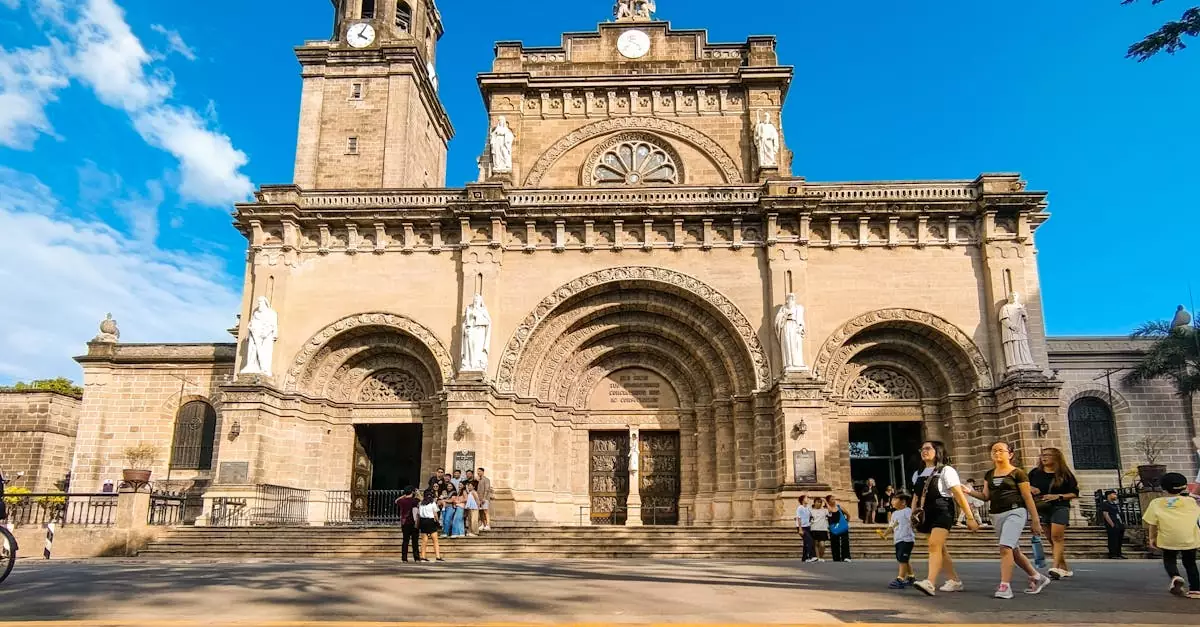
Exploring Manilas attractions also factors into your manila travel cost per day. The city offers many sites that are free or low cost. Intramuros, the historic walled city, is a must-see and can be enjoyed on foot for free. Renting a bamboo bike (bambike) costs about 100 to 200 per hour. San Agustin Church and Museum charge around 200 to 250, while Fort Santiagos entrance fee is about 75. These landmarks provide rich historical insight for a modest price. The National Museum of the Philippinesincluding Fine Arts, Anthropology, and Natural History brancheswelcomes visitors free of charge, offering a wonderful cultural experience. Many travelers spend a full day exploring Intramuros and the museum complex to soak in Filipino heritage. Shopping malls like SM Mall of Asia and Greenbelt offer window shopping and entertainment free of charge, though cinemas and arcades cost extra, with movie tickets typically between 250 and 350.
To stretch your budget, consider joining free walking tours, often run by local guides who accept tips. These tours offer a unique perspective on Manilas history. Parks such as Rizal Park are open to the public at no cost and provide peaceful spots to relax. Boat rides along the Pasig River cost around 150 to 200 and offer a scenic view of the city. Nightlife, including bars and clubs, will increase expenses, with drinks usually priced between 150 and 300, and some venues charging cover fees. Be prepared for persistent vendors in tourist areaspolitely but firmly decline unwanted offers. Bargaining is expected in local markets but not in fixed-price stores. Budgeting 300 to 700 ($5-$12 USD) daily for activities covers entrance fees and small souvenirs, letting you enjoy a good mix of cultural and leisure experiences. Check opening hours and event schedules ahead of time to avoid surprises.
Manila Travel Cost Per Day: Budget Comparison Table
To give a clearer picture of daily expenses, heres a breakdown of manila travel cost per day for different types of travelers. This table outlines typical costs across accommodation, food, transport, and activities, helping you visualize your budget.
| Category | Budget Traveler ( / USD) | Mid-Range Traveler ( / USD) | Luxury Traveler ( / USD) |
|---|---|---|---|
| Accommodation | 500-1,000 ($9-$18) | 2,000-4,500 ($35-$80) | 6,000-15,000+ ($100-$270+) |
| Food (3 meals) | 300-900 ($5-$16) | 1,200-2,400 ($20-$40) | 3,000-9,000+ ($50-$150+) |
| Local Transport | 100-200 ($2-$4) | 200-500 ($4-$9) | 500-1,500+ ($9-$27+) |
| Activities/Sightseeing | 100-300 ($2-$5) | 300-700 ($5-$12) | 700-2,000+ ($12-$35+) |
| Miscellaneous/Buffer | 100-200 ($2-$4) | 200-400 ($4-$7) | 400-1,000+ ($7-$18+) |
| Total Daily Estimate | 1,100-2,600 ($20-$47) | 3,900-8,500 ($68-$148) | 10,600-28,500+ ($185-$497+) |
This table helps you see where your money will go and adjust spending based on preferences. A good manila budget guide always includes an allowance for unexpected costs, like extra souvenirs or an additional Grab ride during bad weather. Most visitors fall somewhere between budget and mid-range, sometimes saving on food but splurging on accommodation, or vice versa. Flexibility is essential for a hassle-free trip. This breakdown provides a solid foundation for managing your finances and setting realistic expectations about the manila travel cost per day.
Pros and Cons of Budget Travel in Manila
Traveling on a budget in Manila brings both benefits and challenges. Recognizing these helps in preparing well. A budget-focused manila budget guide emphasizes getting the most value by choosing local food, transport, and lodging. On the plus side, this approach offers a genuine connection with Filipino culture, as you interact more closely with locals through jeepneys and carinderias. It also stretches your money, potentially allowing for a longer trip or additional experiences. Budget travel often uncovers hidden spots that typical tourists miss, like quaint cafes or lively markets, enhancing your adventure. It also encourages problem-solving and resourcefulness, boosting your confidence as a traveler.
On the downside, budget travel might mean sacrificing some comfort. Hostels usually lack privacy and amenities compared to hotels. Public transit can be crowded and inconvenient at times, especially in Manilas heat. Travel can be slower due to traffic and multiple connections, which can be tiring. Theres also a higher risk of petty theft in congested areas, so staying alert is important. Language can sometimes be a barrier since not everyone speaks English fluently, leading to minor misunderstandings. Manilas busy streets and complicated transport routes can feel overwhelming and stressful for some. Balancing these pros and cons is key to choosing the right level of comfort for your trip, ensuring a more enjoyable and realistic experience. Understanding these factors helps you set practical expectations for your manila travel cost per day.
Practical Tips for Managing Your Manila Travel Cost Per Day
Keeping daily expenses in check while traveling in Manila involves smart planning and inside knowledge. Here are some practical pointers to help you save without missing out on experiences.
- Use Public Transport: Take advantage of the LRT, MRT, and jeepneys for your daily travel. These are the cheapest ways to get around. Familiarize yourself with routes or use apps like Sakay.ph for navigation. This can dramatically cut transportation costs.
- Eat Local: Try out carinderias and street food vendors that serve authentic Filipino dishes at low prices. Opt for places frequented by locals, which is a staple of any effective manila budget guide.
- Stay Hydrated Smartly: Buy large bottles of water at supermarkets and refill smaller bottles. This is far more economical than purchasing single bottles from convenience stores.
- Negotiate in Markets: When shopping for souvenirs or goods in local markets, politely bargaining for a better price is common and expected.
- Book Accommodation in Advance: Secure your lodging early, especially during busy seasons. Last-minute bookings tend to be more expensive.
- Take Advantage of Free Attractions: Visit places like the National Museum complex, Rizal Park, and walk around Intramuros, all of which offer rich cultural experiences without an entrance fee.
- Utilize Ride-Sharing Apps (Grab): Always use Grab for taxis to get fixed rates and ensure safety, avoiding the risk of being overcharged.
- Carry Small Bills: Many small vendors and public transport operators prefer exact change or small denominations, making transactions smoother.
- Watch for Hidden Fees: Some restaurants or establishments may add service charges, so always review your bill carefully.
- Be Mindful of Peak Hours: Avoid traveling during rush hours (7-9 AM and 5-8 PM) when traffic can increase travel times and ride prices.
- Consider Weather Impact: Manilas rainy season (June-November) often causes flooding and traffic delays, potentially leading to higher transport costs. Its smart to factor this into your budget.
- Register for eTravel: Complete your eTravel registration before arriving in the Philippines. This mandatory step helps avoid delays at immigration.
Applying these strategies can lower your manila travel cost per day significantly while ensuring you enjoy your trip fully. Making thoughtful choices goes a long way in managing your overall spending.
FAQs About Manila Travel Costs
What is a good daily budget for Manila?
Your daily budget depends on your travel style. Budget travelers typically manage with 1,500-2,500 ($25-$45 USD) per day. Mid-range budgets range from 3,500-6,000 ($60-$100 USD), while luxury travelers should expect to spend 8,000 ($140 USD) and upwards.
Is Manila expensive for tourists?
Manila can be quite affordable if you embrace local options. Street food, public transport, and free attractions help keep costs low. However, upscale hotels and fine dining can make it as pricey as other major cities.
How much cash should I carry in Manila?
Its wise to carry some cash for small purchases, street food, and public transportaround 1,000-2,000 ($18-$35 USD) daily is usually enough. Use ATMs for larger withdrawals but be mindful of fees.
What is the cheapest way to get around Manila?
Jeepneys, buses, and the LRT/MRT train system offer the lowest fares, generally between 13 and 60 per ride, making them ideal for budget travelers.
Are credit cards widely accepted in Manila?
Credit cards are accepted in major hotels, malls, and upscale restaurants, but smaller eateries, street vendors, and public transport typically require cash. Its best to always have some Philippine Pesos on hand.
Conclusion: Planning Your Manila Adventure on a Budget
Knowing your manila travel cost per day lays the groundwork for a rewarding and worry-free trip. Manila has something to offer every traveler, no matter the budget. By carefully selecting accommodation, food, transport, and activities, you can shape an experience that fits your financial plan. This guide provides a helpful framework to navigate the citys vibrant offerings with confidence.
Whether youre immersing yourself in local life through street food and jeepney rides or prefer the comfort of mid-range options, Manila welcomes you. Dont forget to include a buffer for unexpected expenses. Embrace local culture, stay alert with your belongings, and soak in the dynamic charm of this bustling capital. Your Philippine adventure is ready to begin, and this manila budget guide ensures youre well-equipped.
With a well-thought-out budget, you can focus on making unforgettable memories. It lets you fully appreciate Manilas historic sites, modern attractions, and warm hospitality. Wishing you safe travels and an amazing journey through the heart of the Philippines!