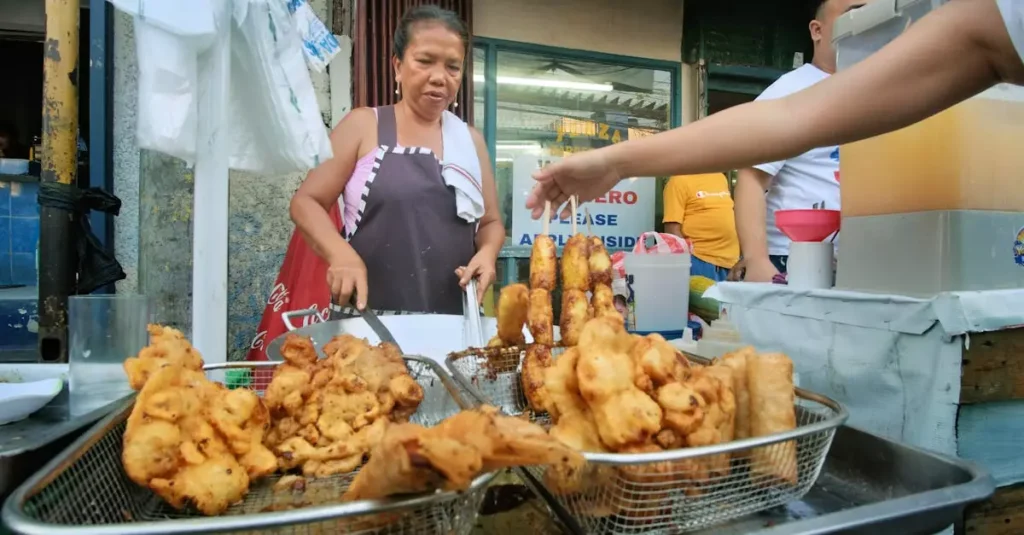
Manila, the lively capital city of the Philippines, is a paradise for food lovers, especially those keen on sampling its vibrant street food culture. This guide sheds light on the usual manila street food price, helping you enjoy authentic tastes without stretching your budget. From savory grilled skewers to delightful sweet snacks, street food here is more than just nourishmentits a window into Filipino traditions and everyday life. Many visitors find that indulging in street food offers a genuine and affordable way to connect with the citys spirit.
With countless vendors and stalls scattered across the city, understanding the typical costs can make your culinary exploration more manageable. This thorough manila food cost guide breaks down the average prices of popular street dishes, so youll know exactly how much your pesos will cover. Whether youre after quick bites or heartier meals, this overview will help you plan your spending wisely. Keep in mind that prices might differ a bit depending on the neighborhood or vendor, but theres a reliable price range to expect.
Get ready to explore a variety of tasty, wallet-friendly options. Along the way, youll find useful advice, price comparisons, and practical tips to help you enjoy Manilas street food scene both safely and affordably. Whether youre traveling solo or with a group, having a clear sense of costs ensures a smooth, stress-free experience. Heres how to savor local flavors without overspending.
Exploring the Vibrant Manila Street Food Scene
The street food culture in Manila is a colorful mosaic of tastes, smells, and textures that plays a major role in daily life. Vendors set up almost everywherefrom bustling market streets in Quiapo and Binondo to quieter neighborhood cornersoffering a dazzling range of options to suit every craving. Visiting one of these street food areas means weaving through lively crowds, watching the food being prepared, and picking from an array of tempting dishes.
Youll often find grilled meat skewers, crispy fried snacks, noodle favorites, and refreshing desserts, all cooked fresh right before you. Knowing a few local customs, such as asking about prices upfront, can make your interaction smoother. Most sellers are welcoming, serving customers with a friendly smile. The best time to soak in this lively atmosphere is late afternoon or early evening when the streets buzz with hungry locals and visitors alike.
Beyond just the food, the street food scene offers a peek into the Filipino way of life. Its a space for quick meals, social chats, and feeling the citys energy. Expect a sensory overloadthe crackle of grills, animated conversations, and the vibrant colors of fresh ingredients. Though busy, this environment is generally safe and inviting, but its wise to keep an eye on your belongings as you would in any crowded city spot. For many travelers, these bustling street food outings become some of the most memorable moments of their trip.
Average Manila Street Food Price Breakdown
Knowing the typical manila street food price helps you plan your daily expenses. Street food is famously affordable, making it easy to dine well without spending much. Savory snacks usually cost between 10 and 50 Philippine Pesos (PHP). For example, one stick of ‘isaw’ (grilled chicken intestines) or ‘kwek-kwek’ (deep-fried quail eggs) typically goes for around PHP 10-20. Items like ‘fishball’ or ‘kikiam’ skewers usually range from PHP 20-30 for a few piecesperfect for a quick, tasty snack while wandering the city.
Heavier street meals like ‘pares’ (beef stew with rice) or ‘lugaw’ (rice porridge) generally fall between PHP 60 and PHP 150. A serving of ‘pancit canton’ (stir-fried noodles) from a street vendor typically costs between PHP 70 and PHP 120. These prices are much lower than what youd pay in sit-down restaurants. Travelers relying mainly on street food tend to spend about PHP 200-300 daily, enough for multiple snacks and a couple of substantial dishes.
Drinks and desserts also come at budget-friendly prices. Fresh fruit shakes or ‘sagot gulaman’ (a sweet tapioca and jelly beverage) often cost PHP 30-60 a cup. Sweet snacks like ‘turon’ (fried banana rolls) or ‘banana cue’ (caramelized fried bananas) typically sell for PHP 20-40 each. These affordable treats let you sample a wide range of local flavors without worrying about overspending, making your Manila food adventure even more enjoyable.

Your Essential Manila Food Cost Guide
Building a useful manila food cost guide goes beyond just memorizing pricesits about managing your overall daily food expenses smartly. For travelers on a budget, setting aside PHP 500-800 per person per day for all meals and snacks is a good rule of thumb. This budget allows for a mix of street food and the occasional affordable restaurant meal. If you plan to stick strictly to street food, PHP 300-500 per day is usually enough to cover breakfast, lunch, dinner, and some snacks.
One way to stretch your budget is by dining at local carinderiassmall, family-run eateries known for serving home-cooked Filipino meals at very low prices. A typical dish featuring rice and two main items (viands) can cost between PHP 80 and PHP 150. These spots offer a cozier dining experience than street stalls while still being wallet-friendly. Youll find carinderias all over Manila, often recognizable by their glass counters displaying a variety of dishes.
Another tip is to purchase bottled water at supermarkets or convenience stores instead of from street vendors, as bulk prices tend to be lower. Portion sizes at street food stalls are usually generous for the cost, so dont hesitate to sample from different sellers within the same area to compare quality and prices. Its a smart tactic to walk around a market first, surveying options before deciding where to eat. This ensures you get the best bang for your buck.
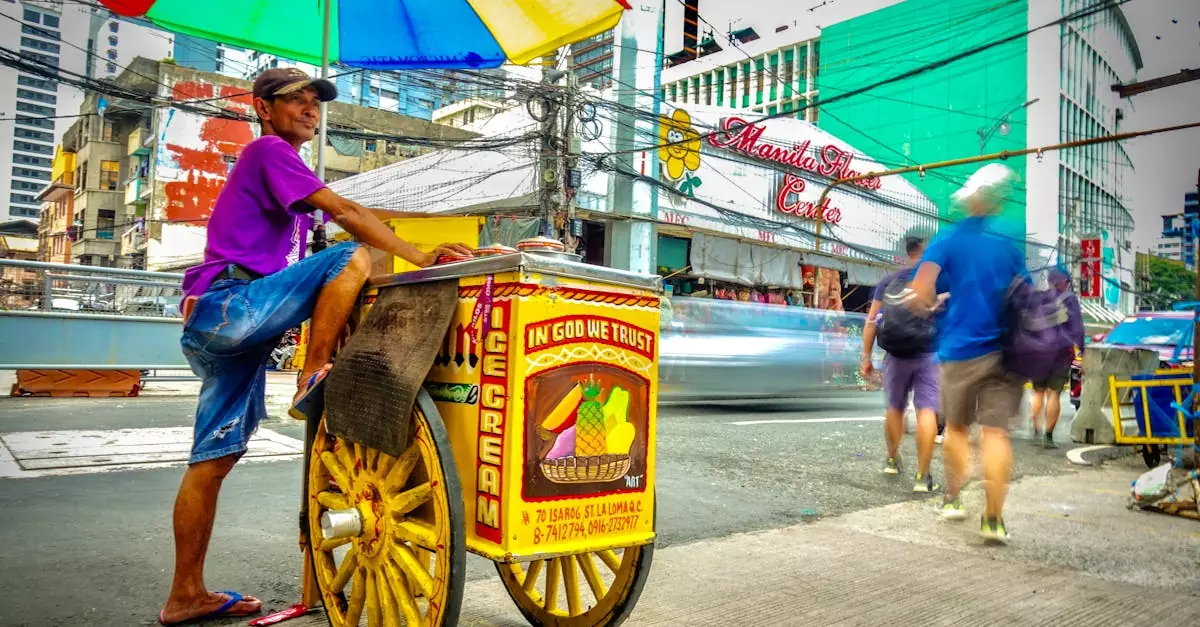
Street Food vs. Restaurant Dining: A Cost Comparison
When figuring out your food budget in Manila, comparing street food prices with restaurant costs can be eye-opening. Street food offers unbeatable value, perfect for those looking to save. A typical street meal with a main dish and drink rarely tops PHP 150, allowing you to sample several dishes throughout the day without breaking the bank.
In contrast, mid-range restaurants tend to charge between PHP 250 and PHP 500 for a main course alone, not including drinks or starters. Upscale eateries can push that figure to PHP 800 or more per meal. While restaurants provide comforts like air conditioning and a broader menu, the savings from sticking to street food are significant. For families or groups, these savings quickly add up, freeing funds for other experiences or extending your stay. Many tourists mix it up by having street food for lunch and dining out for dinner.
Street food delivers authentic tastes, cultural engagement, and affordability. Restaurants offer convenience, variety, and a more controlled setting. Your choice depends on budget, desired atmosphere, and how much you enjoy outdoor dining amid crowds. For the most genuine and budget-friendly experience, street food remains unmatched. Still, blending both can provide a balanced taste of Manilas culinary scene. To learn more about the countrys rich culture, visit Wikipedia’s Philippines page.
Cost Comparison Table: Street Food vs. Restaurant
| Food Item/Meal Type | Average Street Food Price (PHP) | Average Restaurant Price (PHP) |
|---|---|---|
| Grilled Skewer (e.g., Isaw, Pork BBQ) | 10 – 40 per stick | 80 – 150 per stick (often larger) |
| Noodle Dish (e.g., Pancit Canton) | 70 – 120 per serving | 180 – 350 per serving |
| Rice Meal (e.g., Pares, Silog) | 80 – 150 per plate | 200 – 450 per plate |
| Dessert (e.g., Turon, Halo-Halo) | 20 – 60 per serving | 100 – 250 per serving |
| Beverage (e.g., Fresh Juice, Soda) | 30 – 60 per glass | 80 – 150 per glass |
Pros and Cons of Eating Street Food in Manila
Sampling street food in Manila presents a unique mix of benefits and challenges for visitors. On the upside, the prices are incredibly low, allowing you to taste a vast array of authentic Filipino dishes without spending much. This is especially appealing for budget travelers or anyone keen on stretching their money further. The convenience factor is also noteworthystreet food vendors are everywhere, making quick and tasty meals easy to find no matter where you roam.
Beyond cost and convenience, street food offers a rich cultural experience. It invites you to engage with locals, witness daily routines, and savor Manilas true flavors in their most natural form. Many vendors take pride in using fresh ingredients and traditional cooking methods, preparing your food right before your eyes. The variety lets you explore many dishes without committing to a full restaurant meal, often making these encounters some of the trips highlights.
That said, there are drawbacks to be mindful of. Hygiene standards at street stalls dont always match those of established restaurantsa reality common to street food worldwide. While most vendors maintain cleanliness, its wise to pick stalls that look tidy and busy, as this usually means fresher food. Limited seating or having to eat standing up can be uncomfortable, especially during busy periods or in hot weather. Exposure to dust and traffic fumes may also deter some. Additionally, managing dietary restrictions can be tricky since ingredients may not be clearly listed or easily substituted. Trust your instincts and choose vendors carefully.
Practical Tips for Enjoying Manila’s Street Food Safely and Affordably
Enjoying street food in Manila without any issues requires a few simple precautions. First, prioritize hygiene by choosing busy vendorshigh turnover means fresher food. Watch how they handle food and money: ideally, these should be kept separate. Opt for dishes cooked freshly in front of you and served hot rather than items that have been sitting out. Carry hand sanitizer and use it before eating to stay safe.
Second, always ask about prices before ordering. Most sellers are honest, but confirming costs upfront helps avoid surprises, especially if youre unfamiliar with the currency. Many items have visible price tags, but checking is smart for less common dishes. Carry small billsPHP 10, 20, 50, and 100 notesas vendors often cant provide change for larger bills, making transactions smoother.
Third, be adventurous but cautious. Sample a variety of foods, starting with small portions to see how your body reacts. If you have a sensitive stomach, avoid raw or undercooked items and stick to thoroughly cooked, steaming dishes. Drink bottled water and steer clear of ice from uncertain sources. If you prefer a calmer experience, avoid peak meal times in crowded areas; if you want the full hustle and bustle, dive right in. For hassle-free entry to the Philippines, consider using eTravel available at the official eTravel website.
- Important Tip 1: Vendors with long lines of locals usually serve reliable, tasty food.
- Important Tip 2: Be cautious of overly sweet or brightly colored drinksthey may contain artificial additives or excess sugar. Fresh fruit shakes and bottled water are safer bets.
- Reality Check: Street food areas can be noisy and packed, especially during busy hours. Keep your valuables close and stay alert.
Maximizing Your Manila Food Budget
Its entirely possible to enjoy Manilas culinary scene without overspending by using a few smart tactics. Beyond sticking to street food, try exploring different neighborhoods. Areas like Binondo (Chinatown) and Quiapo are famous for affordable, authentic dishes, often offering better prices than tourist-heavy spots. Visiting these districts can easily fill your day with delicious meals for under PHP 400. Walking between stalls also saves on transportation costs.
Another way to save is by timing your meals around local markets. These markets not only sell fresh produce at wholesale rates but usually host small eateries or ‘turo-turo’ (point-and-order) stalls inside. Here, youll find fresh, inexpensive meals. Buying fruits like mangoes, bananas, and rambutan for snacks is both healthy and budget-friendly, with prices based on weight or per piece.
Sharing dishes with travel companions is also a smart move. Many street food portions are large, so sharing lets you try more items without ordering too much. This works well with dishes like ‘pancit’ or ‘lumpia’. If possible, ask vendors for smaller portions, though this is less common for individual skewers. Combining these strategies can significantly reduce your daily food spending, letting you enjoy more of what Manila offers.
FAQs about Manila Street Food
What is the average daily food budget for a traveler in Manila?
For those focusing on street food, expect to spend around PHP 300-500 daily for all meals and snacks. Including a few inexpensive restaurant meals, a daily budget of PHP 500-800 is more realistic.
Is street food safe to eat in Manila?
Generally yes, if you choose vendors carefully. Look for busy stalls where food is freshly cooked and served hot. Avoid items that have been left out for long periods and trust your gut about cleanliness.
What are some must-try street foods in Manila?
Favorites include ‘isaw’ (grilled intestines), ‘kwek-kwek’ (deep-fried quail eggs), ‘fishball’, ‘kikiam’, ‘turon’ (fried banana rolls), and ‘halo-halo’ (mixed shaved ice dessert). For a more filling option, try ‘pares’ or ‘lugaw’.
Can I find vegetarian or vegan street food options?
Vegetarian and vegan choices are limited but available. Fresh fruit, ‘banana cue’, ‘turon’, and vegetable spring rolls (‘lumpiang gulay’) are good picks. Always ask about ingredients, as some dishes may contain shrimp paste or fish sauce.
How do I pay for street food? Do vendors accept cards?
Almost all street food vendors accept cash only, specifically Philippine Pesos (PHP). Its best to carry small bills (PHP 10, 20, 50, 100) since vendors often dont have change for large notes.
Conclusion: Savoring Manila’s Flavors on a Budget
Sampling Manilas bustling street food scene offers a rich blend of culinary delight and cultural insight. Knowing the typical manila street food price empowers you to navigate the citys diverse food offerings confidently and affordably. This detailed manila food cost guide proves that eating well here doesnt require a hefty budget, with countless delicious options available for any wallet size.
From the smoky aroma of ‘isaw’ to the refreshing sweetness of ‘halo-halo’, Manilas streets are a treasure trove for those who love food. Keeping hygiene in mind, asking for prices upfront, and carrying small bills will help your experience go smoothly. Immerse yourself in the lively street atmosphere, chat with local vendors, and let your taste buds discover the citys unique flavors. This authentic approach not only conserves your money but deepens your connection to local life.
Ultimately, enjoying Manilas street food is about more than just eatingits about experiencing the citys heart and soul. With the tips and insights shared here, youre ready to embark on a flavorful, affordable journey. Savor every bite, every conversation, and every moment in this unforgettable culinary adventure.