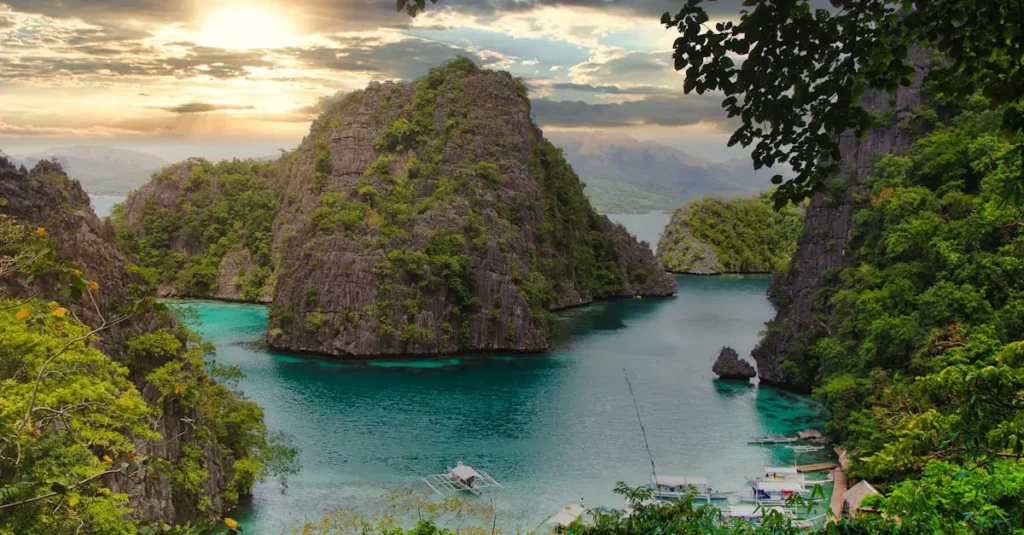

Coron, located in Palawan, Philippines, is famed for its breathtaking limestone formations, crystal-clear waters, and rich underwater ecosystems. Among its many natural treasures, the Twin Lagoons are a standout attraction that captivates visitors worldwide. To fully enjoy this remarkable spot, familiarizing yourself with the necessary arrangements is essential.
A frequent inquiry from visitors revolves around entry costs, particularly the Coron Lagoon entrance fee. This fee is a routine charge designed to protect and maintain the area. It supports ongoing conservation work and helps preserve the lagoons’ pristine condition. Being aware of this cost ahead of time aids travelers in managing their budgets effectively.
This detailed overview clarifies all the essential information related to visiting the Twin Lagoons. It explains the exact entrance fees, what they encompass, and how they integrate with your overall travel expenses. With these insights, your trip to one of Coron’s most iconic destinations will be hassle-free and memorable.
Understanding the Coron Lagoon Entrance Fee
Gaining access to Coron’s Twin Lagoons involves paying an entrance fee, which is a common practice for natural heritage sites in the Philippines. This charge plays a vital role in safeguarding the lagoons’ environment and keeping the area well-maintained for future visitors. Many find the fee reasonable given the unique experience offered.
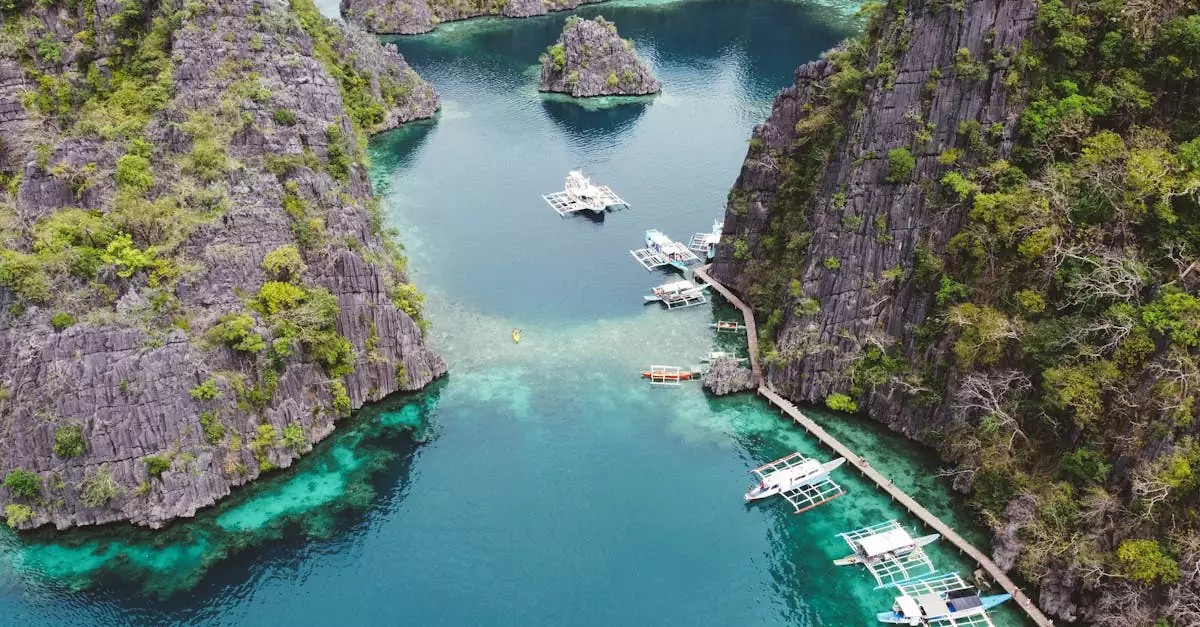
The Coron Lagoon entrance fee grants admission to both the outer and inner lagoons, which are separated by a narrow passage. Visitors often swim or paddle through this opening, witnessing the distinct contrast between the two areas. Beyond environmental upkeep, the fee also benefits the local Tagbanua community, the rightful custodians of this ancestral land. Their stewardship ensures both the natural and cultural richness of Coron remain protected. Typical activities during a visit include swimming, snorkeling, and admiring the dramatic limestone cliffs surrounding the lagoons.
This entrance fee is distinct from other expenses like tour packages or boat rentals. Many island-hopping tours bundle the entrance fee into their overall price. However, if you opt for a private boat, you will pay the fee on-site. Clarifying what your chosen option covers before arrival helps avoid unexpected charges at the lagoon entrance.
Funds collected from the fee are used to manage visitor impact and finance ecological initiatives. They contribute to maintaining essential facilities such as small docking points and support waste disposal programs. This structured funding approach helps preserve the fragile ecosystem while providing a secure and pleasant environment for guests. Understanding the purpose behind the fee often deepens visitors appreciation of the destination.
Detailed Breakdown of Coron Lagoon Ticket Cost
The Coron Lagoon ticket cost can vary slightly depending on whether you are a local or foreign visitor. This pricing differentiation is standard among many Philippine tourist sites. Locals are advised to carry valid identification to avail themselves of discounted rates.
For international tourists, the entrance fee generally falls between PHP 200 and PHP 300 per person. Filipino visitors usually pay a reduced rate, commonly ranging from PHP 100 to PHP 200. Since rates can change, checking with your tour operator or the local tourism office beforehand is wise. Children may benefit from lower fees or free entry, depending on their age, making the destination more accessible to families.
Authorized personnel stationed at the lagoon entrance handle fee collection and issue official receipts, ensuring transparency in managing the funds. The proceeds directly contribute to the upkeep of the site and support the Tagbanua people, who hold ancestral rights over many of Coron’s renowned locations, including the Twin Lagoons.
Aside from the entrance fee, there are typically no other mandatory charges at the lagoon itself. However, if your tour does not include snorkeling equipment, renting gear may incur an additional cost. Most visitors agree that the overall expense is modest compared to the stunning scenery and unforgettable experience they receive. The fees play a crucial role in preserving this natural treasure for all who come after.
Navigating Tour Packages vs. Independent Entry
When arranging a trip to Coron Lagoon, visitors usually choose between joining a guided tour package or organizing an independent visit. Each method offers distinct benefits and drawbacks in terms of convenience, cost, and flexibility. Tour packages remain the preferred option for most due to their simplicity and all-in-one service.
Tour packages dominate the market for exploring Coron’s islands, including the Twin Lagoons. These comprehensive deals commonly cover round-trip boat rides, a knowledgeable guide, meals, snorkeling gear, and all entrance fees such as the Coron Lagoon ticket cost. Paying a single price upfront eliminates the need to handle multiple transactions. Tours often follow a fixed schedule visiting several sites in one day, maximizing sightseeing opportunities. Group tour prices typically range from PHP 1,500 to PHP 2,500 per person, depending on the specific itinerary and included amenities.
Choosing independent entry provides more freedom but requires additional effort for planning. Renting a private boat tends to be more costly for individuals or small groups, with daily rates from PHP 2,500 up to PHP 5,000 or more, excluding entrance fees. Visitors pay the Coron Lagoon entrance fee directly at the site and are responsible for arranging their own food, drinks, and snorkeling gear. This option suits those who want a personalized pace and longer stays at favorite spots. It also helps avoid crowds by visiting off-peak times, though it demands more logistical coordination.
Weighing your preferences and budget will guide your choice. Tours offer ease and cost savings for most travelers, while independent visits appeal to those seeking autonomy despite higher costs and planning needs. Both paths lead to the breathtaking beauty of Coron Lagoon and a rewarding experience.
Factors Influencing Your Coron Lagoon Ticket Cost
Several elements can affect the total expense of your visit to Coron Lagoon. Recognizing these factors aids in budgeting and preparing for your trip beyond the base Coron Lagoon entrance fee. Being aware helps avoid surprises during your adventure.
The type of tour you select plays a major role in determining overall cost. Budget tours may offer fewer amenities and simpler meals, whereas premium tours provide superior boats, elaborate food options, and high-quality snorkeling gear. Some exclusive tours grant access to less crowded spots or off-peak visits, often at a higher price. Reviewing what each package includes before booking ensures expectations align with costs.
Seasonal demand also influences prices. Peak season, usually from November to May, sees more visitors and can cause tour and accommodation rates to rise. Visiting during the off-season might yield discounts, but weather conditions could be less favorable. Group size impacts expenses as well; sharing a private boat among several people reduces individual costs, while solo travelers might find shared group tours more economical.
Additional fees may apply for special permits or environmental charges when visiting other protected areas around Coron. While the Twin Lagoons have a direct entrance fee, some dive spots or nature reserves require separate permits. Confirming all potential costs with your tour provider ensures a smooth experience. The eTravel platform offers updated details on Philippine travel requirements and fees, though local charges are usually handled by operators or authorities.
Comparison: Different Coron Island Hopping Fees
Coron boasts a variety of island-hopping tours, each featuring distinct points of interest with their own entrance fees. While the Coron Lagoon entrance fee is a significant part of many itineraries, it represents only one piece of the overall cost puzzle. Comparing entrance fees across sites helps travelers gauge value and plan their routes wisely. Most island tours bundle several locations into a single day adventure.
The table below outlines typical entrance fees for popular attractions in Coron. These charges are either included in tour prices or paid separately when renting private boats. Please note, fees are approximate and can change over time.
| Attraction | Description | Approx. Entrance Fee (Foreigner) | Approx. Entrance Fee (Local) |
|---|---|---|---|
| Twin Lagoons (Coron Lagoon) | Distinct lagoons connected by a narrow passage, ideal for swimming and snorkeling. | PHP 200 – 300 | PHP 100 – 200 |
| Kayangan Lake | Known as the Philippines’ cleanest lake, famous for its clear waters and scenic viewpoints. | PHP 300 – 400 | PHP 150 – 250 |
| Barracuda Lake | A unique dive spot featuring thermal layers and an underwater cave. | PHP 200 – 300 | PHP 100 – 200 |
| Siete Pecados Marine Park | Popular snorkeling area with vibrant coral reefs and abundant marine species. | PHP 200 – 250 | PHP 100 – 150 |
| Skeleton Wreck | A shallow wreck suitable for snorkeling and free diving. | PHP 100 – 150 | PHP 50 – 100 |
These figures show that the Coron Lagoon ticket cost aligns with fees for other key sites. Island-hopping packages like Tour A or Tour B often combine stops such as Kayangan Lake, Twin Lagoons, and Skeleton Wreck into one trip. This approach adds up entrance fees along with boat rental, guide services, and meals into a single price. It simplifies budgeting and guarantees a thorough exploration of Coron’s highlights. Always verify the details of inclusions with your tour provider.
Pros and Cons of Visiting Coron Lagoon
For many travelers to Palawan, experiencing Coron Lagoonalso known as the Twin Lagoonsis a trip highlight. Like any sought-after destination, it comes with positives and challenges. Knowing these helps set realistic expectations and enriches your visit. For most, the area’s stunning nature outweighs any drawbacks.
Pros:
- Remarkable Scenery: The lagoons boast towering limestone cliffs, crystal-clear turquoise waters, and striking rock formations, perfect for photography and awe.
- Distinctive Swimming Adventure: Accessing the inner lagoon involves swimming through a narrow crevice or climbing a wooden ladder, adding an element of excitement and uniqueness.
- Peaceful Atmosphere: The calm, enclosed waters provide a serene spot for swimming, floating, and unwinding away from the open sea’s waves.
- Snorkeling Possibilities: Though less coral-rich than some reefs, the lagoons offer interesting underwater rock formations and distinctive marine life for snorkelers.
- Rich Cultural Heritage: The lagoons lie within the Tagbanua ancestral domain. Visiting supports their livelihood and cultural preservation efforts.
Cons:
- Crowds: Popularity means the lagoons often become busy, especially during peak seasons and midday hours, which can reduce the sense of tranquility.
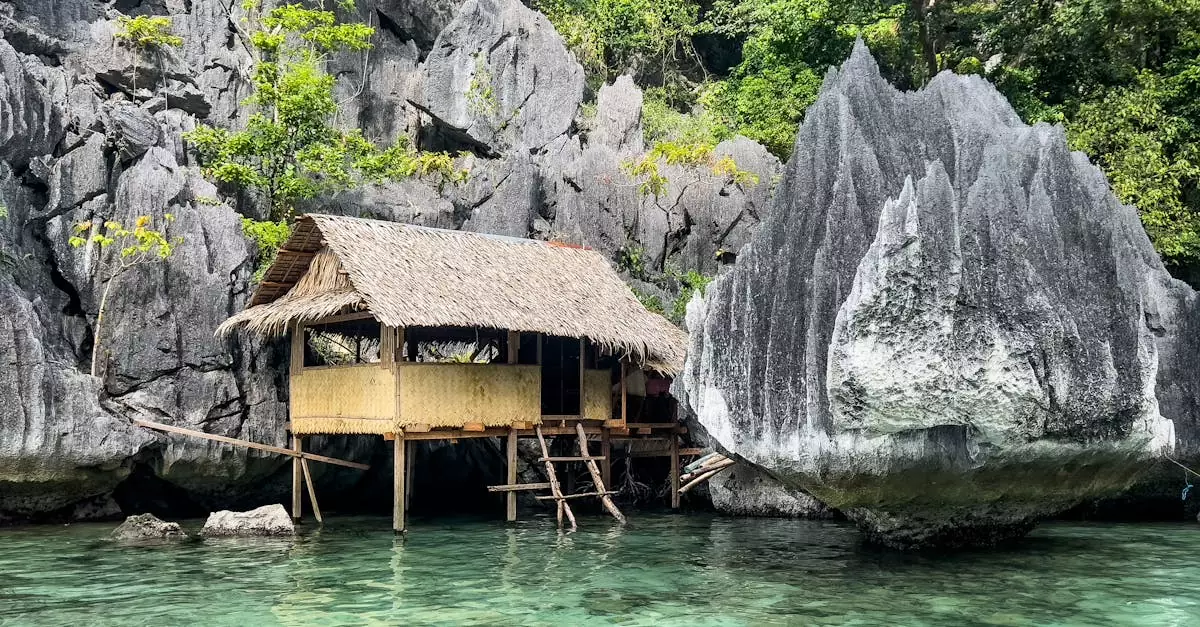
- Minimal Amenities: Facilities are limited to basic docking spots and a small platform, with no restrooms or changing areas available at the site.
- Accessibility Challenges: Entering the inner lagoon requires swimming or climbing, which may not be suitable for visitors with mobility difficulties.
- Travel Duration: The boat ride from Coron town consumes a good portion of the day, especially when combined with other island stops.
- Environmental Concerns: Heavy tourist traffic, if unmanaged, risks harming the delicate ecosystem. Visitors must follow strict environmental rules.
Reality Check: While photos often depict empty, pristine waters, expect to share the scenery with other tourists during typical tour times. Arriving early with a private boat can help avoid crowds. Despite this, the lagoons breathtaking beauty and unique charm make the Coron Lagoon entrance fee a worthy expense for most visitors.
Practical Tips for Your Coron Lagoon Visit
To enhance your visit to Coron Lagoon and ensure it goes smoothly, keep these practical suggestions in mind. Thoughtful preparation can significantly improve your overall experience, based on observations of numerous travelers.
- Reserve Early: Tours fill up fast during busy periods. Booking your island-hopping tour several days ahead guarantees your spot and lets you compare options.
- Time Your Visit Wisely: Avoid peak crowds by arriving early in the morning on a private tour or later in the afternoon. Most group tours come around midday.
- Wear Suitable Footwear: Water shoes or sturdy sandals are highly recommended for boarding boats, walking on rocks, and swimming.
- Protect Yourself from the Sun: The tropical sun can be intense, so bring reef-safe sunscreen, a hat, and sunglasses. A rash guard offers added protection during swimming.
- Use a Waterproof Bag: Keep your valuables and electronics safe from splashes and accidental drops. A dry bag is an excellent item for island hopping.
- Stay Hydrated: Carry enough drinking water. While most tours provide some, having extra is advisable, especially in hot weather.
- Respect Nature: Avoid touching corals, feeding fish, or leaving trash behind. Use reef-friendly sunscreens to help preserve the marine environment. The Philippines is home to diverse ecosystems that require careful protection.
- Consider Bringing Your Own Snorkeling Gear: Although tours typically supply equipment, having your own ensures comfort and better fit.
- Carry Cash for Extras: Even if the Coron Lagoon entrance fee is included in your tour, small bills are handy for tips, snacks, or souvenirs at other stops.
Important Tip 1: Double-check with your tour provider whether the Coron Lagoon ticket cost is part of your package. This prevents confusion and unexpected payments at the lagoon. Some budget tours might list entrance fees as optional extras.
Important Tip 2: When passing through the narrow swim-through to the inner lagoon, be courteous and patient, as it can get crowded. For those who prefer not to swim, a wooden ladder offers an alternate route over the rocks.
Frequently Asked Questions About Coron Lagoon
Is the Coron Lagoon entrance fee included in tours?
Most organized island-hopping tours in Coron incorporate the Coron Lagoon entrance fee into their overall price. Still, its best to verify this with your specific operator before booking, as some budget tours may charge entrance fees separately.
Can I pay the Coron Lagoon ticket cost with a credit card?
Payments for the Coron Lagoon ticket cost are typically cash-only at the site. On a tour, the operator usually handles this payment. Its wise to carry enough Philippine Pesos for any direct fees or extras.
Are there discounts for children or seniors?
Reduced rates often apply for children and sometimes for local senior citizens regarding the entrance fee. Exact discounts vary, so inquire at the entrance or with your tour provider. Foreign seniors generally pay the standard foreign rate.
What is the best time to visit Coron Lagoon to avoid crowds?
The quietest times to visit are early mornings around 8:00 AM or late afternoons after 3:00 PM. Group tours usually arrive between 10:00 AM and 2:00 PM. Visiting during the off-season from June to October can also mean fewer visitors.
How long does a typical visit to Coron Lagoon take?
A standard visit during an island-hopping tour lasts about 45 minutes to an hour, enough time to swim, explore both lagoons, and take photos. Private boat renters can decide to spend more time there if desired.
Conclusion: Maximizing Your Coron Lagoon Experience
Coron Lagoon offers one of the most unforgettable experiences in the Philippines, with its stunning landscapes, unique geological features, and peaceful waters. Being informed about the Coron Lagoon entrance fee and related details helps ensure your visit is smooth and enjoyable, allowing you to fully immerse yourself in the natural wonder.
Whether you opt for a comprehensive tour package or a private boat excursion, understanding the Coron Lagoon ticket cost upfront aids in budget planning. These fees support crucial conservation efforts and benefit the local indigenous communities. Your participation plays a part in protecting this extraordinary place for generations to come. Embrace the adventure, respect the surroundings, and soak in the magic.
By following the practical advice offered, you can navigate crowds, stay safe, and make the most of your time at the Twin Lagoons. From wearing suitable gear to minimizing environmental impact, every thoughtful action contributes to a better experience for all. Prepare for a remarkable journey into the heart of Coron’s natural splendor, creating memories that will last a lifetime.

Our Fact Checking Process
We prioritize accuracy and integrity in our content. Here's how we maintain high standards:
- Expert Review: All articles are reviewed by subject matter experts.
- Source Validation: Information is backed by credible, up-to-date sources.
- Transparency: We clearly cite references and disclose potential conflicts.
Our Review Board
Our content is carefully reviewed by experienced professionals to ensure accuracy and relevance.
- Qualified Experts: Each article is assessed by specialists with field-specific knowledge.
- Up-to-date Insights: We incorporate the latest research, trends, and standards.
- Commitment to Quality: Reviewers ensure clarity, correctness, and completeness.
Look for the expert-reviewed label to read content you can trust.