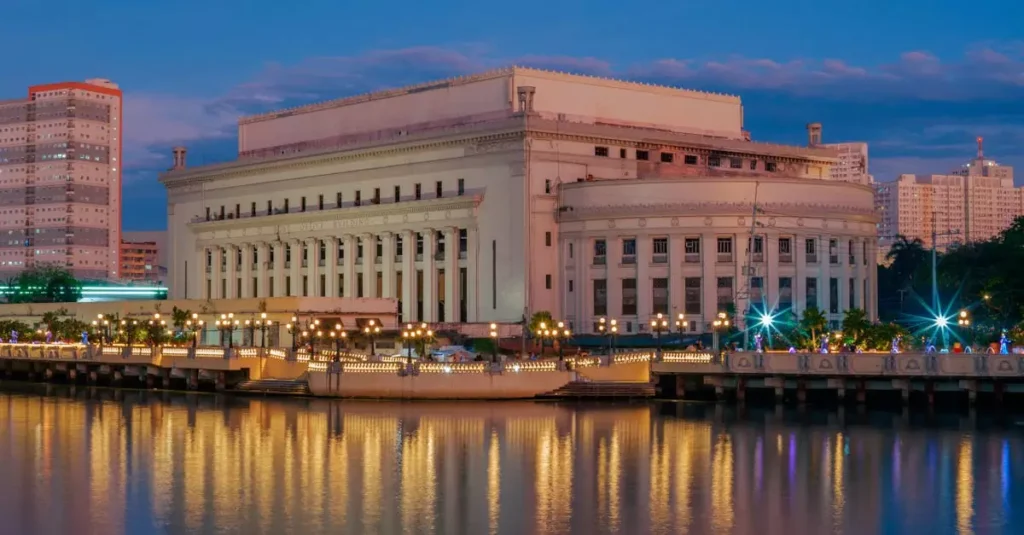
Manila often conjures images of bright sunshine and lively streets, but taking a close look at the manila rainy season travel cost reveals a different side of the cityone thats surprisingly budget-friendly. Spanning from June through November, this season brings distinct advantages for travelers watching their expenses. While the rain might initially seem off-putting, it typically means fewer tourists and noticeable discounts, creating chances to save on many parts of your trip.
Many shy away from visiting Manila during the rainy months, worried about nonstop showers and ruined plans. Still, the rain rarely falls continuously. Mornings often bring clear skies, giving plenty of time to explore. Knowing how the weather behaves during these months helps you enjoy the citys vibrant atmosphere without the crowds or the inflated costs common in peak season.
Examining the financial side of visiting Manila during the wetter months reveals plenty of opportunities to cut costs. From cheaper flights and lodging to affordable local transport and budget-friendly attractions, this period can turn your trip into an economical yet memorable adventure. It proves that experiencing Manilas charm doesnt have to come with a steep price.
Understanding Manila’s Rainy Season: What to Expect
The rainy season in Manila generally lasts from June until November, marked by increased humidity and frequent showers. Rainfall tends to come in short, heavy bursts rather than long, steady downpours, often clearing quickly and leaving the air feeling cooler and fresh. Still, tropical storms and typhoons occasionally sweep through, bringing more persistent rain and strong winds, so keeping an eye on weather updates is essential during this time.
Temperatures during these months usually hover between 27 and 30C (81-86F), with humidity making it feel warmer. Such conditions can affect outdoor plans, sometimes causing delays or cancellations. Traffic congestion and localized flooding might also slow travel. Despite these hurdles, many attractions remain open, and indoor spots gain popularity. Travelers adapt by packing umbrellas or light raincoats and maintaining flexible schedules to accommodate the weather.
Visiting Manila in the rainy season calls for a slightly different travel style. The thinner crowds at major sites can make for a more relaxed and enjoyable experience. The rains also transform the landscape, enhancing the citys greenery and natural beauty. While some see the weather as a drawback, embracing the showers offers a fresh, authentic perspective on Manila.
The Manila Rainy Season Travel Cost Advantage
Choosing to travel during Manilas rainy season comes with clear financial perks. This stretch is considered off-peak for tourism, prompting airlines and hotels to reduce prices to lure visitors. Flight tickets are often more affordable compared to the dry months, and lodgingfrom budget hostels to high-end hotelsusually offers lower rates. These discounts significantly impact your overall manila rainy season travel cost.
Other expenses also tend to drop during this time. Tour operators may provide package deals, and while entry fees at popular attractions stay the same, the reduced visitor numbers mean less waiting and a more laid-back experience. Public transportation like jeepneys and buses remains inexpensive year-round, but lower tourist demand can lead to better offers on specialized services. Dining out often becomes more affordable as well since restaurants see fewer patrons.
The dip in demand directly translates to savings, making the rainy season an excellent choice for travelers on a budget. Stretching your funds further means you can enjoy more activities or extend your stay. This season lets you explore Manilas culture without financial pressure, offering a smart and economical way to experience the citys unique appeal.

Flights and Accommodation: Saving During Manila’s Off-Season
One of the biggest ways to cut travel expenses is by finding affordable flights. During the rainy season, airlines tend to lower fares to fill seats. Booking well in advance usually nets the best rates, but last-minute deals also become more common during off-peak times. Flying on weekdays often costs less than weekend travel, and opting for flights with layovers can further reduce prices. Budget carriers provide additional opportunities to save.
Lodging prices drop considerably as well. From hotels to guesthouses and serviced apartments, youll find better deals than during the busy season. For example, a mid-range hotel might come at the cost of a budget option in peak times. Budget travelers can find rooms for around PHP 800-1500 per night, while mid-range accommodations typically range from PHP 2000 to 4000. Even luxury hotels lower their rates, making upscale stays more attainable.
When selecting a place to stay, prioritize convenience and comfort. Lodgings near public transit hubs help minimize travel time and costs. Read reviews carefully, especially concerning cleanliness and how well the hotel handles humid weather. Look out for rainy season promotions, such as free breakfasts or discounted amenities. Comparing prices across booking sites and staying flexible with your dates can unlock even better deals.
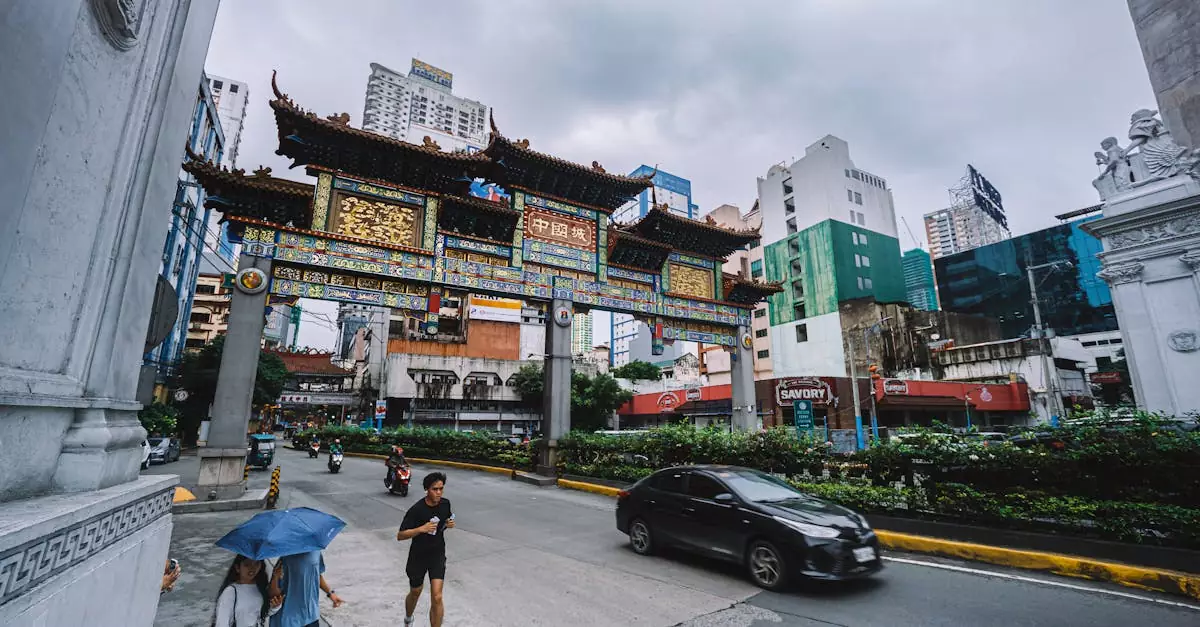
Getting Around Manila: Transport Costs and Tips
Getting around Manila can be quite the experience, especially during the rainy season when traffic worsens and flooding might occur. Familiarizing yourself with local transport options helps manage your manila rainy season travel cost. Jeepneys are the cheapest and most iconic choice, with fares starting at about PHP 13 for short trips. They offer a glimpse into local life but can be crowded and lack air conditioning. Buses provide a more comfortable option for longer rides, with fares depending on the route.
The Light Rail Transit (LRT) and Metro Rail Transit (MRT) lines cover major city routes efficiently, helping avoid traffic jams. Fares generally fall between PHP 15 and PHP 30, based on distance. These trains get crowded during rush hours, even in the rain. Taxis and ride-hailing services like Grab add convenience, especially when the weather turns bad. While more expensive than public transport, a typical Grab ride within the city costs PHP 150-400, varying with distance and traffic, and surge pricing may apply during peak times or heavy rain.
For shorter neighborhoods trips, tricycles and pedicabs are common and affordable, often charging PHP 30-80. Always agree on the fare beforehand. Many travelers find mixing different transport modes works best. During heavy downpours, its wise to choose trains or Grab rides to avoid traffic delays and getting soaked. Carrying small bills for fares is handy. Be mindful that flooding can disrupt travel in some areas, so checking local updates on road conditions is recommended.
Activities and Attractions: Rainy Day Fun on a Budget
Manila has plenty of attractions suited for rainy days, helping you keep your manila off season budget intact. Museums stand out as ideal spots, offering rich cultural experiences sheltered from the weather. The National Museum of the Philippines complex, including branches for Fine Arts, Anthropology, and Natural History, welcomes visitors for free. Spending 2-3 hours in these museums provides a meaningful way to pass a rainy afternoon.
Shopping malls serve as entertainment hubs during wet weather. Manila is home to some of Asias largest malls, like SM Mall of Asia and Glorietta. Beyond shopping, these venues feature cinemas, arcades, ice skating rinks, and diverse dining choices. A full day can easily be spent here without worrying about the rain. Malls dont charge entry fees, so your expenses depend solely on what you buy or the activities you join.
Historical sites such as Intramuros remain accessible even in wet weather. Indoor attractions like San Agustin Church and Museum (around PHP 200 entry) offer sheltered insights into Manilas past. Fort Santiago (entry fee about PHP 75) includes covered areas and museums. Visitors often recommend bringing an umbrella and waterproof footwear for comfort. Churches like Manila Cathedral are free to enter and provide significant cultural value. These options let you immerse yourself in history regardless of the rain.
Food and Dining: Culinary Delights Without Breaking the Bank
Sampling Manilas food scene is a highlight for many, and its possible to enjoy great meals without overspending. Local eateries and carinderiassmall, family-run restaurantsare budget-friendly gems. Here, you can savor classic Filipino dishes like adobo, sinigang, and kare-kare for as little as PHP 80-150 per meal. These spots, bustling with locals, offer authentic flavors and a welcoming atmosphere.
Street food adds to the affordable culinary adventure. Items such as fish balls, kwek-kwek (battered quail eggs), isaw (grilled chicken intestines), and banana cue (caramelized bananas) cost between PHP 10 and 50. Its wise to choose stalls known for good hygiene. Public markets like Quiapo or Divisoria also provide fresh produce and affordable cooked meals, offering an immersive cultural experience alongside tasty bites.
For a more refined yet reasonably priced meal, mid-range restaurants in malls or neighborhoods like Malate and BGC serve diverse menus, from Filipino fusion to international dishes. Expect to pay PHP 300-700 per person in these places. Fast food chains, local and international, offer convenient meals for under PHP 200. Keep in mind that beverages, especially alcohol, raise the bill, so sticking to water or local fruit juices helps keep dining costs manageable.
Pros and Cons of Traveling to Manila During the Rainy Season
Visiting Manila during the rainy season brings a mix of benefits and challenges. The standout advantage, reflected in the manila rainy season travel cost, is the potential for significant savings. Flights, accommodations, and sometimes tours become more affordable, letting budget travelers enjoy more experiences or longer stays. The reduced crowds at popular spots create a calmer, more intimate atmosphere for exploring museums and historical sites.
The citys scenery changes as well, growing greener and more vibrant thanks to the rain. This transformation provides excellent photo opportunities, especially following showers. Cooler temperatures after rainfall offer relief from the dry seasons intense heat. Locals often appear more laid-back without the tourist rush, enhancing the chance for genuine cultural interactions and a deeper connection to Filipino life.
On the downside, heavy rain can disrupt plans, causing cancellations or delays. Flooding in some neighborhoods may affect travel and access. High humidity might feel uncomfortable for some visitors. The threat of tropical storms and typhoons also looms, potentially causing severe interruptions. Flexibility is crucial, as youll need to adapt your itinerary when necessary. Still, many find the cost savings and quieter streets make the rainy season a worthwhile choice.
Sample Rainy Season Travel Budget: A Cost Comparison Table
Knowing what to expect in expenses is vital for effective planning. The table below offers an estimate of daily costs for a solo traveler during Manilas rainy season, expressed in Philippine Pesos (PHP). These numbers reflect typical spending over a week and illustrate how a manila off season budget can be managed. They provide a useful benchmark for travelers setting their own spending goals.
| Category | Budget Traveler (PHP/day) | Mid-Range Traveler (PHP/day) |
|---|---|---|
| Accommodation | 800 – 1,500 | 2,000 – 4,000 |
| Food & Drinks | 500 – 800 | 1,000 – 2,000 |
| Local Transport | 150 – 300 | 300 – 600 |
| Activities & Entry Fees | 100 – 300 | 400 – 800 |
| Miscellaneous (e.g., shopping, emergencies) | 200 – 400 | 500 – 1,000 |
| Total Estimated Daily Cost | 1,750 – 3,300 | 4,200 – 8,400 |
International flights are not included as their cost varies greatly. Over a week, budget travelers might spend between PHP 12,250 and PHP 23,100, while mid-range travelers could expect around PHP 29,400 to PHP 58,800. These are averages; actual expenses depend on personal preferences and travel habits. Many keep costs low by sticking to local food and public transportation. The rainy season naturally lowers prices across many categories.
Practical Tips for a Smooth Manila Rainy Season Trip
Preparing well makes all the difference when visiting Manila during the rainy season. Pack lightweight, quick-drying clothes and bring a sturdy umbrella or light raincoat. Waterproof footwear is a must, given wet streets. Protecting electronics with waterproof bags or covers is a smart move to avoid damage. These items help you stay comfortable and dry no matter what the weather brings.
Flexibility will keep your trip enjoyable. Always have indoor alternatives ready, like museums or shopping centers, in case outdoor plans get rained out. Checking the weather daily is helpful, but sudden changes are common. Being able to adjust your schedule with ease reduces frustration and maximizes your time. Most travelers find that a flexible approach is essential during this season.
Keeping up with local news and weather alerts is important, especially during storm season. Follow social media or news outlets for updates on flooding or typhoons. Carry a fully charged power bank to stay connected and access navigation or ride-hailing apps. Buying a local SIM card upon arrival ensures reliable internet, making travel smoother. For official travel info and requirements, visit the eTravel website.
- Important Tip 1: Have backup indoor activities planned, such as nearby museums, cafes, or covered markets, to avoid disappointment from rain interruptions.
- Important Tip 2: Choose accommodations with strong drainage and positive reviews on comfort during humid weather, as some locations may face localized flooding.
- Reality Check: Expect transport delays during heavy rainfall; build extra travel time into your schedule to avoid missing flights or appointments.
FAQs About Manila Rainy Season Travel
Is it safe to travel to Manila during the rainy season?
Generally, yes. While heavy rains, flooding in low-lying areas, and occasional typhoons pose risks, most travelers remain safe by staying informed and cautious. Flexibility and avoiding unnecessary travel during severe weather help ensure safety.
What are the best indoor activities in Manila for rainy days?
Indoor attractions like the National Museum of the Philippines, historical churches such as San Agustin Church, and large shopping malls like SM Mall of Asia provide excellent options for entertainment, dining, and cultural experiences away from the rain.
How much money do I need for a week in Manila during the rainy season?
Budget travelers can expect to spend between PHP 12,250 and PHP 23,100 (roughly $210 to $395 USD) for a week, excluding international flights. This covers accommodation, food, transport, and some activities. Mid-range travelers will generally spend more, around PHP 29,400 to PHP 58,800.
Are there discounts on flights and hotels during Manila’s off-season?
Yes. The rainy season is Manilas off-peak period, leading to reduced prices on flights and accommodations. Airlines and hotels often offer promotional rates to attract visitors, making it a smart time for budget travelers to find good deals.
What should I pack for Manila’s rainy season?
Bring lightweight, quick-drying clothing, a reliable umbrella, and a light rain jacket. Waterproof shoes or sandals are advisable. Protect your electronics with waterproof bags or covers, and consider insect repellent since mosquitoes are more active in humid weather.
Conclusion: Embrace the Rainy Season for an Affordable Manila Adventure
Visiting Manila when the rains come offers an often overlooked but rewarding experience. While challenges arise, the manila rainy season travel cost advantages are compelling. Lower prices for flights and accommodations let your budget go further, and the thinner crowds create a more serene and personal atmosphere for uncovering the citys history and lively culture.
Accepting the rainy season means packing wisely and keeping your plans flexible. With the right gear and an adaptable itinerary, Manilas weather is manageable. The city boasts numerous indoor attractions like world-class museums and expansive malls, ensuring theres always something to enjoy, rain or shine. The lush greenery and cooler air after showers add a refreshing charm to your visit.
Ultimately, traveling during Manilas rainy season is a savvy choice for those seeking value without sacrificing experience. Its a chance to connect with the Philippines heart away from the tourist throngs and at a fraction of the usual cost. Stay prepared, informed, and open to the seasons unique offerings. You may find this time of year perfect for an unforgettable and affordable Manila adventure. To learn more about the Philippines rich culture and regions, visit the Philippines on Wikipedia.