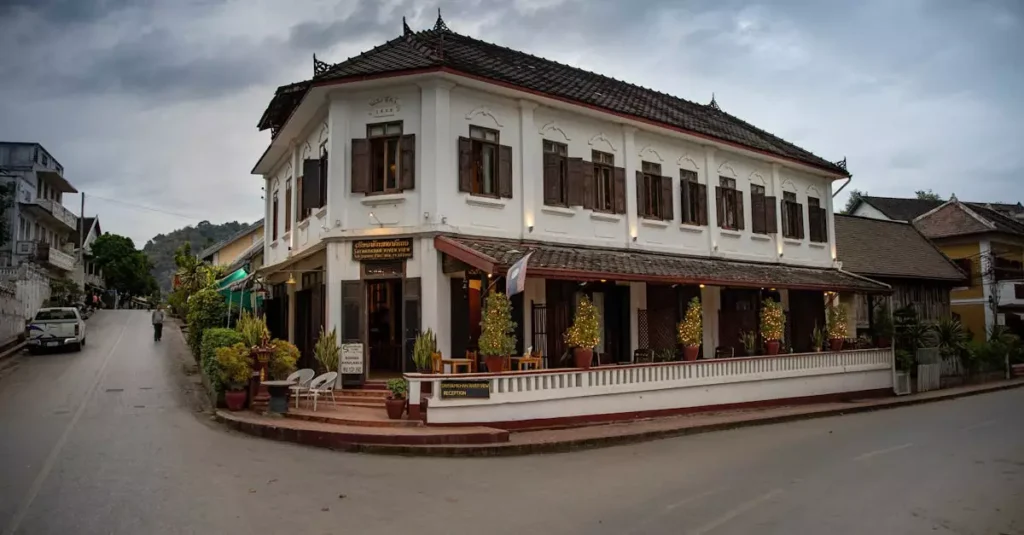
Luang Prabang, a UNESCO World Heritage site nestled in Laos, enchants visitors with its timeless temples, monks clad in saffron robes, and tranquil views of the Mekong River. While the dry, cool months attract the majority of tourists, the monsoon season reveals a distinct allure alongside notable savings. Grasping the nuances of luang prabang rainy season travel cost can open the door to an unforgettable yet budget-friendly journey during this quieter time.
Known locally as the ‘green season,’ the stretch from May through October transforms the region into a lush, vibrant haven. With fewer tourists around, you get a more personal connection to the citys rich culture and natural wonders. This overview breaks down what it takes to budget your trip, covering everything from airfare and lodging to meals and activities, helping you maximize your Luang Prabang off season budget.
Dont fall for the myth that it rains nonstop. Typically, the wet months bring refreshing downpours mainly in the afternoons, leaving ample daylight hours for adventures. Armed with practical planning and realistic expectations, you can soak in the charm of Luang Prabang without stretching your finances, proving this season holds great appeal for resourceful travelers.
Understanding Luang Prabang’s Rainy Season (May to October)
The period from May to October in Luang Prabang is marked by rising humidity and periodic showers. Visitors usually find that rain is short-lived but intense, mostly falling in the late afternoons or evenings. This weather pattern means mornings and early afternoons remain ideal for sightseeing and outdoor activities. The surrounding scenery bursts into vibrant green, with rice fields at their peak and waterfalls cascading spectacularly.
Although the weather can shift unexpectedly, it seldom results in all-day rain. Temperatures hover comfortably between 25-30C (77-86F), but the high humidity calls for light, breathable attire. Travel plans arent typically derailed but rather demand a flexible approach. Some dirt roads may turn muddy, and hiking trails can become slippery. Still, the experience often feels richer due to smaller crowds and the refreshed environment. This season suits travelers wanting a quieter, more authentic visit, and the lower demand directly reduces the luang prabang rainy season travel cost, making it a smart choice for those mindful of their budget.
Luang Prabang Rainy Season Travel Cost: A Budget Breakdown
Visiting Luang Prabang during the rainy months brings noticeable savings across different expenses, making it an excellent opportunity for a luang prabang off season budget trip. Airfares tend to drop outside peak holiday times, and accommodation prices show some of the steepest declines. Rooms in guesthouses or boutique hotels can be 30-50% less expensive compared to the dry season. Food prices remain stable year-round, but less tourist traffic means popular eateries arent as crowded.
Getting around the city is affordable, with tuk-tuks and shared songthaews offering budget-friendly rides. Entry fees for temples, cooking classes, and waterfall visits stay consistent, though you might negotiate better rates on packaged tours. On average, daily expenses during monsoon season fall between $30-$60 USD for a comfortable mid-range trip, excluding international flights. This covers decent lodging, three meals, local transportation, and a couple of paid activities. For those traveling on a tight budget, spending as little as $20-$25 USD daily is achievable by choosing dorm rooms, street food, and walking. These factors make the luang prabang rainy season travel cost particularly appealing for longer stays or travelers watching their spending.
Accommodation Savings: Where to Stay on a Rainy Season Budget
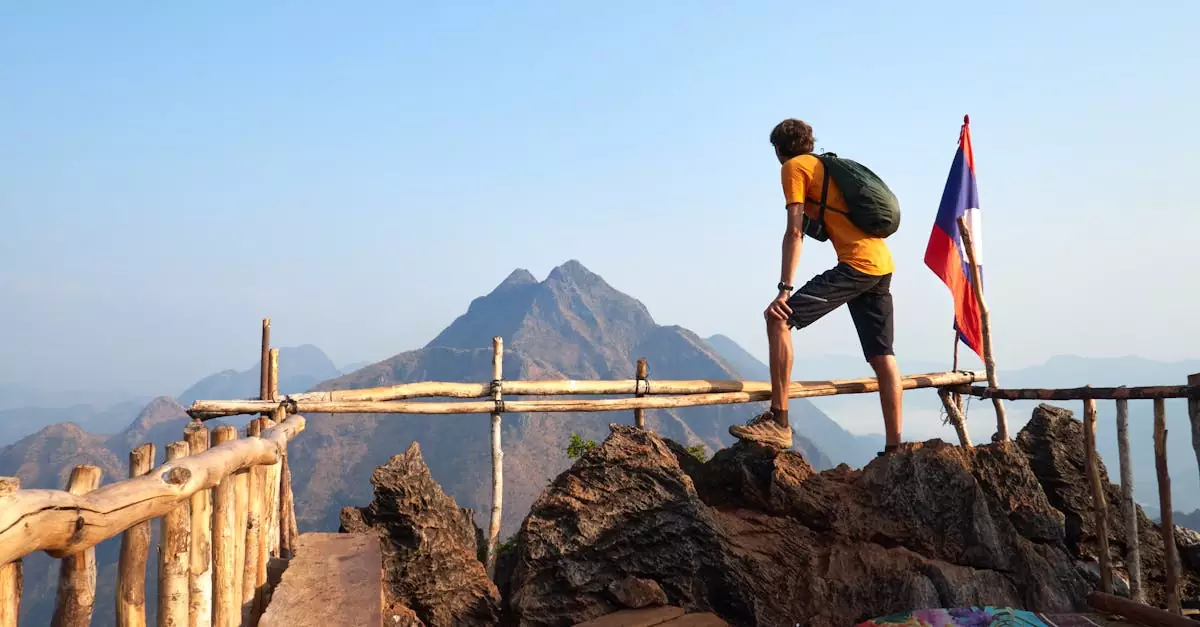
One of the standout perks of visiting during the rainy season is the sharp drop in accommodation rates. With fewer guests, hotels and guesthouses often roll out enticing discounts and special offers. Budget-conscious travelers can secure private rooms with basic amenities like fans and Wi-Fi for as low as $10-$15 USD per night, sometimes including breakfast. Mid-range boutique hotels that might charge $50-$80 USD during peak months often reduce rates to $30-$50 USD during the monsoon, allowing for greater comfort without overspending your luang prabang off season budget.
Even luxury resorts occasionally slash prices to below $100 USD, making indulgence more accessible. When hunting for deals, consider places a bit removed from the bustling night market area but still within walking distance of key attractions. Many lodgings along the Nam Khan River or tucked into quieter side streets offer excellent value. Booking a few days ahead usually suffices, as availability isnt typically tight. Since many establishments aim to fill rooms, dont hesitate to ask directly about special rainy season luang prabang offers. Its wise to check reviews for cleanliness and amenities, especially air conditioning, which can be a welcome relief in humid weather.
Getting Around: Transport Costs and Options
Getting around Luang Prabang remains straightforward and affordable during the rainy season. The city centers compact layout makes walking an enjoyable way to visit temples and riverside spots. For longer journeys or when rain arrives, several transportation options are available. Tuk-tuks dominate local transit, with short rides costing about 15,000-30,000 LAK (roughly $0.75-$1.50 USD), depending on the distance and your bargaining. Always agree on the fare before you hop in. For specific routes, like trips to Kuang Si Falls, shared songthaewspickup trucks with bench seatsoffer even cheaper rides.
Renting a bicycle is a popular, cost-effective choice at around 20,000-30,000 LAK ($1-$1.50 USD) per day, though during wet weather, a tuk-tuk might be more comfortable. Motorbikes are also available for roughly 80,000-120,000 LAK ($4-$6 USD) daily, providing flexibility but requiring caution on slippery roads. Airport transfers via shared minivan run about 50,000 LAK ($2.50 USD) per person, while private taxis charge near 70,000 LAK ($3.50 USD). These affordable options help keep the luang prabang rainy season travel cost manageable, allowing visitors to explore widely without overspending.
Activities and Experiences: Making the Most of the Monsoon
The rainy season doesnt put a damper on exploring Luang Prabang; instead, it offers a fresh perspective and special experiences. Many major sites remain accessible regardless of weather. The Royal Palace Museum (entry 30,000 LAK) and ancient temples like Wat Xieng Thong (20,000 LAK) provide cultural encounters and shelter from sudden showers. Taking a traditional Lao cooking class, costing around $25-$40 USD, is perfect for rainy days, combining fun with a tasty meal. A relaxing Lao massage or spa treatment is another excellent option, starting at roughly $10 USD per hour.
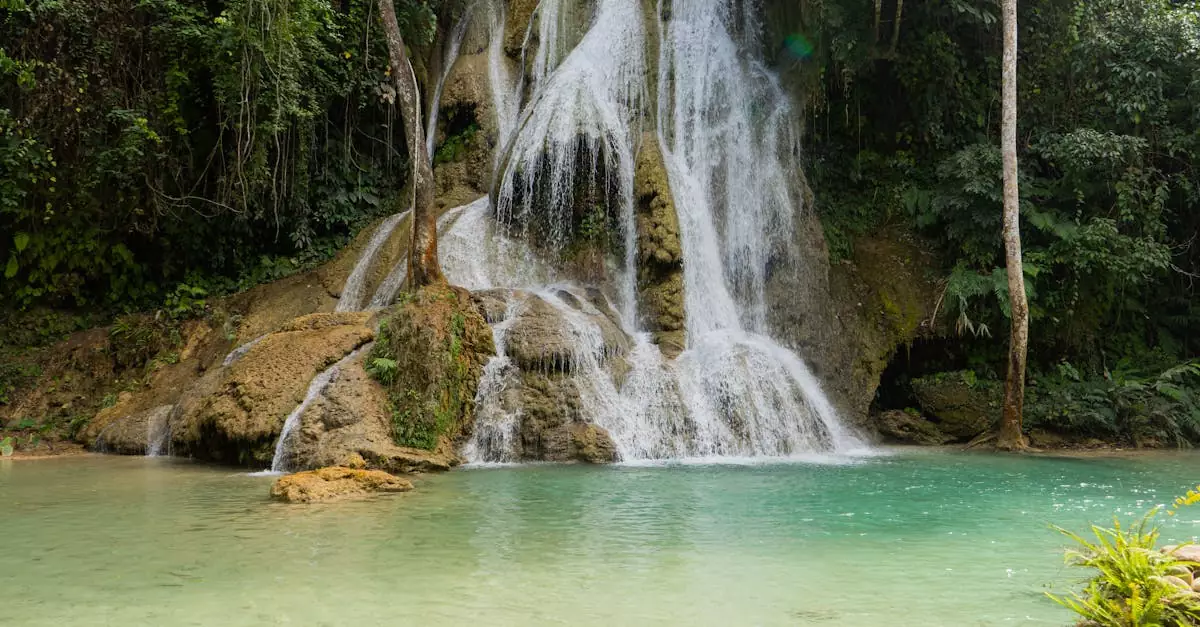
For nature lovers, Kuang Si Falls (25,000 LAK entry plus transport) is arguably at its most stunning in the monsoon. The cascades swell with powerful water flow, and the turquoise pools look inviting. Just exercise careful footing as trails can get slippery. The Pak Ou Caves (20,000 LAK entry plus boat fare) are reachable by boat along the Mekong River, offering scenic journeys even in wet weather. While some trekking paths might be more challenging due to mud, shorter, well-kept trails remain enjoyable. The lush greenery and dramatic skies provide excellent photo opportunities. These activities costs stay fairly steady, contributing to a consistent luang prabang rainy season travel cost.
Food and Dining: Savouring Local Flavors Affordably
Sampling Luang Prabangs cuisine is a highlight year-round, and dining expenses stay affordable during the rainy season, helping you stick to your luang prabang off season budget. Street food vendors at the night market serve an impressive range of tasty, inexpensive dishes. From fresh spring rolls and grilled meats to noodle soups and sticky rice, meals typically cost between 10,000-20,000 LAK ($0.50-$1 USD). A filling meal from a street stall can easily be had for under $3 USD.
Local restaurants and cafs offer a more relaxed atmosphere with comparable prices for traditional Lao fare, usually ranging from 30,000-60,000 LAK ($1.50-$3 USD) per main dish. Many spots feature set menus or daily specials that provide excellent value. Even mid-range restaurants serving Western or fusion dishes remain affordable by international standards, with meals generally costing $5-$10 USD. Dont miss out on refreshing fresh fruit shakes (10,000-15,000 LAK) or the renowned Lao coffee. Opting for local cuisine not only enriches your cultural experience but also keeps food costs low, with most travelers comfortably spending $10-$15 USD daily on meals.
Luang Prabang Rainy Season vs. Peak Season: A Cost Comparison
Recognizing the financial perks of visiting during the low season helps with planning your budget. The luang prabang rainy season travel cost stands out when compared to the peak dry season from November to February. Below is a table outlining average price differences across essential travel expenses. Keep in mind these figures can vary based on advance booking, personal choices, and how well you negotiate.
| Category | Rainy Season (May-Oct) | Peak Season (Nov-Feb) |
|---|---|---|
| Accommodation (Mid-range hotel/night) | $30 – $50 USD | $50 – $80 USD |
| Budget Guesthouse/Dorm (night) | $10 – $15 USD | $15 – $25 USD |
| International Flights (from SEA hubs) | Lower fares, more deals | Higher fares, less availability |
| Local Transport (Tuk-tuk short ride) | $0.75 – $1.50 USD | $1 – $2 USD (less negotiation) |
| Meal (Local restaurant) | $1.50 – $3 USD | $2 – $4 USD |
| Activities (Entry fees) | Consistent | Consistent |
| Overall Daily Budget (mid-range) | $30 – $60 USD | $50 – $90 USD |
The savings, especially on lodging and flights, can drastically lower overall travel expenses. This makes a monsoon-season trip to Luang Prabang particularly enticing for travelers eager to maximize their budget. The reduced numbers of tourists also create a more relaxed atmosphere. For broader information about Laos, visit Laos on Wikipedia.
Pros and Cons of Rainy Season Travel
Choosing to visit Luang Prabang during the rainy season brings a mix of benefits and challenges. Considering these points can help you decide if this timing suits your travel preferences.
Pros:
- Lower Prices: Perhaps the biggest draw is the significant discounts on flights, accommodation, and sometimes tours, which markedly reduce your luang prabang rainy season travel cost.
- Fewer Crowds: Explore temples, markets, and waterfalls with far less tourist traffic, allowing for more personal and peaceful experiences.
- Lush Green Scenery: The monsoon season brings the landscape to life, with waterfalls at their peak and the countryside glowing in vivid green.
- Unique Atmosphere: The combination of dramatic skies, refreshing rains, and quieter streets creates a tranquil and almost mystical vibe that many travelers cherish.
- Easier Interaction: With fewer visitors around, locals tend to have more time for genuine connections, enriching your cultural encounters.
Cons:
- Intermittent Rain: Rain showers, though generally short, can disrupt outdoor plans, so flexibility is essential to adapt your itinerary.
- Humidity: The airs moisture can feel heavy, making lightweight, quick-drying clothing a necessity.
- Muddy Paths: Some dirt roads and trekking trails become slippery and muddy, requiring sturdy footwear and extra care.
- Limited Activities: On rare occasions, certain outdoor excursions like specific river cruises or remote hikes might be off-limits due to weather.
- Insect Activity: Increased humidity and standing water can lead to more mosquitoes and insects, so insect repellent is important.
Practical Tips for a Smooth Rainy Season Trip
Success during Luang Prabangs monsoon relies on thoughtful preparation and a flexible approach. Here are some tips to help you manage your luang prabang rainy season travel cost and enjoy your visit more fully.
- Pack Smart: Choose lightweight, quick-drying clothes and bring a reliable, compact rain jacket or poncho. Waterproof sandals or flip-flops are handy for wet streets. Dont forget insect repellent and sunscreen for sunny breaks.
- Waterproof Your Gear: Safeguard electronics and important documents with dry bags or waterproof covers. A waterproof daypack is highly recommended.
- Embrace Flexibility: Be ready to change plans if heavy rain arrives. Keep indoor options like museums, cooking classes, or spa visits in mind as backups.
- Footwear Matters: Pack sturdy, waterproof, and comfortable shoes for walking, especially if you plan to visit waterfalls or take short treks on slippery terrain.
- Book Accommodation: While last-minute bookings are usually fine, reserving a room a few days in advance can secure better deals, especially if you want specific amenities like air conditioning.
- Stay Hydrated: The humid weather can dehydrate you quickly, so drink plenty of bottled water throughout the day.
- Important Tip 1: Carry a small, foldable umbrella or lightweight raincoat to avoid buying overpriced rain gear on the spot when showers start unexpectedly.
- Important Tip 2: Consider travel insurance that covers weather-related interruptions. Though rare, severe weather can sometimes affect travel plans.
- Reality Check: Some remote or unpaved routes may become tough or unsafe for motorbikes and other vehicles during heavy rain. Always check local conditions before venturing far off the beaten path.
For additional insights on tourism in Laos, visit the official Tourism Laos website.
FAQs About Rainy Season Travel in Luang Prabang
Is Luang Prabang worth visiting during the rainy season?
Definitely. The season highlights the regions lush greenery, offers a quieter experience, and lowers costs significantly, making the luang prabang rainy season travel cost attractive. Rain tends to fall in short bursts, leaving plenty of time to explore.
What are the average daily costs for a budget traveler?
Budget travelers can expect to spend about $20-$25 USD per day during the rainy season. This includes basic guesthouse stays, street food, and local transport like walking or shared tuk-tuks, keeping travel affordable.
Are all attractions open in the rainy season?
Most main attractions, including temples, museums, and waterfalls, remain open. Some trekking paths may be muddy and challenging, but popular spots like Kuang Si Falls often look their best with increased water flow.
What should I pack for Luang Prabang’s rainy season?
Bring lightweight, quick-drying clothes, a reliable rain jacket or poncho, and waterproof footwear like sandals or flip-flops. Dont forget insect repellent, sunscreen, and a waterproof bag for your electronics. Layering helps with temperature changes.
Is it safe to travel during the monsoon?
Yes, generally its safe. However, exercise caution on wet, slippery surfaces, particularly near waterfalls or on unpaved roads. Always keep an eye on weather forecasts and stay aware of your surroundings, just as you would anywhere.
Conclusion: Embracing the Green Season Charm
Visiting Luang Prabang during the rainy season is more than just an alternativeits a chance to experience the citys magic in a unique, budget-friendly way. The lower tourist numbers create a peaceful atmosphere for a more genuine cultural connection and a deeper appreciation of natures beauty. The vibrant greenery, roaring waterfalls, and dramatic skies unfold a side of Luang Prabang many miss during peak season. Alongside the noticeably reduced luang prabang rainy season travel cost for flights, lodging, and activities, your budget stretches further, allowing either a longer or more comfortable stay.
By understanding the weathers rhythm, packing wisely, and staying adaptable, you can easily overcome any monsoon challenges. Accept the occasional downpour as part of the adventure, knowing it nourishes the lush surroundings and refreshes the air. Luang Prabangs green season stands as proof that traveling off-peak can lead to some of the most memorable and rewarding experiences. Rather than shy away from the so-called ‘rainy season,’ see it as an invitation to uncover the hidden treasures and incredible value this UNESCO World Heritage city offers.