

Introduction to Cambodia Travel Expenses
When planning a trip to Southeast Asia, many visitors are drawn to the Kingdom of Wonders. Estimating the cambodia travel cost for 7 days should be one of your first steps for a 2026 itinerary. Whether your plan includes watching the sunrise over Angkor Wat or navigating the lively streets of Phnom Penh, having a clear budget lets you focus on the experience. Cambodia blends millennia-old temples with pockets of modern development, and you can fit the trip to shoestring, mid-range, or luxury tastes. From inexpensive street food stalls to upscale resorts along the coast, the choices are wide.
The nation uses both the Cambodian Riel and the US Dollar, so carrying small US bills tends to make day-to-day transactions smoother. A quick look at Cambodia shows a country reborn as a popular destination, with improving infrastructure and a growing range of accommodation. Expect prices to shift between Phnom Penhs urban center and quieter rural provinces. Despite recent growth, everyday costs remain lower than in most Western nations and often undercut neighboring Thailand.
A standard seven-day visit commonly focuses on Siem Reap and Phnom Penh, so budget for visas, intra-country travel, and entry fees to major sites. Statistics from Tourism Cambodia confirm the countrys ongoing popularity. Below youll find a detailed breakdown of typical expenses so your cambodia 1 week budget reflects realistic costs and avoids surprises on the road.
Understanding the Cambodia Travel Cost for 7 Days
Your total cambodia travel cost for 7 days varies with how you like to travel. Backpackers who stick to hostels, street meals, and shared transport can expect roughly $350$500 for the week. Comfort seekers tend to sit in the $700$1,000 bracket, which covers private rooms with air-conditioning and a wider choice of restaurants. If you pick five-star hotels, private guides, and more convenience, expenses climb beyond $2,000. International airfare sits outside these estimates and depends on your departure point.
One upfront cost many forget is the entry visa, usually around $30$35 for a 30-day tourist visa obtained on arrival or online. Travel insurance is another sensible purchase to cover any medical issues. Cambodias landscape is mostly low plains, as described by Britannica, so transfers between cities can take time; a quality intercity bus typically costs $10$15. Small daily expenses accumulate quickly over a week, so tracking them keeps your wallet healthy.
On average, a comfortable daily budget sits near $50 per person, covering three meals, occasional drinks, and tuk-tuk trips within town. If Siem Reap is on your route, factor in the Angkor Pass: $62 for three days is the most common choice among visitors. Hiring a knowledgeable local guidearound $30$40 per dayoften makes temple visits far more rewarding. Finally, reserve a bit of cash for souvenirs and tipping for notably good service.
Accommodation Costs in Phnom Penh and Siem Reap
Lodging typically forms a large slice of your cambodia travel cost for 7 days. In Phnom Penh youll find options across the price spectrum. Dorm beds in hostels commonly run $7$12 per night and are perfect for meeting other travelers and finding budget tours. Private guesthouse rooms usually cost $20$35 and provide basic comforts such as a fan or AC and a private bathroom. Many guesthouses cluster around the riverside and landmarks like the Independence Monument.
Mid-range hotels in the capital often charge $50$80 per night and may include perks like a pool and breakfast. Upscale boutique and international hotel rooms range from $120$300 per night. Siem Reaps pricing is similar but tends to spike in the high season. Popular neighborhoods include Pub Street for nightlife and Wat Bo for a quieter feel. Booking ahead during holidays or peak season often secures better rates and availability.
Location matters: a cheaper room farther from attractions might save you a few dollars on lodging but cost extra in daily tuk-tuk fares. Check whether your hotel provides airport pickupit can simplify arrival and save on taxis. Free Wi-Fi is now common and helps with daily planning. Read recent reviews to confirm cleanliness and safety; after long days exploring temple complexes, a good bed and reliable amenities make a big difference.

Daily Food and Drink Expenses
Food in Cambodia balances great taste with low prices. Street meals such as fried noodles or rice dishes commonly cost $2$4 and are found on many corners in Phnom Penh. Dining at a local sit-down restaurant typically runs $5$8 for traditional Khmer dishes like Fish Amok or Beef Lok Lak. Western-style mains are pricier, often $10$15 at mid-range eateries.
Drinks remain inexpensivelocal draft beer during happy hour can be as little as $0.50$1. Bottled water costs about $0.50 and is essential in the heat; avoid drinking tap water. Fresh fruit shakes and coconut water are popular and usually about $1.50. Cafs offer coffee options, with lattes around $2.50$3.50. These everyday expenses are a core part of shaping your cambodia 1 week budget.
For special evenings, Phnom Penh hosts several fine-dining venues where a full meal with wine might be $40$70 per person. Many travelers choose street food at lunchtime and reserve a nicer restaurant for dinner to balance the budget. Tipping isnt mandatory but is appreciatedsmall gestures help local staff. Eating at neighborhood stalls and family-run restaurants also sends money directly into local communities, which supports small business owners.
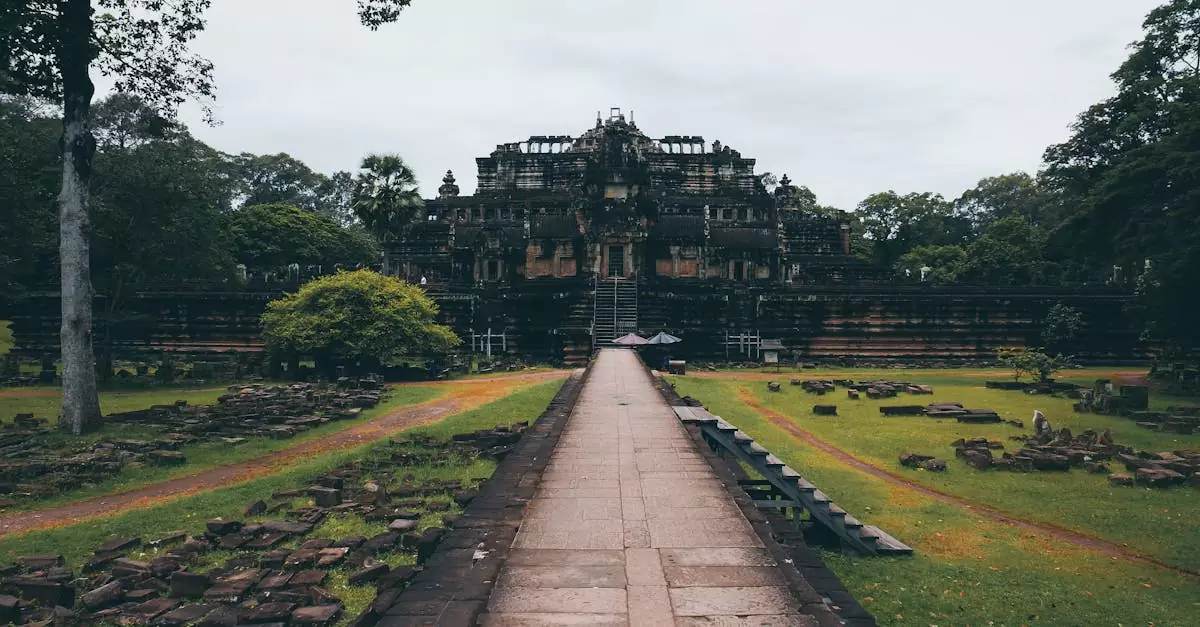
Transportation Costs: Getting Around Cambodia
Transport choices heavily influence your cambodia travel cost for 7 days. Inside cities like Phnom Penh, tuk-tuks are the go-to mode; short hops cost about $2$3 and longer trips around $5. Ride-hailing apps such as Grab and PassApp are useful because they display the fare before booking, avoiding haggling. Walking is possible in compact areas but the heat and limited sidewalks can make it uncomfortable. Hiring a private car for a full day of sightseeing usually costs $40$60.
Intercity travel mostly relies on buses and minivans. A typical bus ticket from Phnom Penh to Siem Reap runs $10$15 and takes roughly 67 hours depending on traffic and road conditions. Companies like Giant Ibis are known for safety and comfort. Domestic flights cut travel time to about 45 minutes but are pricierexpect $80$120. During the wet season, river transport becomes an option, offering scenic but slower journeys.
Bicycles are an economical and enjoyable way to tour the Angkor arearentals go for $2$5 per day. E-bikes, at roughly $10 per day, are a good option if you prefer less effort. For full-day temple circuits, many visitors hire a tuk-tuk driver for $15$25 depending on distance and how many temples are included. Always agree the fare before you depart to avoid misunderstandings.
| Transport Mode | Estimated Cost (USD) | Best Use Case |
|---|---|---|
| City Tuk-Tuk | $2 – $5 | Short trips within the city |
| Intercity Bus | $10 – $18 | Travel between major hubs |
| Private Car (Day) | $40 – $60 | Full day of comfortable sightseeing |
| Domestic Flight | $80 – $150 | Saving time between cities |
| Bicycle Rental | $2 – $5 | Exploring local areas at your own pace |
Sightseeing and Activity Fees
Activity costs shift depending on your plans. The Angkor Archaeological Park is the headline expense in Siem Reap: as of 2026 the pass is $37 for one day, $62 for three days, and $72 for seven days. Most travelers opt for the three-day ticket to see Angkor Wat, Bayon, and Ta Prohm without rushing. Hiring a local guideabout $30$40 a dayadds historical context that transforms the visit.
In Phnom Penh, attractions include the Royal Palace and Silver Pagoda with an admission around $10, and the National Museum at about $10 as well. Sites such as Tuol Sleng Genocide Museum and the Killing Fields carry entrance and audio guide fees in the $5$10 range; these are somber visits that often leave a strong impression. For many visitors, understanding Cambodias history becomes a meaningful highlight of the trip.
Other options include Tonle Sap boat trips, cooking classes, and nature excursions. A sunset cruise in Phnom Penh typically costs $10$15 and usually includes a drink. Cooking classes in Siem Reap tend to run $20$30 and often begin with a market visit. A day trip to Phnom Kulen National Park carries an entrance fee around $20, plus transport. Weather can impact outdoor plans, so check conditions before booking.
Reality Check: Hidden Costs
Small, frequent expenses add up faster than most expect. Bottled water and snacks while touring temples may cost $5$10 per day. Tipping drivers and guides can tack on an extra $5$10 daily. If youre using a scooter or bike some temples or sites may charge a small parking fee. Likewise, small donations at active pagodas and tips for local performers are common. Those little charges can accumulate to $50 or more over a week, so keep some Riel notes handy for minor transactions.
Cambodia 1 Week Budget: Sample Itineraries
Putting together a cambodia 1 week budget makes it simpler to manage expenses while seeing the highlights. A tight-budget plan might split time with three nights in Siem Reap and four in Phnom Penh. Using hostels, street food, and buses, a backpacker could aim for about $400 total, including visa, bus fares, and the three-day Angkor pass. Youll still visit key sites, but travel will be more communal and less private.
A mid-range schedule upgrades accommodation to comfortable 3-star hotels, mixes local and international dining, and may include a private driver for temple tours. Expect a total near $850 per person, which covers entrances, several nicer meals, and an occasional cocktail at a rooftop bar. This strikes a nice balance for couples or families seeking comfort without extravagance.
At the luxury end, you can choose high-end resorts such as the Raffles, private island stays, and bespoke guided tours. That package might include domestic flights and a Mekong River cruise. For seven days, a premium trip commonly ranges from $2,500 to $5,000 per person, offering privacy, tailored service, and top-tier dining experiences. Whatever budget you pick, Cambodias scenery and culture remain accessible.
Pros and Cons of Budget Travel in Cambodia
Traveling cheaply in Cambodia offers several appealing advantages. Low costs let you spend more days or splurge occasionally on special experiences, and eating at street stalls or riding local transport puts you in direct contact with everyday life. Those interactions often lead to memorable discoveries that more insulated travelers miss. Budget travel can also encourage picking up a few local phrases and supporting small vendors directly.
On the downside, the cheapest options sometimes lack comforts like reliable air-conditioning or hot showers, which makes sleeping in the tropical heat less pleasant. Dorms and budget guesthouses can be noisy, and the slowest transport choices take longer and provide less comfort. Food hygiene can also be a concern at very cheap stalls, so choose vendors with high turnover and good cleanliness. Balancing savings with some creature comforts often improves the overall trip.
Haggling for transport fares can be tiring if you prefer fixed prices, and budget travelers must stay alert to protect their belongings in crowded spots. While Cambodia is relatively safe, petty theft can happen in busy tourist areas. Often, spending an extra $10 for a nicer room or a quicker bus is worthwhileits about finding the right compromise for your travel style.
Practical Tips to Save Money
There are practical ways to lower your cambodia travel cost for 7 days without sacrificing much comfort. Traveling in the shoulder monthsMay, June, and Septembercan yield lower hotel rates and fewer crowds, though brief showers are more likely. Using ride-hailing apps such as Grab helps avoid inflated fares. Choosing local beers over imported drinks reduces bar bills considerably.
- Eat at local markets instead of tourist-focused restaurants near major landmarks.
- Buy a local SIM card at the airport for cheap data and local calls.
- Walk in the early morning or late afternoon to save on short tuk-tuk rides.
- Book your bus tickets online in advance to find the best rates and seats.
- Carry a reusable water bottle and use refill stations found in many hostels and cafes.
Sharing transport with fellow travelers can cut costssplitting a tuk-tuk for a day is common. Seek out free activities like market visits or riverside walks, and remember many pagodas are free aside from a polite donation. Avoid hotel-arranged tours when possible; they often include a commission. A conversation with an independent driver on the street can produce the same tour at a lower price.
Important Tips for Travelers
Keep small-denomination US bills on hand$1, $5, and $10 notes are useful because many vendors cannot change $50s or $100s. Make sure your US bills are crisp and undamaged; worn notes are frequently refused. Familiarize yourself with the current exchange rate between the Dollar and the Riel to identify whether youre receiving correct change in local currency. These simple habits prevent awkward situations and keep transactions smooth.
Frequently Asked Questions
How much cash should I bring to Cambodia for a week?
A mid-range traveler should plan to carry about $500$700 in cash for a week. That amount generally covers food, local transport, and entrance fees for one person. ATMs are available in major cities if you need more cashstore it securely, for example in a hotel locker.
Is Cambodia cheaper than Thailand for tourists?
For many basic expenses like street food and local transport, Cambodia tends to be cheaper than Thailand. However, major attraction feessuch as the Angkor Passcan be higher than comparable sites in Thailand. Overall, budget travelers often find their money stretches slightly further in Cambodia, while mid-range accommodation prices are similar between the two countries.
Can I use my credit card in Cambodia?
Credit cards are accepted at major hotels, upscale restaurants, and large supermarkets in urban areas, but daily life remains largely cash-based. Bring enough cash for tuk-tuks, street vendors, and small shops, and dont rely solely on cards when exploring away from city centers.
What is the best time of year to visit Cambodia?
The cool, dry season from November to February is the most popular time to visit, with the nicest weather and higher hotel rates. To find better deals and fewer crowds, consider shoulder months like May or Octoberexpect some rain but enjoy lower prices and quieter temples.
Do I need to tip in Cambodia?
Tipping isnt required, but small amounts are appreciated. A dollar or two for a driver or waiter makes a meaningful difference. Many visitors round up bills or leave a modest tip for guides and service staff to show gratitude.
Conclusion: Planning Your 2026 Adventure
Estimating the cambodia travel cost for 7 days gives you a solid foundation for a rewarding trip. Whether you travel on a shoestring or prefer luxury, the country provides exceptional value and memorable experiences. Planning for visas, transport, and attraction fees helps avoid unexpected expenses, leaving more room to soak in Cambodias history, landscapes, and warm hospitality. Start shaping your budget now so you can travel confidently and enjoy the sights of the Khmer Empire and the energy of Phnom Penh in 2026.

Our Fact Checking Process
We prioritize accuracy and integrity in our content. Here's how we maintain high standards:
- Expert Review: All articles are reviewed by subject matter experts.
- Source Validation: Information is backed by credible, up-to-date sources.
- Transparency: We clearly cite references and disclose potential conflicts.
Our Review Board
Our content is carefully reviewed by experienced professionals to ensure accuracy and relevance.
- Qualified Experts: Each article is assessed by specialists with field-specific knowledge.
- Up-to-date Insights: We incorporate the latest research, trends, and standards.
- Commitment to Quality: Reviewers ensure clarity, correctness, and completeness.
Look for the expert-reviewed label to read content you can trust.