Introduction to Choosing Transport in Siem Reap
Siem Reap bustles as the primary launch point for visitors heading to the famed Angkor Archaeological Park. Early in your planning you’ll face a practical question: which daily transport fits your needs best? Many travelers weigh the siem reap tuk tuk vs car angkor cost to decide between budget-friendly charm and a more comfortable ride. That choice shapes how you move between temples and how you take in Cambodia’s historic landscape while staying in town.
The climate here can be punishing, particularly in the dry season from November through March. With long temple walks built into most itineraries, the vehicle you pick becomes a welcome respite between ruins. Riding a tuk tuk keeps you exposed to the sights, sounds, and breezes of local life. A private car, however, gives you air conditioning and shelter from heat and rainoften a game-changer during midday visits. Comparing prices alongside service levels helps you pick the right balance of comfort and cost.
This guide breaks down what you can expect to pay and the trade-offs for each option. You’ll find daily rate ranges, extra fees for very early starts like sunrise tours, and the logistical perks or drawbacks tied to each vehicle type. Whether you’re a lone backpacker saving every dollar or a family prioritizing comfort, the information here will help you budget accurately and pick the transport that suits your itinerary.
Understanding the Siem Reap Tuk Tuk vs Car Angkor Cost
Price differences often drive the decision when comparing siem reap tuk tuk vs car angkor cost. For the Small Circuit, a typical tuk tuk runs about $15 to $20 per day, usually covering the driver, fuel, and cold water for up to four people. A private car for the same loop commonly starts around $30 and can climb to $45, with air conditioning and a smoother ride on paved roads included in the fee.
Longer routes push prices higher. On the Big Circuit, expect tuk tuk fares near $20 to $25, while car rates commonly sit between $40 and $55. Sunrise tours usually add a $5 surcharge since drivers need to begin very earlyoften before 5 AMto reach Angkor Wat before daybreak. For the most current rules or any official pricing guidance, consult the official tourism portal.
Keep in mind these figures cover only the vehicle and driver; a licensed guide is extra. Professional guides typically charge an additional $30 to $45 daily, depending on language and expertise. Drivers can point out temples but generally cannot enter and provide detailed commentary inside the monuments. When tallying your total costs, factor in guide fees. For larger groups, the higher base rate of a car often becomes more economical once shared among passengers.
The Angkor Tuk Tuk vs Car Price Comparison in Detail
To choose wisely, you need a straightforward angkor tuk tuk vs car price comparison across likely itineraries. Distance is a major factor in what drivers quote. Take Banteay Srei, roughly 35 kilometers from Siem Reap: a tuk tuk driver may ask $25 to $30 because of the longer drive and fuel use, while a car will usually command $50 to $65 for the same trip.
Very distant sites such as Koh Ker or Beng Mealea are usually more suited to cars. Roads to those ruins can be rough and dusty, making tuk tuk travel uncomfortable. A full-day car trip to Koh Ker often costs between $100 and $120, covering the extended drive and waiting time while you explore. Although a tuk tuk can technically reach Beng Mealea, many drivers discourage it because the round trip exceeds two hours each way; a car can shave significant travel time on these longer excursions.
Below is a quick table summarizing typical 2026 rates for popular temple routes. Expect slight variation depending on seasonality and negotiation. Confirm the price with your driver before you set off to avoid surprises at the end of the day.
| Route Type | Tuk Tuk Price (USD) | Car Price (USD) | Duration |
|---|---|---|---|
| Small Circuit | $15 – $20 | $30 – $40 | 6 – 8 Hours |
| Big Circuit | $20 – $25 | $40 – $50 | 6 – 8 Hours |
| Sunrise Surcharge | +$5 | +$5 | Starts 4:30 AM |
| Banteay Srei | $25 – $30 | $50 – $60 | Full Day |
| Beng Mealea | Not Recommended | $65 – $80 | Full Day |
Pros and Cons of Taking a Tuk Tuk in Angkor
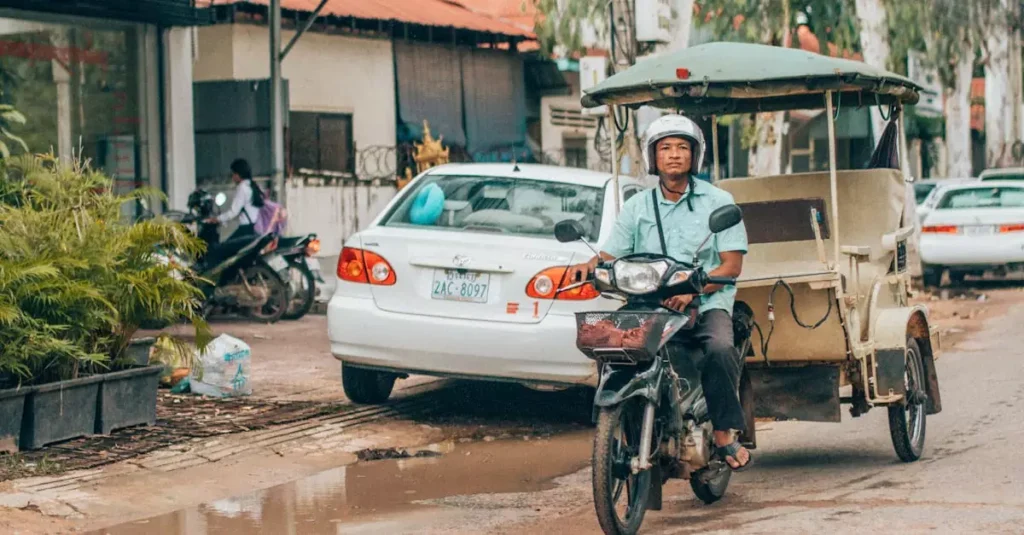
Riding a tuk tuk is a time-honored way to explore the Angkor complex. Its biggest advantage is immersion: you ride in the open air, taking in the smells, sounds, and street life without glass between you and the world. For solo travelers or couples on a tight budget, tuk tuks are the cheapest option and easy to flag down on the street or book through hotels. Their small size also makes them nimble around the busy temple entrances.
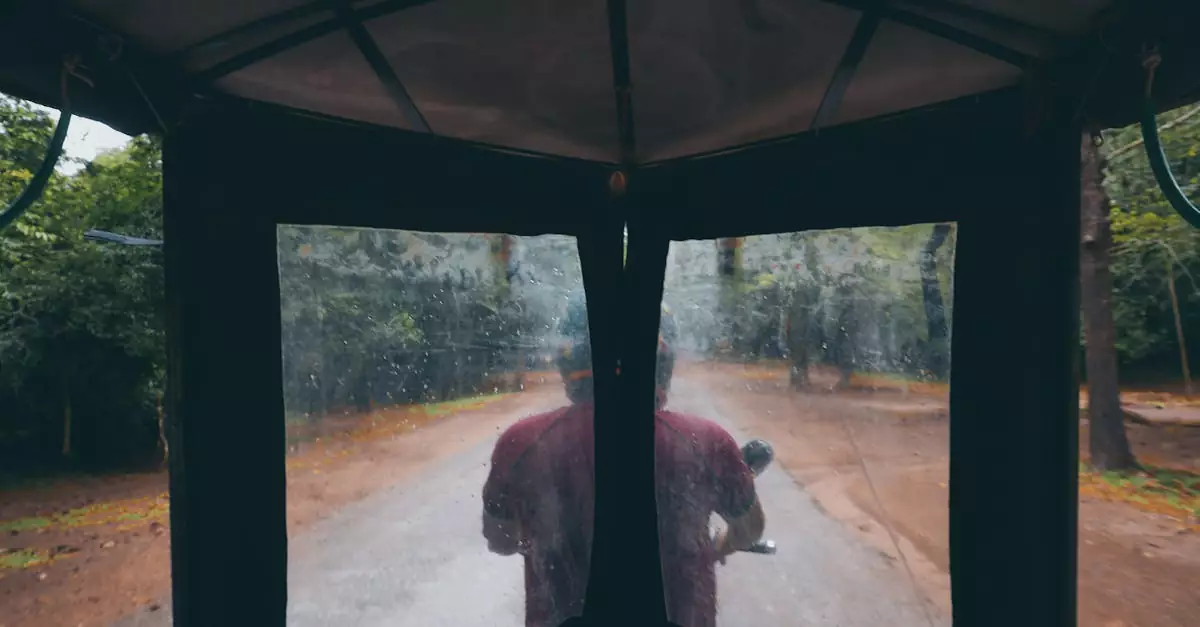
There are drawbacks to consider. Tuk tuks lack air conditioning, which can become draining in Cambodia’s humidityespecially after a few hours of walking. Youll be exposed to dust and exhaust, and even the rain-protective flaps arent always effective during heavy showers. Theyre also slower than cars, meaning more time spent traveling and less time exploring.
- Pro: Lower cost and budget-friendly for most travelers.
- Pro: Better views for photography and a more local feel.
- Con: No air conditioning leads to faster fatigue in the heat.
- Con: Exposure to dust, pollution, and rain during the trip.
- Con: Slower travel speed compared to motorized cars.
Pros and Cons of Choosing a Private Car
Opting for a private car brings a noticeably more comfortable experience. The cooling air conditioning helps you recharge between temple visits, which matters for older travelers or families with small children. Cars deliver a quieter, smoother ride where you can rest between sites. If youre eager to dive into the history of the region, having a cool, comfortable base makes long days of sightseeing much easier to handle.
The trade-off is the higher siem reap tuk tuk vs car angkor cost: a car typically costs about twice as much as a tuk tuk for the same route. Some visitors also feel a car creates distance from the local environment, muting the sensory experience of traveling the jungle roads. At busy times, cars can get stuck near popular temples and finding parking may take a bit longer than for a tuk tuk.
- Pro: Air conditioning provides essential relief from the tropical heat.
- Pro: Faster travel times, especially for remote temple locations.
- Pro: Better protection from dust, rain, and road noise.
- Con: Significantly higher daily rental and fuel costs.
- Con: Less immersive experience compared to open-air transport.
- Con: Harder to navigate through very narrow or crowded paths.
Distances and Travel Times Between Temples
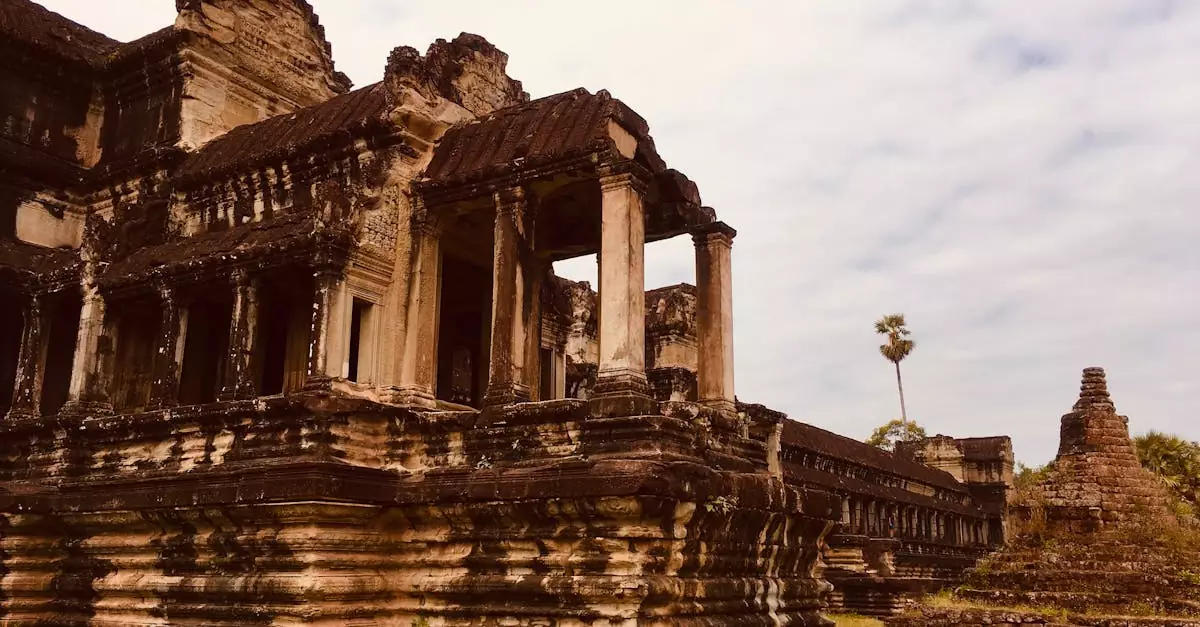
Knowing how far temples sit from one another helps decide whether a car’s extra cost is justified. The Small Circuit spans roughly 17 kilometers and features Angkor Wat, Angkor Thom, and Ta Prohm. Short hops of 10 to 15 minutes separate most stops, so many visitors find a tuk tuk perfectly adequate. Because you frequently exit and re-enter the vehicle, a cars cooling advantage is less dramatic on this route.
The Big Circuit covers around 26 kilometers and includes sites like Preah Khan, Neak Pean, and East Mebon. Drives between these places typically take 20 to 30 minutes, and here the comforts of a car start to matter more. Adding Banteay Srei increases distances substantiallyit’s about 35 kilometers from the Angkor complex. A tuk tuk can take nearly an hour to reach it while a car often completes the trip in roughly 45 minutes and with more comfort.
Trips to outlying locations such as the Roluos Group or floating villages involve substantial travel too. The Roluos Group lies about 15 kilometers east of Siem Reap; a tuk tuk is possible but expect heavy dust in the dry season. When you compare angkor tuk tuk vs car price comparison for these farther sites, cars frequently offer better value because they save time and reduce fatigue, letting you enjoy the ruins more thoroughly. Planning your route on a map before deciding helps make the right choice.
Best Transport for Families and Solo Travelers
Your party size and personal needs should guide the decision. Solo travelers often favor tuk tuks because theyre inexpensive and convenient for one person. Travelers on their own can usually negotiate favorable rates directly with drivers. Still, solo female travelers may feel more comfortable booking through reputable sources or hotels to ensure safety. Siem Reap is generally safe, but sticking to trusted drivers and local advice is wisesee local guidelines for context.
Families tend to benefit most from a car. Children handle heat better with air conditioning, and cars offer seatbelts and greater security for gear and bags while you explore. For groups of four or five, a larger SUV or minivan can work out cheaper per person than hiring two tuk tuks. That extra conveniencespace for luggage and suppliesoften justifies the added expense for parents.
Couples commonly split their approach. A morning tuk tuk tour feels fun and romantic, but afternoon heat can sap the enjoyment. A common plan is to take a tuk tuk for the Small Circuit one day and upgrade to a car for the Big Circuit or distant temples on another day. That way you capture the open-air charm while still enjoying air-conditioned comfort when distances or temperatures demand it.
Practical Tips for Booking Your Angkor Transport
How you book can influence both price and convenience. Hiring the same driver for multiple days often secures a better dealdrivers appreciate the steady work and may offer package discounts, such as $10 off a three-day car booking. Always clarify what the quoted price includes: fuel, parking fees, and cold water are common points of confusion. Many professional drivers provide unlimited cold water, which is a big plus under the sun.
Expect ‘temple fatigue’ to set in by the second day for most visitors; walking long distances in hot weather takes its toll. If youre deciding between siem reap tuk tuk vs car angkor cost, reflect on your stamina and comfort needs. A car can be a worthwhile investment if you know you tire easily. For short trips inside town, ride-hailing apps like Grab or PassApp are handy, but for full-day temple tours its usually better to arrange a driver directly.
- Tip 1: Always agree on the final price and the specific itinerary before the wheels start turning.
- Tip 2: Check the condition of the vehicle, especially the tires and seat cleanliness, before hiring.
- Tip 3: Carry small denominations of US dollars or Cambodian Riel to pay your driver at the end of the day.
- Tip 4: Ask your driver for their WhatsApp or Telegram number so you can easily find them at temple exits.
- Tip 5: If you find a great driver, leave a small tip (10-15%) to show your appreciation for their service.
Frequently Asked Questions
Is it safe to take a tuk tuk to the temples?
Generally, tuk tuks are a safe way to travel around Siem Reap. Drivers know the routes well and have plenty of experience. Keep valuables tucked away and be mindful of personal items near the vehicle’s edges to avoid accidental loss or opportunistic snatchings.
Do I need to book a car in advance?
You can sometimes secure a car at short notice, but booking at least 24 hours ahead is advisableespecially in peak months like December through February. Reserving early helps guarantee a quality vehicle and a driver who may speak your language.
Can a tuk tuk go to Banteay Srei?
A tuk tuk can reach Banteay Srei, but expect a 4560 minute drive each way and significant exposure to dust and heat. For comfort and speed, many travelers prefer a car for that particular trip.
Is the sunrise tour more expensive for cars?
Yescar drivers commonly charge an extra $5 to $10 for sunrise tours to cover the very early start and additional waiting time. Confirm any sunrise surcharge when settling on the daily rate.
Can I pay for my transport with a credit card?
Independent drivers typically accept cash only, either US dollars or Cambodian Riel. If you arrange transport through a larger agency or an upscale hotel, card payments may be possible, but its safest to carry sufficient cash to pay drivers directly.
Conclusion: Making the Best Choice for Your Angkor Adventure
Choosing between a tuk tuk and a car comes down to priorities and budget. If you want to save money and savor an open-air, authentic ride, the tuk tuk is idealespecially on the Small Circuit. But remember how draining the heat can be; without air conditioning, temple touring can become tiring quickly. The siem reap tuk tuk vs car angkor cost difference is meaningful, yet comfort has its own value.
For families, older travelers, or anyone visiting distant sites, a private car usually proves the smarter option. Paying an extra $15 to $20 a day often keeps you fresher and more comfortable across long days. Whichever you choose, communicate your plans clearly with the driver and map out your itinerary ahead of time. With the right transport, wandering the ancient Angkor ruins becomes a highlight of your trip through Asia.