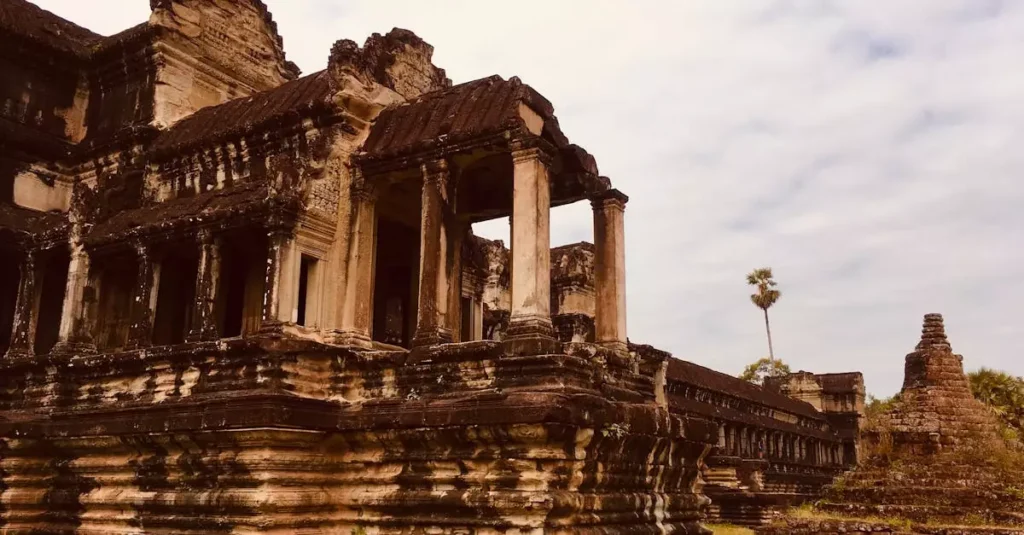
Introduction to Your Siem Reap Adventure
Booking a trip to Cambodia’s temple heart takes a bit of number-crunching and sensible timing. Many travelers want to know the siem reap 2 day angkor wat itinerary cost before committing to flights and hotels. Here you’ll find up-to-date estimates for a 48-hour visit to the Angkor complex, covering the essentials from temple passes to transport and meals for 2026. Having those figures ahead of time keeps money surprises to a minimum so you can focus on the experience.
Siem Reap is the jumping-off point for the Angkor Archaeological Park. The town buzzes with markets and cafs, but the temples are what draw most visitors. Cambodia blends ancient monuments with a lively contemporary culture. For many, a two-day itinerary hits the highlightsAngkor Wat and Bayon among themwhile still fitting into a tight schedule.
Counting the cost means more than the entrance fee. Include tuk-tuk fares, guide fees if you hire one, and meals during your stay. An accurate angkor 2 day budget breakdown helps both solo backpackers and family groups plan for 2026. Below youll find a line-by-line look at likely expenses so you can arrange an affordable, memorable short trip.
Planning Your Siem Reap 2 Day Angkor Wat Itinerary Cost
Start your budget with the temple ticket. In 2026 there isnt a dedicated two-day pass, so most visitors buy the Angkor 3-Day Pass at $62 per person. That pass is valid for any three days within a ten-day span, which is handy if you want to split your touring across non-consecutive days. Tickets are issued at the official booth and you can pay by cash or card. Keep your pass on youguards check it at each entrance.
Getting between sites is a major line item. A tuk-tuk for the day usually runs $15$25 depending on distance and whether you include a sunrise run. For air-conditioned comfort, a private car is typically $35$50 per day. Tuk-tuks remain a popular and atmospheric option, and tipping drivers about $2$5 per day is common. These choices are central to any angkor 2 day budget breakdown.
Meals and drinks are reasonably priced but add up over two days. Town eateries charge roughly $5$8 per meal, while stalls inside the park tend to be pricierabout $8$12 for a simple plate. Plan on $20$30 daily for food and bottled water; a large water bottle costs about $1. Staying hydrated matters in Cambodias heat, and these basic expenses keep most tourists daily totals manageable.
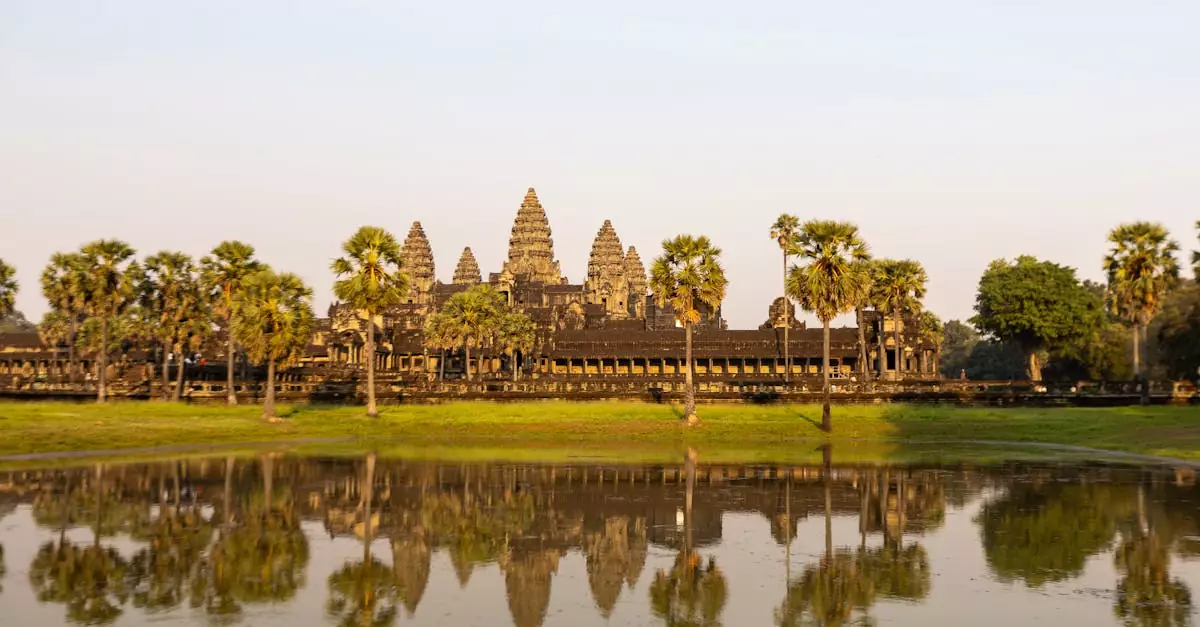
Day 1: The Small Circuit and Sunrise Magic
Most itineraries begin before dawn to watch the sun rise at Angkor Watan iconic sight. Expect to leave your hotel around 4:30 AM to secure a good viewing spot near the reflection pool. When sunlight strikes the five towers, the scene is breathtaking. After the sunrise crowd disperses a bit, spend time inside Angkor Wat itself; the scale and bas-reliefs reward at least a few hours of exploration.
From there youll head to Angkor Thom through the dramatic South Gate, flanked by stone figures. Bayon sits at the center of the ancient city, known for its many smiling faces carved into towering blocks. Close by are the Baphuon and the Terrace of the Elephants, all reachable by a short walkso you can cover several major monuments in one morning.
Ta Prohm usually completes the Small Circuit. Its trees and roots have been left intertwined with the ruins, creating that cinematic lost temple atmosphere made famous by Tomb Raider. By mid-afternoon most visitors retreat to Siem Reap for a late lunch and a rest to beat the heat before returning out if they have the energy.
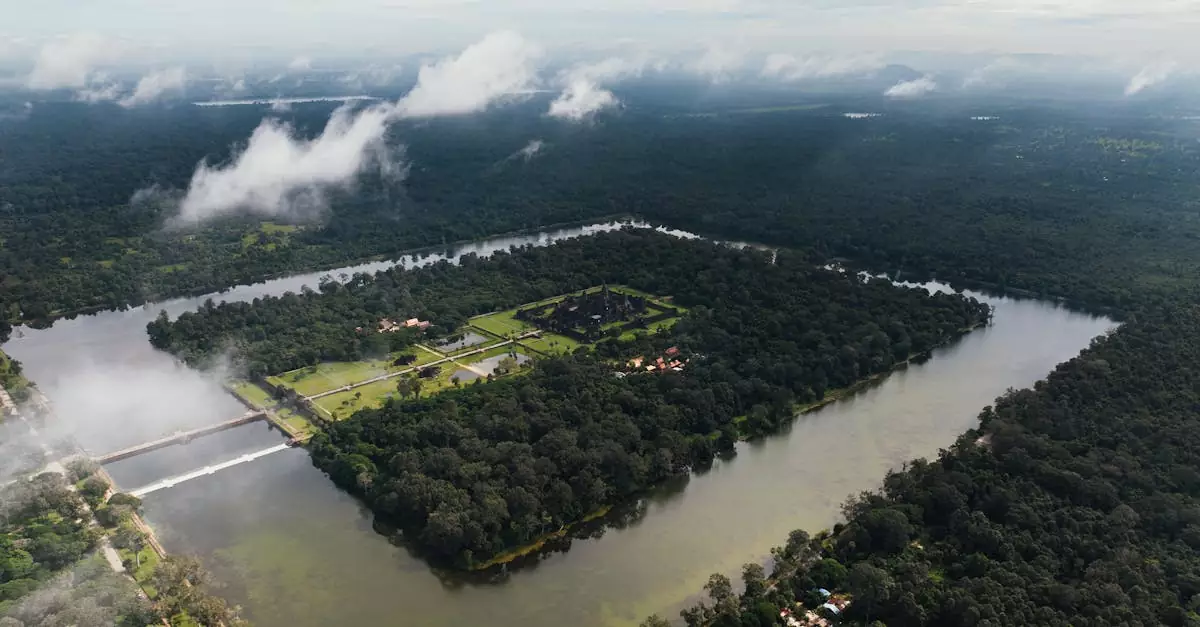
Day 2: The Grand Circuit and Remote Wonders
The second day typically follows the Grand Circuit, which visits temples farther from the core and often with fewer crowds. Start at Preah Khan, a sprawling complex once used as an educational center, where long galleries and carved decorations invite quieter exploration. The scale and serenity here contrast nicely with the busier spots from day one.
Next up is Neak Pean, a small island temple set in an artificial lake and reached by a raised causewayoriginally designed for healing rituals. Continue on to Ta Som and East Mebon to appreciate different architectural phases of the Khmer empire. For official notices about restorations and visitor regulations, check the official tourism board website.
If your schedule and budget allow, add Banteay Srei to your route. Located about 25 kilometers from the main group, its famed for pink sandstone and finely detailed carvings. Expect an extra $10$15 from your tuk-tuk driver for the trip, but many travelers find the Citadel of the Women worth the detour. Finish the day back in Siem Reap in time for dinner on Pub Street.
Detailed Angkor 2 Day Budget Breakdown
Seeing the numbers side by side makes planning easier. Your final total depends mainly on transport and dining choices. Budget travelers can expect roughly $130 for the two days, temple pass included. A more comfortable mid-range plan moves that closer to $200 due to better transport and meals. Learning a bit about the countrys modern social landscape helps explain local prices and why supporting small businesses matters.
| Expense Category | Budget Option (USD) | Mid-Range Option (USD) |
|---|---|---|
| Angkor 3-Day Pass | $62 | $62 |
| Transport (2 Days) | $40 (Tuk-Tuk) | $90 (Private Car) |
| Food & Drinks | $40 | $80 |
| Local Guide | $0 (Self-Guided) | $70 (Professional) |
| Total per Person | $142 | $302 |
The table highlights how transport and guides change the cost. Sharing a tuk-tuk or car with companions cuts per-person costs considerably, lowering the overall siem reap 2 day angkor wat itinerary cost. Many visitors choose a guide for at least one day to gain historical context and discover subtle carvings; if funds are tight, a guidebook or phone app can serve as an effective alternative.
Pros and Cons of a Two-Day Visit
A two-day plan comes with clear benefits. Its time-efficient for travelers with limited schedules and covers the headline sitessunrise at Angkor Wat, Bayons faces, and jungle templeswithout the expense of a longer stay. For first-time visitors it strikes a good balance between seeing the must-sees and keeping the trip affordable.
There are downsides, too. Two consecutive days walking in humid heat can be exhausting, and later in the trip many people start to experience temple fatigue. You’ll miss distant complexes like Koh Ker or Beng Mealea unless you extend your stay, and theres less opportunity to linger at markets or relax between tours.
- Pro: Efficient use of time for short vacations.
- Pro: Covers all major UNESCO sites like Angkor Wat and Bayon.
- Pro: More affordable than longer stays.
- Con: Can be physically demanding in the tropical heat.
- Con: Limited time for remote or less-visited temples.
- Con: Risk of feeling overwhelmed by too much history at once.
Essential Tips for Visiting Angkor Wat in 2026
Follow local rules to avoid problems at the gates. A strict dress code requires shoulders and knees to be covered for both men and women; guards can deny entry for improper attire. Lightweight cotton clothing keeps you cool while showing respect. Carrying a krama, the traditional Cambodian scarf, is handy for shade or quick coverage when needed.
Expect crowds, especially at sunrise. Angkor Wat draws large numbers of visitors; if you want quieter moments, try exploring smaller temples while many people return to town for breakfast. Keep small denominations of US dollars or Cambodian Riel on handvendors inside the park often prefer cash for water and snacks.
Protect yourself from strong sun and insects. Apply a high-SPF sunscreen, wear a hat, and bring a reliable insect repellentmosquitoes are common in the greener areas and during the rainy season. Staying comfortable and healthy makes the days far more enjoyable, and a little advance planning goes a long way toward a smooth visit.
Frequently Asked Questions
Is 2 days enough for Angkor Wat?
Yes. Two full days usually let you complete the Small Circuit on the first day and the Grand Circuit on the second, covering Angkor Wat, Bayon, and Ta Prohm without rushing through each site.
What is the best way to get around the temples?
Most visitors opt for a tuk-tuk as the most economical and flexible choice; it also offers an open-air ride between sites. If you prefer comfort and air conditioning, hire a private car instead, accepting the higher price.
Can I buy my temple pass online?
Yes. The official Angkor Enterprise website sells passes in advance, which saves time at the ticket booth. You can show a digital pass or print a copy for scanning at the entrance.
What is the total siem reap 2 day angkor wat itinerary cost?
For a mid-range plan expect roughly $150$200 per person, including the 3-day pass, transport, meals, and small extras. Budget travelers who share transport and eat at local markets can cut that closer to $130.
Are there ATMs inside the Angkor Archaeological Park?
ATMs within the park are sparse and can be unreliable. Its wise to withdraw sufficient cash in Siem Reap before heading out since many vendors inside only accept cash for food, drinks, and souvenirs.
Final Thoughts on Your Siem Reap Adventure
Exploring Angkor leaves a lasting impression for many travelers. Knowing the siem reap 2 day angkor wat itinerary cost ahead of time lets you concentrate on the sites themselves rather than unexpected expenses. Two days can deliver a satisfying taste of the templessunrises, jungle ruins, and intricate reliefswhile still being manageable for most visitors.
Be thorough when planning your angkor 2 day budget breakdown: account for hot weather, walking distances, and hydration needs. Choosing suitable transport and preparing for crowds will improve your experience. Siem Reap often lingers in travelers memories long after they leave; careful preparation helps ensure those memories are great ones. Enjoy your journey through the ancient Khmer Empire!