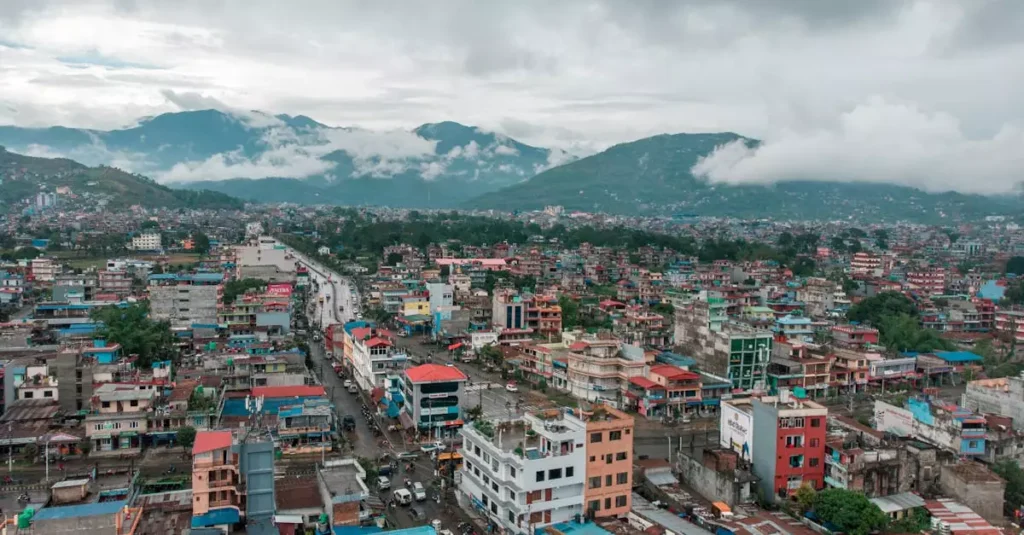
Introduction to Monsoon Travel in Pokhara
Visiting the lake city of Pokhara during the monsoon gives budget-minded travelers a distinct experience. Many people want to know the real pokhara rainy season travel cost before booking. From June through August the area receives frequent, heavy showers, yet those rains turn the hills into a vivid carpet of green. Waterfalls spring to life on slopes that remain dry at other times of year, and the air clears so that dust from the dry months disappears.
Choosing to travel in this season makes it easier to stick to a pokhara off season budget. Most visitors aim for autumn or spring when skies are clearer, so local businesses cut prices to draw guests during the wet months. That means comfortable hotels and nicer rooms at far lower rates than usual. While mountain silhouettes are often hidden by clouds, the citys cultural charm and lush surroundings stay open for exploration.
This piece breaks down expected expenses so you can plan your finances accurately. It covers transport, meals, lodging and activities, and highlights how to handle rain-related hiccups while saving money. Based on real-world figures, a typical traveler will likely spend considerably less than during Octobers high season. Whether youre solo or with family, the numbers here give a realistic 2026 budget snapshot.
Why Visit Pokhara in the Monsoon? Pros and Cons
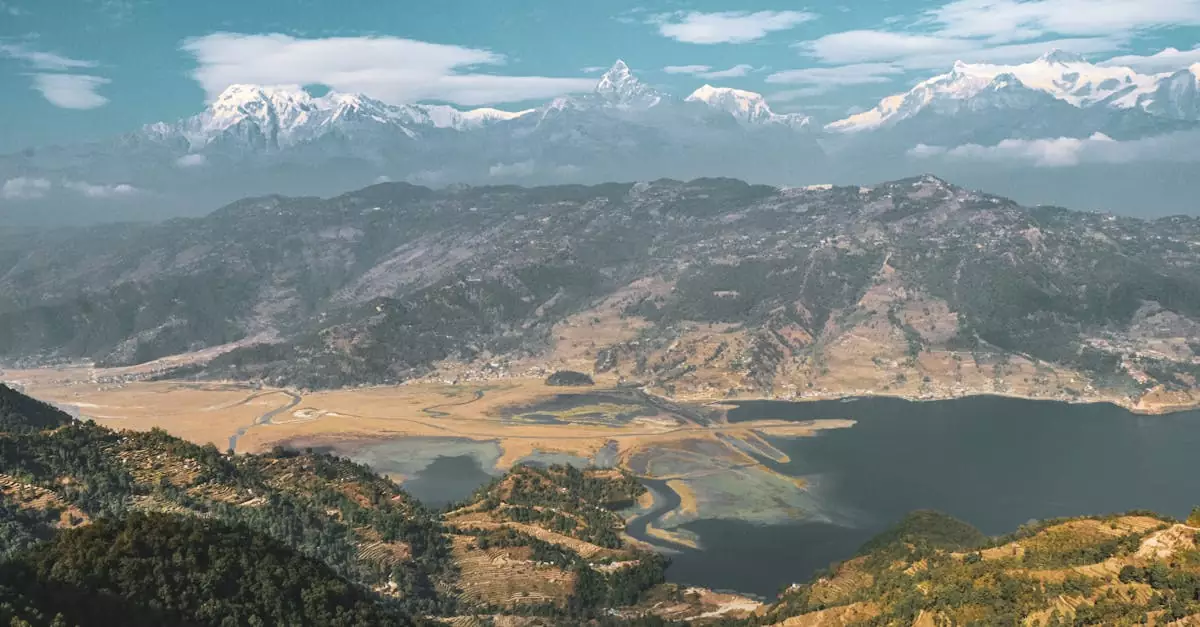
There are definite trade-offs to visiting Pokhara in the rainy season, but the scenery is a major upside. The hills around Phewa Lake turn a saturated green, and rice planting brings busy activity to the fields. With dust gone, the air feels cleaner and many popular spots are much quieter, so Lakeside cafs and shops are easier to enjoy without crowds.
On the flip side, clouds regularly obscure views of Annapurna and Machhapuchhre, which can disappoint anyone hoping for daily mountain panoramas. Rain also brings the risk of flight delays or cancelled services, and roads between Kathmandu and Pokhara can slow or close due to landslides and mud. Trekking trails attract leeches, so you should pack appropriate gear and build flexibility into your schedule.
Still, the financial upside is compelling: your pokhara rainy season travel cost will usually be far lower thanks to off-season discounts. Upscale resorts frequently run promotions that make them accessible to budget travelers, so you can enjoy higher-end comforts without the usual price. Showers often arrive in intense but brief bursts, leaving ample windows for sightseeing and relaxed, slow travel.
Detailed Breakdown of Pokhara Rainy Season Travel Cost
Breaking down the pokhara rainy season travel cost starts with transport. Tourist buses from Kathmandu to Pokhara range from $10 to $25, depending on comfort. During the monsoon these services are still available and sometimes easier to book. Flights one-way typically sit around $100 for foreign visitors, though visibility issues can lead to delays.
Once in town, local travel is inexpensive. Short taxi rides in Lakeside usually run 300500 NPR ($2.25$3.75), and drivers are often open to bargaining in the quiet season. Local buses cost under 50 NPR (about $0.40) per trip, an economical choice for tight budgets. Scooter rentals hover between 800 and 1,200 NPR ($6$9) per day, but remember that wet roads demand cautious riding.
The Nepal Tourism Board posts weather and travel advisories that help avoid last-minute, costly changes to plans. As a rule of thumb, a daily budget of $30$50 should cover decent meals, a comfortable room and local transportnoticeably less than the $70$100 daily average during peak trekking months. Monsoon travel stretches your money while keeping city amenities within reach.
Accommodation and Lodging: Pokhara Off Season Budget
Where you save most is accommodation. Hotels that fill up during the high season often have plenty of rooms in the monsoon, creating a buyers market. Walk-in bargaining can net discounts of 30%50% off listed prices. For example, a mid-range hotel charging $60 in October might drop to roughly $30 in July, a big help for anyone on a pokhara off season budget.
Hostels are especially wallet-friendly for solo travelers, with dorm beds sometimes priced at $5$8 per night. These communal spaces are ideal for waiting out a shower. Budget guesthouses offering private rooms usually run $15$20 and typically include hot water and reliable WiFi. During the monsoon, always inspect rooms for damp smells or mold and ask to see the room before paying.
Check the official Nepal tourism portal for local events that could briefly raise prices during festival dates. Otherwise, longer stays often bring better bargainsweek-long bookings can unlock perks like complimentary breakfast or laundry. That kind of flexibility makes Pokhara attractive for digital nomads seeking an affordable summer base.
Transportation and Getting Around Pokhara
Pokhara is easy to navigate, even in rainy weather. The city divides into the walkable Lakeside and the older parts of town. Most visitors stick to Lakeside where shops and cafs provide ready shelter when showers hit. Taxis cluster at main intersections and hotels, and drivers tend to be more negotiable in the off-season.
Public buses are the cheapest way to reach places like Pame or Mahendra Cave; theyre often crowded and slow but offer an authentic local ride for about $0.30 per trip. Bicycles rent for roughly $3$5 per day and suit the flatter sections, though heavy rain can make cycling risky. Carry a robust raincoat or umbrella whenever you head out.
A practical note: roads can deteriorate quickly during heavy rain, with some side streets flooding temporarily. Allow extra travel time and leave early for flightstraffic and weather can combine to slow journeys considerably. Planning reduces stress and helps keep your pokhara rainy season travel cost predictable by avoiding costly last-minute transport.
Food and Dining Expenses in the Rainy Season
Dining in Pokhara remains affordable during the monsoon. The city offers everything from Nepali Dal Bhat to international dishes like Italian pasta and Korean barbecue. Local eateries serve mains for $3$5, while Lakeside cafs aimed at tourists charge $7$12 for a meal and drink. Seasonal menus and monsoon specials sometimes appear, but overall prices stay steady across the year.
Street food is an excellent money-saver: momos and sel roti often cost only a dollar or two and are safe when cooked to order. In wet months, stick to cooked foods rather than raw salads to avoid stomach upsets. Always use bottled or filtered watermany hotels supply filtered water for free or a small charge, which reduces daily costs.
Pokharas caf scene is lively, and a latte or cappuccino typically runs $2$3. Spending rainy afternoons in a caf with a book or laptop is a low-cost pleasure. Evening happy hours bring discounts on drinks; a domestic beer like Everest or Gorkha costs about $4$5 in bars. Favoring local brands and smaller eateries helps keep your food budget low.
Activities and Sightseeing Costs in Pokhara
Plenty of activities remain accessible despite the rain. The International Mountain Museum is a solid indoor option with a 500 NPR (about $3.75) entry fee for foreigners, offering context on Himalayan climbing history. Davis Falls swells during the monsoon and becomes especially dramatic; entry is modest at roughly 100 NPR ($0.75). Nearby, Gupteshwor Mahadev Cave is another low-cost visit.
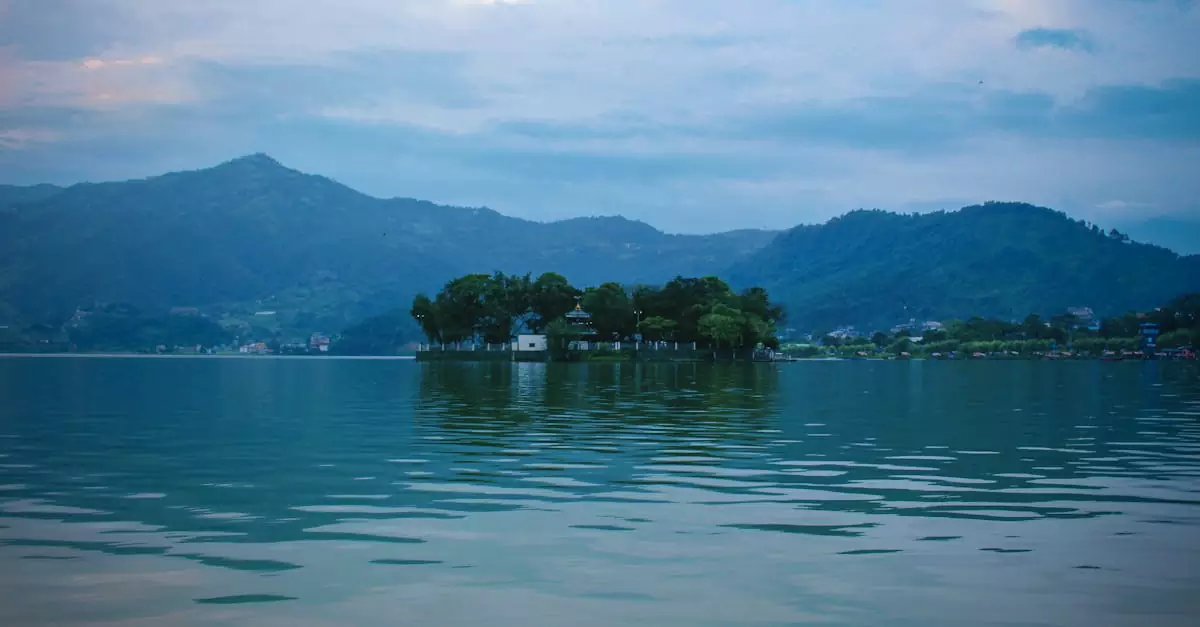
A boat trip on Phewa Lake is a must: hiring a rower typically costs 500600 NPR per hour, and self-rowing is slightly cheaper. Rowers are experienced at managing sudden showers and will get you safely to shore if weather turns. The hike up to World Peace Pagoda can be slippery but rewards you with a lovely lake view even when clouds hang low. Theres no fee to visit the pagoda itself.
Knowing a bit about the history of Tourism in Nepal enhances appreciation for local hospitality during quieter months. Guides and operators tend to be especially helpful in the off-season. Paragliding is most likely to be cancelled for rain; if flying is a must, allow several days in town to increase the chance of a clear slot. Paragliding prices generally range $60$90 and represent a notable portion of any pokhara rainy season travel cost.
Comparison Table: Peak Season vs. Rainy Season Costs
Below is a comparison that highlights how off-season travel affects typical expenses for a mid-range traveler in 2026. Lodging and transport flexibility show the biggest differences, while food and local entry fees stay largely unchanged. The overall daily average drops enough to make a pokhara off season budget attractive for longer stays.
| Expense Category | Peak Season (Oct-Nov) | Rainy Season (June-Aug) | Potential Savings |
|---|---|---|---|
| Mid-range Hotel (per night) | $50 – $80 | $25 – $45 | Approx. 50% |
| Daily Food & Drinks | $20 – $30 | $15 – $25 | Approx. 15% |
| Domestic Flight (KTM-PKR) | $100 – $120 | $90 – $110 | Minimal |
| Activity Packages | Full Price | 10-20% Discount | Variable |
| Total Estimated Daily Budget | $80 – $120 | $45 – $75 | Significant |
As shown, the biggest savings come from accommodation. You can often upgrade to a better hotel for the same cost as a budget option in peak months, and many places toss in extras like airport or bus-park transfers during quieter periods. Those perks add up over a week-long stay and lower your overall pokhara rainy season travel cost.
Practical Tips for Your Monsoon Trip to Pokhara
Preparation matters when traveling in the monsoon. Invest in a dependable waterproof jacket and a cover for your backpack rather than relying on flimsy ponchos. Footwear with solid grip helps on slippery stone paths and muddy trails. If you plan light treks, pack salt or anti-leech sprayleeches are a nuisance during the Nepal monsoon but rarely dangerous.
If rain interrupts your outdoor plans, switch to indoor options: treat yourself to a spa or try a cooking class where you can learn to make momos. Those activities turn soggy afternoons into enjoyable experiences. Protect electronics with dry bags because humidity and splash risks are real; keeping gear dry avoids costly replacements.
Flexibility around travel dates pays off. Avoid booking international connections on the same evening as a domestic flightallow at least a one- or two-day buffer for weather delays. With a relaxed schedule and a little planning youll find Pokharas quieter season rewarding, and locals often become more welcoming when the town is less crowded.
Frequently Asked Questions
How often does it rain in Pokhara during the monsoon?
Rain is frequent during the monsoon, often daily, but it seldom lasts the whole day. Showers typically come in heavy bursts or overnight, leaving morning hours relatively dry for sightseeing.
Is it safe to travel to Pokhara by road in the rainy season?
Road travel is generally safe but slower. Landslides can occasionally block the Prithvi Highway connecting Kathmandu and Pokhara. Check local news or ask your hotel about road conditions before you depart.
Can I still go trekking from Pokhara in July?
Trekking is possible but more demanding: trails become muddy and lower forest routes attract leeches. High-altitude treks like Annapurna Base Camp often offer limited views due to cloud cover.
What clothes should I pack for the rainy season?
Bring lightweight, quick-drying clothes and a sturdy waterproof jacket. Avoid heavy denim since it dries slowly in humidity. Sandals with secure straps are often more comfortable for city walking than heavy boots.
Are shops and restaurants open during the off-season?
Most businesses in Lakeside remain open year-round. Some smaller trekking lodges may close, but the key tourist infrastructure in Pokhara operates throughout the monsoon, so youll have plenty of dining and shopping options.
Conclusion
The pokhara rainy season travel cost is notably lower, making summer an appealing option for travelers watching their wallets. You can enjoy quieter streets, lush scenery and occasional luxury at reduced prices while accepting some rain and limited mountain visibility. With sensible packing, flexible plans and the pokhara off season budget strategies above, a memorable and affordable 2026 trip to Pokhara is entirely achievable. The citys calm charm and green landscapes are rewarding no matter the weather.