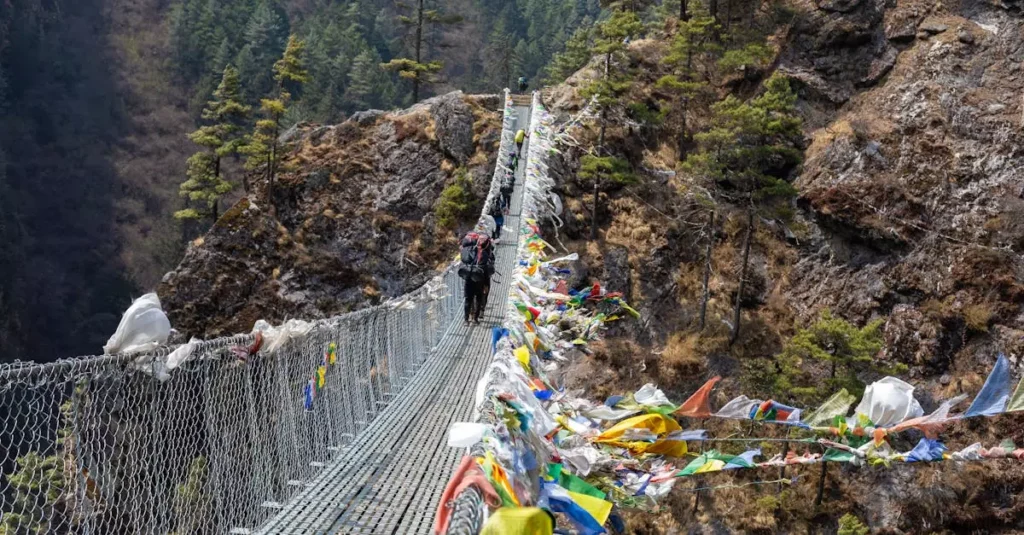
Introduction to Trekking in the Everest Region
The Everest Region draws travelers from everywhere who want to stand near the planets highest summits. Most visitors plan treks in the clear months of spring and autumn, yet a smaller group opts for June through August, the monsoon period. Picking this window reshapes both what youll experience on the trail and how much youll spend. For anyone watching their wallet, understanding the ebc trek rainy season cost is the logical first step. Expect far fewer people on the route, but also tougher conditions to manage.
Taking the trail during the monsoon calls for thorough preparation and a willingness to adapt. Summer weather in the Himalayas is notoriously changeable; heavy showers tend to arrive in the afternoons and at night, turning tracks into mud and inviting leeches in the lower forests. At the same time, the hills turn intensely green, waterfalls swell, and flowers bloom, creating scenery you wont see at other times. If a quieter trek and a reduced everest monsoon trek budget appeal to you, the wet season could be the right choice.
Below youll find a detailed cost breakdown covering permits, meals, flights, and necessary equipment, plus how rainy weather can shift your expenses. Take a quick look at the history of Nepal to understand local culture and terrain before you go. After reading, you should be able to judge whether the ebc trek rainy season cost aligns with your plans for 2026.
Understanding the Everest Base Camp Trek in the Monsoon
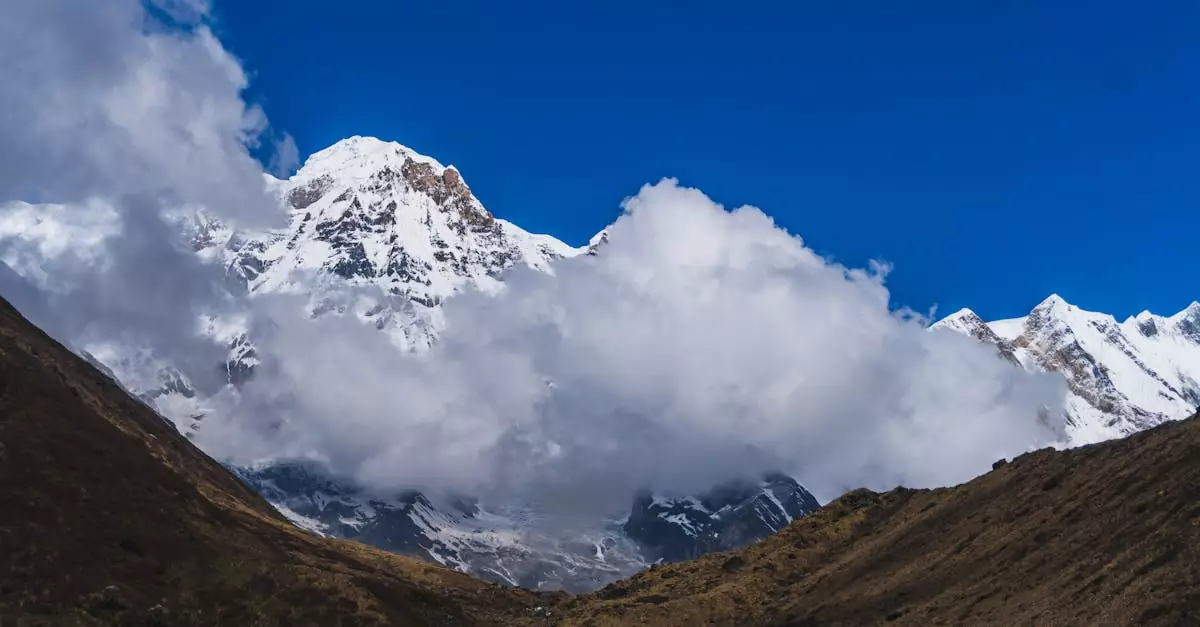
The monsoon typically begins in June and tapers off by early September, bringing persistent cloud cover and regular rainfall. Precipitation concentrates at lower elevations, while higher up it often falls as mist or light snow. Clouds frequently obscure the major peaks, which is why many hikers avoid this season. Still, mornings can clear briefly and reward early risers with stunning, fleeting views of Everest before the valley mists return.
A major upside of trekking now is solitude. Trails that teem with people during peak months can feel deserted in the rainy season, offering a more intimate encounter with the mountains. Tea houses are quieter, too, and hosts often have time to sit, chat, and share local life and stories. That slower pace can make the trip feel more personal and culturally rich.
Prepare for delays to your travel schedule, especially flights from Kathmandu to Lukla that are commonly canceled due to weather. Its wise to add several days of buffer into your plans so you dont miss international connections a frequent factor in the everest monsoon trek budget. Patience and a flexible itinerary are just as essential as reliable gear when the clouds gather and the weather refuses to cooperate.
Detailed Breakdown of EBC Trek Rainy Season Cost
On average, the ebc trek rainy season cost comes in lower than what most people pay in spring. Accommodation is where youll notice the biggest differences: tea houses that charge $5$10 per night at peak times are often open to negotiation in the monsoon, and some might waive the room fee if you take all meals there. Food prices, however, stay relatively fixed because supplies still have to be carried uphill by porters or animals. Budget roughly $30$40 per day for three meals plus hot drinks.
Permit fees are constant no matter when you travel. Youll need the Khumbu Pasang Lhamu Rural Municipality permit (about 2000 NPR, roughly $15) and the Sagarmatha National Park entry permit (3000 NPR, about $23). For current rules and updates, consult the Nepal Tourism Board. These charges help with trail upkeep and conservation. During wet weather, keep permits in a waterproof pouch so they dont get ruined.
Transport accounts for a large share of your budget. Return flights between Kathmandu and Lukla typically run $360$400 for foreigners but are frequently canceled during monsoon months. If timing is critical, a helicopter can be arranged at $400$600 one way, which quickly drives up the ebc trek rainy season cost. Hiring a guide is strongly advised for safety and navigation; expect to pay $25$35 per day for an experienced guide who can read trail conditions in fog and rain.
Comparison of Costs: Peak Season vs. Rainy Season
Looking at the numbers side by side makes the savings clear. In peak months everything operates at full capacity: flights are in demand, tea houses fill up, and prices are firm. During the rainy season, vendors are more willing to haggle and trekking shops in Kathmandu often reduce prices, which helps lower your everest monsoon trek budget. Small savings on clothing and accessories can add up over a two-week trip.
The table below provides estimated costs for a 14-day solo trek; group travel can drop per-person expenses by splitting guide and porter fees. Mountain prices can fluctuate, so bring extra Nepali Rupees since many lodges above Lukla wont accept cards or foreign currency. Having cash on hand is essential to managing your ebc trek rainy season cost effectively.
| Expense Item | Peak Season (USD) | Rainy Season (USD) |
|---|---|---|
| Lukla Flight (Return) | $380 | $380 |
| Permits Total | $40 | $40 |
| Accommodation (14 days) | $100 – $140 | $0 – $50 |
| Food & Water (Daily) | $35 – $45 | $30 – $40 |
| Guide (Daily) | $30 – $40 | $25 – $30 |
| Porter (Daily) | $25 – $30 | $20 – $25 |
| Total Estimate | $1,500 – $1,800 | $1,200 – $1,400 |
As the figures show, the rainy season can trim several hundred dollars from your total. Most of that difference comes from lodging and service prices. Use resources like the official Nepal tourism site to plan daily stops and map routes. Because wet ground slows progress, consider shorter walking days; saving on rooms lets you allocate more funds to higher-quality food, which helps maintain strength and stamina at altitude.
Essential Gear and Packing for the Monsoon
Your kit will directly affect the ebc trek rainy season cost and the success of your trek. Standard summer hiking clothes wont cut it in sustained rain. Cheap rainwear often fails quickly; investing in quality waterproof garments such as Gore-Tex jackets and pants pays off because they keep you dry while allowing perspiration to escape. Good, waterproof boots with reliable traction are crucial muddy, slick trails make slips common and dangerous.
A waterproof cover for your pack and additional dry bags for clothing provide extra protection against dampness. Damp garments are heavy and slow to dry in humid conditions, and most tea houses lack heaters; a soaked sleeping bag can make nights miserable. Buying durable gear in Kathmandus Thamel district can be more economical than replacing items higher on the trail.
Dont overlook anti-leech measures for lower-elevation forest stretches. Leeches cling to boots and skin; leech socks, salt, and insect repellent all help reduce encounters. While leeches rarely pose a serious health risk, they are irritating and can cause minor infections if ignored. Budget a few extra dollars for these deterrents as part of your everest monsoon trek budget to keep hikes more comfortable.
Logistics and Transportation in the Everest Region
Reaching the Everest Region during the monsoon often proves the trickiest part of the journey. Most travelers fly from Kathmandu to Lukla, an airstrip perched on a cliff at 2,860 meters that requires clear conditions for safe landings. Rain and low clouds commonly close the runway, leaving passengers stranded for days a factor many forget to account for when calculating the ebc trek rainy season cost.
If flights are grounded, alternatives include costly helicopter transfers or overland travel to entry points like Jiri or Phaplu followed by several days of walking. The jeep route adds time and extra lodging and food expenses, but it offers a greener, historic approach favored by early mountaineers. For broader context on transport and the visitor economy, see more on tourism in Nepal.
Once on the trail, travel logistics simplify: there are no roads, so everything moves on foot or by pack animals. Yaks and mules transport supplies, though there are fewer animals on the paths during the monsoon. Mud can narrow passages, so step aside to let animals pass when necessary and follow your guides daily advice on route conditions safety is paramount in mountain logistics.
Pros and Cons of Trekking During the Rainy Season
There are clear advantages and disadvantages to attempting an Everest Base Camp trek in the monsoon, and both should factor into your decision. On the plus side, the ebc trek rainy season cost is generally lower than in busier months. Trails are peaceful, photos are easier without crowds, and the hills look dramatically greener as waterfalls surge.
On the downside, rain is a near-daily reality and clouds often hide major peaks, which can frustrate travelers focused on summit views. Leeches in forested sections and increased landslide risk during heavy downpours add practical hazards. Some paths may become impassable or dangerous, so mental toughness and careful judgment are required this isnt a casual walk in nice weather.
- Pro: Lower costs for accommodation and gear.
- Pro: Quiet trails and peaceful tea houses.
- Pro: Lush green landscapes and beautiful flowers.
- Con: Frequent flight delays and cancellations.
- Con: Leeches and slippery, muddy trails.
- Con: Limited views of the mountain peaks due to clouds.
Practical Tips for a Successful Everest Monsoon Trek Budget
Flexibility is a top money-saver. Dont book your international return too tightly after the trek allow at least three buffer days in Kathmandu to avoid costly flight changes if Lukla is closed. Purchasing a local SIM card from Ncell or Nepal Telecom helps you follow weather updates and coordinate with airlines and guides.
Eating local meals like dal bhat will stretch your budget farther than Western options; dal bhat is nutritious, filling, and often comes with free refills. Carry water purification tablets or a filter bottle rather than buying bottled water, which is both costly and wasteful. Treating your own water minimizes plastic waste and reduces daily expenses.
Never skip travel insurance that explicitly covers high-altitude rescue, even when trimming the ebc trek rainy season cost. Helicopter evacuations can exceed $5,000; look for a policy that covers trekking up to at least 5,500 meters. Proper coverage protects you financially and allows you to enjoy the trek with less worry.
Frequently Asked Questions (FAQs)
Is it safe to trek to EBC during the monsoon?
Yes, many people trek during the monsoon, but safety depends on having a qualified guide and suitable gear. The principal hazards are slippery trails and occasional landslides. Stay on main paths and heed local weather and trail-condition advice.
How much should I tip my guide in the rainy season?
Tipping is customary in Nepal. Aim for roughly 10%15% of the guides total fee; since conditions are tougher in the rain, a generous tip is appreciated for their extra effort.
Can I see Mount Everest in July?
Visibility in July is possible but not guaranteed. Clouds tend to build by mid-morning, so the best opportunity is early dawn when mist hasnt yet filled the valleys.
Are the tea houses open during the rainy season?
Most tea houses remain open year-round, though some smaller lodges may close if there are no guests. Major stops such as Namche Bazaar and Dingboche typically have accommodation available even in the monsoon.
What is the biggest hidden cost of a monsoon trek?
The largest surprise expense is often a helicopter transfer if Lukla flights are suspended for multiple days. Keep at least $500 in reserve to cover emergency options like this.
Conclusion
Trekking to Everest Base Camp in the monsoon offers a distinct mix of bargain opportunities and added difficulties. With careful planning around the ebc trek rainy season cost, smart gear choices, and a flexible schedule, the trip can be richly rewarding: verdant valleys, powerful waterfalls, and near-solitude on the trail. Rain and leeches are part of the package, but many trekkers find the quieter experience worth the trade-offs.
Packing effective waterproofs, allowing extra travel days, and carrying proper insurance are practical steps that protect both your safety and your finances. Prepared travelers can get more value from their everest monsoon trek budget and return with memorable stories. Nepals landscapes and people leave a lasting impression no matter when you visit if the monsoon fits your style, start planning your 2026 mountain journey now.