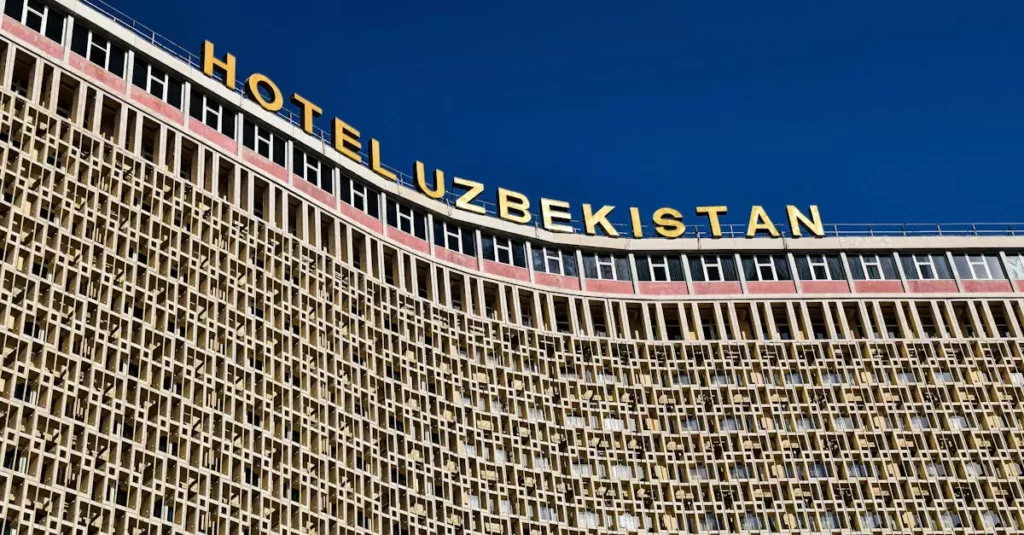
Tashkent solo travel cost per day matters if you want a clean, realistic budget. I learned that fast in Uzbekistan’s capital.
My first mistake was undercounting taxi hops. The city is spread out, and heat changes your plans.
This breakdown gives a practical Tashkent solo budget. It covers food, transport, stays, and daily timing.
What Drives Tashkent Solo Travel Cost Per Day
The biggest cost drivers are simple. Hotels, taxis, and your food style shape the total.
Tashkent is cheaper than many Asian capitals. But it is not “ultra-budget” if you move often.
Solo travelers usually spend more on transport than they expect. Distances between sights can be 20 to 40 minutes.
Metro rides are cheap. Taxis are still affordable, but surge pricing can bite at busy hours.
Season matters too. Summer heat pushes more people into cabs. Winter can raise comfort costs.
For 2026, keep an eye on regional travel changes. ETIAS affects Europe trips, not Uzbekistan. Still, many travelers route through Europe first, so timing matters.
Official tourism information for Uzbekistan
Tashkent Solo Budget Breakdown by Travel Style
Here is the simplest way to plan your Tashkent solo budget. Use your travel style, then add a small buffer.
| Travel Style | Daily Cost | What It Usually Covers |
|---|---|---|
| Backpacker | $25–$40 | Dorm or basic guesthouse, metro, local meals, one paid attraction |
| Mid-range solo | $45–$85 | Private room, taxi mix, cafe meals, museum entries |
| Comfort-focused | $90–$160 | Better hotel, more taxis, nicer restaurants, flexible sightseeing |
Budget travelers can keep costs low with metro and canteen-style meals. Mid-range travelers get the best value.
Comfort travelers pay more for convenience. In Tashkent, convenience often means less time in traffic.
Reality Check: A “cheap day” can turn expensive fast. One airport transfer and two taxis can double transport spending.
Where Your Money Goes in a Normal Day
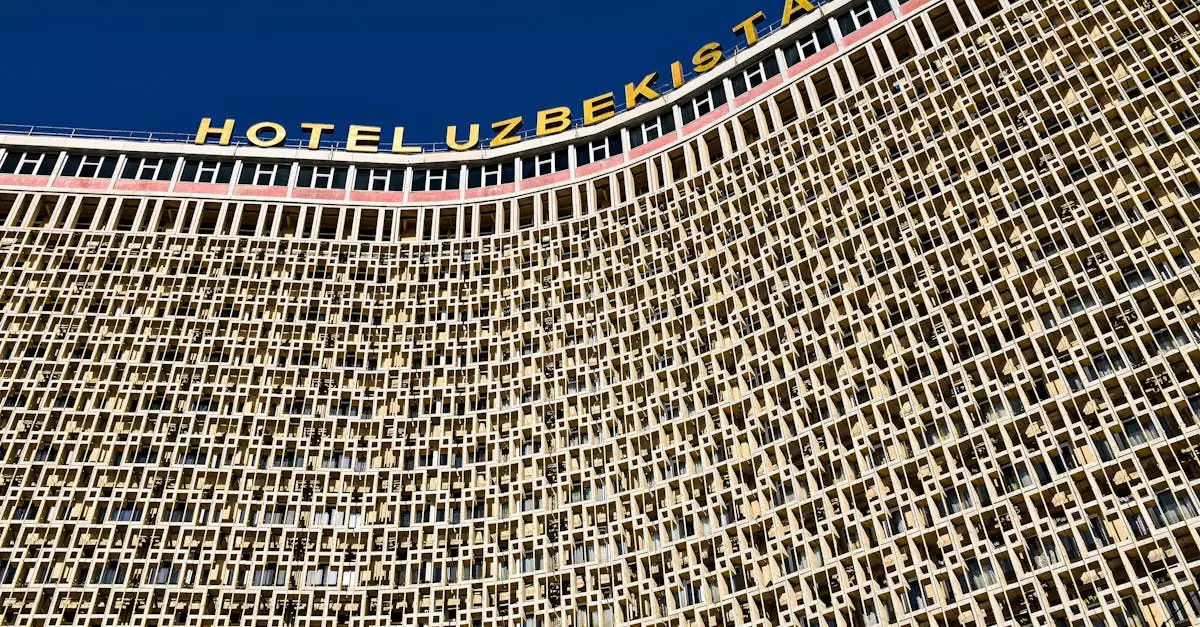
Most solo travelers spend across five buckets. Accommodation, transport, food, attractions, and extras.
A hostel bed may start around $10 to $18. A simple private room often lands near $25 to $50.
Meals can stay low. Breakfast and lunch at local spots may total $6 to $12.
Dinner at a nicer restaurant can push that to $15 or more. Coffee shops cost extra.
Metro rides are very cheap. Taxis between central districts often cost only a few dollars.
But airport rides are different. The airport sits about 6 to 8 kilometers from many central hotels.
That trip can take 20 to 40 minutes, depending on traffic. Evening traffic usually moves slower.
Transport Costs and Timing in Tashkent
Transport is where solo travelers misjudge budgets. The metro is the smartest low-cost option.
Stations are clean and easy to use. Crowds peak during commute hours and after work.
Morning rush usually runs from 8:00 to 9:30. Evening rush often hits 5:30 to 7:30.
Taxi apps are useful, but prices rise during rain and peak demand. Book early when possible.
For short hops, walking can work in the center. Still, summer heat makes midday walks tiring.
Winter brings a different issue. Sidewalks can be icy, and you may choose taxis more often.
“Use the metro for cross-city moves, then taxi only for the last mile.”
“Check taxi prices at 7:30 a.m. and 6:00 p.m. before planning your route.”
“Keep one offline map and one ride app ready. Signal drops happen in busy stations.”
Food Prices and Real Solo Meal Planning
Food in Tashkent can be very reasonable. The trick is knowing where locals actually eat.
Plov is the obvious choice. So are samsa, lagman, and shashlik.
Local lunch spots often fill quickly. The rush usually peaks from 12:30 to 2:00.
That is when turnover is fast. Fresh food arrives, but seating gets tighter.
A simple breakfast may cost $2 to $5. Lunch can run $4 to $8.
Dinner ranges wider. Expect $6 to $20, depending on the venue.
Water and snacks add up in summer. Heat makes you buy more drinks than planned.
“Order lunch before 1:00 p.m. for better choice and shorter waits.”
“Ask for the daily set meal. It often costs less than à la carte plates.”
“Carry small cash for bakeries and canteens. Card terminals are not always reliable.”
Best Areas to Stay for a Solo Budget
Location changes your daily spend more than many travelers expect. Central stays reduce taxi costs.
Areas near metro lines are easiest for solo travelers. They also feel simpler after dark.
Stay near a station if you want flexibility. That matters when you return late from dinner.
In Tashkent, a slightly pricier room can save money overall. Less transport means fewer surprise costs.
That tradeoff is especially useful for short trips. Three nights in a central area often beats a cheaper outer stay.
For 2026, rail travel is improving across parts of Central Asia. If you plan onward train routes, book early.
UNESCO sites and cultural context in Uzbekistan
Seasonal Costs, Crowd Behavior, and Safety
Spring and autumn are the easiest seasons. Temperatures are mild, and walking feels manageable.
Summer is hotter. That changes your budget because you will use more taxis and buy more drinks.
Winter is cheaper for some stays, but not always easier. Cold weather reduces long walking days.
Crowds are calm outside rush hours. Tourist spots are rarely overwhelming, but local markets can get packed.
At bazaars, people move fast and stop often. Keep your bag close and your phone secure.
In the evening, central areas feel active. Still, quieter side streets deserve normal caution.
Solo travelers should avoid overloading the day. Two major sights are often enough.
Background on Uzbekistan’s history and geography
Pros and Cons of a Solo Trip to Tashkent
- Pros: Low food costs make daily spending manageable.
- Pros: Metro fares are cheap and the system is straightforward.
- Pros: Central districts are easy to navigate alone.
- Pros: Many meals feel filling without being expensive.
- Cons: Taxis can quietly raise your total budget.
- Cons: Distances are larger than they first appear.
- Cons: Summer heat can force extra spending on transport.
- Cons: Some attractions need careful timing to avoid crowds.
Practical Sample Day Budget for One Traveler
Here is a realistic sample day for one solo traveler in Tashkent.
Hostel or budget room: $15 to $35.
Breakfast: $3 to $5.
Metro and one taxi: $2 to $6.
Lunch: $5 to $8.
Museum or attraction: $2 to $10.
Dinner: $8 to $15.
Snacks and water: $2 to $4.
Total: about $37 to $83.
If you stay central and use the metro more, you can go lower. If you add comfort, the total rises quickly.
Important Tip: Book accommodation near a metro stop, not just near the city center.
Important Tip: Save one full day for low-transport sightseeing only.
That approach keeps the Tashkent solo travel cost per day predictable.
FAQ
How much does Tashkent solo travel cost per day for budget travelers?
Most budget travelers spend about $25 to $40 daily, depending on transport and room type.
How can I keep a Tashkent solo budget under control?
Use the metro, stay near a station, and choose local lunch spots.
When is the cheapest time to visit Tashkent?
Late autumn and winter often bring better room rates, though comfort may drop.
Why does transport affect the budget so much in Tashkent?
The city is spread out, and taxi use adds up faster than expected.
How many days should a solo traveler spend in Tashkent?
Two to four days works well for most first-time visitors.
Conclusion
Tashkent is a solid solo destination if you budget smartly. The city rewards planning, not guesswork.
Keep transport realistic, choose a central stay, and watch meal timing. That keeps your daily spend steady.
If you are planning Central Asia next, start with this cost framework. Then adjust for your own pace.
General reference on Uzbekistan
