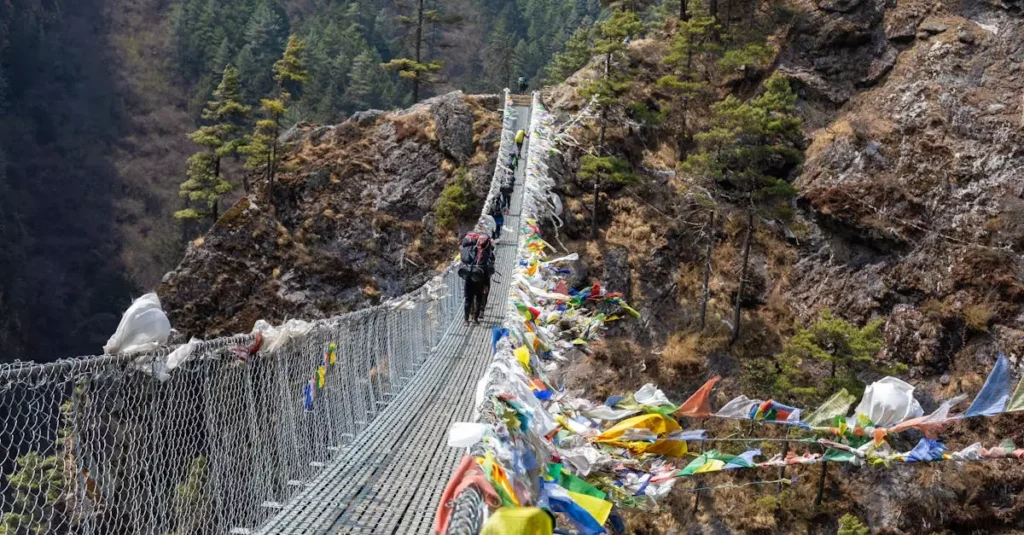
When preparing for a journey to the Everest Region, one of the initial tasks is to determine your ebc trek daily budget breakdown. While the Everest Base Camp trek is renowned, it also ranks among the pricier treks in Nepal. As you ascend, costs escalate since all supplies must be transported by porters, yaks, or helicopters. Daily expenses for food, lodging, and hot beverages tend to increase as you go higher.
This resource provides an honest and straightforward everest daily cost breakdown for 2026. It includes details on transportation, permits, accommodations, meals, Wi-Fi, charging, hot showers, and typical extras. You’ll also discover how factors like distance, altitude, and the season can impact your daily expenses. The aim is to assist you in crafting a realistic budget before your departure to Nepal.
Many adventurers misjudge the trek by focusing solely on the permit fee or the flight to Lukla. In truth, daily expenses play a more significant role. A budget-friendly day in lower villages can quickly become expensive in places like Namche, Dingboche, or Gorak Shep. By understanding the costs in advance, you can reduce stress and fully appreciate the journey.
EBC Trek Daily Budget Breakdown: What You Pay Each Day
The ebc trek daily budget breakdown varies based on altitude, season, and personal travel style. Budget trekkers may find lower costs in the initial sections, while those seeking comfort might spend considerably more for upgraded accommodations and additional services. In 2026, a reasonable daily budget in the Everest Region typically ranges from USD 35 to USD 90 per person, excluding international flights to Nepal.
Here’s a straightforward overview of common daily costs along the Everest Base Camp route. Tea houses generally increase their prices as you ascend. Meals also become pricier since food must be either flown in or transported from lower villages. The same bowl of noodles that is inexpensive in Lukla can be much more costly in Lobuche.
| Item | Lower Trek Areas | Higher Trek Areas |
|---|---|---|
| Basic room | USD 510 | USD 1025 |
| Meals per day | USD 1525 | USD 2540 |
| Hot drinks | USD 24 each | USD 36 each |
| Charging/Wi-Fi | USD 25 | USD 38 |
| Hot shower | USD 35 | USD 58 |
Most trekkers allocate a larger portion of their budget to food rather than accommodation. This is typical, as many tea houses offer lower room rates if you dine there. To keep your expenses manageable, pay attention to your meal selections, beverages, and additional costs. These seemingly minor expenses can accumulate quickly over the course of 12 to 14 trekking days.
For broader travel insights about the country, consider reviewing Nepal before your trip. The Everest Region is situated within a country that boasts a robust trekking economy, and prices reflect this demand.
Daily Cost Breakdown by Trek Stage
A practical way to grasp the ebc trek daily budget breakdown is to divide it by different sections of the trail. The journey from Lukla to Everest Base Camp does not adhere to a uniform pricing structure. Each segment comes with its own costs and varying levels of foot traffic. Lower villages tend to be easier on the wallet, while higher ones are pricier due to challenging transportation and elevated demand.
Below is a useful guide to daily expenditures by area. These figures are based on standard tea house rates and common trekking behaviors. They do not account for guide or porter fees, which can be added if you choose to hire assistance. While a guided trek can enhance safety and logistics, it will also increase your total costs.
- Lukla to Phakding: USD 3045 per day
- Namche Bazaar: USD 4060 per day
- Tengboche to Dingboche: USD 4570 per day
- Lobuche to Gorak Shep: USD 5590 per day
Namche Bazaar often feels bustling, serving as the primary rest stop. During peak season, rooms can fill up quickly, and prices might increase when the trail sees heavy traffic. Dingboche offers a more tranquil atmosphere, but expenses remain high. For many trekkers, Gorak Shep is the priciest stop due to limited supplies and high demand.
Important Tip: Ensure you have sufficient cash when departing from Kathmandu or Lukla. Reliable ATMs are absent once you venture deeper into the trail, and card payments are infrequent in the upper Everest Region.
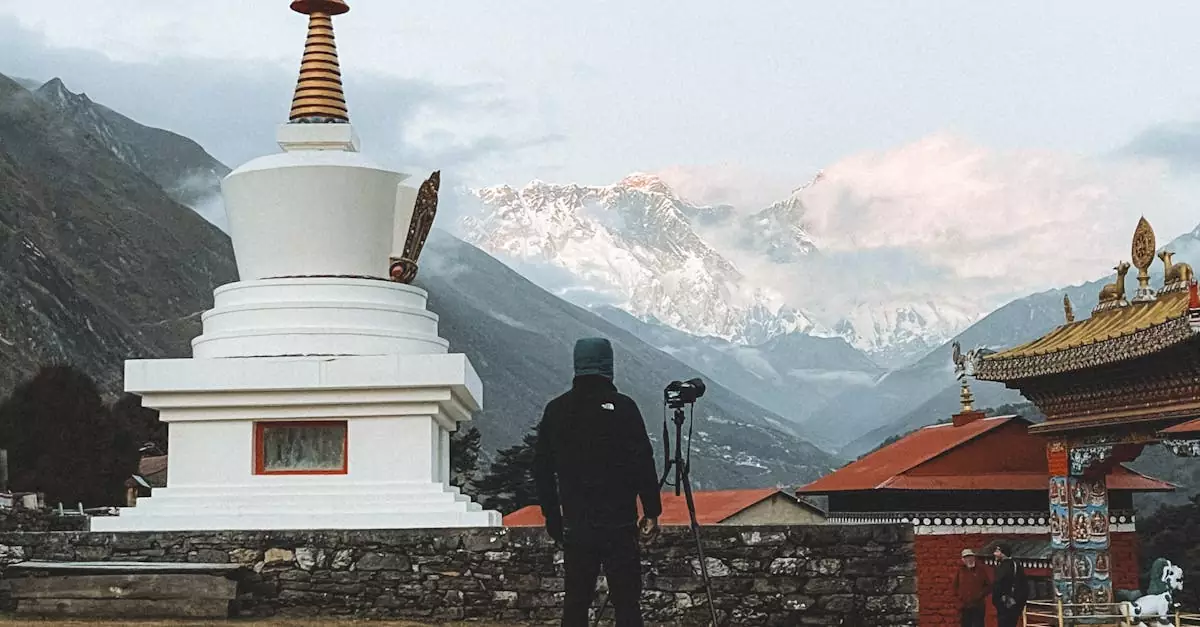
For official tourism updates and travel information about Nepal, refer to the Nepal Tourism Board. It can provide insights on regulations, safety tips, and destination planning.
Transport Costs to the Everest Region
Transportation represents a significant portion of the everest daily cost breakdown, even prior to commencing the trek. Most travelers opt for a flight from Kathmandu to Lukla, which is time-efficient but comes at a high price. Some individuals consider taking a jeep route to Jiri or Salleri to lessen flight costs, but this option adds several days of walking and deviates from the standard EBC path.
A one-way flight from Kathmandu to Lukla generally costs around USD 180240 in 2026, although prices can fluctuate based on the season and demand. Weather-related delays may necessitate additional nights in Kathmandu or Lukla, prompting many trekkers to include a buffer in their budget. Flights in the Everest Region are often subject to disruptions from fog, wind, and limited visibility.
For a quicker and pricier alternative, you can also take a helicopter from Kathmandu. This option is beneficial for emergencies or luxury travel, but it is far beyond the typical trekking budget. For the majority of trekkers, the standard flight remains the primary transportation expense.
- Kathmandu to Lukla flight: approximately USD 180240 one way
- Return Lukla to Kathmandu flight: around USD 180240 one way
- Jeep route to trailheads: lower cost, but adds days
- Helicopter transfer: high cost, typically for special situations
Reality Check: Budgeting plans can easily be derailed by weather delays. Even a single extra night in a tea house, along with meals and drinks, can significantly alter your total expenses. Always maintain a reserve fund.
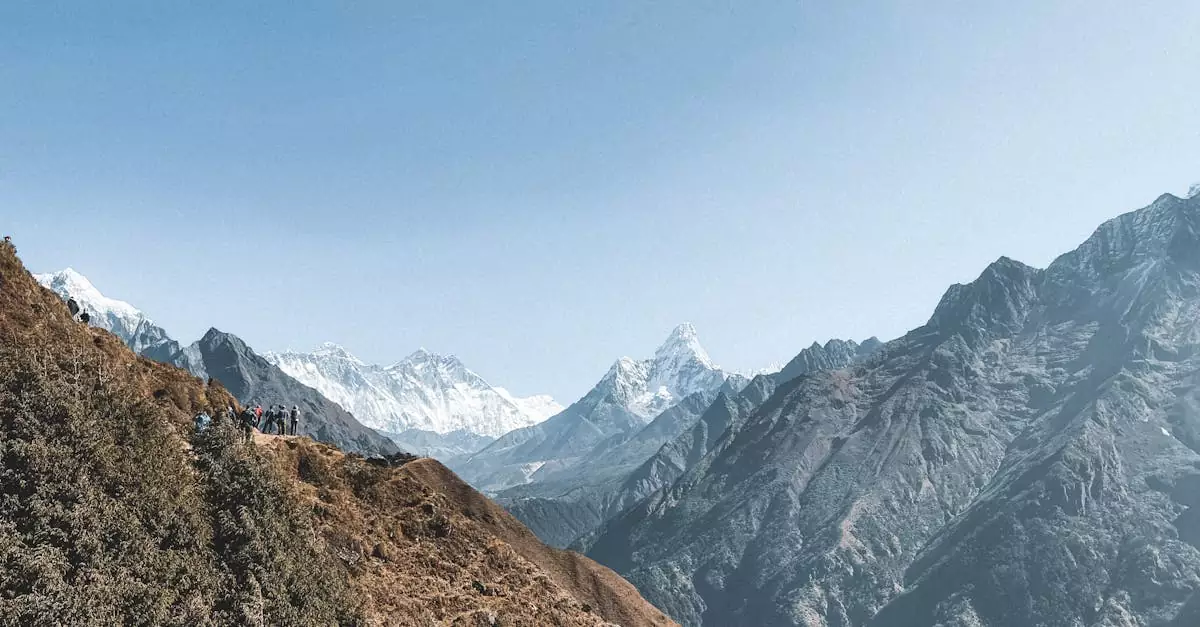
For local tourism guidance and destination assistance, you can also visit Nepal Tourism. It offers valuable resources for comprehensive trip planning in Nepal and the Everest Region.
Food, Lodging, and Extras on the Trail
Food plays a central role in the ebc trek daily budget breakdown. Most trekkers consume three meals daily, and prices rise with elevation. Dal bhat provides excellent value as many tea houses offer refills. Western dishes like pasta, pizza, or burgers usually come at a higher price and may not justify the cost. Additionally, tea, coffee, and bottled drinks tend to be pricier at higher altitudes.
Accommodations are often basic. Many tea houses provide simple rooms equipped with twin beds, blankets, and shared bathrooms. In lower villages, some rooms may be inexpensive or even complimentary if you dine at the same lodge. However, in higher villages, room rates can increase due to strong demand and limited availability.
- Breakfast: USD 48
- Lunch: USD 510
- Dinner: USD 615
- Room: USD 525
- Hot shower: USD 38
- Wi-Fi: USD 28
- Device charging: USD 25
Prices at tea houses can fluctuate rapidly during peak season. The spring and autumn months attract more trekkers, often resulting in rooms being booked out sooner. The behavior of crowds also plays a role; during busy periods, dining areas may become crowded at mealtimes, and popular lodges can feel noisy. Conversely, quieter months may offer better room selection, but the risk of inclement weather increases.
Important Tip: Whenever possible, opt for local meals. Dal bhat offers substantial value, ample calories, and is easy to digest. This consideration is more beneficial than saving a few dollars on snacks.
To gain insight into how tourism influences pricing and services across the nation, you can read more about tourism in Nepal. The demand for trekking has a direct impact on daily expenses in the Everest Region.
Seasonal Considerations, Crowds, and Timing
The season significantly affects the ebc trek daily budget breakdown in ways many might not anticipate. Spring and autumn are peak trekking seasons, offering better visibility, stable weather, and full tea houses. Due to high demand, prices may be firmer, and securing rooms in popular locations like Namche Bazaar and Dingboche can be challenging.
Winter can reduce crowd levels, but it also brings colder nights, icy trails, and additional comfort costs. You might find yourself spending more on warm beverages, extra blankets, and longer rest breaks. Summer and monsoon months usually see fewer trekkers, but rain, clouds, and flight delays can lead to increased overall expenses. In the Everest Region, weather can shift rapidly, making a low-season budget not always cheaper in practice.
Timing also influences walking durations. Most trekkers walk between 4 to 7 hours daily, with shorter days at higher elevations. Distances can range from roughly 6 km to 15 km per day depending on the segment and acclimatization strategy. If you require an additional acclimatization day, your food and lodging costs will rise, but that extra day is often worthwhile for safety.
- Spring: busy, clear views, heightened demand
- Autumn: busy, stable weather, significant trail traffic
- Winter: cold, fewer crowds, increased comfort needs
- Monsoon: fewer crowds, greater weather risks
While crowd behavior is generally courteous, busy lodges can feel cramped during dinner and in shared bathroom facilities. If you prefer a quieter meal and a better chance of securing a room, start your day early.
Pros and Cons of Budgeting the Trek Carefully
Maintaining a careful budget can keep your finances in check, but it comes with its own set of trade-offs. The ebc trek daily budget breakdown is most effective when you strike a balance between saving and ensuring comfort and safety. Being overly frugal can lead to subpar food choices, uncomfortable accommodations, and unnecessary stress. Conversely, spending excessively without a plan can deplete your funds before the trek concludes.
Pros
- You can avoid unexpected expenses in higher villages.
- Youre prepared for weather-related delays and additional nights.
- You make informed choices regarding food and extras.
- You minimize stress when prices rise at higher altitudes.
Cons
- A very tight budget may compromise comfort.
- Cheaper options could result in colder rooms or simpler meals.
- Weather delays can still disrupt your plans.
- Peak season crowds can inflate prices beyond expectations.
For most trekkers, adopting a moderate budget is the most prudent approach. This allows for quality meals, a few extras, and the ability to handle one or two unforeseen expenses. This strategy is safer than attempting to survive on the bare minimum. Flexibility is crucial in the Everest Region.
Important Tip: Maintain a separate emergency fund. Avoid mingling your daily spending cash with your backup funds. This precaution is beneficial in case of flight delays or the need for an extra night on the trail.
Practical Budget Tips for the Everest Region
Effective planning simplifies the ebc trek daily budget breakdown. Begin with a comprehensive estimate for your route, then add a buffer of at least 15 to 20 percent. This extra cushion should accommodate delays, additional snacks, and higher-than-anticipated lodge rates. Its preferable to return with surplus cash than to find yourself short near Gorak Shep.
Follow these straightforward tips to keep your expenses manageable. They are practical, realistic, and easy to implement, aligning with the realities of trekking in Nepal, where prices increase with altitude and transportation options are limited.
- Frequently enjoy dal bhat for optimal value.
- Carry a refillable water bottle and a purification system.
- Limit hot drinks if you are mindful of your budget.
- Share accommodations whenever possible, if permitted by the lodge.
- Book flights early during busy seasons.
- Bring sufficient cash in small denominations.
- Maintain a steady pace to minimize the risk of altitude issues.
Avoid structuring every day around the absolute lowest possible cost. A practical budget is more advantageous than a perfect one. If you focus too much on saving, you might find yourself feeling fatigued, cold, or frustrated, which can detract from the overall experience.
Reality Check: The Everest Base Camp trek is not an inexpensive venture once you factor in flights, permits, food, and high-altitude accommodations. Nonetheless, it can be a rewarding experience if approached with a realistic budget.
FAQs About EBC Trek Costs
1. How much does the EBC trek cost per day?
On average, trekkers spend between USD 35 and USD 90 daily in the Everest Region. The lower range accommodates basic travel, while the upper range allows for more comfort, additional beverages, and higher-altitude stops.
2. Is Namche Bazaar expensive?
Indeed, Namche Bazaar tends to be pricier than lower villages. As a major hub, room rates, meals, and extras can be significantly higher, especially during peak season.
3. What is the biggest daily expense on the trek?
Food typically represents the largest daily expense. While transportation to and from Lukla constitutes the most significant total trip cost for many, food often drives daily expenditures.
4. Do I need cash on the trail?
Absolutely. Cash is crucial. Card usage is limited, and ATMs become unreliable once you leave the main towns. Ensure you have enough Nepalese rupees for the entire trek, plus a buffer.
5. Can I do the trek on a very small budget?
While it’s possible to cut costs, an extremely tight budget poses risks. Weather delays, extra meals, and altitude-related rest days can quickly escalate expenses. A moderate budget is a safer and more realistic choice.