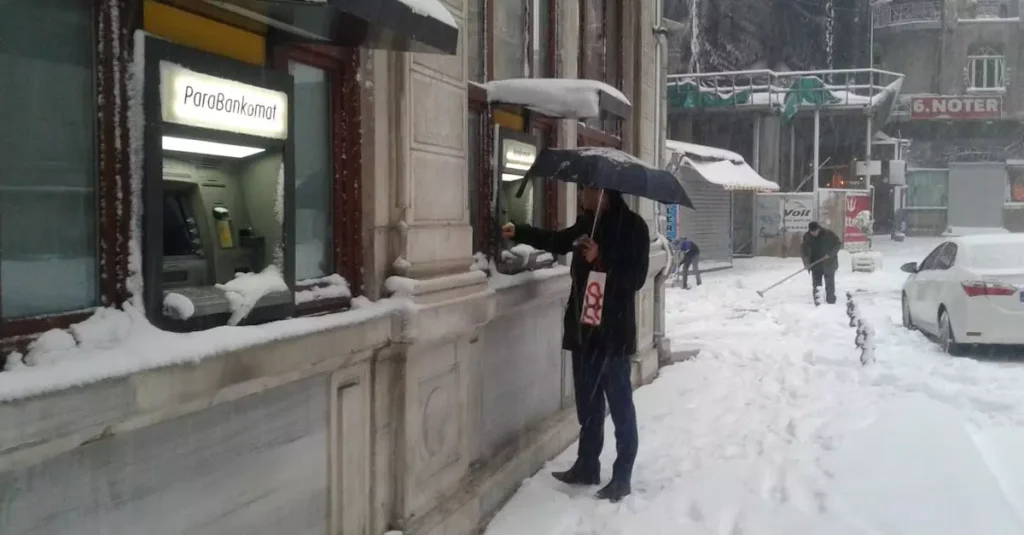
If you are researching turkey atm withdrawal fees, Istanbul can surprise you fast.
The city is easy to navigate, but cash access is not always cheap.
I learned that the hard way near Taksim. One ATM showed a huge fee before I could cancel.
Turkey ATM withdrawal fees in Istanbul: what travelers actually pay
Most Istanbul ATMs charge a local fee on top of your bank’s foreign transaction cost.
That means one withdrawal can trigger two separate charges.
In 2026, many machines still ask for dynamic currency conversion.
That option usually looks helpful. It is often worse.
Typical local ATM fees in central Istanbul range from 150 to 400 TRY per withdrawal.
Some airport machines can be even higher.
Your home bank may also add a flat international cash fee.
So one small withdrawal can become expensive quickly.
“Always choose to be charged in Turkish lira, not your home currency.”
Where ATM charges are highest in Istanbul
ATM pricing changes by location. Tourist-heavy areas usually cost more.
Expect higher turkey atm charges around Sultanahmet, Taksim, Istiklal, and airport terminals.
Smaller neighborhood branches often have lower fees.
Bank-branded machines near residential streets can be better.
Still, always check the screen before confirming.
Some operators add a fee even before the exchange rate appears.
That is common at convenience-store ATMs and independent kiosks.
In my case, a machine near a ferry stop showed a fee after I inserted the card. That was annoying, but common.

“Use bank-branded ATMs on side streets, not the first machine you see near a landmark.”
How to compare ATM costs, exchange rates, and cash needs
ATM fees are only part of the story.
The exchange rate matters just as much.
A cheaper fee can still lose if the rate is poor.
For short stays in Istanbul, carry enough cash for taxis, small cafés, and tips.
Card payments are common in malls, hotels, and large restaurants.
But street vendors and some ferries still prefer cash.
Budget travelers should plan fewer, larger withdrawals.
That reduces repeated fees.
Most visitors do fine with one or two cash pulls per week.
Airport to Sultanahmet is about 45 minutes by taxi in light traffic.
By metro and tram, it can take 60 to 75 minutes.
That matters because airport ATMs are often the most expensive.
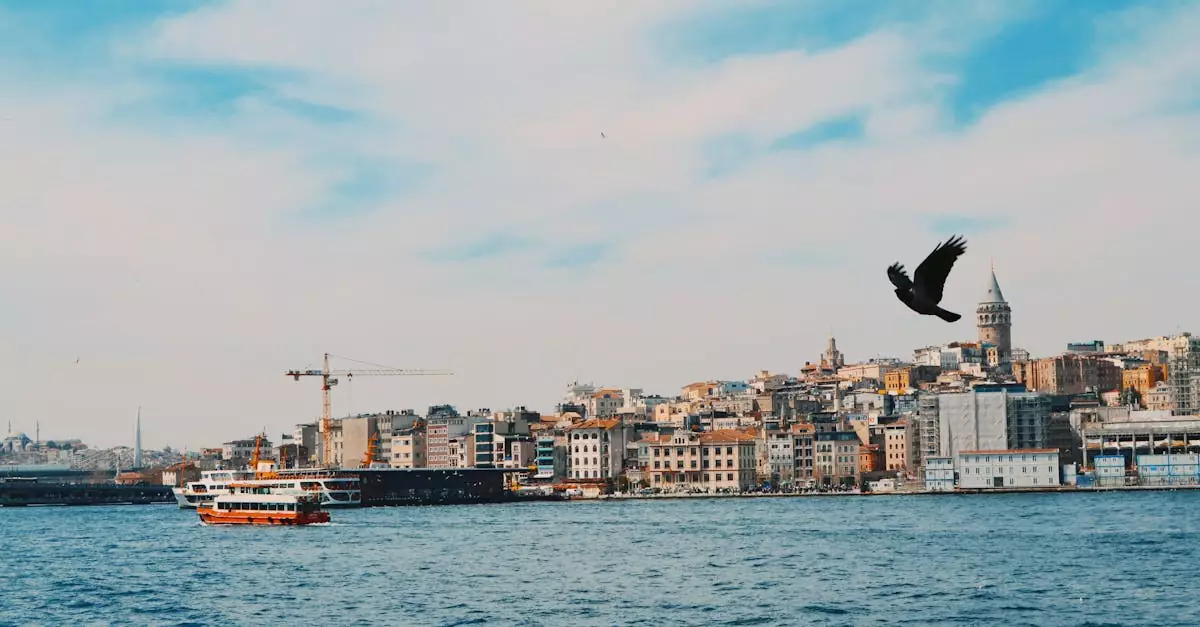
“Withdraw enough for two to three days, then switch to card payments whenever possible.”
Best neighborhoods in Istanbul for lower cash costs
Not every district behaves the same.
Banks in Beşiktaş, Kadıköy, and Şişli often have better options.
These areas serve locals, not only tourists.
That usually means less aggressive pricing.
Near major sights, machines often target travelers who are rushing.
Crowds make that worse.
People queue impatiently at busy ATMs during lunch and evening hours.
In summer, lines grow near the ferry ports and Grand Bazaar.
In winter, crowds thin out, but bank branches may close earlier.
Weekend timing matters too.
Friday afternoon and Saturday can be busy in commercial districts.
Sunday access may be limited in some bank lobbies.
“If you see a line, walk five minutes farther and check another bank.”
Comparison table: ATM withdrawal options in Istanbul
| Option | Typical Cost | Utility | Quality |
|---|---|---|---|
| Airport ATM | High | Convenient on arrival | Poor value |
| Tourist-zone ATM | Medium to high | Easy to find | Mixed |
| Bank-branded neighborhood ATM | Lower | Good for planned withdrawals | Best balance |
| Hotel front desk cash exchange | Varies | Fast in emergencies | Usually expensive |
Reality check: what I would not do again in Istanbul
I would not withdraw a tiny amount just to test the machine.
That mistake doubles the damage when fixed fees are high.
One small withdrawal can cost more than a lunch.
I would also avoid accepting the ATM’s home-currency conversion.
That screen often hides a weak rate.
It feels safe. It is not.
Another reality check: some cards work better than others.
Travel cards with no foreign cash fee can help.
But they are not magic.
Machines still may reject certain cards, especially at night.
For 2026, Istanbul remains card-friendly overall.
Yet cash still matters for local transport, markets, and small purchases.
New rail and airport transit improvements help with movement, but they do not remove cash needs.
ETIAS does not apply to Turkey, but many Europe-bound travelers mix routes and budgets.
That makes money planning even more important.
Transport, timing, and seasonal cash planning in Istanbul
From Istanbul Airport to the city center, travel times vary widely.
By taxi, expect 40 to 70 minutes depending on traffic.
By metro and tram connections, plan closer to 75 minutes or more.
Traffic peaks during evening commute and Friday prayer hours.
Summer brings more tourists and longer ATM lines.
Spring and autumn are easier.
Winter is calmer, but rain can make neighborhood walking slower.
That matters if you plan to search for a cheaper ATM on foot.
Use public transport cards where possible.
They reduce the need for repeated cash withdrawals.
Still, keep a small cash buffer for older ferries and snack stalls.
“Check your bank app for foreign cash fees before you land, not after your first withdrawal.”
Pros and cons of using ATMs in Istanbul
- Pros: Easy to find in central districts.
- Pros: Card payments work widely in modern businesses.
- Pros: Neighborhood bank ATMs can be acceptable.
- Cons: Turkey ATM withdrawal fees can be high.
- Cons: Dynamic currency conversion is often costly.
- Cons: Airport and tourist-zone machines usually charge more.
- Cons: Some ATMs reject cards or limit cash amounts.
Important tips for avoiding expensive Turkey ATM withdrawal fees
“Look for the fee screen before inserting your card, then cancel if the charge seems high.”
“Use larger withdrawals to spread fixed fees across more cash.”
“If your bank offers fee-free withdrawals, still check the local operator charge.”
These small habits can save real money over a one-week Istanbul trip.
They also reduce stress when you are tired, jet-lagged, or carrying luggage.
How to balance cash and card use in 2026
Use cards for hotels, museums, and larger restaurants.
Use cash for taxis, tips, and small street purchases.
That mix keeps withdrawals limited.
It also helps you avoid repeated fees.
Many travelers now rely on mobile wallets, but acceptance is uneven.
Always keep one backup card in a separate bag.
If one card fails, you will not need an emergency ATM search.
That is especially useful in crowded districts after dark.
Safety matters as much as fees.
Busy ATMs are better than isolated ones at night.
Choose a bright, staffed location when possible.
Frequently asked questions
How much are turkey atm withdrawal fees in Istanbul?
They often range from 150 to 400 TRY locally, plus your bank’s charges.
Why do turkey atm charges vary so much?
Location, operator type, and exchange-rate markup all change the final cost.
When is the best time to withdraw cash in Istanbul?
Mid-morning on weekdays is usually easier, with shorter lines and calmer streets.
How can I avoid bad exchange rates at ATMs?
Always reject dynamic currency conversion and choose Turkish lira.
Why should I avoid airport ATMs in Istanbul?
They are convenient, but usually have the worst fees and weaker rates.
Useful background for planning your Turkey trip
Turkey sits between Europe and Asia, which shapes travel behavior and pricing.
That mix affects transport, shopping, and cash use.
For official destination context, see GoTürkiye.
For broader country background, review Britannica.
For a quick reference overview, see Wikipedia.
For tourism context, this page on tourism in Turkey is also useful.
Those resources help with route planning, but your bank policy still matters most.
Istanbul rewards travelers who plan one step ahead.
That is especially true with money.
Cash access is easy here. Cheap cash access is not.
Keep withdrawals intentional, and you will avoid most surprises.
Check fees before you tap, and keep your spending calm.
That simple habit protects your budget without slowing your trip.