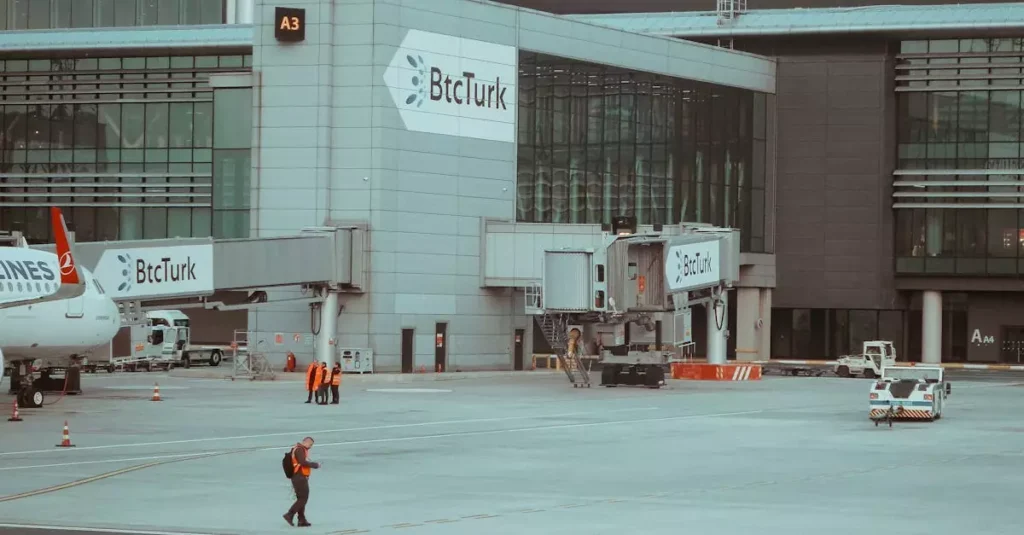
Istanbul can drain cash fast if you exchange money badly.
The turkey currency exchange fee airport issue matters more than most first-time visitors expect.
I once lost nearly 9% on a small exchange at the airport. The receipt looked harmless. The rate did not.
Why airport exchange feels easy, but often costs more
Airport exchange desks are built for speed, not value. They know tired arrivals want instant lira. That convenience usually carries a higher turkey exchange cost.
In Istanbul, the first money counter you see is rarely the best one. Some desks add a wide spread between buy and sell rates. Others hide the real cost in service fees.
At busy arrival times, staff may move quickly. That makes it harder to compare rates. It also makes small mistakes more likely.
In 2026, Turkey still sees heavy tourism, plus more regional transit traffic. That keeps airport counters busy. Busy counters often mean weaker rates for travelers.
Important Tip: Compare the final lira amount, not the advertised exchange rate.
turkey currency exchange fee airport: what you actually pay in Istanbul
The real cost has three parts. First, the exchange rate spread. Second, a fixed desk fee. Third, the loss from poor timing.
For a common airport exchange, the total turkey exchange cost can land between 4% and 12%. That range depends on the desk, the amount, and the currency.
USD and EUR usually get better treatment than smaller currencies. GBP is often fine too. Less common currencies may get harsher spreads.
If you exchange $100, a 6% loss means about $6 gone instantly. That sounds small. On a longer trip, it adds up quickly.
ATMs can be cheaper, but not always. Some charge local bank fees. Your home bank may add another fee. Dynamic currency conversion can also hurt you badly.
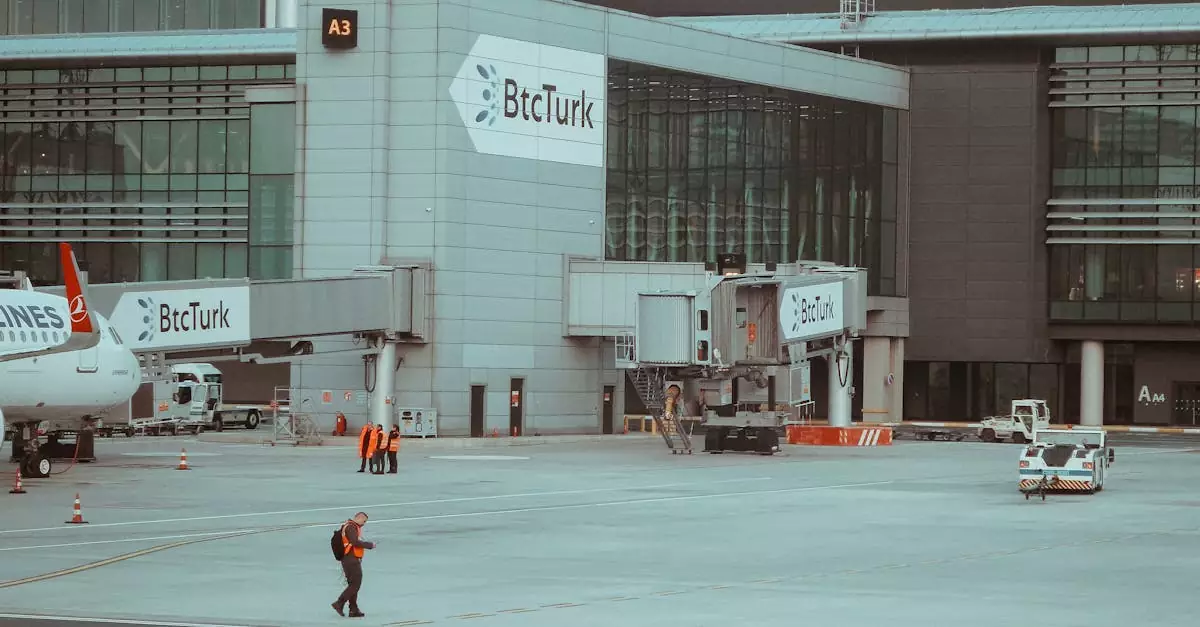
Important Tip: Withdraw from a major bank ATM, then decline the machine’s conversion offer.
Where to exchange money in Istanbul without wasting cash
The airport is the worst place for large exchanges. The city center is usually better. Istanbul has many exchange offices in tourist zones, malls, and business districts.
Good areas include Sultanahmet, Taksim, and parts of Kadıköy. Still, rates vary block by block. Walk two or three minutes before choosing.
For many travelers, a mix works best. Exchange a tiny amount at the airport. Then move the rest in the city after checking rates.
That tiny amount should cover transport and one meal. You do not need a full week of cash on arrival.
Metro access from IST is useful if you land light. The M11 line connects the airport to the city rail network. Travel time depends on your final stop, but budget extra time during peak hours.
From Sabiha Gökçen, the M4 metro and airport buses can help. Traffic on the Asian side can be heavy. Road transfers can take far longer than expected.
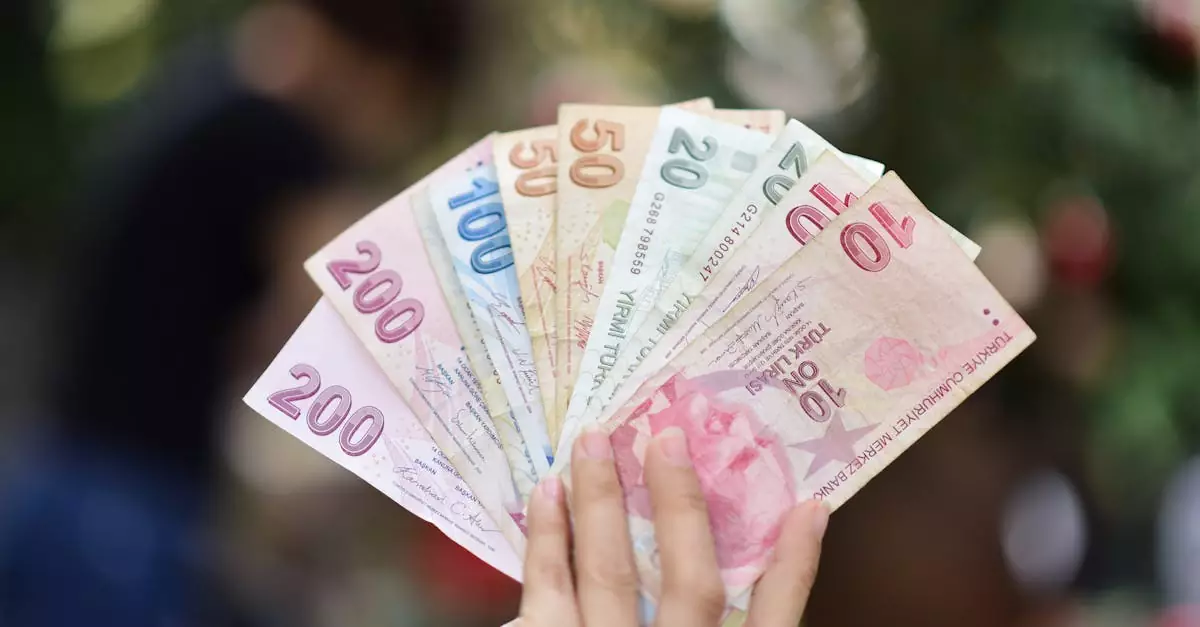
Reality Check: A good-looking exchange booth can still have a poor rate.
Airport, ATM, or city exchange: which is cheapest?
Here is the simple version. Airport exchange is easiest. ATMs are often cheaper. City exchange offices can be best if you compare first.
| Option | Typical Cost | Utility | Best For |
|---|---|---|---|
| Airport exchange desk | High | Very easy | Emergency cash only |
| Airport or city ATM | Low to medium | Fast | Small to medium withdrawals |
| City exchange office | Low | Moderate | Best rates for planned cash exchange |
For most visitors, the cheapest path is simple. Use an ATM for a small amount. Then compare exchange offices in the city. Avoid changing all your money at the airport.
Keep an eye on card fees too. Some travel cards charge foreign ATM fees. Some local machines limit withdrawal size. That can push your turkey exchange cost higher than expected.
In summer, queues get longer. In winter, some offices close earlier. Friday afternoons and Sunday evenings can also be crowded. Plan around those peaks.
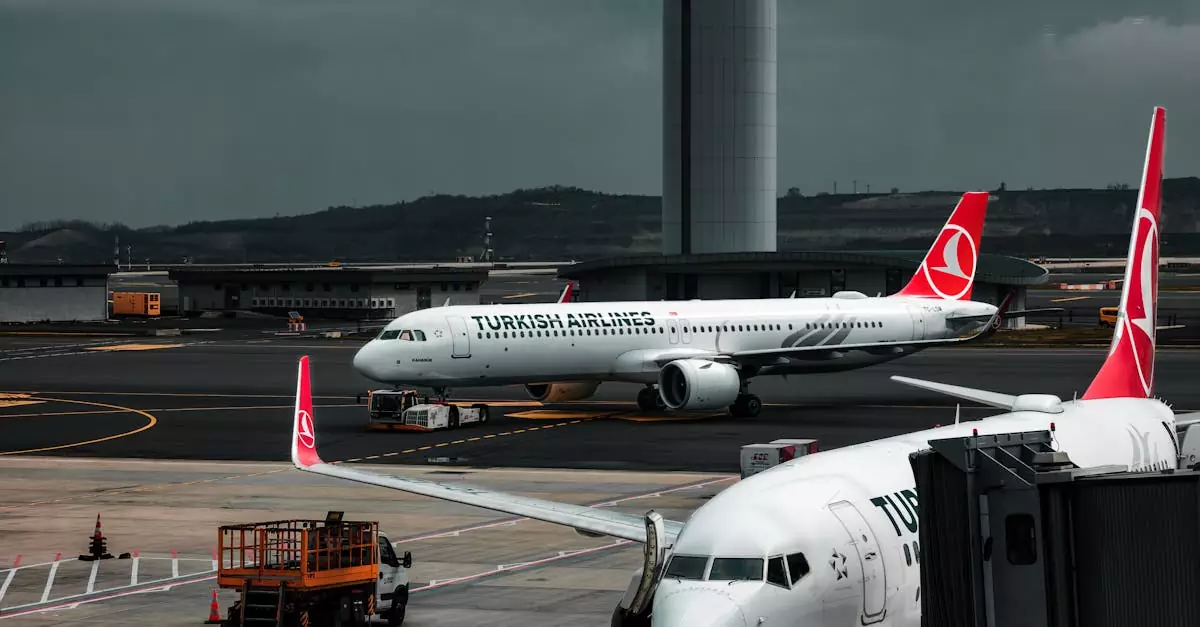
Important Tip: Check exchange rates before landing, then compare them again after baggage claim.
How to move from Istanbul airport without overpaying
From Istanbul Airport, the city center is not close. Sultanahmet is roughly 40 to 50 kilometers away. Taksim is often around 35 to 45 kilometers, depending on the route.
That distance matters. A taxi can be convenient, but traffic changes everything. In rush hour, a ride can take 60 to 90 minutes. Sometimes longer.
Public transport is cheaper. The airport metro is useful for many travelers. Havaist buses also cover major parts of the city. They are slower than rail, but they can be far cheaper than taxis.
If you arrive late, balance cost against comfort. A tired traveler with heavy bags may prefer a direct transfer. Just keep enough lira for the ride.
2026 travel rules also matter. Europe’s ETIAS system affects many onward itineraries for non-EU travelers. If Istanbul is a stop before Europe, keep your documents organized.
Turkey also continues to push digital payments in major cities. Still, some smaller shops and taxis prefer cash. That is why a small cash reserve remains useful.
Insider Tip: Use the airport metro only after checking your hotel’s nearest exit number.
Seasonal behavior, crowds, and timing your exchange
Summer brings the worst crowds. June through September is the hardest period for airport money counters. Lines grow after long-haul arrivals from Europe and the Gulf.
Spring and autumn are easier. Rates may not change dramatically, but crowd pressure drops. That means more time to compare and fewer rushed mistakes.
Winter can be cheaper for flights, but not always for exchange timing. Some city offices shorten hours during quieter months. Always check closing times.
Mid-morning is often calmer than late afternoon. Late-night arrivals are the worst for bad decisions. Tired people accept poor rates quickly.
In Istanbul, Friday prayer times and weekend shopping traffic can also affect nearby exchange spots. Plan ahead if you want better choices.
Pros and cons of exchanging money at the airport
- Pros: Immediate cash on arrival.
- Pros: Good for transport, snacks, and emergencies.
- Pros: Easy for first-time visitors who want simplicity.
- Cons: Usually poor rates.
- Cons: Possible hidden fees or wide spreads.
- Cons: Rushed decisions lead to higher losses.
If you need only a small amount, the airport can be acceptable. If you need a larger amount, it is usually a bad deal.
The best strategy is controlled patience. Exchange enough for the first few hours. Then wait for a better rate in the city.
For official country context and travel background, see Britannica’s Turkey overview.
For a general reference on the country and its geography, see Turkey on Wikipedia.
For current travel ideas and destination planning, visit GoTürkiye.
For tourism context and seasonal demand, see Tourism in Turkey.
Common mistakes travelers make with Turkish lira
One mistake is changing too much at the airport. Another is ignoring the fee line on the receipt. A third is using a card with bad foreign transaction terms.
Some travelers also forget small-denomination bills. That creates trouble with taxis and kiosks. Large notes can be annoying for quick purchases.
Another common error is assuming every exchange office is fair. That is not true in Istanbul. Tourist-heavy streets can have weaker rates than nearby side streets.
My own mistake was simple. I accepted the first counter near arrivals. The rate looked normal. The final amount proved otherwise.
That loss taught me to slow down. I now compare three options before exchanging anything meaningful.
Insider Tip: Photograph the rate board before paying, so you can check the receipt later.
FAQ
How much should I exchange at Istanbul airport?
Only enough for transport, food, and one small backup expense.
Why is the turkey exchange cost higher at airports?
Because convenience, staffing, and captive demand allow wider spreads and fees.
When is the best time to exchange money in Istanbul?
Usually after arrival, in the city, during calmer daytime hours.
How can I avoid a bad airport exchange fee?
Compare the final amount, not the headline rate, and avoid exchanging large sums.
Why do ATMs sometimes cost less than exchange desks?
They often use better rates, but bank fees and conversion traps can still apply.
Conclusion
In Istanbul, smart money handling starts before you leave the airport.
Keep the first exchange small. Compare later in the city. Watch fees closely. That simple approach usually saves more than chasing a perfect rate.
If you are planning a 2026 trip, build cash decisions into your transport plan. It makes arrival calmer and cheaper.
Use the airport for convenience. Use the city for value. That balance works well for most travelers in Turkey.