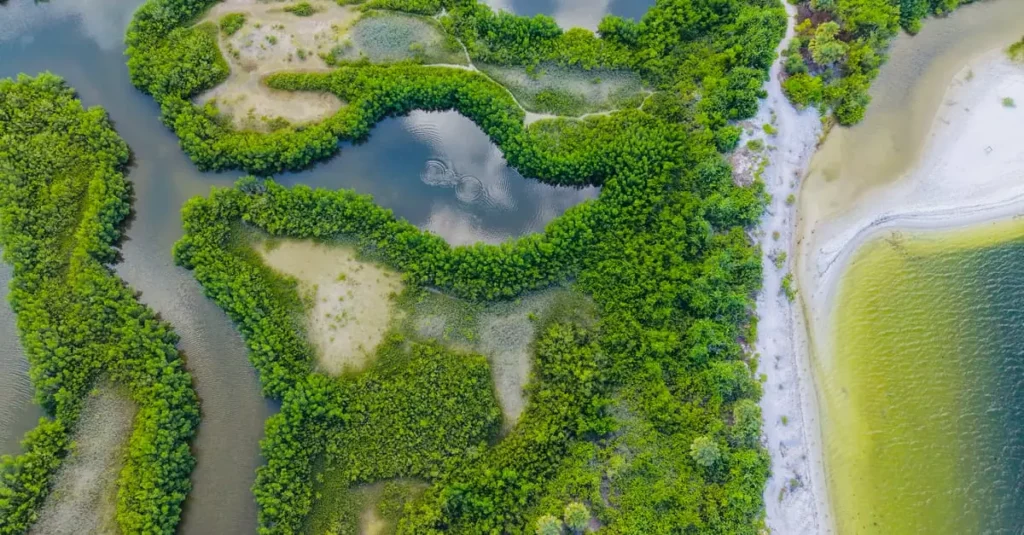
Florida’s allure often conjures images of bustling theme parks and crowded beaches. Yet, for those seeking genuine encounters with nature, the Sunshine State offers a wealth of secluded landscapes teeming with wildlife. Moving beyond the well-trodden paths reveals a different Florida, where cypress swamps echo with bird calls and ancient forests invite quiet reflection. Discovering these best hidden nature spots in Florida offers a unique perspective on the state’s ecological richness.
This guide will take you off the beaten path to explore five incredible natural sanctuaries. You’ll learn about the unique ecosystems within each, the specific wildlife you can expect to encounter, and practical tips for making the most of your visit. Prepare to immerse yourself in the untamed beauty that lies just beyond the usual tourist trails.
Unveiling Florida’s Secret Natural Sanctuaries Beyond the Crowds
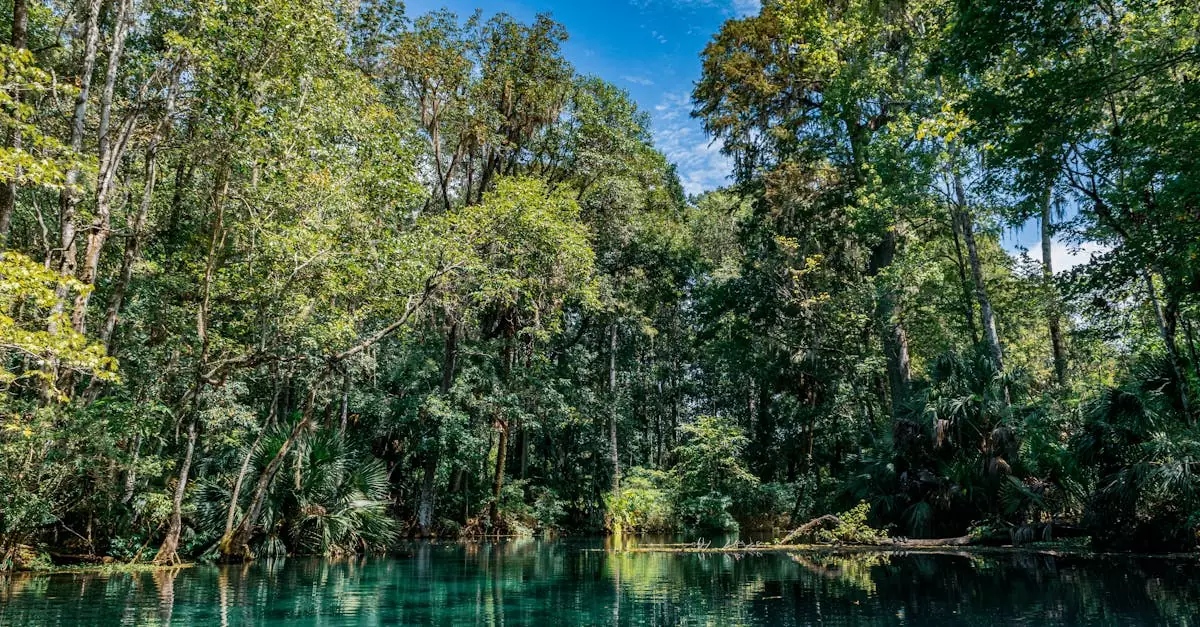
Florida’s allure often conjures images of bustling theme parks and crowded beaches. Yet, for those seeking genuine encounters with nature, the Sunshine State offers a wealth of secluded landscapes teeming with wildlife. Moving beyond the well-trodden paths reveals a different Florida, where cypress swamps echo with bird calls and ancient forests invite quiet reflection. Discovering these best hidden nature spots in Florida offers a unique perspective on the state’s ecological richness.
Exploring the Untamed Beauty of Fakahatchee Strand Preserve State Park
Located in Southwest Florida, Fakahatchee Strand Preserve State Park is a vast and ecologically significant wetland that often flies under the radar for many visitors. This preserve protects the largest remaining cypress swamp in the United States and is renowned for its incredible biodiversity, including rare orchids and the elusive Florida panther. The park features a network of boardwalks, such as the popular Janes Scenic Drive boardwalk, allowing visitors to immerse themselves in the heart of the cypress-tupelo swamp without disturbing the delicate ecosystem.
For wildlife enthusiasts, Fakahatchee is a prime destination for birdwatching, with species like the wood stork, egret, and various wading birds frequently spotted. Alligators are also common residents, so maintaining a safe distance is crucial. The park’s unique environment supports a surprising array of plant life, including numerous orchid species that bloom at different times of the year. Planning a visit during the drier months, typically from November to April, can make navigating the trails easier and enhance wildlife viewing opportunities.
Finding Serenity at Wekiwa Springs State Park’s Secluded Trails
While Wekiwa Springs State Park is known for its beautiful natural spring, many visitors overlook the extensive network of hiking trails that wind through its diverse habitats. Beyond the main swimming area, these trails offer a chance to experience the park’s quieter side, traversing pine flatwoods, hardwood hammocks, and the banks of the Wekiwa River. The park is situated just north of Orlando, making it an accessible escape from urban life.
The park’s trails vary in difficulty, catering to both casual walkers and seasoned hikers. The Sandhill Trail, for instance, provides a glimpse into the scrubby pine ecosystem, while the River Trail follows the scenic Wekiwa River. These less-trafficked paths provide excellent opportunities for spotting white-tailed deer, various bird species, and other native fauna. Visiting on a weekday or during the off-season can further enhance the sense of solitude.
The Enchanting Ecosystems of Paynes Prairie Preserve State Park
Just south of Gainesville, Paynes Prairie Preserve State Park is a National Natural Landmark and a must-visit for anyone interested in Florida wildlife travel. This expansive savanna is one of the most diverse ecosystems in the state, supporting a remarkable array of wildlife, including a wild herd of free-roaming bison and horses. The prairie’s open landscape offers unparalleled opportunities for viewing these animals and a multitude of bird species, especially during migration seasons.
Several observation points and trails allow visitors to experience the prairie’s grandeur. The La Chua Trail is particularly well-known for its abundant alligator and bird populations. For a panoramic view of the entire savanna, climbing the observation tower on the Cone’s Dike Trail is recommended. The best times to visit are during the cooler months, from October to May, when the weather is more pleasant for hiking and the wildlife is often more active. This expansive nature preserve is truly one of Florida’s most captivating hidden gems.
Corkscrew Swamp Sanctuary: A Must-Visit for Birdwatchers and Nature Photographers
For those seeking immersive nature experiences, Corkscrew Swamp Sanctuary stands out among Florida’s natural wonders. This Audubon-designated sanctuary protects a magnificent old-growth bald cypress forest, a rare and vital ecosystem. Its extensive boardwalk system makes it accessible for visitors to witness its unique beauty and abundant wildlife, establishing it as one of the best hidden nature spots in Florida for those who appreciate untouched landscapes.
Navigating the Boardwalk Trails of Corkscrew
The primary way to experience Corkscrew Swamp Sanctuary is via its 2.25-mile boardwalk. This elevated pathway winds through diverse habitats, from pine flatwoods to the heart of the cypress swamp. The boardwalk is well-maintained and offers a safe way to traverse the sensitive environment, allowing close encounters with nature without disturbance.
Allow at least two to three hours to fully appreciate the sanctuary. Arriving early in the morning offers the best chances for wildlife sightings and cooler temperatures. The path is mostly flat, making it manageable for most visitors, though it is not fully wheelchair accessible due to its length and natural terrain. Consider bringing water and insect repellent, especially during warmer months.
Identifying Key Wildlife Species at Corkscrew
Corkscrew Swamp Sanctuary is renowned for its incredible birdlife, making it a prime destination for birdwatchers. During spring migration, the sanctuary teems with various songbirds, while resident species like the endangered wood stork are frequently seen nesting in the cypress trees. Keep an eye out for wading birds such as egrets, herons, and anhingas, often found along the water’s edge or perched on branches.
Beyond birds, the sanctuary is home to other fascinating creatures. American alligators are common in the waterways, and if you’re lucky, you might spot river otters, white-tailed deer, or even a Florida black bear. The undergrowth and tree canopy also support a variety of reptiles, amphibians, and insects, contributing to the rich biodiversity of this natural preserve.
Best Photography Angles for Capturing Corkscrew’s Flora and Fauna
Photographing at Corkscrew Swamp Sanctuary presents unique opportunities. The dappled sunlight filtering through the cypress canopy creates dramatic lighting, especially in the early morning or late afternoon. The boardwalk provides stable vantage points, allowing for sharp images of both distant wildlife and intricate plant details.
For bird photography, patience is key. Look for perching birds along the boardwalk or near water features. Telephoto lenses are highly recommended to capture distant subjects without disturbing them. When photographing the ancient cypress trees and the swamp landscape, wide-angle lenses can effectively convey the grandeur of the old-growth forest. Remember to respect wildlife and maintain a safe distance. The reflective waters of the swamp often provide stunning opportunities for capturing the cypress trees and sky in mirror-like images.
What Are the Best Wildlife Viewing Opportunities in Florida’s Lesser-Known Nature Preserves?
Florida’s vast coastline and diverse inland ecosystems harbor an incredible array of wildlife, often in places far from typical tourist trails. For those seeking genuine encounters with nature, exploring the state’s lesser-known nature preserves offers unparalleled opportunities to witness native species in their natural habitats. These sanctuaries provide a more intimate and authentic wildlife viewing experience, revealing the vibrant biodiversity that makes this region so special.
Spotting Alligators and Manatees in Crystal River National Wildlife Refuge
Crystal River National Wildlife Refuge, located on Florida’s west coast, is renowned for its healthy population of West Indian manatees. This refuge serves as a critical wintering ground for these gentle giants, and visitors can observe them year-round, though sightings are most concentrated during cooler months. While swimming with manatees is a popular activity, it’s essential to do so responsibly by adhering to strict guidelines to ensure the animals’ well-being. Beyond manatees, the refuge’s brackish waters and mangrove systems are also home to American alligators, various wading birds like egrets and herons, and numerous fish species.
- Getting there: The refuge is accessible by car, with parking available at the Kings Bay boat ramp. Boat tours are the primary way to access prime viewing areas, though kayaking and paddleboarding are also options for independent exploration.
- Best time to visit: Manatee sightings peak from November to March. However, the refuge offers opportunities to see other wildlife throughout the year.
- Logistics: Book boat tours in advance, especially during peak season. Always maintain a respectful distance from wildlife.
Observing Rare Birds at Merritt Island National Wildlife Refuge
Merritt Island National Wildlife Refuge, situated on Florida’s central Atlantic coast, is a haven for birdwatchers. This expansive coastal wetland is a crucial stopover point for migratory birds, making it one of the most important bird sanctuaries in the United States. Over 300 species of birds have been recorded here, including numerous wading birds, shorebirds, raptors, and waterfowl. Visitors might spot bald eagles soaring overhead, roseate spoonbills in vibrant pink, or various sandpipers and plovers along the shorelines. The refuge also protects nesting sites for sea turtles and provides habitat for Florida scrub-jays, a threatened species.
- Key areas for birding: Black Point Wildlife Drive offers excellent opportunities for viewing waterfowl and wading birds from your vehicle. The Cruickshank Trail is a popular boardwalk path for observing diverse avian life.
- Seasonal highlights: Spring and fall migration periods bring an incredible diversity of species. Winter months are ideal for viewing waterfowl.
- Beyond birds: Keep an eye out for alligators in the canals and marshes, and explore the trails for potential sightings of river otters and bobcats.
Encountering Florida Panthers and Black Bears in Big Cypress National Preserve
Big Cypress National Preserve, southwest of Lake Okeechobee, is one of the most ecologically significant and least developed areas in Florida. This vast subtropical wetland is a critical habitat for endangered species, most notably the Florida panther. While sightings of these elusive cats are rare, the preserve’s extensive wilderness offers a chance to witness them in their natural environment. Black bears are also more commonly found here than in many other parts of the state. The preserve’s unique ecosystem, characterized by cypress domes, sawgrass prairies, and mangrove forests, supports a rich variety of other wildlife, including alligators, white-tailed deer, and numerous bird species.
- Wildlife viewing strategies: Early morning and late evening are the best times for spotting larger mammals. Drive slowly on the park roads and keep a vigilant watch.
- Preserve access: Numerous hiking trails and backcountry roads provide access to different habitats within the preserve. Guided tours, including airboat tours, are available and can offer unique perspectives on the landscape and its inhabitants.
- Safety considerations: Be aware of your surroundings, especially when hiking. Carry plenty of water, insect repellent, and a map. Inform someone of your planned route and expected return time. For more information on planning your trip to the United States, consider resources from official tourism sites.
Planning Your Florida Wildlife Travel Itinerary for Hidden Gems
Crafting an itinerary for Florida’s best hidden nature spots requires thoughtful consideration of your available time and desired pace. While the state boasts abundant natural beauty, focusing on specific regions can maximize your wildlife viewing opportunities and minimize travel fatigue. Whether you have a long weekend or a full week, a well-planned trip ensures you experience the unique ecosystems that make Florida a remarkable destination for nature lovers.
A 3-Day Nature Escape: Everglades’ Hidden Corners
For a concentrated dose of Florida’s wild side, a three-day escape into the less-traveled corners of the Everglades offers an immersive experience. Beyond the popular Anhinga Trail, seek out the Fakahatchee Strand Preserve State Park. This vast cypress swamp is a haven for rare orchids and the elusive Florida panther. Its elevated boardwalks provide excellent access for observing the unique flora and fauna without disturbing the delicate environment.
Consider a guided airboat tour on the western edge of the Everglades, away from the main tourist hubs. These tours can take you into quieter sloughs and marshes where wading birds, alligators, and even manatees are more likely to be seen in their natural habitats. For accommodations, look for small inns or eco-lodges near Everglades City, offering a more intimate connection with the natural surroundings. Remember to pack insect repellent and stay hydrated, as the South Florida climate can be intense.
A Week-Long Adventure: Coastal Nature Preserves and Inland Springs
A week allows for a more comprehensive exploration, combining rich coastal ecosystems with the refreshing beauty of Florida’s inland springs. Start your journey along the Gulf Coast, visiting places like the Corkscrew Swamp Sanctuary. This ancient cypress forest features a boardwalk that winds through a pristine wetland, showcasing an incredible diversity of birdlife, including the endangered wood stork. It’s a prime example of the unique nature preserves Florida offers.
From the coast, venture inland to discover the crystal-clear waters of the state’s natural springs. Ichetucknee Springs State Park and Ginnie Springs offer opportunities for snorkeling and swimming in water that remains a constant 72°F year-round. These springs are vital habitats for freshwater species and provide a refreshing contrast to the coastal environments. Planning your route to connect these diverse locations will require a car, as public transportation is limited between these natural areas. Consider booking accommodations in advance, especially during peak season, which typically runs from November to April.
Tailoring Your Trip for Solo Travelers Seeking Solitude
Solo travelers seeking solitude will find ample opportunities to connect with nature in Florida’s quieter natural areas. Opt for destinations with well-maintained, self-guided trails where you can set your own pace. State parks and wildlife management areas often provide a more tranquil experience than national parks. Consider the Ocala National Forest, which offers numerous hiking trails and remote camping options for those looking to truly disconnect.
For wildlife observation, early mornings and late afternoons are generally the best times to spot animals. Bring binoculars and a field guide to enhance your experience. Many of these less-visited nature preserves in Florida are free to enter, making them budget-friendly options for solo adventurers. Always inform someone of your hiking plans and expected return time, and be aware of local wildlife and weather conditions. The visittheusa.com website can offer general tips for travel within the United States.
Essential Tips for Exploring Florida’s Remote Nature Spots Safely
Florida’s allure extends far beyond its well-trodden beaches and theme parks. For those seeking authentic encounters with nature, its less-visited preserves and sanctuaries offer unparalleled rewards. However, venturing into these wilder spaces requires preparation and an understanding of the unique environment. Prioritizing safety and responsible exploration ensures a more enjoyable and respectful experience.
What to Pack for Florida’s Humid and Wild Environments
Packing smart is crucial for comfort and safety when visiting Florida’s hidden natural gems. The state’s climate is characterized by high humidity, intense sun, and frequent, though often brief, rain showers, especially during the warmer months. Lightweight, moisture-wicking clothing is essential. Long sleeves and pants, even in warmer weather, can offer protection from sun, insects, and thorny vegetation.
Consider bringing:
- Insect repellent: Mosquitoes and biting flies can be prevalent, particularly near water or during dawn and dusk. Look for repellents containing DEET or picaridin for effective protection.
- Sun protection: A wide-brimmed hat, sunglasses, and high-SPF sunscreen are non-negotiable. The Florida sun is strong year-round.
- Waterproof gear: A light rain jacket or poncho can be a lifesaver during sudden downpours.
- Sturdy footwear: Closed-toe shoes or hiking boots are recommended for uneven terrain and to protect against potential hazards like sharp objects or venomous snakes. Water shoes can be useful for areas with shallow water.
- Hydration: Carry plenty of water. Dehydration is a serious risk in Florida’s heat and humidity. A reusable water bottle or hydration pack is a good choice.
- First-aid kit: A basic kit with bandages, antiseptic wipes, pain relievers, and any personal medications is advisable.
Navigating Remote Areas: Transportation Options and Best Practices
Accessing Florida’s best hidden nature spots often involves navigating areas with limited infrastructure. While some preserves are accessible by standard vehicles, others may require a car with higher clearance or even a willingness to walk further from a parking area. Planning your route in advance is key, as cell service can be unreliable in more remote locations.
- Vehicle Choice: For general access to many nature preserves, a standard car is usually sufficient. However, if your itinerary includes less-maintained park roads or areas prone to flooding, consider a sport utility vehicle (SUV).
- Navigation Tools: Download offline maps using applications like Google Maps or Maps.me before you depart. A physical map and compass can serve as a reliable backup.
- Check Road Conditions: Before heading out, especially after heavy rain, check with the relevant park service or local authorities for any road closures or advisories.
- Public Transport: Public transportation options are extremely limited for reaching these remote natural areas. This type of travel typically requires a personal vehicle.
Many travelers find that renting a car provides the most flexibility for reaching these destinations. For those interested in exploring multiple regions within the United States, a road trip offers a comprehensive way to experience the diverse landscapes.
Understanding Local Wildlife Encounters and Safety Precautions
Florida is renowned for its rich biodiversity, but encountering its wildlife requires respect and caution. Understanding the habits of local animals and maintaining a safe distance is paramount to ensuring both your safety and the animals’ well-being. This is particularly true when visiting areas like the Corkscrew Swamp Sanctuary, which is a vital habitat for many species.
- Alligators: These reptiles are common in Florida’s freshwater systems. Never feed alligators, and always maintain a safe distance (at least 10 feet, or more if they appear agitated). Be especially cautious around water edges, boat ramps, and where you see warning signs.
- Snakes: Florida is home to several venomous snakes, including rattlesnakes, cottonmouths, and coral snakes. Wear sturdy footwear, watch where you step, and never attempt to handle or approach a snake. Most snakebites occur when people try to capture or kill snakes.
- Insects and Arachnids: Beyond mosquitoes, be aware of biting flies, ticks, and spiders. While most are harmless, some can deliver painful bites or carry diseases. Wear protective clothing and use insect repellent.
- Marine Life: If exploring coastal areas or islands, be aware of potential encounters with marine animals such as jellyfish, stingrays, or even sharks. Heed any posted warnings and consider wearing water shoes.
- General Wildlife Etiquette: Never feed wild animals, as this disrupts their natural behavior and can make them dependent on humans or aggressive. Keep your voice down to avoid startling animals, and always pack out everything you pack in to keep their habitat clean. Observing wildlife from a distance with binoculars or a telephoto lens is the best approach for both photographer and subject.
Frequently Asked Questions About Florida’s Hidden Nature Spots
When is the best time to visit Florida’s nature preserves for wildlife?
The optimal time to experience Florida’s diverse wildlife in its less-traveled natural areas often aligns with the cooler, drier months, generally from November through April. During this period, migratory birds are abundant, and many animals are more active as they seek water sources and warmer temperatures. This season also offers a more comfortable climate for visitors, avoiding the intense heat and humidity of summer.
Conversely, the wet season, from May to October, brings higher temperatures, increased insect activity, and the potential for afternoon thunderstorms. While some wildlife may be less visible due to heat or nesting behaviors, it’s also a time when lush vegetation thrives, and certain species, like wading birds during their breeding season, can be particularly engaging. Visiting during shoulder seasons, like late fall or early spring, can offer a good balance of favorable weather and wildlife activity.
Are there affordable accommodation options near these hidden gems?
Yes, finding budget-friendly lodging near Florida’s best hidden nature spots is certainly achievable with a bit of planning. Many of these preserves are located in more rural or less developed areas, which often translates to lower accommodation costs compared to major tourist hubs. Look for independent motels, smaller inns, or vacation rentals in nearby small towns.
Camping is another excellent and affordable option for immersing yourself in nature. Several state parks and some nature preserves offer campsites, providing a direct connection to the natural environment. Booking in advance is always recommended, especially during peak seasons. For those who prefer more amenities, consider searching for hotels or motels in larger towns within a 30-45 minute drive of your desired nature area.
What are some common tourist mistakes to avoid when visiting remote Florida nature areas?
A frequent misstep is underestimating the remoteness and lack of services in some of Florida’s hidden natural areas. Always ensure you have ample water, snacks, and a fully charged phone. Cell service can be unreliable, so downloading offline maps is a wise precaution.
Another common error is not respecting wildlife and their habitats. Maintain a safe distance from all animals, never feed them, and stay on marked trails to avoid disturbing delicate ecosystems. This practice is crucial for both your safety and the well-being of the creatures you’re there to observe. Remember that these are wild places, and responsible visitation is key to their preservation.
Finally, be prepared for the weather. Florida’s climate can change rapidly. Pack accordingly, including rain gear, sun protection, and insect repellent, even if the forecast seems clear. Understanding the local weather patterns can significantly enhance your comfort and safety during your visit.