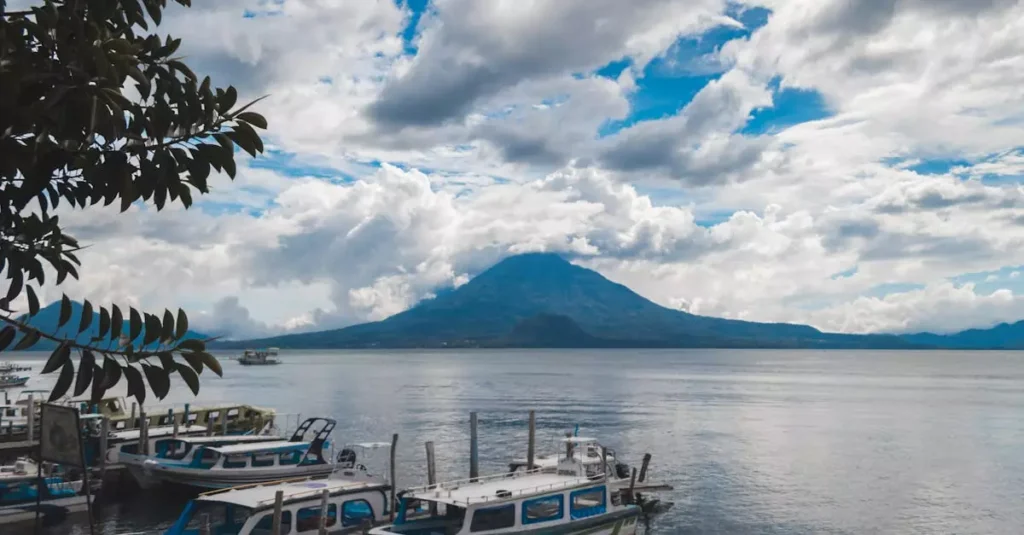
While Lake Atitlán’s undeniable beauty attracts many visitors, Guatemala is rich with best hidden destinations in Guatemala that provide a more intimate and authentic travel experience. Beyond the popular routes lies a tapestry of vibrant cultures, ancient history, and breathtaking natural landscapes, largely untouched by mass tourism. This guide invites you to venture off the beaten path and discover these lesser-known gems.
Explore captivating villages with unique artisan traditions, serene natural wonders nestled in lush jungles, and mystical highlands where ancient Mayan heritage thrives. We’ll also highlight the colonial charm of the eastern regions and the distinct Caribbean influences found along the coast. Prepare to uncover a side of Guatemala that promises genuine connection, unforgettable adventures, and a deeper appreciation for this remarkable Central American nation.
Beyond the Tourist Trail: Uncovering Guatemala’s Secret Gems
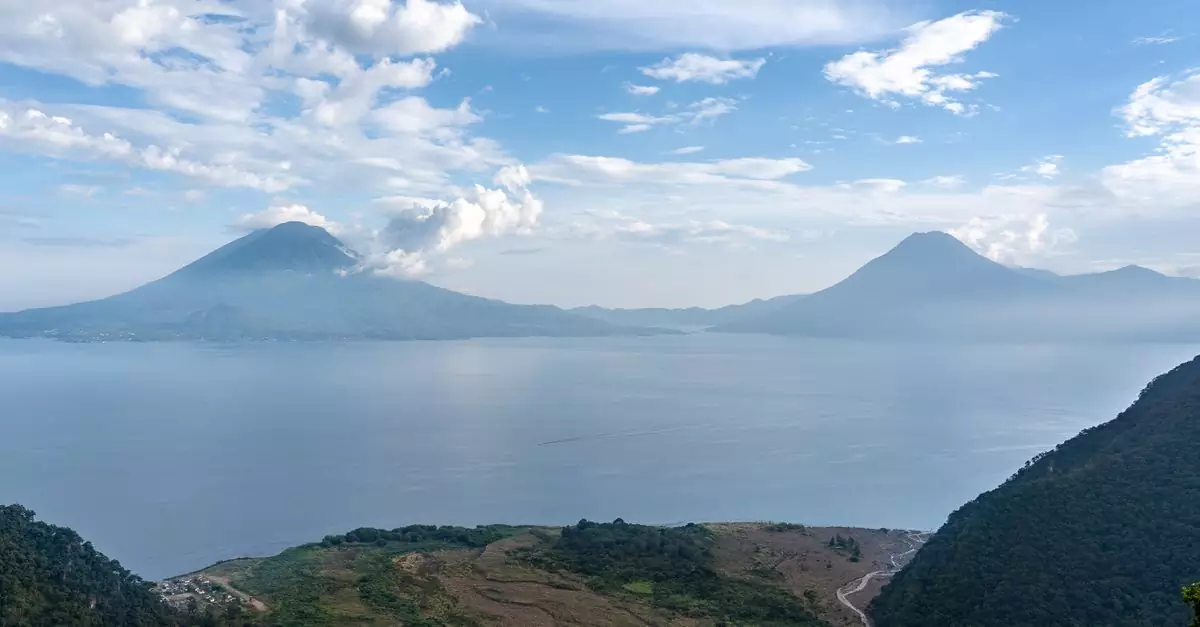
While Lake Atitlán rightfully draws crowds with its stunning volcanic vistas and vibrant indigenous culture, Guatemala holds a wealth of best hidden destinations in Guatemala waiting to be discovered. Venturing beyond this popular hub reveals a country rich in natural beauty, ancient history, and authentic cultural encounters that remain largely untouched by mass tourism. These lesser-known locales foster a deeper connection to the land and its people, offering experiences that resonate long after your trip concludes.
Why Seek Out Lesser-Known Guatemalan Destinations?
Exploring destinations beyond the typical tourist circuits in Guatemala provides a more profound and rewarding travel experience. You’ll encounter fewer crowds, allowing for personal interactions with locals and a genuine sense of discovery. These off-the-beaten-path locations often feature more affordable accommodation and activities, appealing to budget-conscious travelers. Moreover, visiting these areas directly supports local economies in communities that might otherwise be overlooked. It’s about embracing a different pace and gaining a more intimate perspective on this fascinating Central American nation.
The Allure of Authentic Central America Travel
The appeal of authentic Central America travel lies in its raw, unfiltered beauty and the genuine warmth of its people. Beyond the well-trodden paths, you can find ancient Mayan ruins shrouded in jungle mist, remote coffee fincas offering intimate tours, and vibrant local markets showcasing the rhythm of daily life. These are places where traditions are fiercely preserved, and a simple conversation can lead to unexpected invitations and unforgettable insights. For those seeking a travel experience that transcends the superficial, these hidden gems provide compelling reasons to delve deeper into Guatemala’s diverse landscapes and rich heritage. Exploring these less-visited corners reveals a side of Guatemala that is both captivating and profoundly real.
Finding Your Personal Hidden Gem in Guatemala
Identifying your personal hidden gem in Guatemala requires understanding your travel preferences and a willingness to step outside your comfort zone. Consider what type of experience you seek: are you drawn to the tranquility of remote natural landscapes, the historical depth of unexcavated Mayan sites, or the vibrant energy of small-town festivals? Research regions known for specific attractions, such as the cloud forests of Alta Verapaz or the archaeological wonders of the Petén interior.
When planning your journey to these less-traveled spots, keep in mind that transportation may require flexibility. Local buses, known as chicken buses, provide an adventurous and budget-friendly way to navigate between towns, though they can be slow and crowded. For greater comfort and efficiency, consider hiring private transport or renting a car if you’re comfortable with challenging road conditions.
Accommodation options in these areas are often simpler, ranging from charming family-run guesthouses (hospedajes) to eco-lodges that blend seamlessly with their surroundings. Booking in advance is advisable, especially during local holidays or festivals, to secure your preferred lodging.
Safety is a consideration for any travel, and while many of Guatemala’s hidden gems are welcoming, it’s wise to stay informed about local conditions. Stick to well-trafficked routes, avoid unnecessary displays of wealth, and remain aware of your surroundings. Learning a few basic Spanish phrases will enhance your interactions and overall experience. For a deeper understanding of the country’s historical significance, consulting resources like the UNESCO World Heritage Centre can provide valuable context.
Exploring the Enchanting Villages Around Lake Atitlán
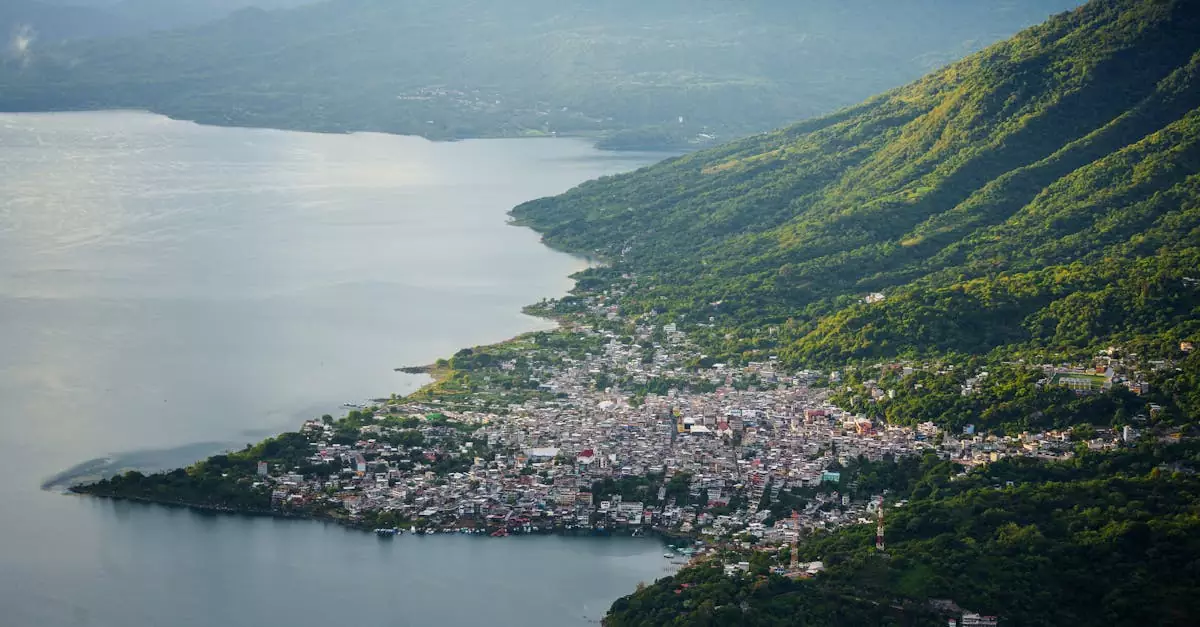
While Guatemala boasts many best hidden destinations, the villages surrounding Lake Atitlán offer a captivating introduction to the country’s rich culture and stunning natural beauty. Often considered a must-visit, this volcanic crater lake is more than just a scenic spot; it’s a vibrant tapestry of indigenous communities, each with its distinct character. Traveling between these lakeside settlements is typically done by public boat (lancha), offering affordable and picturesque transport.
San Juan La Laguna: Artisan Crafts and Indigenous Culture
San Juan La Laguna stands out for its strong Tz’utujil Mayan heritage and thriving artisan scene. The village is renowned for its textile cooperatives, where visitors can witness traditional backstrap loom weaving and natural dyeing processes. Many local families also produce medicinal plants, and tours offer insights into their uses. The vibrant murals adorning many buildings tell stories of local life and history, making a stroll through the town a visual delight.
For travelers interested in authentic cultural immersion, San Juan La Laguna provides a more tranquil experience compared to some of its neighbors. The slower pace encourages deeper engagement with the community. Small hotels and guesthouses offer comfortable bases for exploring the village’s artistic heart.
Santa Catarina Palopó: Vibrant Palaces and Lakeside Views
Santa Catarina Palopó is a visual spectacle with its brightly painted houses, many transformed into vivid “palaces” through a community-driven initiative. The village exemplifies the power of collective art and cultural pride. Panoramic views of the lake and surrounding volcanoes from its elevated streets are breathtaking.
This village offers unique photographic opportunities and a chance to appreciate a successful community art project. While accommodation options are more limited here than in larger towns, staying amidst such colorful surroundings is unforgettable. Boat taxis are readily available to reach Santa Catarina Palopó from Panajachel and other lakeside villages.
San Pedro La Laguna: Budget Backpacking and Spanish Schools
San Pedro La Laguna is a hub for budget travelers and backpackers, known for its lively atmosphere and numerous Spanish language schools. The town has an energetic vibe, with various hostels, budget-friendly eateries, and bars. It’s an excellent place to learn Spanish, with many schools offering intensive courses and homestay options.
Beyond language learning, San Pedro serves as a gateway to hiking the San Pedro Volcano for those seeking a more challenging adventure. The town also features a small market and a church worth visiting. While it can be busier than other villages, its affordability and accessibility make it a key stop for many exploring Guatemala.
Hidden Hikes and Secret Coves of Lake Atitlán
Beyond the well-trodden paths of the main villages, Lake Atitlán conceals numerous hiking trails and secluded coves waiting to be discovered. For the adventurous, trekking to lesser-known viewpoints or finding quiet spots along the shore fosters a more intimate connection with the natural landscape. Hiring a local guide can unlock access to these remote areas, providing both safety and invaluable local knowledge.
Consider a hike to the “Indian Nose” (La Nariz) for sunrise or sunset for an iconic view, though this is a popular spot. For true solitude, inquire locally about trails leading to smaller, less accessible settlements or natural reserves. These expeditions can reveal some of Guatemala’s most serene and picturesque landscapes, away from the main tourist routes.
- Getting Around: Public boats (lanchas) are the primary mode of transport between villages, running frequently throughout the day.
- Best Time to Visit: The dry season, from November to April, offers sunny days and cooler temperatures, ideal for exploring.
- Budget Considerations: Villages like San Pedro La Laguna are generally more budget-friendly for accommodation and food, while others may offer more upscale options.
Venturing North: The Mystical Highlands and Mayan Ruins
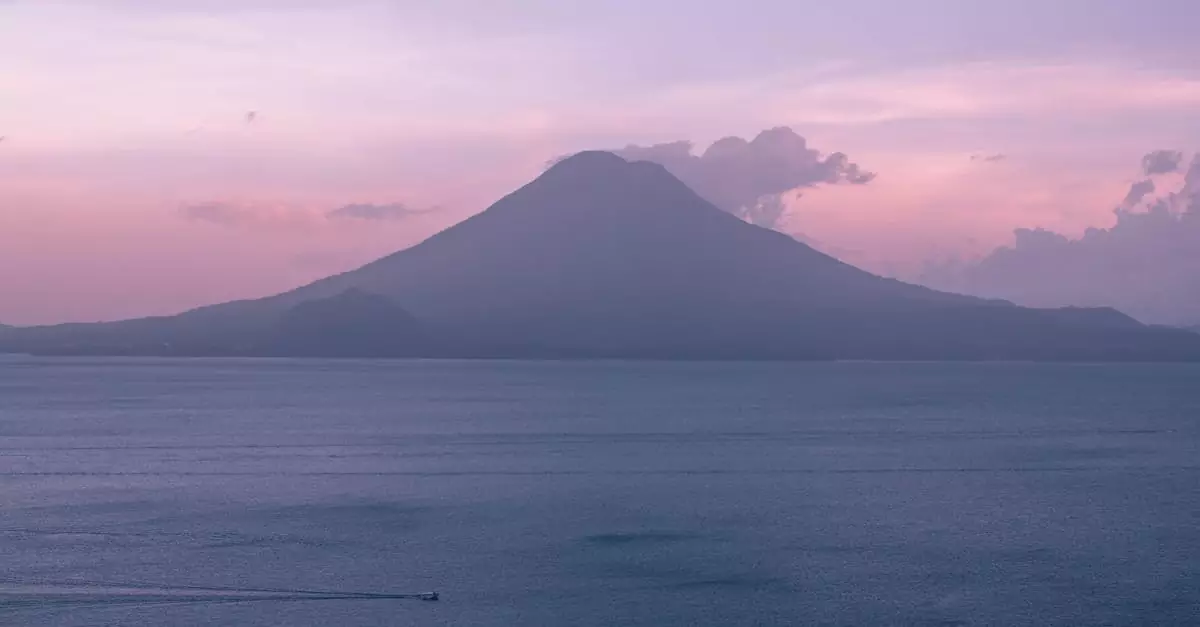
Beyond the well-trodden paths around Lake Atitlán, Guatemala’s northern highlands beckon with vibrant cultural experiences and breathtaking natural wonders. These regions provide a deeper dive into the country’s rich heritage and showcase some of its most spectacular, yet less crowded, hidden gems. For travelers seeking authentic encounters and stunning landscapes away from the main tourist circuits, this area promises an unforgettable adventure.
Chichicastenango Market: A Sensory Overload of Local Life
The town of Chichicastenango, often called “Chichi,” hosts one of the most famous and visually striking indigenous markets in Central America. Held every Thursday and Sunday, this market is not just a place to buy souvenirs; it’s a living, breathing cultural spectacle. The air buzzes with activity as K’iche’ Maya people from surrounding villages gather to trade textiles, pottery, masks, and fresh produce.
Navigating the market requires an open mind and a willingness to engage. You’ll find yourself surrounded by a kaleidoscope of colors from intricately woven huipiles (traditional blouses) and blankets. The scent of copal incense often drifts from the Santo Tomás church, blending Catholic and Mayan rituals. Be prepared for crowds, especially on Sundays, and practice your bargaining skills politely.
- Getting There: Chichicastenango is accessible by shuttle or private transport from Antigua or Lake Atitlán. The journey typically takes 1.5 to 3 hours, depending on your starting point and road conditions.
- What to Buy: Look for hand-woven textiles, carved wooden masks, and local pottery. Inspect items for quality before purchasing.
- Local Tip: Arrive early in the morning to experience the market at its most authentic, before the largest crowds descend. Respectful photography is appreciated, but always ask permission before taking close-up shots of individuals.
Semuc Champey: Natural Pools and Jungle Adventures
Deep within the lush Petén region lies Semuc Champey, a natural monument featuring a series of stunning turquoise pools cascading over a natural limestone bridge. This remote paradise offers a refreshing escape into nature, far from the hustle of larger towns. The journey to reach Semuc Champey is part of the adventure, often involving bumpy roads that enhance the sense of remoteness.
The main attraction is swimming in the crystal-clear waters of the tiered pools, with the jungle canopy overhead. Below the pools, the Cahabón River flows through a cave, a natural wonder that can be explored by local guides with candles. Hiking to the El Mirador viewpoint offers breathtaking panoramic vistas of the entire complex, a truly iconic scene.
- Logistics: The nearest town with accommodation and services is Lanquín. From Lanquín, local “pick-up” trucks (camionetas) are the primary mode of transport to the Semuc Champey entrance.
- Activities: Beyond swimming and hiking, consider tubing on the Cahabón River or exploring the K’an Ba cave.
- Best Time to Visit: The dry season (roughly November to April) offers the most pleasant weather, though the pools are beautiful year-round. Be aware that the rainy season can make the roads more challenging.
Quetzal Biotope: Birdwatching Paradise for Nature Enthusiasts
For those captivated by Guatemala’s unique biodiversity, the Biotopo del Quetzal offers a sanctuary for its national bird, the resplendent quetzal. Located in the cloud forests of Baja Verapaz, this protected area is a haven for birdwatchers and nature lovers alike. The misty, verdant environment teems with life, and spotting the elusive quetzal is a highlight for many visitors.
The biotope features well-maintained trails winding through the dense forest, past moss-covered trees and vibrant flora. While the quetzal is the star, the area is also home to numerous other bird species and diverse plant life. Visiting requires patience and a keen eye, but the serene atmosphere and potential for incredible wildlife sightings make it a rewarding experience.
- Timing: The best chances to spot quetzals are typically during their breeding season, from February to May, especially in the early morning or late afternoon.
- What to Bring: Binoculars are essential. Wear sturdy hiking shoes and dress in layers, as the cloud forest can be cool and damp.
- Conservation: This is a protected area, so adhere to marked trails and avoid disturbing wildlife. Entrance fees contribute directly to conservation efforts, supporting the preservation of this critical habitat.
Eastern Guatemala: Colonial Charm and Caribbean Breezes
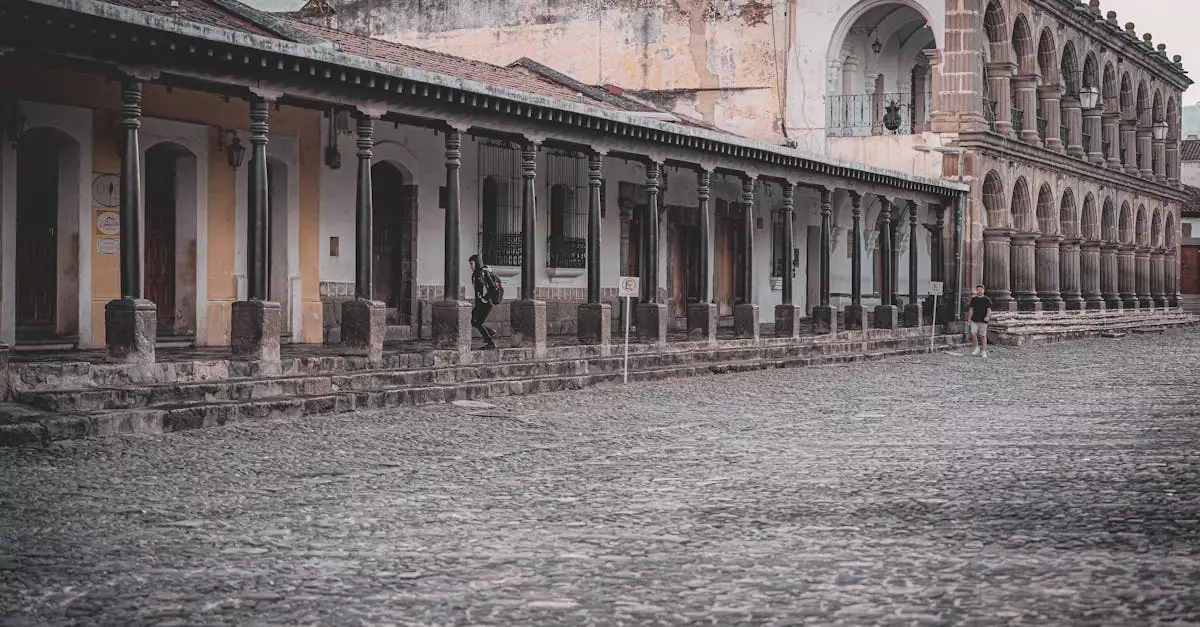
While Lake Atitlán draws many visitors, eastern Guatemala offers a distinct set of experiences, blending colonial history with vibrant Caribbean influence. This region, often overlooked, reveals some of the country’s most captivating hidden destinations, showcasing a different facet of Guatemalan culture and nature. Venturing beyond the popular highlands provides a chance to discover unique landscapes and traditions.
Livingston: Garifuna Culture on the Caribbean Coast
Livingston is a vibrant port town accessible only by boat, a unique characteristic that sets it apart. Its culture is distinctly Garifuna, descendants of West African and indigenous Carib peoples who arrived on the Caribbean coast centuries ago. The rhythmic sounds of punta music fill the air, and the aroma of seafood seasoned with coconut milk is ever-present. This isolation has preserved a unique cultural identity, making it one of Guatemala’s most fascinating lesser-known spots.
- Getting there: Lanchas (water taxis) are the primary mode of transport, departing from Puerto Barrios and, less frequently, from Río Dulce. The journey itself is scenic, offering glimpses of the coastline.
- What to do: Wander through the colorful streets, sample delicious Garifuna dishes like tapado (a hearty seafood soup), and enjoy live music in the evenings. Boat trips to nearby beaches like Playa Blanca offer a tranquil escape.
- Local insight: Embrace the slower pace of life. English is spoken by some, but learning a few basic Spanish phrases will enhance your interactions.
Río Dulce National Park: Waterways and Wildlife
Río Dulce National Park protects a vast network of rivers, swamps, and lush rainforest, forming a crucial ecological corridor. The main artery is the Río Dulce itself, a majestic waterway flowing from Lake Izabal to the Caribbean Sea. This area is a haven for birdwatchers and nature enthusiasts, offering chances to see crocodiles, manatees, and a dazzling array of tropical birds. The journey down the river, often starting from the town of Río Dulce, is an adventure in itself, passing through dramatic canyons and dense jungle.
- Key sights: The Castillo de San Felipe, a 17th-century Spanish fort, guards the entrance to Lake Izabal. Further downriver, the narrow canyons and the bird island (Isla de Pájaros) are highlights.
- Logistics: Guided boat tours are the best way to navigate the park. Many tours combine a trip down the Río Dulce with a stop in Livingston.
- Best time to visit: The dry season, from November to April, generally offers clearer skies and calmer waters, though the region is tropical year-round.
Finca El Paraiso: Hot Springs and Jungle Waterfalls
Nestled inland from the main river route, Finca El Paraiso offers a refreshing natural retreat. This private finca features a stunning waterfall that cascades into a series of natural, mineral-rich hot springs. The water’s temperature can be quite hot, providing a therapeutic soak amidst the sounds of the jungle. It’s a perfect spot to relax and rejuvenate after days of travel, offering a unique natural spa experience away from typical tourist crowds.
- Amenities: The finca has basic changing facilities and a small restaurant serving local food.
- Accessibility: Reaching Finca El Paraiso usually involves a short drive or tuk-tuk ride from the main road near Morales. It’s a worthwhile detour for those seeking natural beauty and relaxation.
- Traveler tip: Be prepared for the intense heat of the natural hot springs; some pools are hotter than others. Wear sturdy footwear, as the paths can be slippery. For those interested in the broader natural wonders of Guatemala, this region offers a different perspective than the volcanic highlands.
Planning Your Guatemalan Adventure: Essential Traveler Tips
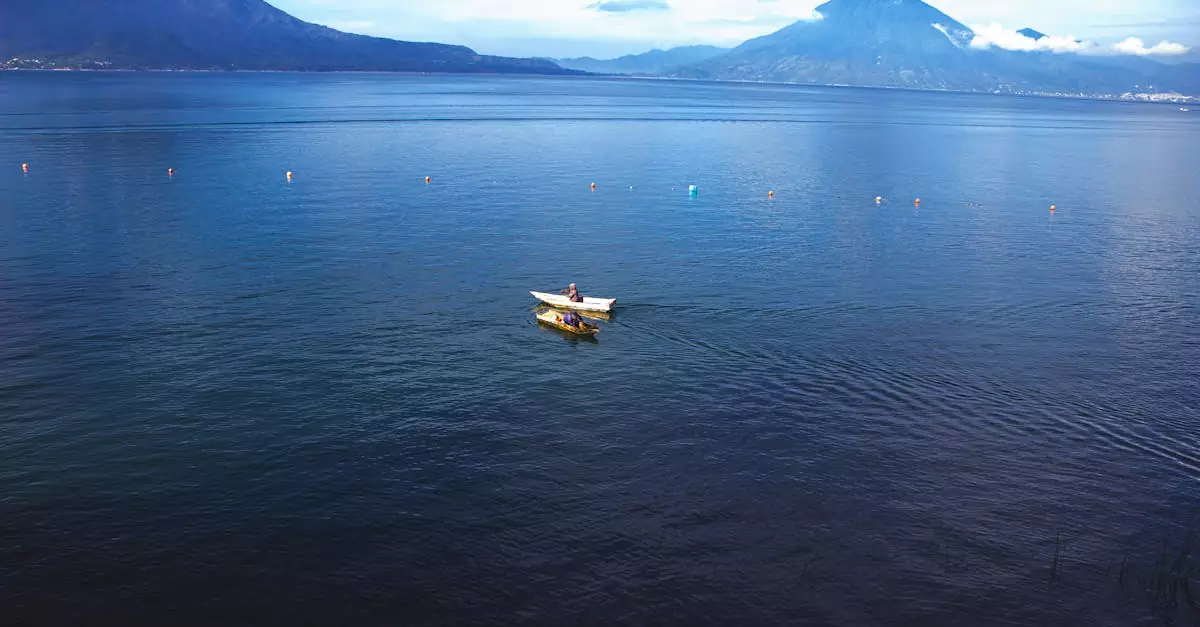
Guatemala offers a wealth of experiences beyond the well-trodden paths around Lake Atitlán. To truly discover the country’s best hidden destinations, careful planning is essential. This section provides practical advice to help you navigate your journey, from choosing the right time to visit to managing your budget and packing effectively. Understanding these elements will enhance your trip, allowing you to immerse yourself more fully in the rich culture and stunning natural beauty Guatemala has to offer.
Best Time to Visit Guatemala’s Hidden Corners
The dry season, from November to April, is generally considered the best time to visit Guatemala for most travelers. During these months, you’ll experience sunny days and lower humidity, making it ideal for hiking and outdoor exploration in less-visited regions. While this period is popular, venturing beyond the main tourist hubs means you can still find quieter experiences. The shoulder months of November and April often offer a good balance of pleasant weather and fewer crowds.
The rainy season, from May to October, brings lush green landscapes and fewer tourists. However, heavy afternoon downpours can impact transportation and limit outdoor activities in some areas. If you’re seeking a more immersive, budget-friendly experience and don’t mind occasional rain, this season can still be rewarding, especially for visiting highland communities or cloud forests. Always check local conditions before heading to remote areas, as heavy rains can sometimes cause landslides or road closures.
Navigating Guatemala: Transportation Options
Getting to and around Guatemala’s hidden gems requires flexibility. For longer distances between major towns, tourist shuttle buses are a convenient and relatively safe option, often running between popular destinations. Booking these in advance is recommended, especially during peak season. These shuttles serve as a good starting point for reaching gateway towns to more remote areas.
For a more local experience and access to truly off-the-beaten-path locations, consider chicken buses. These brightly decorated former U.S. school buses are an affordable way to travel, though they can be crowded, slow, and require a good understanding of routes and destinations. They offer unparalleled opportunities for cultural immersion and observing daily life. Private taxis or hiring a driver are more expensive but provide direct access and flexibility for reaching remote trailheads or secluded villages.
- Tourist Shuttles: Reliable, comfortable, and bookable in advance.
- Chicken Buses: Budget-friendly and authentic, but slower and less predictable.
- Private Taxis/Drivers: Most expensive, offering direct access and flexibility.
- Rental Cars: Possible, but challenging due to road conditions and navigation.
Budgeting for Your Off-the-Beaten-Path Trip
Guatemala is an incredibly affordable country, allowing your travel budget to stretch further, especially when exploring less touristy areas. Accommodation outside of major hubs can range from very basic guesthouses ($10-20 USD per night) to charming eco-lodges ($50-100+ USD per night). Food is also inexpensive; street food and local comedores offer delicious meals for just a few dollars.
When budgeting for hidden destinations, factor in potential transportation costs for reaching remote locations, which might be higher than standard routes. Entrance fees for natural attractions or cultural sites are usually modest. Aiming for a daily budget of $30-50 USD per person, excluding major tours or private transport, is a realistic starting point for a comfortable trip. Always carry some cash, as ATMs are scarce in rural areas.
What to Pack for Guatemala’s Diverse Climates
Guatemala’s varied topography means you’ll encounter different climates, even within a single trip. Packing layers is essential. Lightweight, quick-drying clothing is ideal for warmer lowland areas and for layering during the day. For the highlands, where temperatures can drop significantly, bring a warm fleece or jacket, and consider thermal base layers.
Comfortable walking shoes are a must, as you’ll likely be exploring on foot, often on uneven terrain. A waterproof jacket or poncho is advisable, particularly during the rainy season. Don’t forget insect repellent, sunscreen, a hat, and a reusable water bottle. A small backpack for day trips will also be invaluable for carrying essentials like water, snacks, and a camera. If visiting indigenous communities, consider packing a small gift, such as school supplies or practical items, though always inquire about appropriate customs beforehand.
Frequently Asked Questions About Guatemala’s Hidden Destinations
Is it safe to travel to less-visited areas of Guatemala?
Traveling to less-visited areas of Guatemala generally requires increased awareness and preparation compared to major tourist hubs. While many regions are welcoming, it’s wise to research specific local conditions before your trip. Stick to reputable transportation and avoid traveling at night, especially on rural roads. Inform someone of your itinerary.
Many travelers find that by taking standard precautions, similar to those in other developing countries, they can safely enjoy the country’s quieter corners. Understanding local customs and having basic Spanish phrases can significantly enhance your experience and safety. For general safety information about the country, you can consult resources on Guatemala.
What are the must-try local foods in rural Guatemala?
Rural Guatemala offers a delicious, authentic taste of traditional cuisine that often goes beyond the typical tourist menus. Look for local markets and small comedores (eateries) for the freshest, most representative dishes.
- Jocón: A flavorful chicken stew with a green sauce made from tomatillos, cilantro, and spices, often served with rice and tortillas.
- Kak’ik: A rich, red turkey soup seasoned with achiote, chilies, and herbs, a culinary heritage of the Q’eqchi’ Maya.
- Tamales: While found everywhere, rural areas often have unique regional tamales wrapped in plantain leaves, filled with various meats, vegetables, or even sweet fillings.
- Pepián: A thick, savory stew made with chicken or beef, featuring a complex sauce that includes roasted nuts, seeds, and chilies.
Trying these dishes offers a genuine connection to the local culture and culinary traditions.
Where can I find unique souvenirs in Guatemala’s hidden gems?
Beyond common tourist shops, Guatemala’s less-traveled regions offer opportunities to find truly unique souvenirs that reflect local artistry and traditions. Visiting smaller towns and artisan cooperatives can yield special finds.
Look for hand-woven textiles with intricate patterns specific to different communities. Many villages specialize in certain crafts, such as pottery in La Unión or carved wooden items in smaller mountain communities. You might also discover locally produced coffee, honey, or artisanal chocolate.
When purchasing, consider buying directly from artisans if possible. This ensures your money supports local craftspeople and often allows you to learn more about the item’s creation.
What are the best photography spots in Guatemala outside of Lake Atitlán?
While Lake Atitlán is undeniably picturesque, Guatemala boasts numerous other stunning locations perfect for photography enthusiasts seeking less-crowded vistas.
Semuc Champey: This natural monument features a series of turquoise pools cascading over a limestone bridge, with the lush jungle setting providing a vibrant backdrop. The journey involves a bumpy ride, but the reward is breathtaking natural beauty.
Tikal National Park: For those interested in ancient history, the Mayan ruins of Tikal, set amidst the dense Petén jungle, offer incredible photographic opportunities. Sunrise or sunset tours can provide dramatic lighting over the towering pyramids. You can find more information on UNESCO World Heritage sites in Guatemala at UNESCO World Heritage Centre.
Quetzaltenango (Xela) and surrounding highlands: The landscapes around Guatemala’s second-largest city are dramatic, with volcanoes like Santa María and Tajumulco dominating the skyline. The surrounding agricultural terraces and small indigenous villages offer authentic cultural scenes. Hiking to viewpoints can yield spectacular panoramic shots.