
When exploring the rich tapestry of American history, certain towns resonate with echoes of the past, and Massachusetts is home to many. Among the best historical towns in Massachusetts, Concord stands out as a profound destination, offering a tangible connection to the nation’s founding moments and the intellectual currents that shaped it. This town is not merely a collection of preserved buildings; it’s a living testament to the courage of revolutionaries and the insights of literary giants.
In this guide, we’ll delve into what makes Concord a must-visit for history enthusiasts. You’ll discover pivotal sites of the American Revolution, from the hallowed grounds of Minute Man National Historical Park to the symbolic North Bridge. We’ll also explore the literary legacy left by figures like Emerson, Thoreau, and Alcott, visiting the very places that inspired their timeless works. Prepare to step back in time and uncover the stories that define the American experience.
Why Concord, MA Stands Out Among Historical Towns in Massachusetts

When considering the best historical towns in Massachusetts, Concord emerges as a compelling destination for those drawn to the roots of American history and literature. This charming New England town offers a concentrated dose of pivotal moments and influential figures, making it a cornerstone for any itinerary focused on the American experience. Its well-preserved sites and active historical societies ensure that a visit feels immersive rather than passive.
Concord’s Pivotal Role in the American Revolution
Concord’s significance is closely tied to the opening shots of the American Revolution. The Battles of Lexington and Concord on April 19, 1775, marked the transition from colonial unrest to armed conflict. Visitors can walk the same ground where Minutemen stood against British regulars. The North Bridge, a reconstruction of the original, symbolizes this defiant stand.
The Concord Museum serves as an excellent starting point for understanding these events, housing artifacts from the Revolution, including Paul Revere’s lantern and cannons used in the battle. Exploring Minute Man National Historical Park allows for a deeper appreciation of the landscape and the strategic movements of both sides. Understanding this foundational event is key to grasping the spirit of the United States.
Literary Legacy: Homes of Emerson, Thoreau, and Alcott
Beyond its revolutionary past, Concord boasts a rich literary heritage. It was home to influential writers and thinkers of the 19th century. A visit to Walden Pond is a pilgrimage for many, where they can see the site of Henry David Thoreau’s famous cabin and reflect on his profound observations of nature and self-reliance.
The Alcott House, also known as Orchard House, offers a glimpse into the lives of Louisa May Alcott and her family, the inspiration behind Little Women. Ralph Waldo Emerson’s home, The Old Manse, provides insight into the Transcendentalist movement and the intellectual circles that flourished here. These literary landmarks add a vital dimension to Concord’s historical appeal, connecting visitors to the philosophical and artistic underpinnings of American culture.
Preservation Efforts: Keeping Concord’s History Alive
What truly sets Concord apart is its commitment to preservation. The town actively maintains its historical integrity, ensuring that significant sites are accessible and informative for future generations. This dedication is evident in the well-maintained historical buildings, extensive museum collections, and educational programs offered throughout the year.
Unlike some historical towns that may feel overly commercialized, Concord retains an authentic atmosphere. Local residents often engage with historical societies and volunteer at sites, adding a personal touch to the visitor experience. This collective effort ensures that the stories of the American Revolution and its literary giants are not just remembered but vividly retold. Planning a visit during spring or fall offers pleasant weather for walking and exploring the many outdoor historical sites. For those traveling from afar, considering accommodations in or near Boston can provide a wider range of options, with Concord easily accessible by commuter rail or car.
Exploring Concord’s Must-See American History Attractions
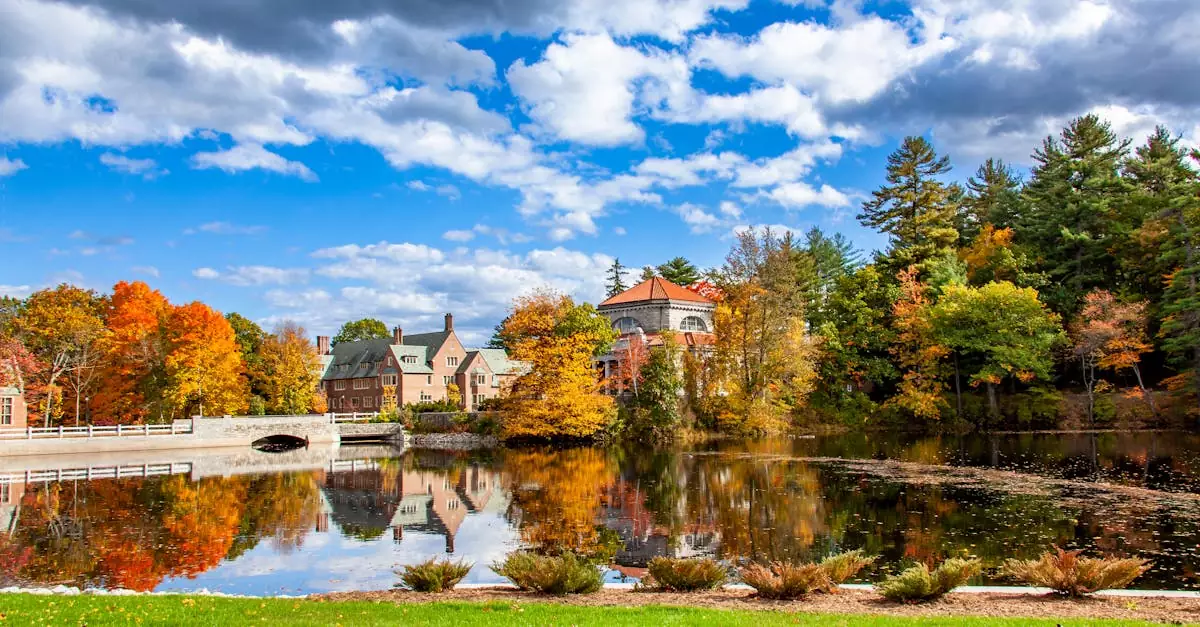
Concord, Massachusetts, stands as a cornerstone of American history, offering a tangible connection to pivotal moments and influential figures. For travelers seeking to immerse themselves in the nation’s founding narrative, this charming New England town provides an unparalleled experience. Planning a visit to Concord means stepping back in time to walk in the footsteps of revolutionaries and literary giants.
Minute Man National Historical Park: The Shot Heard ‘Round the World
The events of April 19, 1775, are indelibly etched into the fabric of the United States, and Minute Man National Historical Park preserves the battlegrounds where these critical moments unfolded. This expansive park stretches across Concord, Lexington, and Lincoln, encompassing the North Bridge, where colonial militia confronted British regulars, and the Bloody Angle, a site of intense fighting. Visitors can walk the same paths as Paul Revere and William Dawes, experiencing the landscape that witnessed the start of the Revolutionary War.
The park features several key sites, including the Minute Man Visitor Center, which provides excellent exhibits and orientation. The North Bridge itself is a powerful symbol, and standing there offers a profound sense of history. Ranger-led programs are often available, providing deeper context and engaging stories. Allow at least half a day to truly appreciate the significance of this area. Parking can be found at various points within the park, but during peak season, arriving early is advisable. This park is a must-visit for anyone interested in early American history and is often cited as one of the best historical towns in Massachusetts.
Orchard House: Louisa May Alcott’s Beloved Home
Step directly into the world of Louisa May Alcott and her iconic novel “Little Women” at Orchard House. This remarkably preserved home served as the Alcott family residence from 1857 to 1873 and is where Louisa wrote and set her most famous work. Unlike many historic house museums, Orchard House retains an astonishing amount of original furnishings and personal belongings, creating an intimate and authentic atmosphere.
Guided tours are essential for understanding the family’s life, their connections to Transcendentalist thinkers like Ralph Waldo Emerson and Henry David Thoreau, and the creative process behind Alcott’s enduring stories. You can see the very desk where “Little Women” was penned, along with family portraits and everyday objects that bring the past to life. The house is managed by a private foundation dedicated to preserving its legacy. It is conveniently located in the heart of Concord, making it easy to combine with other town attractions.
Walden Pond State Reservation: Thoreau’s Wilderness Retreat
Walden Pond State Reservation offers a serene natural setting that inspired Henry David Thoreau’s seminal work, “Walden; or, Life in the Woods.” Thoreau lived in a small cabin near the pond for two years, observing nature and contemplating self-reliance and simple living. Today, the reservation provides a tranquil escape and a chance to connect with the landscape that influenced one of America’s most profound thinkers.
While Thoreau’s original cabin is no longer standing, a commemorative replica marks the approximate site, offering a tangible link to his experiment in simple living. Visitors can walk or bike the trails surrounding the pond, swim in its clear waters during warmer months, or simply sit and reflect by its shores. The visitor center provides information on Thoreau’s life and philosophy. It’s a place for quiet contemplation and appreciation of the natural world, a different but equally vital aspect of American intellectual history. This site is a significant draw for those interested in American literature and philosophy, complementing the revolutionary history found elsewhere in the town.
Immersive American History Experiences in Concord
Concord, Massachusetts, stands as a cornerstone among the best historical towns in Massachusetts, offering a remarkably well-preserved glimpse into pivotal moments of American history. This charming New England town served as the backdrop for significant events during the Revolutionary War and became a haven for some of America’s most influential writers and thinkers. Visitors can step back in time through a variety of engaging experiences that bring the past to life.
Walking Tours of Revolutionary War Sites
To truly grasp the significance of Concord’s role in the fight for independence, a guided walking tour is essential. These tours often focus on the events of April 19, 1775, when colonial militia clashed with British regulars. You’ll walk the same paths as Paul Revere and the Minutemen, visiting key locations like the Old North Bridge, where the “shot heard ’round the world” was fired. Guides provide detailed accounts of the skirmishes and the area’s strategic importance, bringing the narrative to life with historical context and personal anecdotes.
Many tours begin near the Concord Visitor Center, offering a convenient starting point. Consider booking in advance, especially during peak season (summer and fall foliage). Comfortable walking shoes are a must, as you’ll be covering ground that echoes with centuries of history. The tours typically last 1.5 to 2 hours, making them a manageable yet deeply informative part of any visit to this historic New England town.
Literary Pilgrimages to Historic Homes
Concord’s rich literary heritage makes it a vital destination for American history travel enthusiasts. The town was home to Transcendentalist luminaries like Ralph Waldo Emerson, Henry David Thoreau, Nathaniel Hawthorne, and Louisa May Alcott. Visiting their preserved homes offers a unique opportunity to connect with the minds that shaped American literature and philosophy.
The Alcott House, part of Minute Man National Historical Park, allows visitors to see where Louisa May Alcott wrote Little Women. Nearby, Walden Pond offers a chance to reflect at the site of Thoreau’s famous experiment in simple living, though the reconstructed cabin is a replica. Emerson’s house, filled with original furnishings and books, provides insight into his intellectual life. These homes are not just buildings; they are portals into the creative processes and daily lives of figures whose works continue to resonate today.
- Logistics: Check the operating hours for each historic home, as they can vary seasonally. Some sites require timed tickets, so planning ahead is advisable.
- Budget: Admission fees for the homes are generally modest, contributing to preservation efforts. Consider purchasing a multi-site pass if available.
Hands-On History at the Concord Museum
For a comprehensive understanding of Concord’s historical tapestry, the Concord Museum is an indispensable stop. This museum houses an impressive collection of artifacts spanning Native American history, colonial life, the Revolutionary War, and the Transcendentalist movement. It’s a treasure trove that complements the outdoor sites by providing tangible connections to the past.
Highlights include Paul Revere’s lantern from the Old North Bridge, Thoreau’s furniture from Walden Pond, and a significant collection of Emerson family artifacts. The museum offers engaging exhibits that cater to all ages, making it an excellent place for families to learn about American history. Interactive displays and well-curated collections help contextualize the broader narrative of Massachusetts’ role in the formation of the United States.
The museum’s location in the heart of Concord makes it easily accessible on foot from many other attractions. It provides an excellent overview before or after visiting specific historical sites, allowing visitors to deepen their appreciation for the stories held within this significant town. Allow at least two hours to fully experience the museum’s offerings.
Planning Your Visit: Best Time and Logistics for Concord MA Attractions

Concord, Massachusetts, stands as a cornerstone among the best historical towns in Massachusetts, offering a profound journey into early American history. To fully appreciate its significance and attractions, strategic planning is essential. This section provides practical advice on timing your visit, navigating transportation, and finding suitable accommodations.
Seasonal Highlights: Spring Blooms to Autumn Colors
Each season offers a distinct charm for experiencing Concord’s historical sites. Spring, from April to May, brings the town to life with blooming flowers and milder temperatures, ideal for walking tours of the Revolutionary War battlefields and literary landmarks. Summer, from June to August, is peak tourist season, offering long daylight hours for extensive exploration, though it can be warmer and more crowded.
Autumn, particularly September and October, is arguably the most picturesque time to visit. The vibrant fall foliage dramatically enhances the scenery around Walden Pond and the historic homes, creating a stunning backdrop for your American history travel. Cooler weather makes outdoor activities comfortable. Winter, from December to February, is quieter, with fewer crowds and the possibility of snow, which can lend a serene, historical atmosphere to the landscapes, though some outdoor sites may have limited accessibility.
Getting to Concord: Driving, Train, and Local Transport
Concord is conveniently accessible, making it a straightforward destination for those seeking to explore New England towns.
- By Car: Concord is located about 20 miles west of Boston. Major routes like I-90 (Massachusetts Turnpike) and I-95 provide access. Driving allows for the most flexibility, especially if you plan to visit surrounding historical areas. Parking is available at major attractions but can be limited during peak season.
- By Train: The MBTA Commuter Rail Fitchburg Line offers direct service from Boston’s North Station to Concord. This is an excellent option for a day trip from the city, avoiding traffic and parking hassles. The Concord station is within walking distance of the town center and many key historical sites.
- Local Transport: Once in Concord, the town center is highly walkable. Many attractions, including the Minute Man National Historical Park visitor center, Concord Museum, and literary sites, are within easy reach on foot. For sites further afield, such as Walden Pond or Orchard House, consider ride-sharing services or local taxis, as public transportation within Concord itself is limited.
Accommodation Options: From Historic Inns to Cozy B&Bs
Concord offers a range of lodging options that complement its historical ambiance.
- Historic Inns: Several charming inns provide a step back in time, often located within walking distance of downtown attractions. These establishments typically feature period decor and personalized service.
- Bed & Breakfasts: For a more intimate experience, numerous B&Bs are scattered throughout Concord and its surrounding neighborhoods. They offer a cozy atmosphere and often include locally sourced breakfasts.
- Hotels: While Concord has fewer large chain hotels, nearby towns like Acton or Bedford offer more standard hotel accommodations, which can be a budget-friendly alternative if you don’t mind a short drive. Booking accommodations in advance is highly recommended, especially during the popular fall foliage season or on weekends.
Beyond the Main Attractions: Hidden Gems in Concord
While Concord, Massachusetts, is renowned for its pivotal role in American history, venturing slightly off the beaten path reveals a deeper layer of charm and local character. These lesser-known spots offer a more intimate connection with the town’s heritage and its present-day life, making your visit to one of the best historical towns in Massachusetts even more rewarding.
Sleepy Hollow Cemetery: A Resting Place of American Icons
Sleepy Hollow Cemetery is more than just a burial ground; it’s steeped in literary and historical significance. Famous residents like Ralph Waldo Emerson, Henry David Thoreau, Nathaniel Hawthorne, and Louisa May Alcott are interred here, their final resting places marked by simple, dignified headstones. Walking the winding paths, especially during autumn when the foliage is vibrant, offers a tranquil experience.
The “Author’s Ridge” is a must-see, drawing many visitors interested in American literature. The cemetery’s design, a beautiful example of rural cemetery landscaping, provides a peaceful environment for reflection. Allow at least an hour to wander and absorb the quiet atmosphere.
Concord’s Covered Bridges and Scenic River Walks
Concord’s natural beauty complements its historical significance, with opportunities for gentle exploration along its waterways. The town boasts picturesque river walks that follow the Sudbury and Concord Rivers, offering serene views and a chance to spot local wildlife. These paths are ideal for a leisurely stroll or a bike ride, providing a different perspective on the New England landscape.
While Concord doesn’t have large, iconic covered bridges like some other regions, smaller, charming crossings can be found, adding to the town’s rustic appeal. The Old North Bridge area, while a primary historical site, also offers access to trails that meander along the riverbanks, showcasing the natural environment that inspired many of its famous residents. Consider packing a picnic to enjoy by the water.
Local Artisans and Independent Bookstores
Concord’s vibrant community life is evident in its thriving local artisan scene and independent bookstores, which offer a more personal shopping experience than typical tourist shops. Browsing these establishments provides a glimpse into the town’s creative spirit and a chance to find unique souvenirs. You’ll discover handcrafted jewelry, pottery, and artwork that reflect the region’s aesthetic.
Several independent bookstores dot the town center, continuing Concord’s legacy as a hub for writers and thinkers. These shops are treasure troves for book lovers, stocking everything from local history titles to contemporary bestsellers. Spending an afternoon browsing these literary havens is a delightful way to connect with the town’s intellectual heritage and perhaps find a new favorite read.
Frequently Asked Questions About Visiting Concord’s Historical Sites
Planning a trip to one of the best historical towns in Massachusetts often brings up practical questions. Concord, a cornerstone of American history travel, is no exception. Here’s a quick guide to common queries for visitors.
What are the opening hours for Concord’s historical attractions?
Opening hours for Concord’s historical attractions can vary by season and specific site. Generally, most sites, including Walden Pond State Reservation, Minute Man National Historical Park, and The Old Manse, open around 9:00 AM or 10:00 AM and close between 4:00 PM and 5:30 PM. It’s always best to check the official website for each attraction shortly before your visit, as hours can change. Some outdoor areas, like Walden Pond, are accessible for longer periods, though visitor centers and specific buildings have set hours.
Are there guided tours available for families?
Yes, guided tours are an excellent way to engage with Concord’s rich past, especially for families. Minute Man National Historical Park offers ranger-led programs and guided walks that cater to different age groups. The Concord Museum also provides guided tours that delve into the artifacts and stories of the town’s revolutionary spirit. Many historical homes, like The Old Manse, offer docent-led tours that bring their literary and historical significance to life. Inquire directly with each site about family-specific programming or tours suitable for younger visitors.
What are the best local restaurants for traditional New England fare?
Concord offers a range of dining options, with several establishments focusing on traditional New England cuisine. For classic dishes like clam chowder, baked beans, or fresh seafood, look for restaurants that highlight local ingredients. The Colonial Inn in Concord is a historic landmark with a well-regarded dining room that often features regional specialties. Other local eateries and cafes also provide hearty, comforting meals that represent New England cooking. Many places offer seasonal menus that showcase the best of what the region has to offer throughout the year.
How much time should I allocate for a day trip to Concord?
A day trip to Concord can be rewarding, but to truly appreciate its historical significance, consider dedicating a full day. This allows time to visit at least two or three major sites, such as Minute Man National Historical Park, Walden Pond, and perhaps The Old Manse or Concord Museum. If you wish to explore more deeply, including browsing the shops in the charming downtown area or enjoying a leisurely meal, an overnight stay might be more suitable. For a comprehensive experience covering the core American history sites, aim for at least six to eight hours.