Deciding the best time to visit Helsinki depends on the experience you want: long, luminous summer days filled with festivals and outdoor cafés, crisp autumn walks through colorful parks, or the magical, snowy quiet of a Nordic winter. This guide will help you pick the ideal month for your trip by breaking down seasons, weather patterns, costs, and crowd dynamics so you can plan with confidence.
Helsinki’s climate and rhythm change dramatically across the year, so whether you’re tracking Helsinki weather trends, budgeting for Helsinki travel cost, or avoiding the busiest parts of the tourist season, this article provides practical, season-by-season advice and travel tips for making the most of Finland’s capital.
Overview: What “best time” really means for different travelers
“Best time” is subjective. For culture and festivals, summer—especially late June to August—offers the richest calendar, including Midsummer celebrations and outdoor concerts. If you want lower prices, fewer crowds, and crisp, colorful scenery, consider shoulder seasons in May–June or September–October. For winter activities like ice skating, saunas, and snowy cityscapes, December through February is unbeatable.
Think about daylight and temperature preferences. Helsinki sits at a high latitude, so daylight hours swing widely. Long daylight in summer (up to 19 hours) benefits sightseeing and island hopping, while short winter days create a cozy, atmospheric city best enjoyed with warm layers and indoor attractions.
Seasonal breakdown: spring, summer, autumn, winter
Spring (April–May): Spring arrives gradually. March can still feel wintry, but by April and May parks and waterfronts begin to green. Temperatures hover from near-freezing early on to 8–15°C (46–59°F) by late spring. This season is great for seeing the city come to life, with fewer tourists and lower accommodation costs than summer.
Summer (June–August): Summer is peak Helsinki tourist season. Average highs reach 20–23°C (68–73°F), and long daylight hours make outdoor dining and island excursions very appealing. Expect more crowds and higher prices, but also the liveliest cultural program of the year.
Autumn (September–October): Early autumn often offers pleasant days and spectacular foliage. Temperatures cool from the low teens down to near freezing by late October. Tourist numbers decline after August, and prices ease—an excellent time for museums, local markets, and relaxed walking tours.
Winter (November–March): Winters are cold and short on daylight, with temperatures frequently below freezing and occasional heavy snow. This is the season for cozy cafés, thermal experiences, and winter activities like cross-country skiing and ice skating. If you’re chasing festive markets and possible Northern Lights displays in northern Finland, December and January are atmospheric choices.
Helsinki weather month by month: what to pack and expect
Knowing typical Helsinki weather by month helps with packing and itinerary planning. January and February are the coldest months with short daylight; pack a warm, insulated coat, hat, gloves, and waterproof footwear. March–May sees gradual thaw and spring layers become practical. June–August are mild to warm—light layers, a rain jacket, and comfortable walking shoes are enough for most days. September–November requires waterproof outerwear as rain and wind increase. Always have a compact umbrella and windproof layer available.
For precise, up-to-date forecasts and climate information, check official resources such as the Finnish Meteorological Institute for current conditions and long-term averages before travel.
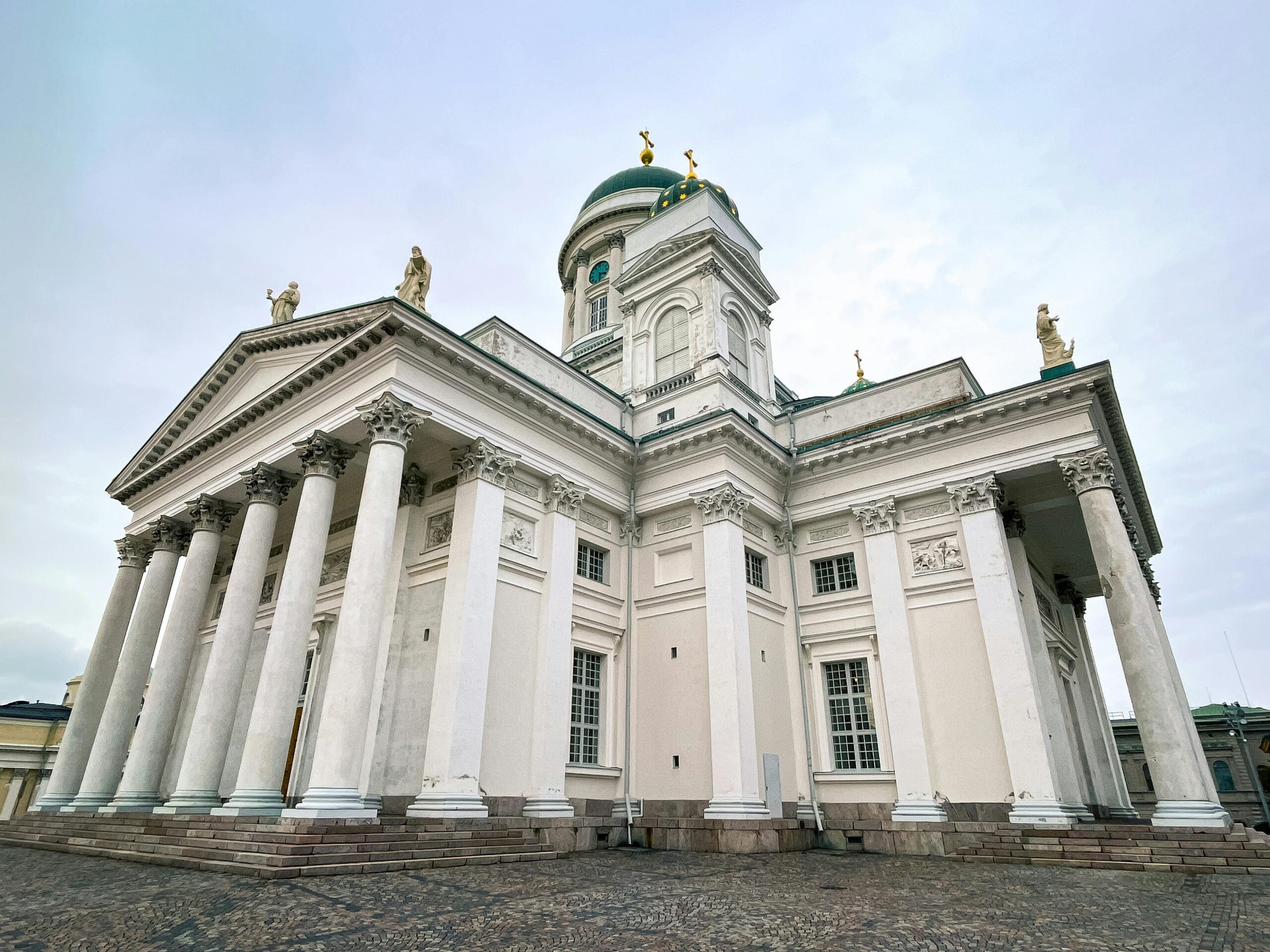
Events, festivals and local highlights by season
Summer brings the Helsinki Festival, open-air concerts, and vibrant nightlife around Market Square and the Esplanade. Midsummer (Juhannus), in late June, is a major national celebration with many locals leaving the city for lakeside cottages, but Helsinki still offers events and a festive atmosphere.
Autumn features design and cultural gatherings and quieter museum visits. The Lux Helsinki light festival in January brings creative installations that brighten dark winter evenings. December is known for warm, traditional Christmas markets where you can sample mulled wine and Finnish holiday treats.
Budgeting for different seasons: Helsinki travel cost explained
Helsinki travel cost varies by season. Summer, the city’s tourist season peak, typically has the highest accommodation and airfare rates. Budget travelers find better deals in spring and autumn—shoulder seasons bring lower hotel rates and fewer crowds at major attractions. Winter can be a mixed bag: pre-Christmas dates may be pricey, but January and February often offer discounts.
Expect prices roughly as follows: budget hotels and hostels are cheapest in shoulder months, mid-range hotels increase notably from late June through August, and luxury hotels are most expensive during festival weekends. Dining and public transport costs remain fairly stable year-round; Helsinki’s compact size makes it easy to save on transit by walking or cycling in warmer months.
Avoiding crowds and choosing the right itinerary for your goals
To avoid the busiest periods, plan visits during mid-week and travel in May, early June, or September. These months combine pleasant Helsinki weather with manageable visitor numbers. If you prefer winter charm without the busiest holiday dates, try late January or February when snow is likely and city life continues at a local pace.
For island hopping and outdoor activities, prioritize June–August. For museum-focused trips and culinary exploration, shoulder seasons offer shorter lines and more table availability. Wherever you go, book popular tours and specialty restaurants in advance during summer.
Practical tips: transport, day trips, and safety across seasons
Getting around Helsinki is easy year-round. The tram network and metro serve central areas, while ferries provide access to nearby islands like Suomenlinna. In winter months, punctual public transport, salt and grit on sidewalks, and heated indoor public spaces make city travel manageable; bring traction-friendly footwear for icy patches.
Consider day trips to Porvoo for a historic town vibe, to Nuuksio National Park for nature hikes (best late spring to early autumn), or longer journeys north if you want to chase aurora opportunities—those are typically outside Helsinki but accessible by a short flight or overnight train.
For official travel and visitor information, the national tourism organization offers helpful planning tools and tips for visitors.
FAQs
When is Helsinki the warmest?
The warmest months are typically July and early August, with average daytime temperatures around 20–23°C (68–73°F). Heatwaves can push temperatures higher, but evenings remain pleasantly cool thanks to sea breezes.
Is winter worth visiting Helsinki?
Yes. Winter in Helsinki is atmospheric and ideal for cosy indoor experiences, saunas, winter markets, and snowy parks. If you enjoy short daylight and crisp cold, winter provides unique cultural scenes and fewer tourists.
How much should I budget per day in Helsinki?
Daily costs vary by travel style: budget travelers might manage on €50–€80 per day using hostels and public transit, while mid-range travelers should budget €120–€200 for a comfortable hotel, meals, and paid activities. Expect higher accommodation prices in peak summer.
What months have the most daylight in Helsinki?
Late June offers the most daylight, with long, bright evenings that can extend activity hours. This is ideal for outdoor sightseeing, boat trips, and celebrating Midsummer events.
Are there quieter alternatives to summer for good weather?
Yes—late May and September often deliver mild, pleasant days with far fewer tourists than July. These shoulder months strike a good balance between favorable Helsinki weather and lower prices and crowds.
Conclusion
Choosing the best time to visit Helsinki comes down to your priorities: peak summer for sunlight, festivals, and island life; shoulder seasons for milder weather, lower Helsinki travel cost, and fewer crowds; or winter for snow, indoor cultural experiences, and a different kind of Nordic charm. Check current Helsinki weather forecasts close to travel, and consult official resources for events and travel advice to fine-tune your plans. With the right timing, Helsinki offers memorable cityscapes and cultural experiences year-round.
For updated travel inspiration and practical visitor guidance, you can consult national visitor information pages and official weather services before booking your trip.
Visit Finland’s travel pages provide up-to-date event listings and seasonal highlights.
Finnish Meteorological Institute offers reliable forecasts and climate information to help you pack and plan appropriately.