
Planning a trip to the Philippines? The best time to visit Palawan hinges on what you want from the islands—calm seas for island hopping, clear water for diving, or quieter beaches for a relaxed getaway. In this guide I’ll walk you through month-by-month weather patterns, regional differences, and practical travel tips so you can choose the ideal window for your Palawan trip.
This palawan weather travel season guide is based on official climate data and tourism board guidance, distilled into straightforward recommendations for each type of traveler—families, divers, budget travelers, and photographers. Expect clear explanations of seasons, typical rainfall, sea conditions, and how crowds and prices change through the year.
Understanding Palawan’s climate and travel seasons
Palawan’s climate is tropical maritime: warm year-round with average temperatures usually between 24°C and 32°C (75°F–90°F). The archipelago experiences a distinct dry season and a wet season, but the timing and intensity vary across the island chain. The main travel seasons are:
- Dry season (generally November to May): the most popular time for tourism, with sunnier days, lower chance of heavy rain, and calmer seas—ideal for island hopping and beach activities.
- Wet season (June to October): characterized by increased rainfall, occasional heavy downpours, and a higher chance of tropical storms/typhoons depending on the year. Sea conditions can be rough and visibility for diving may decrease after storms.
- Shoulder months (November and May): transitional months that can offer a balance—fewer crowds than peak months but mostly favorable weather.
Official weather data show that wind patterns and localized rainfall can affect the western (Sulu Sea) and eastern (Philippine Sea) sides differently, so checking regional forecasts before you travel is always wise.
When is the absolute best time to visit Palawan?
For most travelers, the prime months are December through April. These months deliver the most consistent sunshine, the calmest seas for island hopping to destinations like El Nido and Coron, and the best underwater visibility for snorkeling and scuba diving. Peak season tends to fall around December to March, with holiday demand in December and January.
If you want fewer crowds but still largely dry weather, consider late November or May. November often marks the transition into drier conditions while May is near the end of the dry season—both can be good for lower prices and quieter beaches, but occasionally bring brief showers.
Regional weather differences across Palawan
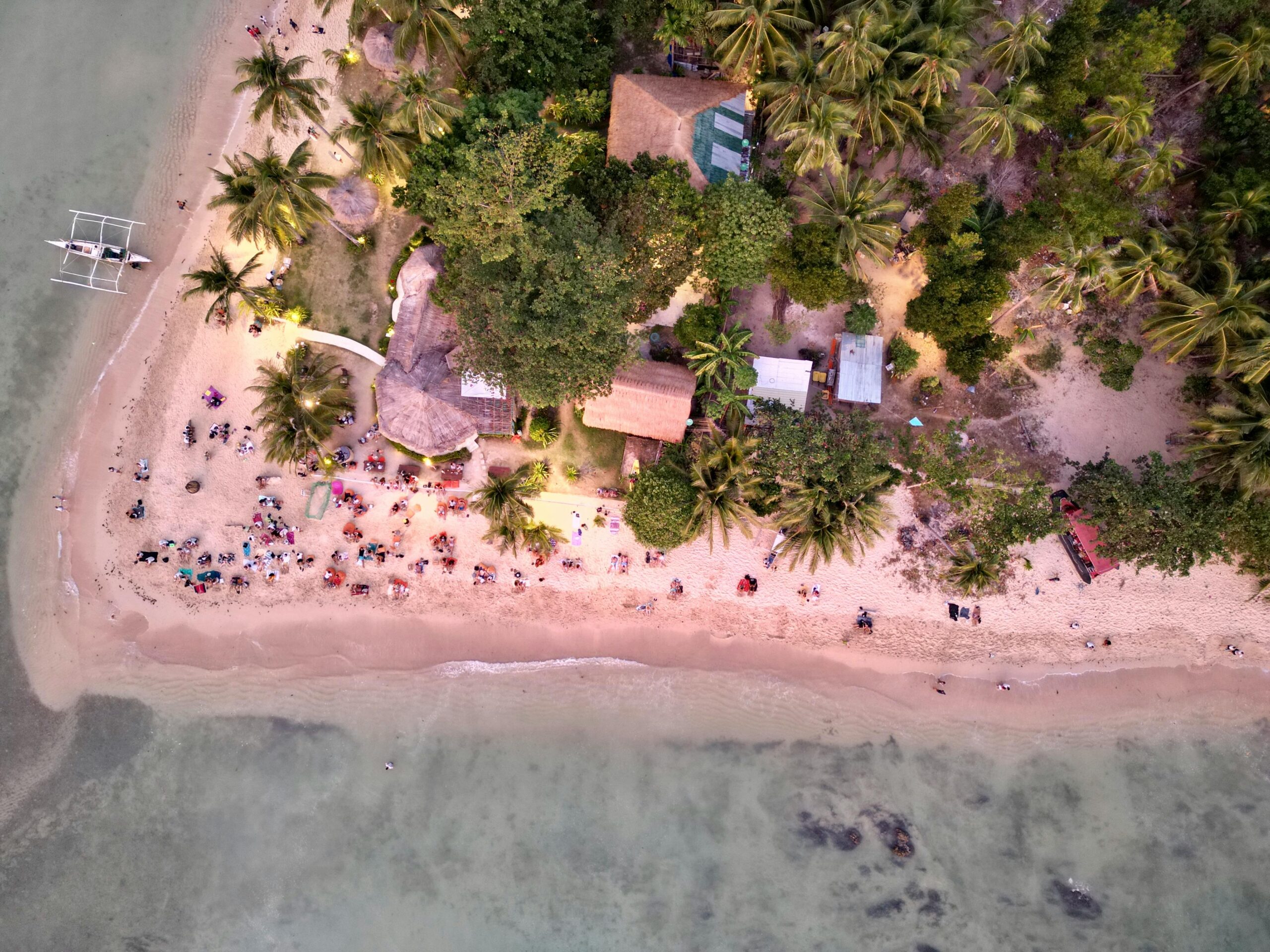
Palawan is long and geographically varied—weather can differ between the northern islands (El Nido), central corridor (Puerto Princesa), and southern reaches (Port Barton, Balabac). Understanding these differences helps you plan a route that matches seasonal conditions:
- El Nido and the Bacuit Archipelago (north): Popular for dramatic limestone karsts and world-class snorkeling. These northern islands enjoy excellent conditions during the dry season; however they can be more exposed to northeasterly winds in certain months.
- Coron and Busuanga (north-central): Renowned for wreck diving and clear lagoon water. Best visited in the dry season for maximum visibility, especially from January to April.
- Puerto Princesa (central): The largest urban hub with the Underground River. Weather here is fairly consistent with the rest of Palawan, but rain and wind direction can vary; it’s a practical base for onward travel.
- Port Barton and Southern Palawan (south): These areas can sometimes remain calmer later into the year and are a good bet if you’re looking for quieter beaches during shoulder months.
Because of these microclimates, tailor your itinerary to the part of Palawan you plan to explore rather than treating the whole island as one uniform destination.
Activities by season: what’s best when
Match your trip purpose to the season to get the most out of Palawan’s natural offerings:
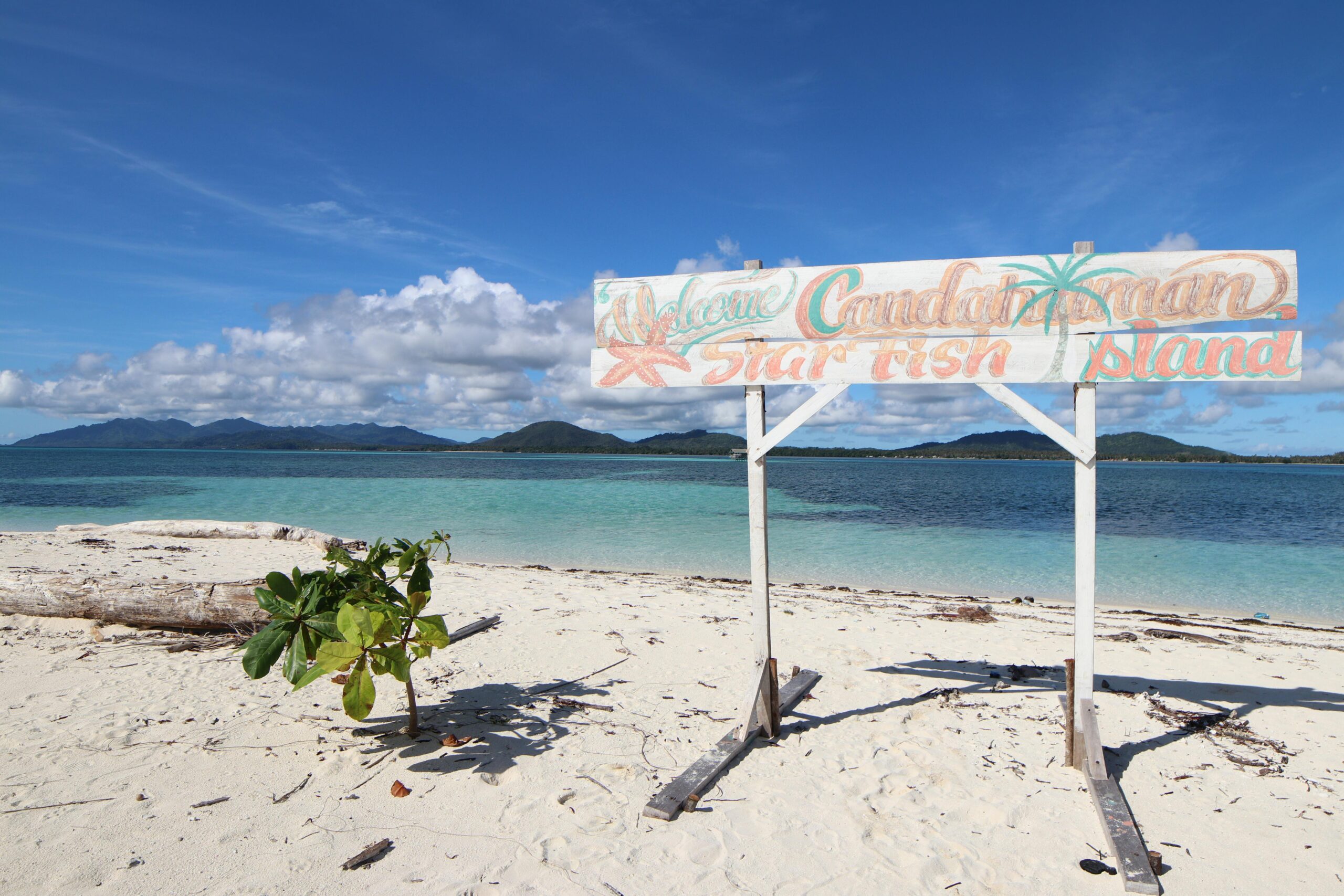
- Island hopping and beach days: November–May, when seas are calmest and ferries run reliably. Expect mirror-like water and easy landings at small islands and sandbars.
- Scuba diving and snorkeling: January–April typically offers the best underwater visibility, particularly around Coron’s wrecks and El Nido’s reefs. Post-monsoon months can have clearer water as sediments settle.
- Wildlife and mangrove tours: The wet season increases freshwater runoff and can boost mangrove growth and bird activity, but access may be limited by tides and rainfall.
- Cave and river tours (like the Puerto Princesa Subterranean River): These run year-round, but heavy rains can affect boat operations and cave access—dry months are more reliable for on-time departures.
- Surfing and adventurous sailing: Southern Palawan sees more consistent swells during certain months; if you’re pursuing surf or longer open-water sailing, consult local operators about seasonal windows.
For a sample of accommodations and activity packages tailored to these seasons, many travelers research options on travel booking sites before finalizing dates; a quick search can help compare availability and prices.
Practical travel tips: crowds, costs, and packing
When choosing dates, balance weather and budget. Peak season (December–March) brings higher prices for flights and hotels and busier tour operator schedules. Shoulder months like November and May can offer savings while still providing good weather. If traveling during the wet season, expect more flexible pricing but prepare for occasional cancellations due to storms.
Packing checklist for Palawan by season:
- Dry season essentials: light breathable clothing, reef-safe sunscreen, polarized sunglasses, hat, reef shoes for rocky landings, and a dry bag for island trips.
- Wet season additions: waterproof outer layer, quick-dry clothes, insect repellent, and flexible booking for tours. Bring motion-sickness medication if you’re sensitive to rougher seas.
- Dive/snorkel gear: you can rent most gear locally, but if visibility and fit matter to you, bringing your own mask and snorkel is advisable.
- Safety and health: basic first-aid kit, any prescription medications, and hydration supplies—heat and humidity make staying hydrated crucial year-round.
Local holidays and festival dates can affect availability and pricing—research national and regional events before locking in travel. For booking hotels and comparing options across Palawan, many travelers begin their search with comprehensive booking platforms to see property photos, reviews, and real-time availability; this can help you pick dates that match both weather and budget compare accommodation options in Palawan.
How to handle weather-related risks and cancellations
Tropical systems can be unpredictable. If you are traveling in the wet season (June–October), build flexibility into your schedule. Allow buffer days around key tours—boat trips are commonly cancelled for safety when winds and seas are rough. Insurance that covers trip interruption and weather cancellations is a wise investment for travel during the rainy months.
Local tour operators and hotels often follow advisories from national meteorological services and port authorities. If you need to rearrange internal travel (ferries, flights), contact providers early—the earlier you rebook, the better the options for alternative routes. For long-term planning, keep an eye on climate summaries from official agencies, as they publish seasonal outlooks that help identify likely windows for calmer weather.
Comparison: months at a glance
| Month | Typical weather | Crowds & prices | Recommended for |
|---|---|---|---|
| January–March | Dry, sunny; calm seas; excellent visibility | High; peak prices and busy tours | Island hopping, diving, photography |
| April | Hotter, still generally dry; occasional squalls | High; approaching shoulder season | Beach time, water sports |
| May | Transitional; warm with short rain showers | Lower than peak; good deals | Budget trips with decent weather |
| June–August | Onset of rainy season; variable showers and storms | Low to moderate; fewer tourists | Lower-cost travelers, off-season exploration |
| September–October | Wettest months typically; higher chance of storms | Low; many services run reduced schedules | Experienced travelers prepared for rain |
| November–December | Transition back to dry; improving conditions late Nov | Rising; holiday spikes in Dec | Early dry-season advantages, festive travel |
Booking and logistics: transportation, permits, and accommodations
Domestic flights are the fastest way to reach Palawan from Manila or Cebu. Flights land at Puerto Princesa, El Nido, and Coron (Busuanga) depending on your destination. Ferries and fast craft connect many islands but are subject to cancellations in rough weather—build schedule flexibility into island-hopping plans.
Some popular attractions and protected areas require permits or have daily visitor limits. For example, certain marine parks and island tours use quota systems to limit environmental pressure; checking with local tourism offices or tour operators ahead of time ensures you can secure permits on the dates you want. If you prefer to shop around and compare lodging options across Palawan before committing, use a reliable booking site to view reviews and secure refundable rates when possible search hotels and guesthouses.
When arranging inter-island transfers, note that sea travel times can be longer than they appear; allow ample transfer time for same-day flight connections. If you are traveling during peak season, book accommodations and tours well in advance—popular island-hopping tours and dive trips can sell out.
FAQs
What month has the best weather in Palawan?
The clearest and most consistently pleasant weather typically falls between December and April. January to March often provide the calmest seas and the best underwater visibility, making those months optimal for diving and island-hopping.
Is it safe to travel to Palawan in the rainy season?
Travel is possible during the rainy season (June–October), but you should expect more frequent rain, a higher chance of storm-related cancellations, and rougher seas. If you travel in this period, maintain flexible plans, book refundable services where possible, and carry travel insurance that covers weather-related interruptions.
Which part of Palawan is best for diving year-round?
Coron is famous for wreck diving and tends to offer good diving opportunities during the dry season (January–April). Visibility varies seasonally, so if diving is your priority, plan for the dry months when visibility and sea conditions are generally optimal.
How far in advance should I book accommodations and tours?
For travel during the dry season and holidays, book accommodations and popular tours (like island-hopping or dive trips) at least 2–3 months in advance. For shoulder months, 4–6 weeks may suffice, while the wet season often allows last-minute bookings but comes with higher risk of cancellations.
Are there months to avoid because of typhoons?
While Palawan is less frequently hit by typhoons than parts of northern Philippines, the western Pacific typhoon season peaks from July to October. Avoiding these months reduces the risk of encountering severe weather; if you travel during this period, monitor official weather advisories closely and keep travel plans flexible.
Conclusion
Choosing the best time to visit Palawan depends on your priorities: for reliable sunshine, calm seas, and prime diving, aim for December through April; for lower costs and quieter beaches with some rainfall risk, consider shoulder months like November or May; and if you’re comfortable with unpredictable weather and potential schedule changes, the wet season can offer savings and a different, greener side of the islands.
Use the month-by-month comparison, regional notes, and activity-season mapping in this guide to match your itinerary to Palawan’s conditions. Always check official weather advisories, confirm bookings and permits ahead of arrival, and prepare a flexible plan so you can enjoy Palawan’s stunning limestone cliffs, marine life, and beaches with confidence.