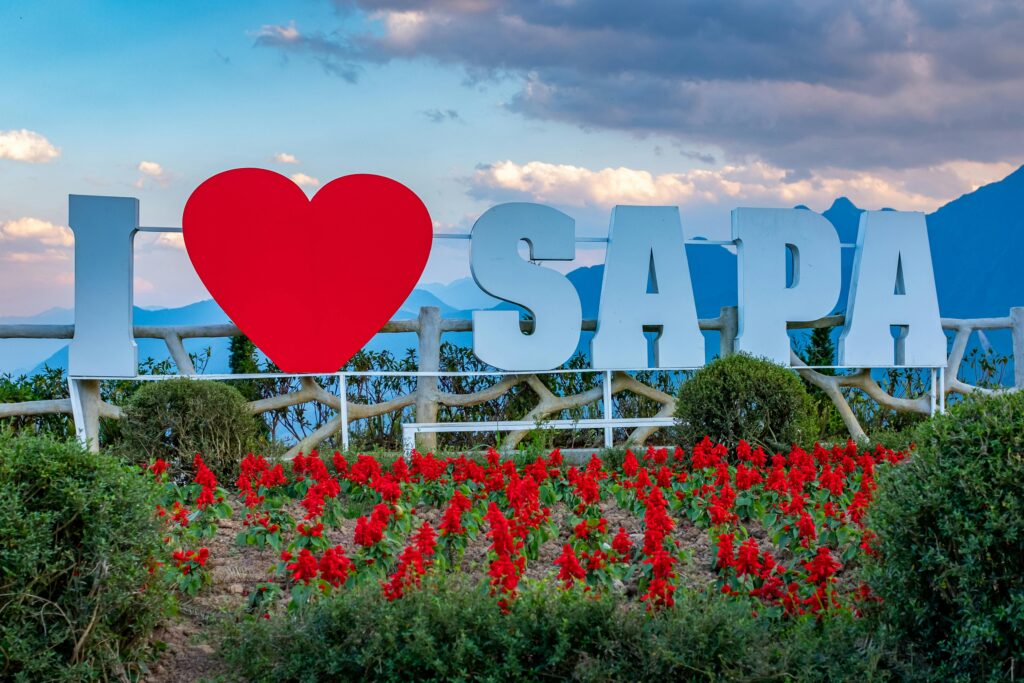
Sapa trekking tour price is one of the first questions travelers ask when planning a visit to this mountainous area of northern Vietnam. Whether you are comparing a day trek from town, a multi-day overnight hike with homestays, or a private guided route through terraces and minority villages, understanding how operators price tours in Sapa helps you budget accurately and pick the best value for your needs.
This guide compiles licensed operator practices, current local cost drivers and practical examples so you can compare options and decide what level of comfort, duration and inclusions match your budget. Data is based on licensed trekking operators and guidance from the Vietnam tourism authority; it is intended to clarify typical price ranges rather than quote a single fixed rate.
Overview: typical price ranges for Sapa trekking
Prices for Sapa trekking vary widely by length, group size, accommodation standard and inclusions. A short day trek out of Sapa town commonly costs between US$10–US$40 per person when booked locally, while guided full-day trips with private transfers can reach US$50–US$80. Overnight treks with homestays or basic lodges typically start around US$40–US$80 per person for a one-night package, while two- to three-night treks with private guides, porter support and upgraded homestays or tea-house rooms commonly fall into the US$120–US$300 range.
At the upper end, private multi-day treks that include private transport from Hanoi or Lao Cai, a private guide and higher-standard mountain lodging can be US$300–US$600+ per person. Conversely, budget-conscious independent trekkers who hire local guides and use community homestays can keep costs noticeably lower. These ranges reflect licensed operator pricing structures and the variable choices travelers make about comfort and support.
How Sapa trekking tour price is calculated
Understanding the components that make up the Sapa trekking tour price helps you compare quotes fairly. Most operators itemize the following elements:
- Guide fee — licensed guides with language skills command higher rates than local guides hired per day.
- Transportation — shuttle buses, private cars, or transfers from Hanoi/Lao Cai add significant cost for door-to-door multi-day packages.
- Accommodation — homestays, guesthouses, or private rooms influence price; upgraded homestays and private bathrooms cost more.
- Meals — some packages include all meals; others include only breakfast, which reduces the per-person price but increases out-of-pocket expenses on the trail.
- Permits and park fees — usually modest but sometimes added as a separate line item for national park access or village contributions.
- Support staff and extras — porters, horse hire, entrance fees to attractions and insurance are sometimes optional add-ons.
For comparative booking and planning, many travelers prefer packaged rates that state “all-inclusive” or “meals and transfers included.” When booking online, carefully read what is included; local office prices can be lower because operators omit international booking platform fees and commissions.
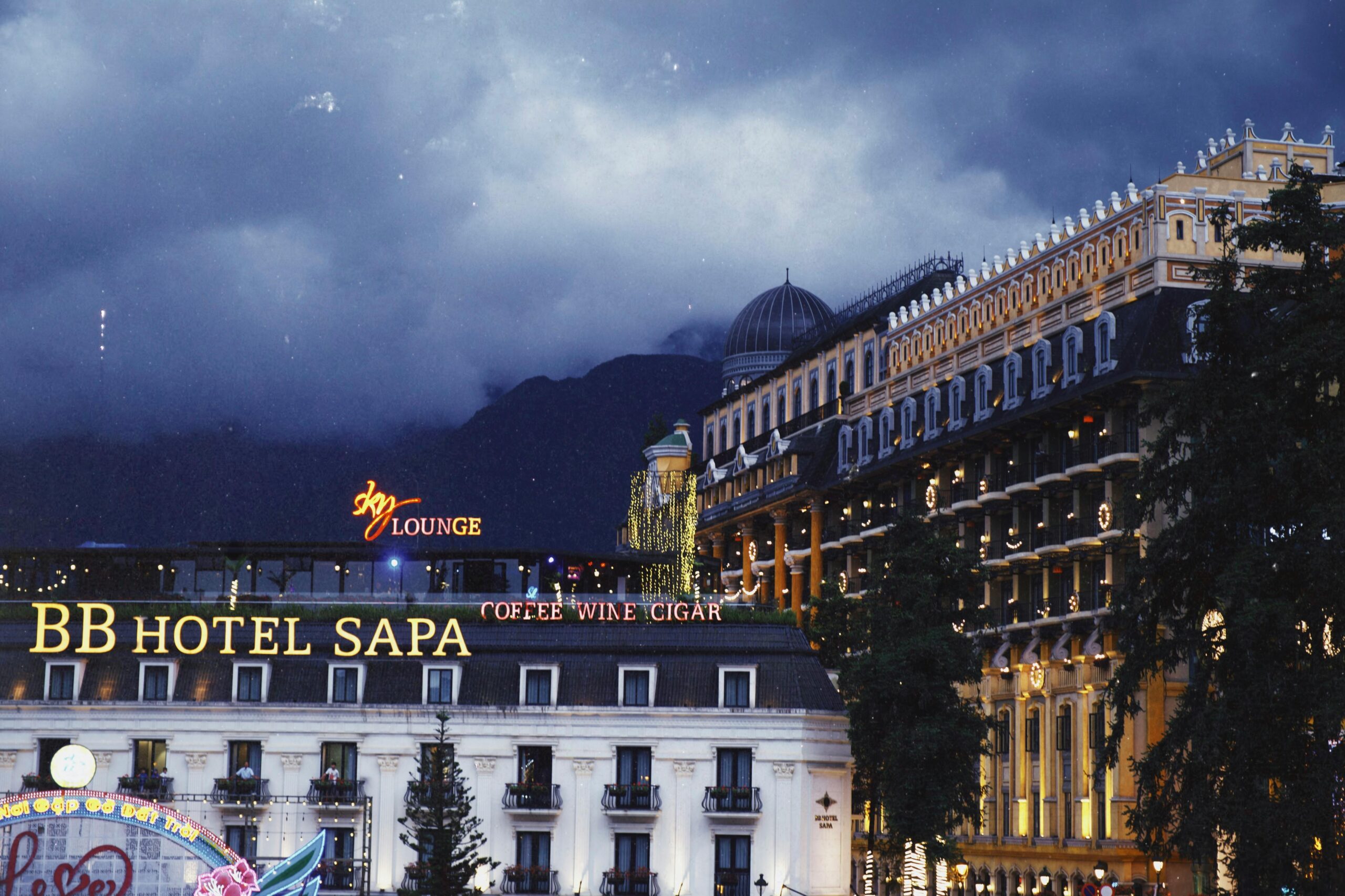
Key factors that change the price
Several predictable factors consistently push Sapa trekking tour price up or down. Knowing these will help you tailor your itinerary to budget and priorities:
- Seasonality: High season (September–November and March–May) draws higher rates because demand for clear weather and rice terrace views increases. Festive periods like Lunar New Year can also carry surcharges.
- Group size: Per-person price drops with larger groups. Solo travelers typically face higher single-supplement fees for private guides or private rooms.
- Length and route complexity: Longer treks and remote routes that require extra nights, porters or camping gear raise costs compared with short village loops.
- Accommodation standard: Community homestays are budget-friendly, while boutique lodges, private bungalows or upgraded homestays increase the price considerably.
- Transport origin point: Transfers from Hanoi or private car hire to remote trailheads add substantially to total cost compared with arranging transport from Sapa town.
- Guide qualifications and languages: English-speaking or certified mountain guides command higher fees than local guides working without certification.
Travelers who want a transparent quote should ask for a cost breakdown that lists transport, guide, meals, accommodation and any optional extras separately. That reduces surprises and helps identify where to save or where to invest for comfort and safety.
Typical itineraries and sample costs
Below are representative sample itineraries based on licensed operators’ offerings. Prices are given in approximate USD and meant as a planning guide; actual rates may shift seasonally and by operator.
- Half-day village walk (3–5 hours): US$10–US$35 — Includes local guide and basic refreshments; suitable for travelers short on time or acclimatizing.
- Full-day trek to Muong Hoa Valley (6–8 hours): US$25–US$80 — Includes guide, village visits, packed lunch or local meal; higher rates include private transfer from/to Sapa town.
- One-night homestay trek (2 days / 1 night): US$40–US$120 — Typical inclusions: guide, homestay dinner and breakfast, basic sleep arrangements, sometimes shuttle to trailhead.
- Two-night mixed trek with homestays (3 days / 2 nights): US$90–US$250 — Often includes licensed guide, homestays, meals, porters for gear and transfers from Sapa or Lao Cai. Prices vary with group size and room standard.
- Three-night private trek with upgraded lodging (4 days / 3 nights): US$200–US$600+ — Usually includes private transport from Hanoi or Lao Cai, higher-standard homestays or guesthouses, private guide, and sometimes cultural experiences or cooking classes.
To compare current packaged options and verified operator listings, travelers often review curated platforms with user reviews and cancellation terms before booking; these platforms list a wide range of Sapa experiences so you can compare similar itineraries side by side.
For travelers seeking curated listings and multiple operator choices, consult reputable booking platforms to compare schedules and transparent inclusions before committing to a vendor.
Comparison: budget, mid-range and premium trekking options
| Category | Average price (USD) | Typical inclusions | Best for |
|---|---|---|---|
| Budget day/one-night | $10–$60 | Local guide, basic meals, shared homestay | Independent travelers, short stays |
| Mid-range 2–3 nights | $90–$250 | Licensed guide, transfers, meals, homestays, porter | Couples, small groups seeking comfort and community |
| Premium private 3+ nights | $300–$600+ | Private transfers, upgraded lodging, private guide, tailored routes | Families, private groups, luxury seekers |
This table is designed to help you match expectations to budget quickly. Consider that local negotiation or off-season timing can reduce mid-range prices by 10–30 percent, while last-minute peak-season bookings may exceed the upper end.
What’s usually included and optional extras
Most licensed operators publish a clear inclusions list. Common items bundled into the Sapa trekking tour price are:
- Licensed English-speaking guide (for mid-range and premium options)
- Shuttle transfers between Sapa town and trailheads
- Meals listed in the itinerary (often dinner and breakfast for overnight treks)
- Community homestay accommodation or guesthouse rooms
- Porter or horse services (sometimes optional)
- Park fees or village access fees where applicable
Optional extras that typically increase the final price include:
- Private transport from Hanoi or Lao Cai station
- Upgraded homestay room or private bathroom
- Insurance covering trekking-specific risks
- Special activities such as cooking classes, cultural shows, or boat trips to local lakes
- Emergency evacuation coverage or private medical kits
When comparing quotes, pay attention to whether meals are included (and how many), whether transfers are door-to-door, and whether single-room supplements apply for solo travelers. These line items are the most common sources of confusion and hidden cost.
How to book and practical tips to reduce costs
Booking directly with licensed local operators in Sapa often yields the best value, while international booking platforms provide convenience and warranty via reviews and customer protections. For a quick look at multiple operator options and verified traveler reviews, dedicated tour platforms list multiple Sapa packages side by side.
To lower the Sapa trekking tour price without sacrificing safety:
- Travel off-peak (avoid September–November weekends and spring holidays) to access lower rates and better availability.
- Join small group departures rather than private treks to share guide and transport costs.
- Choose basic homestays rather than upgraded private rooms; opt for shared dorm-style arrangements where available.
- Negotiate multi-day discounts if booking several treks or services with the same operator.
- Book transfers from Sapa town rather than from Hanoi if your schedule allows; this reduces long-distance transport costs.
For an immediate comparison of available tours and up-to-date pricing, consider viewing operator listings on reputable booking sites that aggregate schedules and traveler reviews. Reading recent guest feedback helps confirm that an operator’s claimed inclusions match reality and provides insight on guide quality and homestay standards.
To compare current options quickly, you can view a wide selection of Sapa tour packages and verify inclusions on a recognized platform listing Sapa activities and itineraries.
Browse Sapa tour options on GetYourGuide
FAQs
How much should I expect to pay for a safe, licensed guide in Sapa?
Licensed guides with English skills typically raise the total Sapa trekking tour price but improve safety and interpretation. Expect to pay more for certified guides on multi-day itineraries; a licensed guide may add US$15–US$50 per day to the per-person cost depending on whether the booking is private or part of a small group. Licensed operators usually include guide fees in their package price for transparency.
Are homestays cheap and what should I budget for them?
Community homestays are often the most cost-effective accommodation option and provide cultural immersion. Basic homestays with shared facilities can be included in one-night packages starting as low as US$40 per person, while upgraded homestays with private rooms and bathrooms usually appear in mid-range packages of US$80–US$150 per person for similar durations. Always check room standards and whether bedding and meals are included.
Do I need to tip my guide and porter, and how much is appropriate?
Tipping is appreciated though not mandatory. For day treks, a few dollars per person is common; for multi-day treks a tip of US$5–US$10 per day for guides and US$3–US$7 per day for porters is a helpful guideline. If your operator includes a gratuity pool or suggests specific amounts, follow their guidance. Tip in local currency where possible to simplify transfers.
Is it cheaper to book in Sapa or online in advance?
Booking in person in Sapa can be cheaper because it avoids platform commissions; however, advance online booking provides confirmed availability and a written itinerary. During high season or for specific dates, online booking secures spaces and may include added protections like clear cancellation policies. Compare local office prices on arrival with pre-booked online rates to choose the best balance of price and certainty.
What is the best way to compare itineraries and verify operator reliability?
Compare itineraries by checking inclusions (meals, transfers, guide certification, accommodation standards) and reading recent traveler reviews for on-the-ground reports of guide quality and homestay conditions. Reputable listing platforms aggregate multiple operators and show verified reviews; local tourism offices can also confirm licensed operator status. Always request a written confirmation that lists what the Sapa trekking tour price covers before paying.
Conclusion
Sapa trekking tour price depends on duration, accommodations, transport origin, group size and the guide’s qualifications. Budget day walks and basic homestays provide low-cost access to Sapa’s scenery, while multi-day private treks with upgraded lodging and private transfers are correspondingly more expensive. Request itemized quotes from licensed operators, check recent guest reviews and compare a few packages to match price with the inclusions you value most.
Using the planning advice and sample ranges in this guide will help you estimate realistic costs and negotiate transparent packages. If you prefer to review multiple operators quickly and see current inclusions and schedules, consult curated listings that show side-by-side options and traveler feedback to find the best Sapa trekking experience for your budget and comfort level.
Data in this guide reflects practices of licensed trekking operators and guidance from the Vietnam tourism authority to provide a reliable baseline when evaluating Sapa trekking options.
See current Sapa tours and compare packages