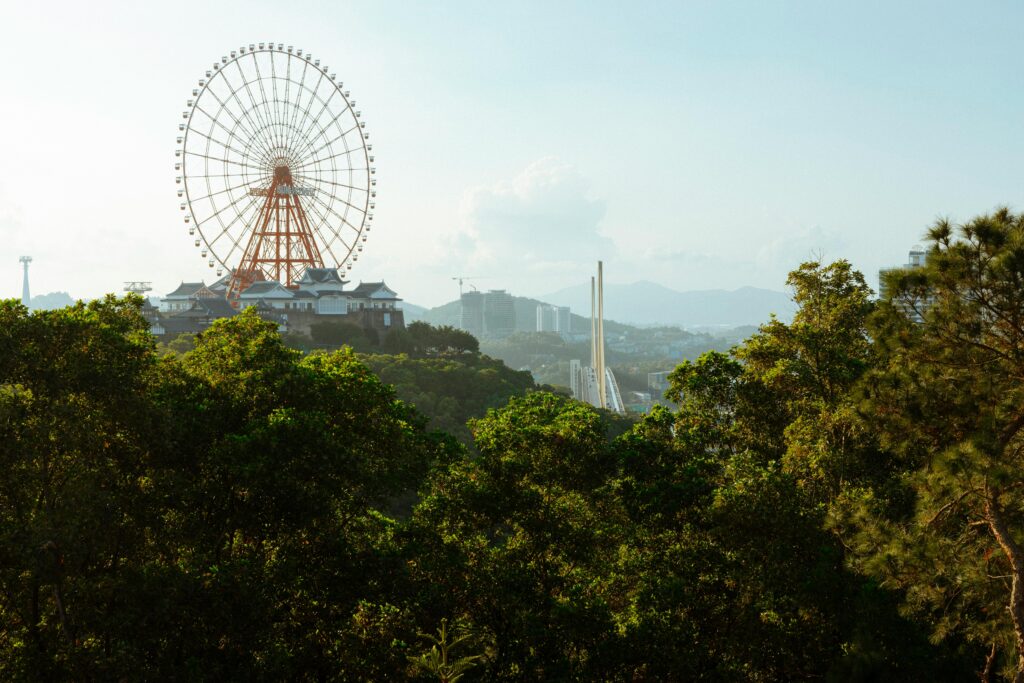
The best time to visit Ha Long Bay depends on what you want to see and do: calm emerald waters and clear skies for island hopping, cooler months for hiking and photography, or quieter shoulder seasons for better cruise deals. Ha Long Bay’s dramatic limestone karsts and thousands of islands are stunning year‑round, but weather patterns, cruise schedules, and local events influence how enjoyable your trip will be.
This guide uses climate statistics and official tourism guidance to explain Ha Long Bay weather by month, the cruise season, practical packing and planning advice, and a month‑by‑month comparison to help you choose the ideal time for your trip. Whether you’re planning a luxury overnight cruise, a day trip from Hanoi, or a photography-focused visit, this article lays out what to expect so you can pick dates that match your priorities.
Understanding Ha Long Bay climate and seasons
Ha Long Bay sits in northeastern Vietnam in Quang Ninh province and has a subtropical monsoon climate. That means warm, humid summers with heavy rain and occasional tropical storms, and cooler, drier winters with clearer skies. Average temperatures range from about 10–12°C (50–54°F) in the coldest months to 29–33°C (84–91°F) in the hottest months.
Rainfall is concentrated between May and October, with the highest precipitation and storm risk typically from July to September. The period from November to April tends to be drier and cooler. These broad patterns shape the practical and aesthetic aspects of visiting Ha Long Bay: visibility, sea conditions, crowd levels, and cruise operations.
When to book a cruise: peak season, shoulder months and low season
Most cruise operators run year‑round, but their schedules and pricing change with demand and weather. The high season is broadly November to March when many travelers prefer the cool, dry weather and clearer air. Popular dates — such as the Lunar New Year (Tết) and holiday weekends — fill quickly, so book early for those periods.
Shoulder seasons, particularly April to June and October to early November, often offer the best balance: fewer crowds and reasonable weather. From July to September is the low or storm season; while prices can drop and promos appear, some operators cancel or modify itineraries when rough seas threaten safety.
For practical cruise booking options and accommodation listings in Quang Ninh province, see this regional booking resource: find hotels and cruises around Ha Long Bay.

Ha Long Bay weather by month — detailed breakdown
Below is an accessible month‑by‑month summary focusing on temperature, rainfall, sea conditions, visibility, and recommended traveler priorities for each month. These notes reflect long‑term climate averages and official tourism guidance.
- January — Cooler (10–18°C / 50–64°F), low rainfall, crisp mornings, occasional haze. Best for sightseeing, photography, and outdoor walking on islands.
- February — Similar to January; Lunar New Year (Tết) may see local travel spikes. Book early if arriving during the holiday.
- March — Warming (14–21°C / 57–70°F), low to moderate rainfall. A pleasant month for cruises and kayaking as greenery returns.
- April — Warmer (18–26°C / 64–79°F) with increasing humidity and occasional showers. Good shoulder month for lower crowds.
- May — Hotter and wetter (22–29°C / 72–84°F), rainfall increases. Expect lush landscapes but a higher chance of short storms.
- June — Early summer heat (24–31°C / 75–88°F) and more frequent rain; still possible to enjoy cruises, but check forecasts.
- July — Peak summer, hottest (25–33°C / 77–91°F) with heavy rainfall and typhoon risk. Sea conditions can be rough; operators may alter routes.
- August — Similar to July, often the wettest month. Lower visibility on some days; bargains available if you’re flexible.
- September — Rainfall remains high but begins to taper late in the month. Monitor weather updates if planning overnight cruises.
- October — Transition month (21–28°C / 70–82°F) with improving weather and clearer waters; a strong choice for many travelers.
- November — Cooler and drier again, great for cruising and island activities. Scenery is crisp with better light for photography.
- December — Cool and dry, holiday season picks up; mornings can be foggy but afternoons are often clear and pleasant.
Best months for specific travel goals
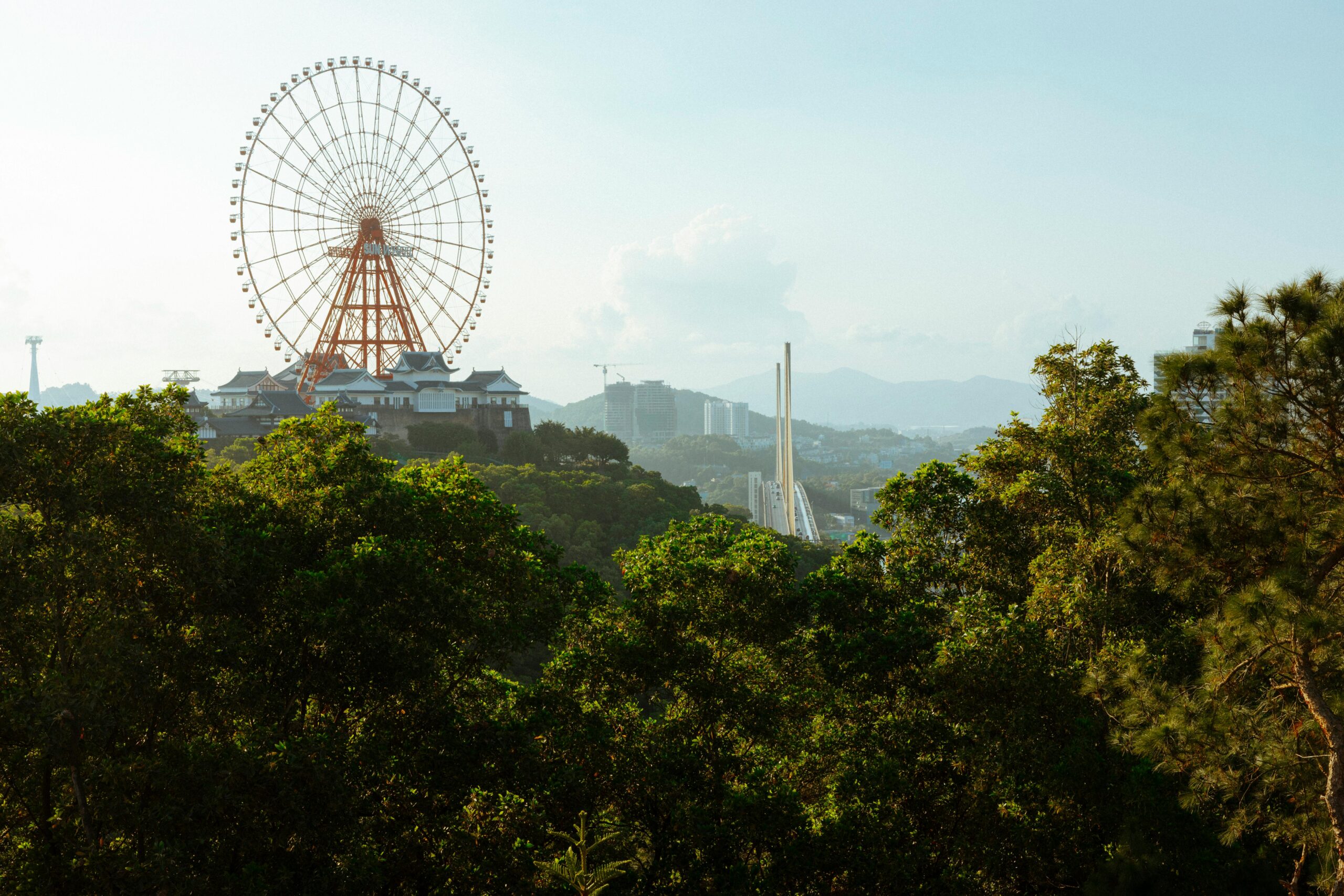
Which month is best depends on your priorities. Here’s a quick guide keyed to common travel goals:
- Photography and clear skies: November to March offers the best visibility and cooler, crisper light for dramatic karst shots.
- Warm swimming and kayaking: April to June provides warm water but with fewer storms than mid‑summer.
- Lower prices and fewer crowds: May and October can be ideal shoulder months with promotions and smaller groups on cruises.
- Budget travel with flexibility: July and August may have lower rates but come with a higher chance of cancellations during storms.
- Cultural experiences and festivals: Plan around Lunar New Year (variable date in January/February) for local festivities, though travel can be busy.
What to pack and how to prepare by season
Packing for Ha Long Bay changes with the season. Always include rain protection and sun protection year‑round. Here are practical packing suggestions by season:
- November–March (cool/dry): Light to medium warm layers, a windbreaker, waterproof shoes for boat decks, and a compact camera tripod or stable support for clearer light.
- April–June (warm/shoulder): Lightweight breathable clothes, swimwear, reef‑safe sunscreen, a hat and sunglasses, and a light rain jacket for sporadic showers.
- July–September (hot/wet): Quick‑dry clothing, waterproof bags for electronics, insect repellent, and travel insurance that covers trip changes due to storms.
- Year‑round essentials: Motion‑sickness remedies if prone to seasickness, waterproof phone cases, refillable water bottle, and copies of passports and cruise confirmations.
How weather affects cruise itineraries and safety
Sea state and wind speed directly influence whether cruise operators can follow standard overnight or day‑trip itineraries. In high seas or typhoon conditions, authorities may restrict navigation in Ha Long Bay. Reputable operators monitor forecasts and will offer refunds, reschedules, or alternate inland activities if a cruise must be canceled for safety.
When booking, confirm the operator’s weather and cancellation policies, including whether they provide onboard shelter for strong winds, and ask what alternatives they offer in case of a weather disruption. Checking official local weather guidance before departure is wise.
Comparison table: months at a glance
| Month | Temperature (avg) | Rainfall | Visibility/Sea | Traveler tip |
|---|---|---|---|---|
| January | 10–18°C | Low | High | Great for photos and walks; bring layers. |
| February | 11–19°C | Low | High | Avoid Tết rush or book well in advance. |
| March | 14–21°C | Low–Moderate | Good | Comfortable cruising; blooming landscapes. |
| April | 18–26°C | Moderate | Good | Shoulder month balance of weather and crowd size. |
| May | 22–29°C | Increasing | Good–Moderate | Warm waters for swimming; expect showers. |
| June | 24–31°C | Moderate–High | Moderate | Possible rough seas; flexible booking advised. |
| July | 25–33°C | High | Variable | Lower prices but higher storm risk. |
| August | 25–33°C | High | Variable | Be prepared for cancellations during storms. |
| September | 23–30°C | High→Moderate | Improving | Late month improves; still watch forecasts. |
| October | 21–28°C | Moderate | Good | One of the best months for balance and comfort. |
| November | 16–24°C | Low | High | Great cruising conditions and photography light. |
| December | 12–20°C | Low | High | Cool mornings and pleasant afternoons. |
Top practical tips for planning around Ha Long Bay weather
Plan with flexibility and safety in mind. Key practical tips include:
- Check long‑range and short‑range marine weather forecasts and sign up for local alerts if possible.
- Book refundable or changeable cruise and hotel options during shoulder and storm seasons.
- If you’re prone to seasickness, choose larger, more stable vessels and consider overnight cruises that reduce daytime chop in some conditions.
- Arrive in Ha Long Bay with a day buffer if you’re connecting from Hanoi or international flights, especially in rainy months when roads can be slower.
- Read recent reviews of cruise operators for real‑time feedback on how they handled weather issues that season.
For up‑to‑date accommodation options and traveler reviews across Quang Ninh province, consult this trusted regional booking site before finalizing plans: search hotels and cruise stays near Ha Long Bay.
Accessibility, travel logistics, and local events
Ha Long City is the main gateway to the bay, and it’s about a 2.5–4 hour drive from Hanoi depending on traffic and weather. Highways and road conditions are generally good, but heavy rain can slow transfers. Private car transfers, buses, and organized tours all operate between Hanoi and Ha Long City. Cat Ba Island via Hai Phong is another route for reaching the bay with a different perspective.
Local festivals and events — including regional seafood festivals and cultural celebrations — can enhance a visit but also affect hotel availability. If attending a festival, check dates and book accommodations early. When weather disrupts sea travel, many operators and hotels work with official tourism authorities to provide alternate inland activities, such as cave visits, cultural shows, or cooking classes.
Choosing cruises: types, duration and what the weather means for each
Decide between day trips, overnight cruises, and longer itineraries based on your schedule and tolerance for variable weather. Day trips are convenient from Ha Long City or Tuan Chau Port, but overnight cruises let you see the bay at sunrise and sunset and reduce round‑trip road time with fewer transfers.
- Day trips — Good for tight schedules; more affected by rough seas since no overnight shelter is available onshore.
- Overnight cruises (1–2 nights) — Ideal for photographers and those seeking a relaxed pace; better able to absorb short weather events since there’s onboard shelter.
- Longer cruises and combinational itineraries — Suitable for island hopping to Cat Ba and Lan Ha Bay but require flexible planning in wet months.
Confirm what activities are included (kayaking, cave visits, cooking classes) and how operators will adapt if sea or weather conditions change. Safety briefings and certified vessels are particularly important during the rainy season.
FAQs
What is the single best month to visit Ha Long Bay for clear skies?
November is often recommended as the single best month for clear skies and comfortable temperatures, offering excellent visibility for photography, pleasant cruising conditions, and relatively low rainfall compared with summer months.
Is Ha Long Bay worth visiting during the rainy season?
Yes, Ha Long Bay can still be enjoyed during the rainy season if you choose reputable operators and travel with flexibility. Advantages include fewer crowds and lower prices, but be prepared for possible itinerary changes and rougher seas, particularly from July to September.
How far in advance should I book a cruise in high season?
For peak months (November–March) and major holidays like Lunar New Year, book 2–3 months in advance or earlier to secure preferred cabins and departure dates. During shoulder months, 2–4 weeks is often sufficient for many operators.
Do I need travel insurance for Ha Long Bay trips during monsoon season?
Yes. Travel insurance that covers trip cancellations, delays, and emergency medical evacuation is recommended year‑round, and particularly during the monsoon season when storm‑related disruptions are more likely.
Can I swim in Ha Long Bay year‑round?
Swimming is possible during most months, but the warmest and safest months for swimming are April to June. During stormy periods or when sea conditions are rough, swimming may be restricted by operators for safety reasons.
Conclusion
Choosing the best time to visit Ha Long Bay depends on what you value most: ideal weather and photography, warm water and active kayaking, or lower prices and fewer tourists. November to March generally offers the clearest, coolest conditions for sightseeing and photos; April to June is warm and pleasant for water activities; and July to September is wetter and riskier for cruising but can reward flexible travelers with lower rates.
Plan around long‑term climate patterns, check local forecasts close to your travel dates, and choose operators with clear weather policies. With the right timing and preparation, Ha Long Bay’s limestone islands, emerald waters, and unique coastal culture make for a memorable trip any time of year.