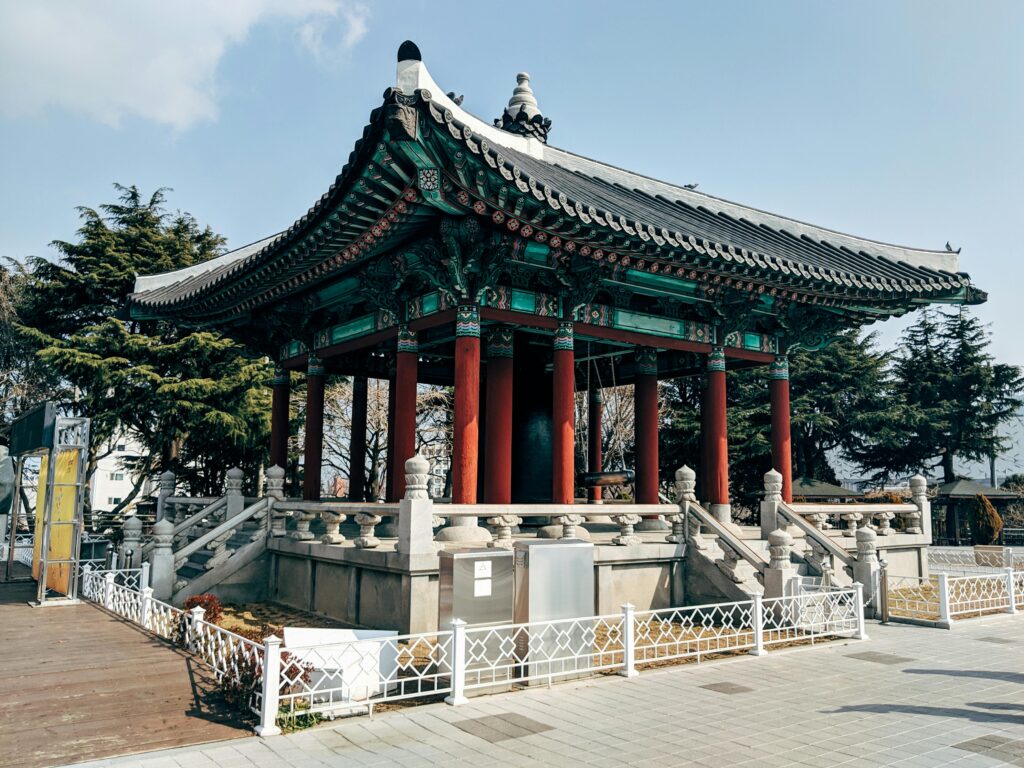
Planning the best time to visit south korea depends on what you want to see and do: cherry blossoms in spring, mountain foliage in autumn, beach days in summer, or skiing in winter. This guide uses official climate data and tourism-board patterns to give a clear, month-by-month view so you can match weather, crowds and activities to your travel goals.
Below you’ll find a south korea weather by month guide that highlights temperatures, rainfall, festival seasons, and practical travel tips for major cities and regions. Recommendations are based on climate authority records and national tourism information to help you pick the ideal travel window.
Seasons at a glance: what to expect year-round
South Korea experiences four distinct seasons: a cool, dry winter (December–February); a warm, wet summer with a monsoon influence (June–August); a mild, flowering spring (March–May); and a crisp, colorful autumn (September–November). Coastal areas like Busan and Jeju have milder winters and later springs, while inland and northern areas, including Seoul and mountainous regions, see greater temperature swings.
When choosing the best time to visit, balance weather with local events. Cherry blossom and autumn foliage periods bring high demand for hotels and transport, while monsoon season brings heavy rain and occasional travel disruption.
Month-by-month climate: a south korea weather by month guide
Below is a practical month-by-month summary combining average temperatures, rainfall tendencies and travel recommendations to help you plan daily itineraries and packing.
January — Cold and dry. Expect daytime highs around 0–5°C (32–41°F) in Seoul, with lower temperatures in the interior and occasional snow. Ski resorts open; great for winter sports and fewer tourists in cities.
February — Still wintry, but days slowly lengthen. Temperatures remain below 5°C (41°F) in many regions. Good month for discounted accommodation before the spring rush; check road and train conditions if traveling to mountainous areas.
March — Early spring brings milder days (6–12°C / 43–54°F). Cherry blossoms may begin late in the month in southern areas. Rain is still relatively low; ideal for sightseeing before peak blossom weeks.
April — Prime cherry blossom season in many cities (Seoul and Gyeongju often peak mid-April). Daytime temperatures 12–18°C (54–64°F). Expect larger crowds around parks, palaces and temple grounds.
May — Pleasant and green, with comfortable temperatures (15–22°C / 59–72°F). This is one of the best months for outdoor activities, hiking and island visits—air quality generally better than in late winter.
June — Transition to summer; warmth increases to 20–26°C (68–79°F). Late June often brings the start of the monsoon (jangma), with heavier rain and higher humidity toward the end of the month.
July — Peak monsoon season for much of the peninsula. Heavy rainfall and high humidity are common; temperatures range 23–29°C (73–84°F). Beach towns are lively despite showers, and indoor cultural attractions remain popular.
August — Hot and humid with potential typhoon influence later in the month. Average highs 25–31°C (77–88°F). If you plan beach time on Jeju or Busan, watch forecasts and book flexible accommodations.
September — The monsoon retreats and autumn begins; temperatures cool to 18–25°C (64–77°F). Clear skies return, making September an attractive month for festivals, coastal drives and late-summer hiking.
October — Autumn peak: crisp air, vivid foliage and comfortable temperatures (10–20°C / 50–68°F). This is a top month for landscape photography, national parks and temple stays.
November — Cooler and drier as autumn ends; temperatures 2–12°C (36–54°F). Tourist numbers taper before winter; good for quieter city sightseeing and cultural tours.
December — Cold returns with occasional snow, especially inland. Winter illuminations and seasonal markets are active in cities; ski resorts gear up for the season. Average temperatures can fall below freezing in many areas.
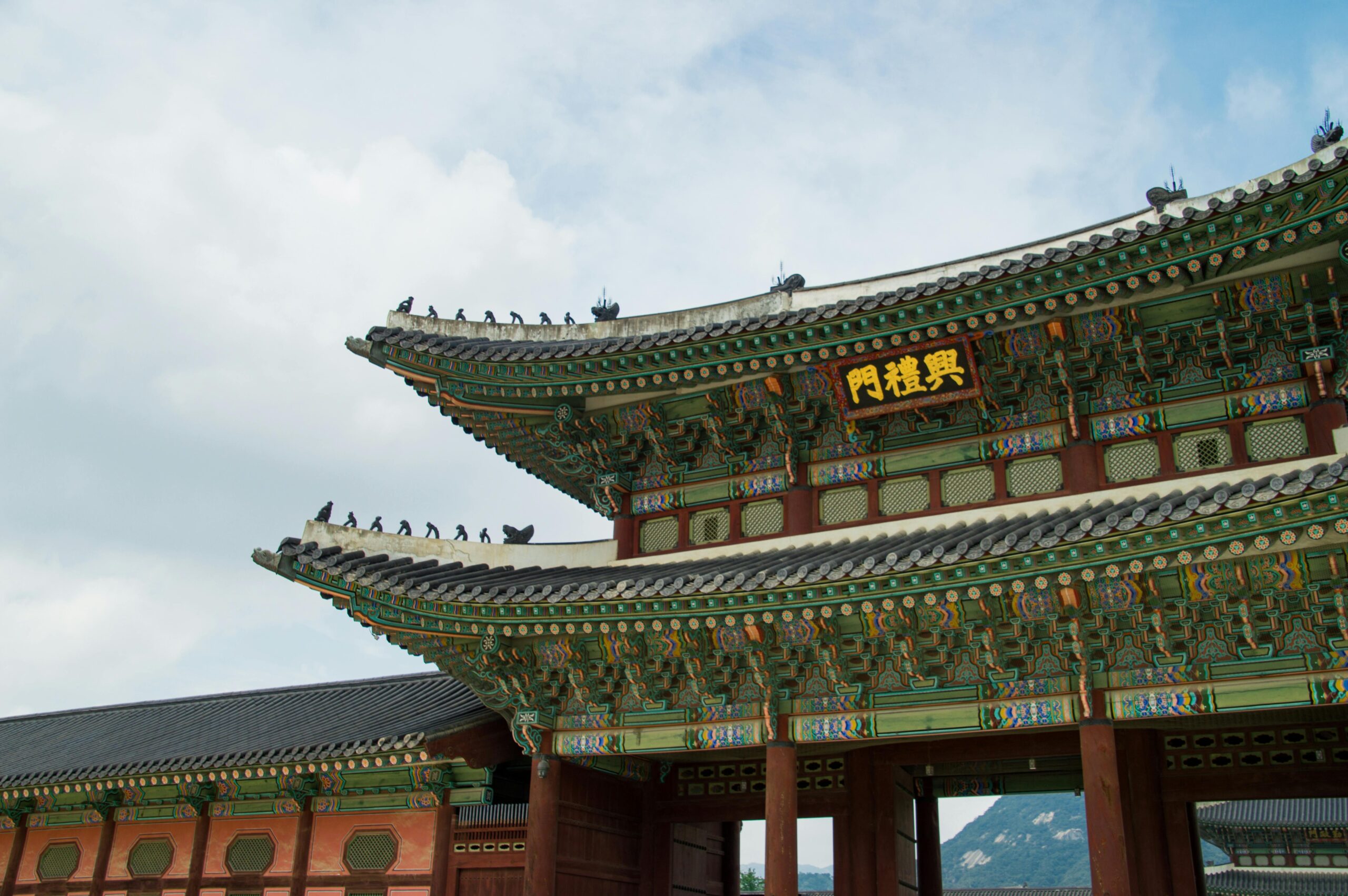
Best months to visit for specific interests
Choose your travel dates around the experiences you value most. Here are recommended months by interest:
- Cherry blossoms: late March–mid April (south earlier, north later).
- Hiking and countryside: late April–June and September–November (avoid monsoon and peak heat).
- Beach and island time: July–August (Jeju and southern coasts), with caveats about humidity and rain.
- Winter sports: December–February (Taebaek and Gangwon provinces; well-developed ski resorts).
- Cultural festivals and city sightseeing: May and October for mild weather and clearer skies.
Keep in mind that peak periods (spring blossom and autumn foliage) attract large domestic and international crowds, so book transport and accommodation early for those windows.
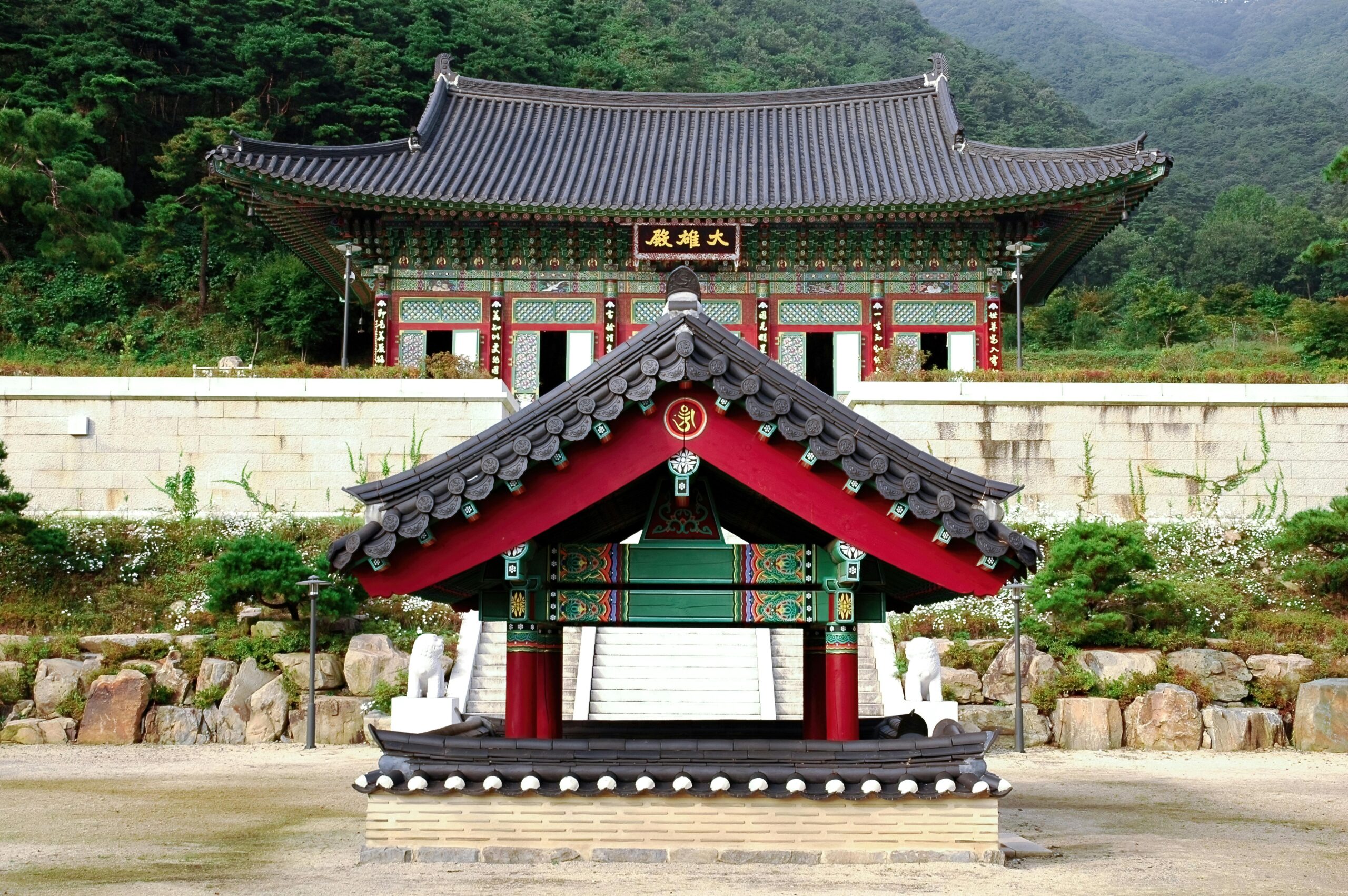
Regional differences: Seoul, Busan, Jeju and the mountains
Climate and the best time to visit vary by region. Coastal areas and islands have milder winters and later springs, while inland and northern regions have colder winters and earlier autumn color.
- Seoul & Gyeonggi — Four-season climate with hot summers and cold winters; spring and autumn are most comfortable for urban sightseeing.
- Busan & southeastern coast — Warmer year-round, great for late-summer beach trips; typhoon risk is moderate in late summer.
- Jeju Island — Subtropical influence: earlier cherry blossoms, milder winters; popular in spring and autumn for outdoor pursuits.
- Taebaek & mountain regions — Dramatic winter snowfall and excellent ski conditions; autumn foliage can peak earlier than in lowland areas.
For detailed official tourism advice and event calendars, consult the national tourism site for seasonal updates and travel alerts.
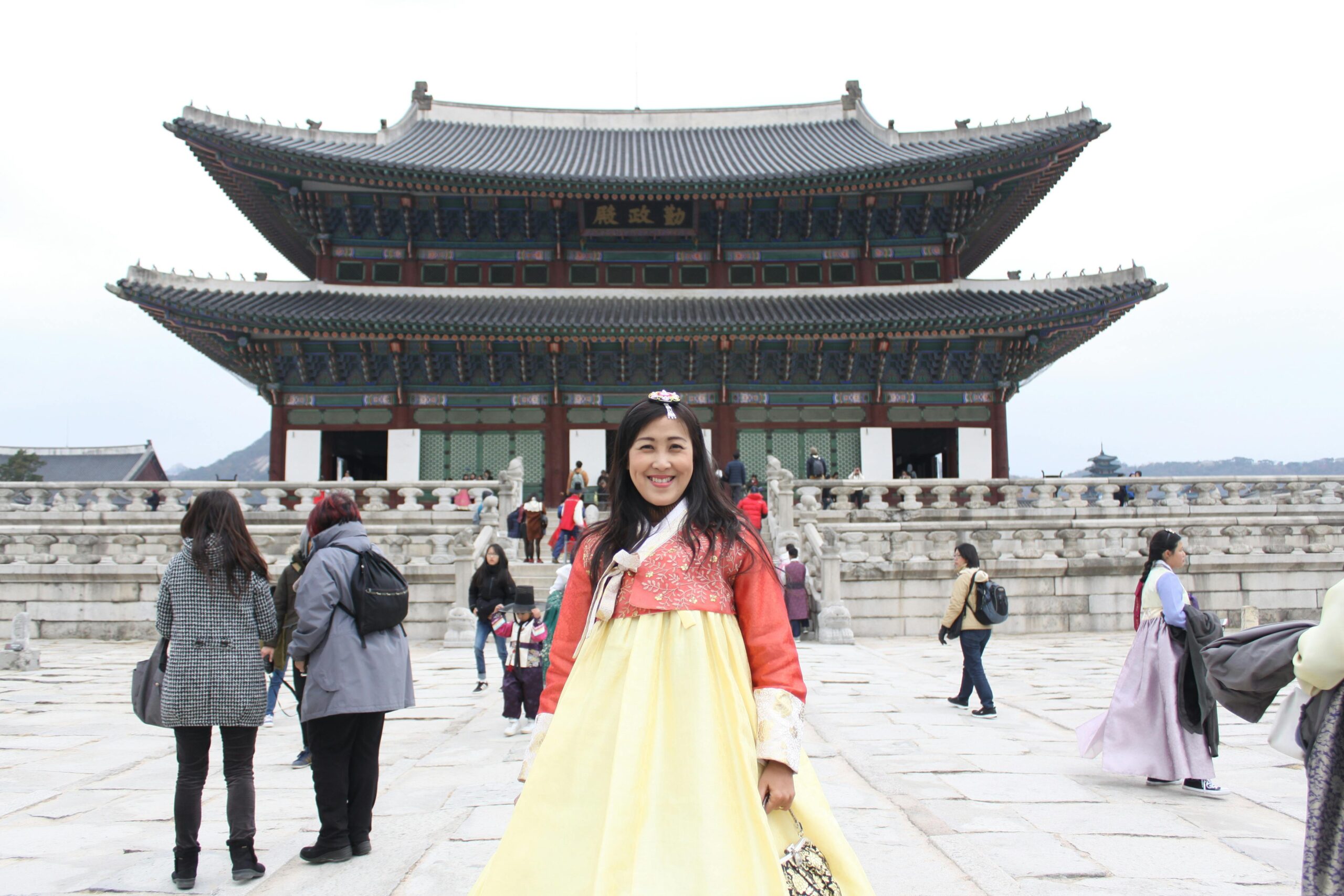
Practical travel tips and booking advice
For accommodation and seasonal deals, compare options early—high-season windows (blossom and foliage) sell out fast and prices rise. You can check current availability for a wide range of properties and seasonal promotions on major booking platforms.
Search accommodation and seasonal rates for South Korea
When traveling during the monsoon or typhoon season, allow extra days for flexible routing and choose refundable bookings where possible. Public transport (KTX trains, intercity buses and domestic flights) is generally reliable, but wet weather can delay schedules.
Dress in layers outside of midsummer. Spring and autumn mornings can be cool while afternoons warm quickly; waterproof gear is essential in June–August. If you plan winter activities, bring insulated outerwear and proper footwear for icy conditions.
Comparison table: seasons and travel trade-offs
| Season | Weather | Crowds & Prices | Top Activities |
|---|---|---|---|
| Spring (Mar–May) | Mild, blooming, occasional rain | High in blossom weeks; moderate otherwise | Cherry blossoms, city tours, hiking |
| Summer (Jun–Aug) | Hot, humid; monsoon in June–July | High for beaches; variable during rains | Beaches, island hopping, festivals |
| Autumn (Sep–Nov) | Cool, dry, clear skies | High for foliage weeks; moderate otherwise | Foliage viewing, photography, hiking |
| Winter (Dec–Feb) | Cold, dry, snowy inland | Lower in cities; high at ski resorts | Skiing, winter festivals, indoor cultural sites |
How weather affects festivals and travel logistics
Major festivals often align with seasonal weather: spring flower festivals in parks and riversides, summer cultural and music festivals along the coasts, and autumn harvest celebrations and temple lantern events. Weather can affect transportation schedules—particularly during the monsoon and typhoon season—so check event pages and transport advisories close to travel dates.
For accurate, up-to-date climate and safety information refer to official weather services and the national tourism board, which publish seasonal forecasts and travel guidance that can influence itinerary planning and timing.
If you prefer fewer crowds and steady weather, late May and September–October are usually the best compromises between agreeable climate and manageable visitor levels.
FAQs
What is the absolute best time to visit South Korea?
For most travelers seeking comfortable weather and outdoor activities, late April to early June and September to mid-October are ideal. These windows combine mild temperatures, lower humidity, and clear skies—perfect for city touring, hiking and scenic drives.
When do cherry blossoms bloom in South Korea?
Cherry blossom timing varies by region and year, but generally the season starts in the south (Jeju) in late March and moves north through April. Major cities like Seoul often peak in mid-April. Check annual blossom forecasts from official tourism sources for precise dates.
Should I avoid traveling in summer because of the monsoon?
Not necessarily—summer offers vibrant coastal life and many festivals. However, travel plans during late June and July should account for heavy rain and higher humidity. If you prioritize outdoor activities, aim for early June or September instead.
Is winter a bad time to visit Seoul?
Winter is cold, but it’s a good time for lower prices in the city, seasonal markets and clear, crisp skies. Visitors interested in skiing or snow festivals will find winter an excellent season, while those sensitive to cold may prefer spring or autumn.
How far in advance should I book for peak season?
For cherry-blossom and autumn-foliage peaks, book flights, trains and accommodations at least 2–3 months in advance, and longer if you need specific hotels or limited-capacity experiences. For winter ski holidays, reserve early for popular resorts and holiday periods.
Conclusion
Deciding the best time to visit South Korea comes down to balancing weather, crowds and the experiences you want. Use the south korea weather by month guide above to match months to activities—spring and autumn are generally the most comfortable for broad sightseeing; summer suits beach lovers with caveats about rain; winter is ideal for snow sports.
Consult official weather forecasts and tourism calendars when finalizing dates, and book key elements (flights, hotels, major tours) early for high-demand windows. With planning that respects seasonal patterns, you’ll maximize your enjoyment of South Korea’s cities, coasts and countryside no matter when you travel.
For up-to-date travel and event information, you can also review official tourism resources for seasonal updates and detailed destination guides.
Visit Korea official tourism information