Deciding the best time to visit Botswana means weighing wildlife viewing, weather patterns and travel logistics. Whether you want to witness massive elephant congregations along the Chobe River, float through the Okavango Delta by mokoro or search the salt pans of Makgadikgadi for springbok, timing your trip around Botswana’s seasonal rhythms makes a huge difference.
This guide uses official climate data and tourism-board guidance to outline Botswana weather by month, explain peak safari windows and offer practical planning tips for every type of traveler. Read on to match your priorities — wildlife density, lower prices, or lush scenery — with the right months to travel.
Overview: Botswana’s seasons and what they mean for visitors
Botswana has a pronounced dry season and a wet season driven by the southern African rainfall pulse. The most important factor for safari planning is the dry-season flood pulse in the Okavango Delta and the contrast between water-driven wildlife concentrations and the wide-open, green months when newborn plains game is abundant.
From May to October the interior dries out, water becomes concentrated in permanent rivers and floodplains, and animals gather at reliable water sources. November to April sees summer heat, thunderstorms and the highest rainfall, which transforms the landscape to lush green and fills pans and ephemeral channels.
Dry season and prime safari months (May–October)
The dry months — roughly May through October — are widely regarded as prime safari season in Botswana. Cooler mornings and low humidity make overland activities comfortable; shorter grasses and sparse foliage improve visibility; and game congregates around perennial water in the Okavango, Chobe, Linyanti and along the Boteti River.
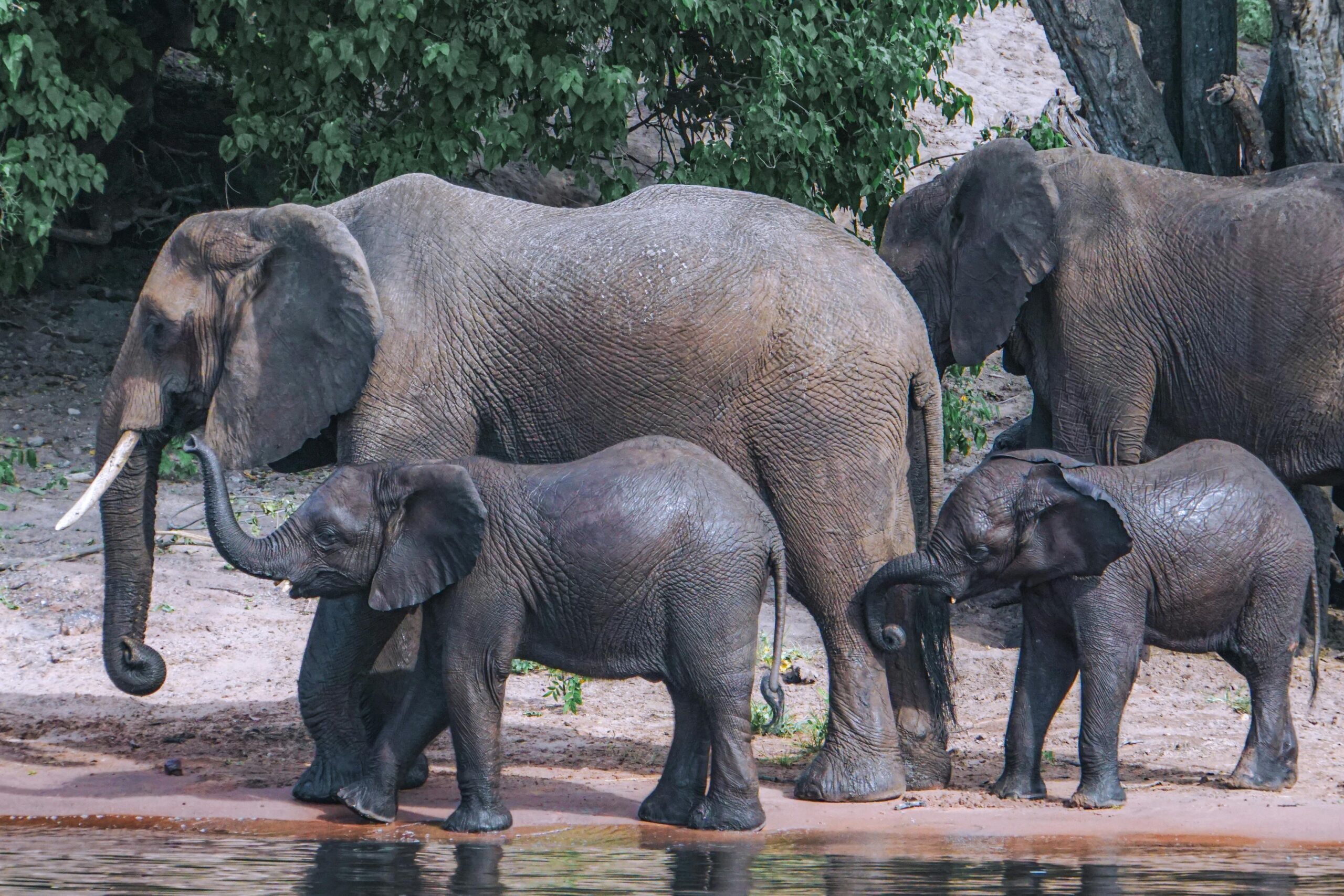
July to September are often the busiest and most reliable months for sightings. July and August bring colder early mornings but spectacular elephant numbers along riverbanks, while September and October can see intense predator activity as large herbivore herds change behavior under heat stress.
For travelers focused on classic photographic game drives and boat safaris, the dry season yields the highest predictable concentrations of wildlife and the clearest viewing conditions.
Wet season and vibrant landscapes (November–April)
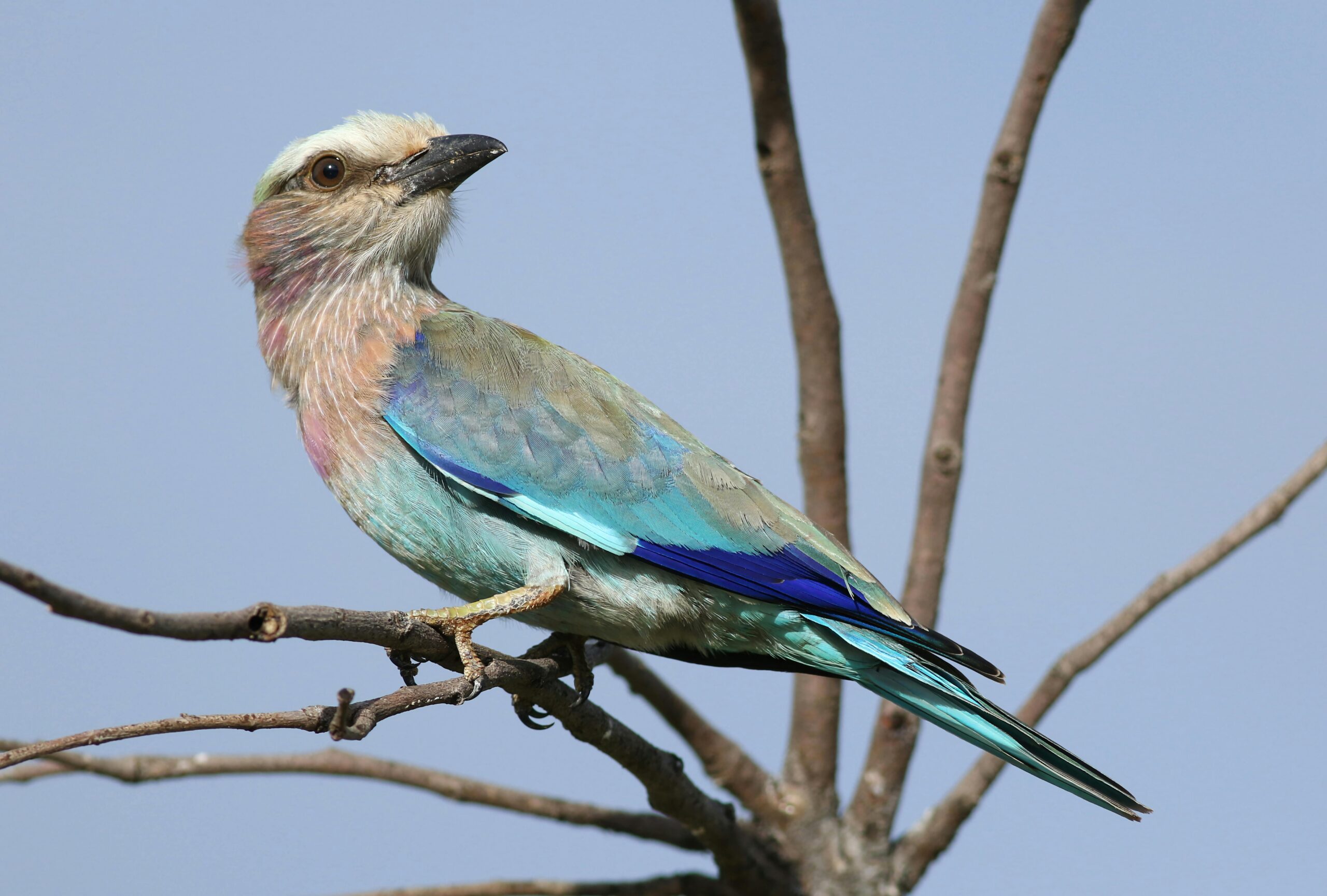
The wet season brings dramatic thunderstorms, higher temperatures and a fast-changing landscape. Rainfall peaks from December to March, producing lush grasslands, newborn ungulates and a surge in insect activity that in turn draws many birds. This is the season for birders and photographers seeking dramatic green backdrops, reflections in pans and migratory species.
However, widespread rainfall can make remote tracks tricky and some lodges close for a portion of this time. The Okavango’s major flood pulse often peaks later in the dry season because upstream rains in Angola travel downriver; this means parts of Botswana can be both flooded and green at once, offering unique mokoro and boat experiences that differ from standard dry-season safaris.
Shoulder months: transition windows with advantages (April–May, October–November)
Transition months — April–May and October–November — can be excellent choices for travelers seeking a compromise. April often still offers green scenery but with fewer insects and improving road access; late October and early November feature rising heat and the first heavy rains but can provide excellent rates and fewer crowds.
These shoulder windows also give opportunistic safari-goers the chance to experience both water-driven wildlife patterns and increasing vegetation. If you prefer moderate crowds and variable landscapes, plan travel during these months. Keep in mind that some camps close for maintenance during the height of the rains, so confirm open dates early.
Botswana weather by month — safari guide
Below is a month-by-month breakdown summarizing typical weather, wildlife highlights and travel considerations informed by official climate data and national tourism guidance. Use this as a practical roadmap when booking camps, flights and transfers.
| Month | Typical Weather | Wildlife Highlights | Travel Notes |
|---|---|---|---|
| January | Hot, wet; heavy afternoon storms | Calving season begins; abundant bird life | Some remote roads impassable; camps limited |
| February | Wettest month; very green | Newborn plains game; migrant birds | Limited game visibility; excellent for birding |
| March | Wet, warm; storms continue | Continuing calving; dramatic landscapes | Best for photography of water reflections |
| April | Transition to drier weather; cooler nights | Good birding; fewer insects | Improving road access; camps reopen |
| May | Dry begins; sunny days, cool nights | Wildlife starts to concentrate | Excellent for early dry-season safaris |
| June | Dry, cool; low humidity | High game density at water sources | Peak lodge availability required |
| July | Dry and cold mornings | Outstanding elephant and predator sightings | High season; book early |
| August | Dry, cold nights, warm days | Excellent visibility; animals concentrated | Prime photographic conditions |
| September | Dry, warming | Elevated predator activity | Hot afternoons; longer drives productive |
| October | Hot, beginning of rains late month | Good game viewing; heat increases | Shoulder season rates possible |
| November | Rains start; hot and humid | Birdlife returns; lush scenery | Some camps begin seasonal closure |
| December | Hot, wet; festive season | Full green season; young animals | Limited vehicle access in remote areas |
For current lodging options and to confirm camp availability when planning around changing seasonal timing, you can find lodgings in Botswana and compare dates and cancellation policies.
Region-specific timing: where to go by month
Different parts of Botswana offer peak experiences at different times. Here’s how to match regions with the months that maximize that area’s strengths.
- Okavango Delta: Best from May–October for wildlife concentration and boat/mokoro safaris. Flood timing can vary, creating prime water-based experiences even into late dry season.
- Chobe and Linyanti: June–September bring massive elephant numbers and high predator visibility along rivers.
- Makgadikgadi and Nxai Pan: Wet season (Dec–May) creates dramatic scenery and seasonal zebra/springbok migrations in some years; dry seasons expose the vast salt pans for photographic opportunities.
- Central Kalahari: June–September for predator and large mammal sightings around remaining waterholes; extreme remoteness favors experienced guides and mobile camps.
If you prefer to focus on a specific reserve or activity, align your timing with the regional peak months above and reserve guided activities and air transfers early in high season.
Practical planning: flights, transport, and packing
Flights and charter transfers ramp up during the dry months; domestic air travel is a major component of itineraries between hubs and remote camps. Book air charters and main-season camps months in advance if traveling in July–September. For greater flexibility and lower costs choose shoulder months, but confirm whether specific lodges are open during the late wet season.
Packing should reflect sharp diurnal temperature swings in the dry season: warm daytime layers, a fleece or insulated jacket for early-morning game drives, sun protection and light rain gear if traveling in the shoulder or wet months. Mosquito repellent and a small medical kit are essential during the green season. A telephoto lens (300–600mm), binoculars and neutral clothing colors will improve your safari experience.
To check accommodation inventory and compare travel dates across regions, you may also search accommodations across Botswana and filter by location and travel dates.
Budget and booking tips by season
High season (June–September) commands peak rates, so if budgeting is a priority consider traveling in April–May or October–November when rates often dip but wildlife viewing remains strong. The wet season typically offers the lowest base rates, but accessibility and wildlife predictability can be reduced.
When booking, ask lodges about inclusions (game drives, boat trips, park fees), vehicle and guide ratios, and the proximity of reliable water sources — these factors often matter more for wildlife sightings than a single calendar month. Confirm air-charter schedules early: some remote strips operate on limited days during low season.
FAQs
What is the absolute best month to visit Botswana for wildlife viewing?
July to September is generally the best window for consistent, concentrated wildlife viewing across core safari areas. Game is drawn to permanent water and cooler mornings improve comfort and photographic light. That said, specific priorities (birding, scenery, lower prices) may point to other months.
How does the Okavango flood timing affect the best time to visit?
The Okavango’s flood typically peaks later in the dry season due to rains upstream, meaning significant water levels can persist into August–October. This creates exceptional boat and mokoro opportunities even when surrounding plains are dry, so check current-year flood projections from local authorities when planning water-based activities.
Can I do a safari in Botswana during the wet season?
Yes. The wet season (November–April) offers dramatic green landscapes, newborn ungulates and excellent birding, but some remote roads may be difficult and a handful of camps close temporarily. For water-focused experiences and birdlife, the wet months can be extremely rewarding.
Are there fewer mosquitoes in the dry season?
Mosquito activity is highest during and shortly after rains. The dry season (May–October) typically sees fewer mosquitoes, reducing the need for heavy insect precautions, although you should still carry repellent and wear appropriate clothing in the early evening.
How far in advance should I book lodges and charters?
For peak months (June–September) book lodges, guided activities and domestic charters at least 6–9 months ahead to secure preferred dates and cabins. Shoulder months allow more flexibility, but if your trip hinges on a specific lodge or private vehicle, early booking is still recommended.
Conclusion
Choosing the best time to visit Botswana depends on what you most want from the trip: uncompromised game viewing and clear light (dry season), lush scenery and bird diversity (wet season), or a balanced mix with quieter camps and good value (shoulder months). Use the month-by-month guide and regional timing above to match wildlife priorities with weather trends confirmed by official climate data and tourism guidance.
Plan early for high-season travel, confirm camp opening dates in the green season, and consider domestic charter schedules when building an itinerary. With thoughtful timing, Botswana’s unique mix of floodplains, rivers and salt pans will deliver a memorable safari experience no matter when you go.