Deciding the best time to visit Argentina depends on what you want to see and do: vibrant city life in Buenos Aires, glacier trekking in Patagonia, or subtropical waterfalls in Iguazú. Argentina’s long north-south span and varied elevation mean seasons vary regionally, so the ideal travel window shifts by destination and activity.
This guide explains Argentina weather by month travel guide style, breaking down seasons, regional highlights, and practical tips so you can plan the perfect trip. Recommendations draw on national tourism guidance, weather authorities and hospitality sources such as Argentina hotels to give a reliable, experience-focused overview.
Quick overview: Argentina’s seasons and why timing matters
Argentina is in the Southern Hemisphere, so seasons are opposite to those in North America and Europe: summer runs December–February, autumn March–May, winter June–August, and spring September–November. Because the country stretches from subtropical northern provinces to the subantarctic regions of Tierra del Fuego, the same month can mean beach weather in the north and snow in the south.
Travelers should choose a window based on activities: wildlife watching and whale season have narrow windows, trekking routes are often closed in winter, and peak summer brings crowds and higher prices in major tourist hubs. For a quick factual reference about Argentina as a country, its geography and context are well summarized on Argentina on Wikipedia.
Best time by region: match weather to activities
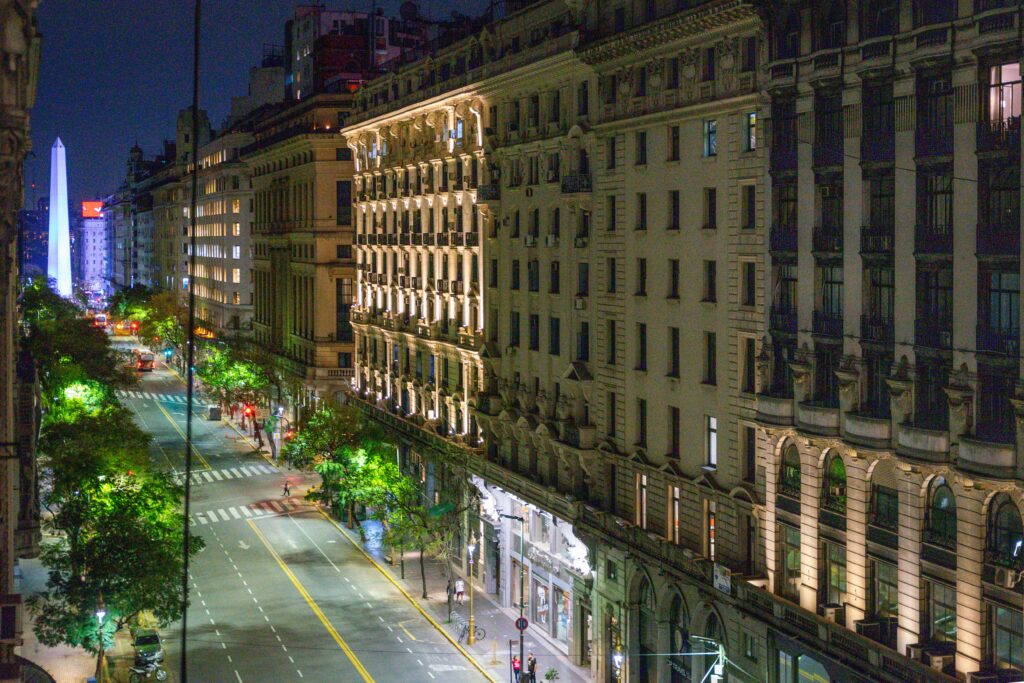
Buenos Aires and the Pampas: Spring (September–November) and autumn (March–May) offer mild, pleasant temperatures and fewer mosquitoes, ideal for strolling neighborhoods, visiting museums and enjoying outdoor cafés.
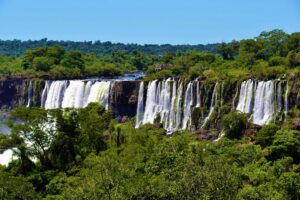
Iguazú Falls (Northeast): The falls are spectacular year-round, but higher water flow in late spring and summer (November–March) creates maximum drama. Expect heat, humidity and more rain during these months.
Patagonia and Tierra del Fuego: Summer (December–February) is the best time for trekking, glacier boat tours and long daylight hours. Shoulder seasons—late spring and early autumn—can be quieter and still suitable for many activities, but weather can be unpredictable year-round.
Andes & Mendoza (wine country): Harvest season in March and April combines comfortable temperatures and wine festivals; winter months (June–August) attract skiers to high-elevation resorts.
Northwest (Salta, Jujuy): High-altitude deserts are driest in winter and spring, with clear skies making for great photography. Summers bring afternoon thunderstorms in some valleys.
Argentina weather by month travel guide (month-by-month summary)
This concise month-by-month breakdown highlights typical conditions across Argentina’s main travel regions so you can align your itinerary with weather windows and seasonal events. For a deeper look at climatic patterns across the country, see the detailed summary on Argentina’s climate page.
January – February: Peak summer. Hot and humid in the north and east; ideal for Patagonian hikes under long daylight hours. Expect high season crowds and elevated prices in popular spots.
March – April: Autumn colors in the Andes and Mendoza’s harvest festivals. Cooler evenings make this a great shoulder season for cities and wine-tasting.
May – June: Early winter in the south; quieter tourism in many areas. Northern regions remain comfortable. Consider southern Patagonia early in May before deep winter sets in.
July – August: Deep winter in Patagonia and the Andes—best for skiing and winter landscapes, not for long-distance treks. Buenos Aires is cooler and less crowded.
September – October: Spring brings blooming jacarandas in Buenos Aires and mild temperatures across much of the country. Patagonian trails reopen later in spring; watch for variable weather.
November – December: Late spring into early summer. Water levels rise at Iguazú and wildlife activity increases across many reserves. December sees warming temps and the start of high season energy, especially around holidays.
When to go for specific interests
- Hiking and trekking: December–February in Patagonia and November–March for high-Andes trails. Avoid mid-winter in the far south.
- Birdwatching and wildlife: Spring and early summer (September–December) when migratory species arrive and breeding seasons start.
- Whale watching: Peninsula Valdés is best June–December for southern right whales.
- Waterfalls: Iguazú is most impressive with higher flows in summer; visit in the shoulder months to avoid peak humidity and crowds.
- Wine tourism and harvest: March–April in Mendoza for harvest events and mild evenings.
- Festivals and culture: Carnival varies by year but usually falls in February or March; Buenos Aires holds tango festivals in the cooler months that attract international performers.
Season comparison table
| Season | Months | Best for | Typical conditions |
|---|---|---|---|
| Summer | Dec–Feb | Patagonia trekking, Iguazú waterfalls | Warm to hot; long daylight; higher humidity North |
| Autumn | Mar–May | Wine harvest, city strolls | Mild days, cooling nights, fewer crowds |
| Winter | Jun–Aug | Skiing, southern wildlife viewing | Cold in south; dry and cool in the north |
| Spring | Sep–Nov | Wildflowers, birdwatching | Variable; many sunny days and occasional storms |
Practical tips for timing your trip
Book early for December–February and major national holidays when domestic travel surges. Shoulder seasons often balance weather and crowd levels, offering better rates and more available tours. If you want to avoid both high prices and extreme weather, consider March–April or September–November windows for much of the country.
Packing should reflect both regional and seasonal variations: layers for Patagonia, waterproofs for Iguazú’s spray, and sun protection for the northwest altiplano. Check transport timetables and route availability before traveling to remote areas; some services operate seasonally.
Budget and crowd considerations
High season (summer and major holiday weeks) drives prices for flights, hotels and guided excursions. For lower costs and still-pleasant weather, plan travel during shoulder months. National tourism promotions and hospitality data, including trends reported by Argentina hotels, can help indicate when demand spikes and when deals are likeliest.
Independent travel vs. guided experiences: remote regions like southern Patagonia benefit from guided logistics, while cities and wine regions are straightforward for independent itineraries. Advance reservations for glacier boat tours and national-park entry during busy months are recommended.
FAQs
What is the warmest month in Argentina?
The warmest months are typically January and February, especially in northern and central Argentina. Temperatures in Buenos Aires often reach the high 20s to low 30s °C (mid-80s to 90s °F), while interior subtropical areas can be hotter and more humid.
When is the best time to see Iguazú Falls?
Iguazú is most dramatic during the rainy season (late spring and summer, roughly November–March) when river flow is highest. If you prefer cooler, less humid conditions and fewer insects, consider visiting in the shoulder months (April–May or September–October).
Can I visit Patagonia year-round?
Patagonia is accessible year-round, but the best time for hiking and full-service tourist infrastructure is December–February. Winter suits skiing and dramatic snow scenery, but many long-distance trails and some services close or operate on limited schedules from late autumn through early spring.
How does weather affect wildlife viewing?
Seasonality strongly influences wildlife patterns: spring and early summer are prime for bird activity and breeding colonies, while specific marine mammals have narrow seasonal windows (for example, whales at Peninsula Valdés from June to December). Plan according to the species you most want to see.
Are there safety considerations related to weather?
Yes. Sudden weather shifts are common in mountainous and southern regions; always carry layers, waterproof clothing and emergency supplies for day hikes. In autumn and winter, shorter daylight hours can affect travel plans. Check weather forecasts and local advice before setting out on remote routes.
Conclusion
Choosing the best time to visit Argentina requires matching regional weather patterns with your interests. For city culture and moderate weather, shoulder seasons offer the most comfortable blend of conditions and value. For Patagonia’s outdoors, aim for the southern summer; for Iguazú’s spectacle, consider late spring to summer for high water flow. Use this month-by-month guide to align activities, book key logistics in advance, and consult official tourism and weather sources to confirm conditions closer to travel dates.