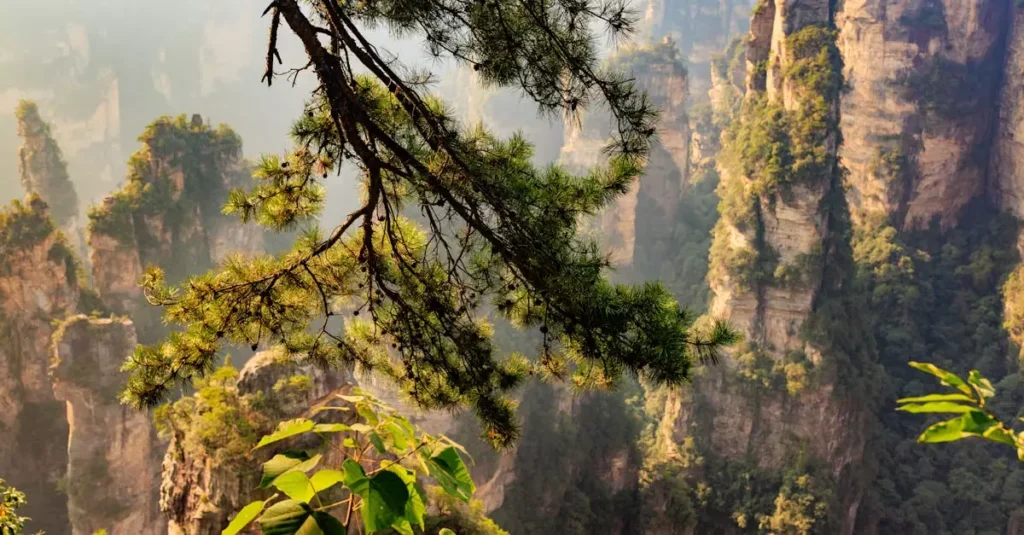
Zhangjiajie, located in the Hunan Province of China, is renowned for its breathtaking sandstone pillars, lush forests, and rich biodiversity. Determining the best time to visit Zhangjiajie is essential for travelers who want to experience the area at its most scenic and comfortable. The region’s unique landscape is influenced by its subtropical climate, which brings seasonal variations that can significantly affect your visit.
Understanding the weather patterns and seasonal changes is key to planning a successful trip. This detailed guide on the best time to visit Zhangjiajie will help you navigate through the months, ensuring you pick the ideal period for sightseeing, hiking, and photography. Whether you prefer mild temperatures, fewer crowds, or vibrant natural colors, this guide will provide valuable insights based on climate data from the local tourism board and weather authorities.
From spring blossoms to autumn foliage, Zhangjiajie offers something special throughout the year. Let’s explore the monthly weather trends and the best seasons to immerse yourself in the natural wonders of this iconic destination.
Understanding Zhangjiajie Weather by Month
Zhangjiajie experiences a humid subtropical climate, characterized by distinct seasons with varying temperatures and precipitation levels. The monthly weather fluctuations play a crucial role in determining the best time to visit Zhangjiajie for different types of travelers.
From January to March, the weather is generally cool and damp, with average temperatures ranging from 5°C to 13°C (41°F to 55°F). While the air is crisp, fog is common, sometimes obscuring the famous sandstone pillars but adding a mystical atmosphere. April to June marks the spring and early summer period, with temperatures rising between 15°C and 28°C (59°F to 82°F). This is when the landscape bursts into vibrant greenery and flowers bloom, although rain showers increase, especially in June.
The summer months of July and August bring the warmest weather, with temperatures often climbing above 30°C (86°F). This period also coincides with the highest rainfall, which can make hiking trails slippery but also keeps the forests lush. September to November is arguably the most pleasant time, featuring mild temperatures (15°C to 25°C or 59°F to 77°F), less rain, and stunning autumn foliage. December tends to be cold and dry, with temperatures dropping to around 2°C to 10°C (36°F to 50°F), making it less popular for casual tourists but appealing for those who enjoy quieter visits.
For a comprehensive overview, refer to the official weather statistics from the Zhangjiajie Wikipedia page, which provides detailed climate data and historical averages.
Spring in Zhangjiajie: A Season of Renewal
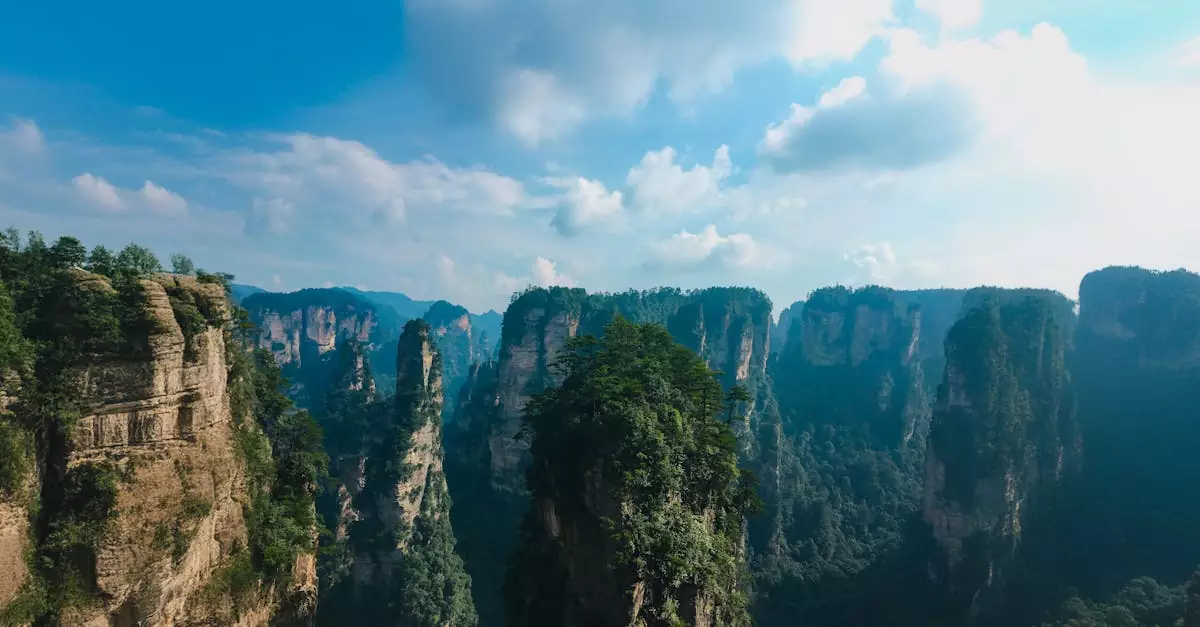
Spring, spanning March to May, is one of the best times to visit Zhangjiajie. During this period, temperatures gradually warm up, ranging from 13°C to 24°C (55°F to 75°F), creating comfortable conditions for outdoor activities. The landscape transforms as flowers bloom and new leaves sprout, adding vibrant colors to the already stunning scenery.
Spring is also a time when rainfall starts to increase but remains moderate, so visitors should pack light rain gear just in case. The humidity begins to rise, but it is generally manageable. The moderate weather is ideal for hiking the numerous trails in Zhangjiajie National Forest Park and exploring attractions such as the Avatar Hallelujah Mountain.
One advantage of visiting in spring is the relatively low tourist volume compared to peak summer months, allowing for a more tranquil experience. Additionally, the springtime fog that occasionally drifts through the sandstone pillars can create ethereal photo opportunities, capturing the mystical essence of Zhangjiajie’s landscape.
For those interested in cultural experiences, spring coincides with some local festivals, offering a glimpse into the traditions of ethnic minority groups residing in the region. Overall, spring balances pleasant weather, natural beauty, and fewer crowds, making it a top choice for many travelers.
Summer Highlights and Challenges
Summer in Zhangjiajie, from June to August, is characterized by warm temperatures and high humidity. Daytime temperatures often range between 25°C and 32°C (77°F to 90°F), with July and August being the hottest months. The region experiences its peak rainfall during this season, with frequent afternoon thunderstorms and heavy showers.
Despite the rain, summer has its unique appeal. The lush greenery reaches its fullest, and waterfalls in the park are at their most spectacular. The rainy season also means fewer tourists compared to autumn, which can enhance the experience for those who prefer to avoid crowds. However, visitors should prepare for slippery paths and occasional trail closures due to weather conditions.
Summer is a great time for nature lovers who want to see the region’s abundant flora and fauna at their peak. It is advisable to start hiking early in the morning to avoid the midday heat and rain. Wearing moisture-wicking clothing and carrying waterproof gear will help make outdoor activities more enjoyable.
For up-to-date weather conditions and travel advisories, tourists can consult resources such as the Zhangjiajie weather overview provided by local authorities and meteorological agencies.
Autumn: The Most Popular Season
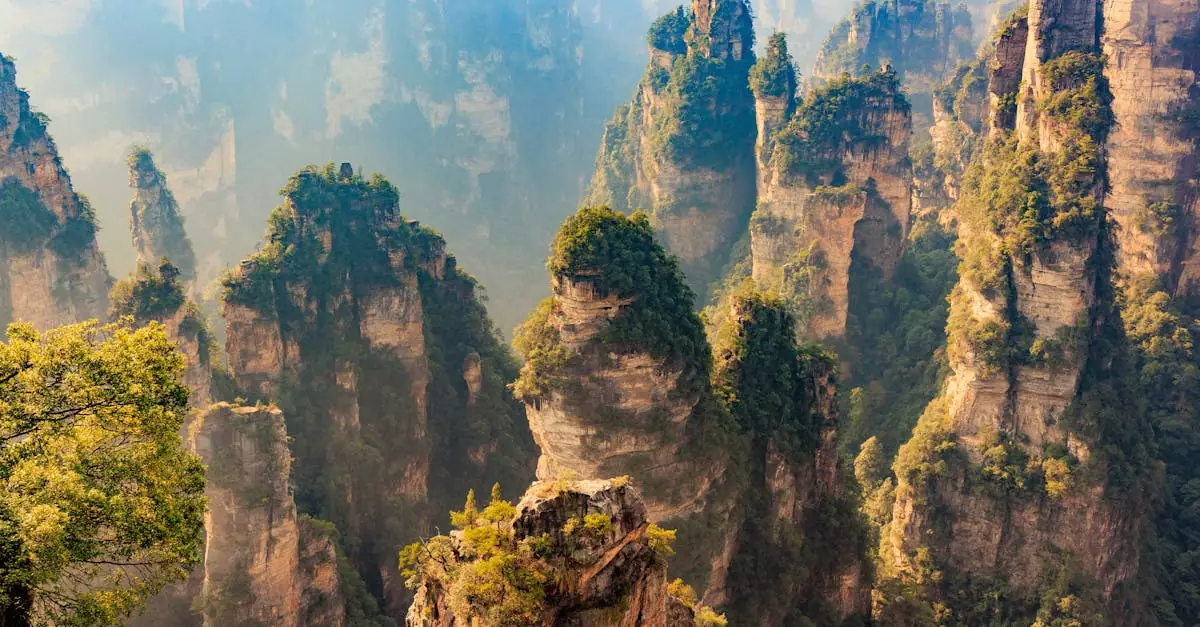
Autumn, from September to November, is widely considered the best time to visit Zhangjiajie. The weather during these months is mild and pleasant, with temperatures averaging between 15°C and 25°C (59°F to 77°F). Rainfall decreases significantly, resulting in clearer skies and excellent visibility of the iconic sandstone pillars and surrounding landscapes.
This season is particularly favored by photographers and nature enthusiasts due to the stunning fall foliage that paints the forests in shades of red, orange, and yellow. The crisp air and vibrant colors provide an unforgettable backdrop for hiking and sightseeing. Trails are generally dry and safe, making it easier to explore the natural wonders at a leisurely pace.
Autumn also coincides with several local cultural events, giving visitors the opportunity to engage with regional customs and cuisine. The combination of comfortable weather, scenic beauty, and cultural richness draws the highest number of tourists, so booking accommodations and tours in advance is recommended.
Visitors should consider layering their clothing, as mornings and evenings can be cool. Overall, autumn offers a balanced climate and spectacular scenery, making it the peak travel season for Zhangjiajie.
Winter in Zhangjiajie: Quiet and Crisp
Winter, spanning December to February, sees Zhangjiajie experiencing its coldest weather, with temperatures ranging from 2°C to 10°C (36°F to 50°F). Snowfall is rare but possible, especially in the higher elevations, which can add a magical touch to the landscape. The air is typically dry, and the skies often clear, providing crisp views of the towering sandstone pillars.
While winter is the low season for tourism, it offers a peaceful escape for travelers who don’t mind cooler temperatures. The reduced number of visitors means less crowded trails and more opportunities for solitude in nature. However, some facilities and services may operate on limited hours during this period.
Winter is ideal for those interested in photography, as the unique lighting and occasional frost create dramatic contrasts. Visitors should pack warm clothing and be prepared for chilly mornings and evenings. It’s also advisable to check weather updates and trail conditions before setting out, as some paths may be icy or closed for safety reasons.
Monthly Weather Comparison Table
| Month | Average Temperature (°C) | Rainfall (mm) | Best Activities | Tourist Volume |
|---|---|---|---|---|
| January | 3-10 | 40 | Photography, Quiet hiking | Low |
| March | 8-16 | 60 | Spring blossoms, Hiking | Moderate |
| June | 20-28 | 180 | Waterfalls, Lush scenery | Moderate |
| August | 25-32 | 200 | Summer hiking, Nature watching | Moderate |
| October | 15-23 | 70 | Fall foliage, Sightseeing | High |
| December | 2-10 | 50 | Quiet exploration, Photography | Low |
Tips for Planning Your Visit
When planning your trip to Zhangjiajie, it’s important to consider your personal preferences for weather, crowd levels, and activities. Here are some useful tips to help you make the most of your visit:
- Book Early for Peak Seasons: If you plan to visit during autumn or spring, book your accommodations and tours well in advance to secure the best options.
- Pack Appropriate Clothing: Layered clothing is recommended due to temperature fluctuations, especially in spring and autumn. Waterproof gear is essential in summer.
- Stay Hydrated and Prepared: Carry water and snacks, particularly during hikes, and be aware of your fitness levels when choosing trails.
- Check Weather Forecasts: Always review the latest weather updates before heading out, as conditions can change rapidly in mountainous areas.
- Respect Local Culture: Engage respectfully with local customs and communities to enrich your travel experience.
FAQs
When is the best month to visit Zhangjiajie?
The best months to visit Zhangjiajie are from September to November, during the autumn season, when the weather is mild, rainfall is low, and the fall foliage is at its peak, offering spectacular views.
Is Zhangjiajie good to visit in winter?
Yes, winter can be a peaceful and scenic time to visit Zhangjiajie with fewer tourists and clear skies, but be prepared for cold temperatures and possible icy conditions on trails.
How rainy is Zhangjiajie in summer?
Summer is the wettest season in Zhangjiajie, with heavy rainfall and high humidity, particularly in July and August. Visitors should expect frequent showers and prepare accordingly.
Are there any festivals in Zhangjiajie that travelers should consider?
Yes, local ethnic minority festivals often take place in spring and autumn, providing cultural experiences alongside natural sightseeing. Checking local event calendars can enhance your visit.
What should I pack for a trip to Zhangjiajie?
Pack layered clothing to accommodate temperature changes, waterproof gear for rainy periods, sturdy hiking shoes, sun protection, and a camera to capture the stunning landscapes.
Conclusion
Choosing the best time to visit Zhangjiajie depends on your preferences for weather, crowd density, and activities. Spring and autumn stand out as the most favorable seasons, offering comfortable temperatures, vibrant scenery, and manageable tourist volumes. Summer, while lush and lively, requires preparedness for rain and heat, whereas winter appeals to those seeking tranquility and crisp mountain air.
By understanding the Zhangjiajie weather by month through this comprehensive guide, travelers can better plan their trips to enjoy the region’s natural wonders safely and comfortably. Whether you want to capture the mist-shrouded peaks, hike through colorful forests, or immerse yourself in local culture, Zhangjiajie promises an unforgettable adventure year-round.