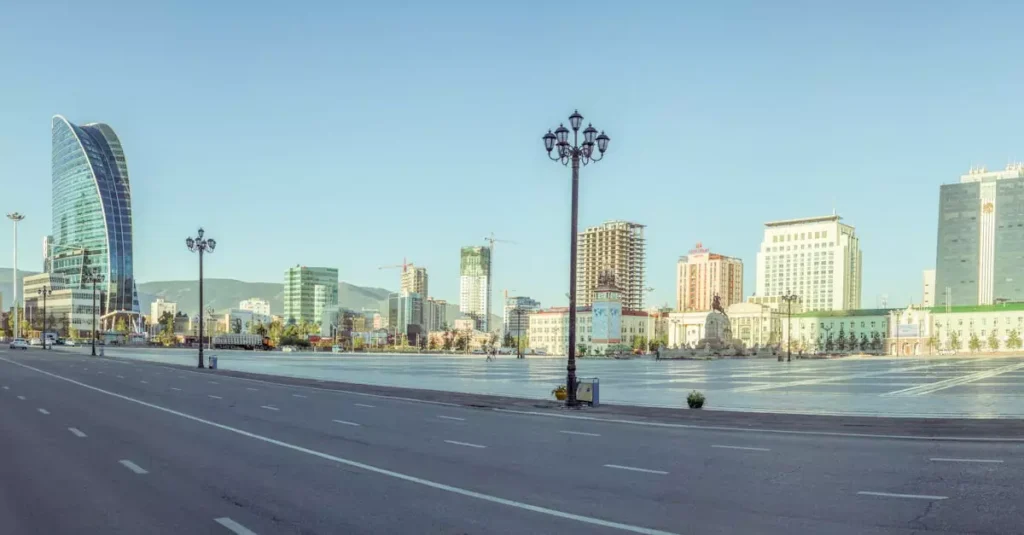
Mongolia, with its vast steppes, nomadic culture, and pristine landscapes, has become an increasingly popular destination for backpackers seeking adventure off the beaten path. Understanding the Mongolia backpacking cost is essential for travelers planning their trips, especially since the country offers a unique blend of affordability and remote wilderness experiences. This article provides a comprehensive Mongolia backpacker budget per day guide to help you navigate expenses, from accommodation in Ulaanbaatar to transportation and food in the countryside.
Backpacking through Mongolia requires careful budgeting due to its sparsely populated terrain and limited infrastructure outside the capital city. However, with the right planning, travelers can enjoy an authentic experience without overspending. This guide draws on verified travel blogs and tourism data to offer realistic cost expectations and practical tips for budget-conscious explorers.
Whether you are planning a short stay in Ulaanbaatar or an extended trek across Mongolia’s vast landscapes, understanding typical daily expenses will help you make informed decisions and enjoy your journey with peace of mind.
Daily Budget Breakdown for Backpacking in Mongolia
Backpackers traveling through Mongolia can expect varied daily costs depending on their travel style, choice of accommodation, and activities. On average, a budget traveler might spend between $20 and $40 per day, while mid-range backpackers could allocate $40 to $70 daily for a more comfortable experience.
Accommodation is often the biggest expense. In Ulaanbaatar, dormitory beds in hostels typically cost around $10 to $15 per night, while private guesthouses may range from $20 to $40. Outside the city, staying in traditional ger camps (Mongolian yurts) offers an immersive experience, usually priced between $15 and $30 per night, often including meals.
Food costs are relatively affordable, especially when eating local dishes at markets or small restaurants. A simple meal can cost as little as $2 to $5, while dining in tourist-oriented places might push prices up to $10 or more per meal. Transportation costs vary widely; public buses and minibusses in Ulaanbaatar are cheap, but long-distance travel by bus or shared jeep can be more expensive due to Mongolia’s vast distances and limited infrastructure.
Extra activities such as guided tours, horseback riding, or visiting national parks will increase the daily budget but are often the highlight of a Mongolian backpacking trip. Planning ahead and booking some activities locally rather than online can save money.
Accommodation Options and Costs in Ulaanbaatar and Beyond
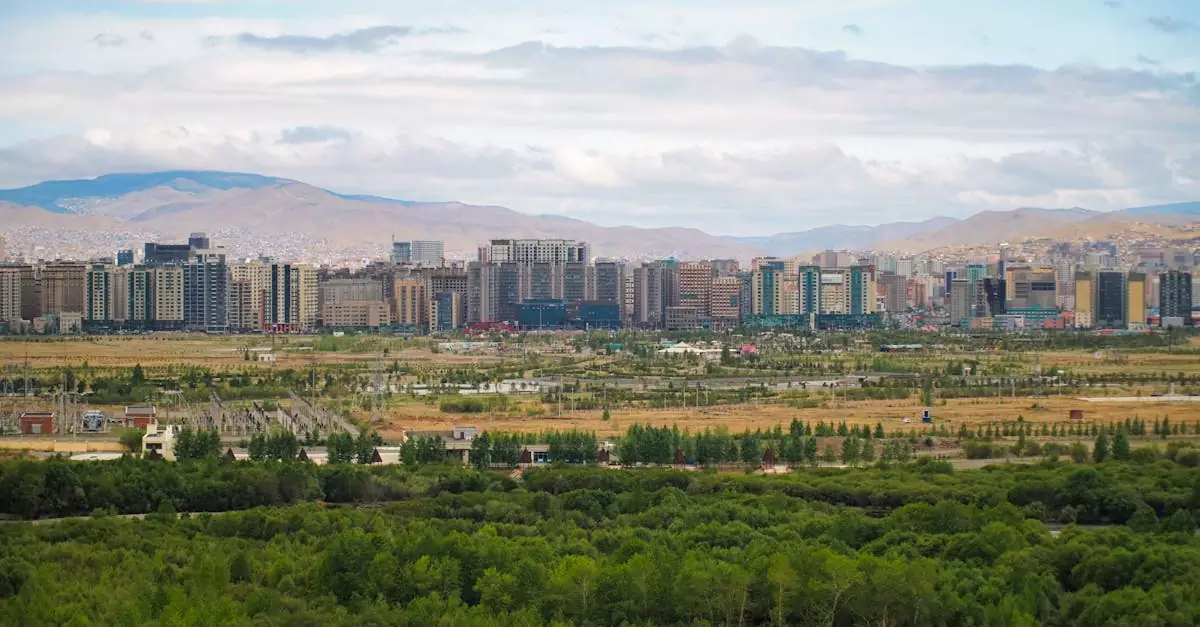
Ulaanbaatar, Mongolia’s capital, serves as the main gateway for backpackers and offers a range of accommodation options suitable for various budgets. Hostels and budget hotels with dormitory-style rooms are popular among backpackers, with prices typically around $10 to $20 per night. For those seeking more privacy, mid-range hotels and guesthouses charge between $30 and $60 per night.
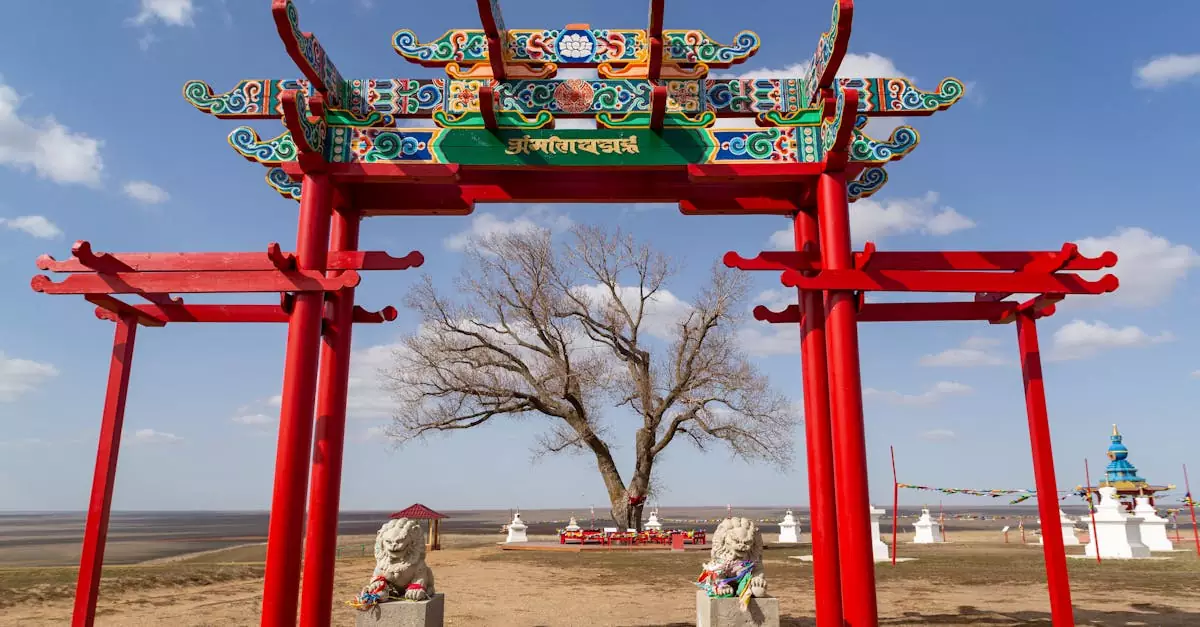
Outside Ulaanbaatar, the accommodation landscape shifts to traditional ger camps scattered across the countryside. These camps provide a unique opportunity to experience Mongolian nomadic culture firsthand. Prices for ger camps vary depending on location, amenities, and included meals but generally fall within the $15 to $35 range per night. Many ger camps offer communal meals, which can simplify budgeting for food.
When selecting accommodation, consider proximity to transport hubs and attractions. Booking in advance is advisable during peak seasons (June to August), but many travelers find that arriving and negotiating rates directly can yield better deals. Internet access may be limited outside the capital, so prepare accordingly.
Transportation Costs and Tips for Budget Travelers
Transportation in Mongolia is a key factor in your backpacking budget due to the country’s immense size and limited infrastructure. In Ulaanbaatar, public transportation is affordable, with bus and minibus fares usually under $1 per ride. Taxis are more expensive but still reasonable compared to Western standards, with short trips costing around $2 to $5.
For longer distances, options include domestic flights, buses, and shared jeeps. Domestic flights can significantly cut travel time but come at a higher cost, often between $100 and $200 depending on the route. Buses and shared jeeps are the preferred budget options for overland travel, with prices varying by distance and route. For example, a bus trip from Ulaanbaatar to the Gobi Desert region can cost around $20 to $30.
Hiring a private driver or 4×4 vehicle is common for exploring remote areas but can be costly, often exceeding $100 per day. Sharing rides with other travelers helps reduce expenses. It’s advisable to book transportation through reputable agencies or local guesthouses to avoid scams and ensure safety.
Travelers should also account for occasional delays and limited schedules, especially outside the summer months. Flexibility and patience are essential when navigating Mongolia’s vast terrain.
Food and Dining Expenses on a Backpacker Budget
Eating in Mongolia can be both an adventure and a budget-friendly experience. Traditional Mongolian cuisine is hearty and meat-heavy, with staples like mutton, beef, dairy products, and noodles. For backpackers, local markets and small eateries offer the most economical options, where meals typically cost between $2 and $5.
In Ulaanbaatar, street food stalls and casual restaurants provide affordable meals such as buuz (steamed dumplings), khuushuur (fried meat pies), and noodle soups. Self-catering is also possible in hostels equipped with kitchen facilities, allowing travelers to buy fresh produce and cook their own meals, further reducing costs.
Ger camps in rural areas often include meals in their pricing, featuring traditional dishes prepared with fresh local ingredients. While these meals may be pricier than street food, they offer a cultural experience and convenience.
Western-style restaurants and cafes are available in the capital but tend to be more expensive, with meals costing upwards of $10. For backpackers aiming to stick to a tight budget, focusing on local food options is the best way to save money while enjoying authentic flavors.
Activities and Excursions: Budget Considerations
Exploring Mongolia’s natural beauty and cultural heritage is a highlight for backpackers, but activities can impact the overall budget. Popular excursions include horseback riding, hiking, visiting national parks like Terelj or Gorkhi-Terelj, and experiencing nomadic life through homestays or ger camp visits.
Many of these activities are reasonably priced when booked locally. For example, guided day tours in the Terelj National Park can cost between $20 and $40, while multi-day trekking or horseback tours range from $50 to $150 per day depending on the level of service and group size.
Entrance fees to national parks and cultural sites are generally low, often under $5. However, hiring local guides is recommended to enhance the experience and support the local economy. Participating in cultural events or festivals may also have small entrance fees or suggested donations.
Backpackers should factor in these costs when planning their daily budget and consider prioritizing activities that offer the most value or unique experiences. Booking tours through your accommodation or local tourism offices can help secure fair prices.
Comparison Table: Estimated Daily Costs for Backpackers in Mongolia
| Expense Category | Budget Traveler (USD) | Mid-Range Traveler (USD) |
|---|---|---|
| Accommodation | $10 – $20 | $30 – $60 |
| Food | $5 – $10 | $10 – $20 |
| Transportation | $3 – $15 | $15 – $40 |
| Activities & Tours | $5 – $20 | $20 – $50 |
| Miscellaneous | $2 – $5 | $5 – $10 |
| Total Estimated Daily Cost | $25 – $70 | $80 – $180 |
FAQs
How much does backpacking in Mongolia cost per day on average?
On average, backpackers can expect to spend between $20 and $40 per day, depending on accommodation choices, food preferences, and travel style. Mid-range travelers might budget $40 to $70 daily for added comfort and activities.
Is it expensive to travel outside Ulaanbaatar?
Traveling outside Ulaanbaatar can be more expensive due to limited infrastructure and longer distances. However, staying in ger camps and using local transportation can help keep costs manageable.
What is the cheapest way to get around Mongolia as a backpacker?
Public buses and shared jeeps are the most affordable options for getting around Mongolia. For long distances, shared vehicles and buses are cost-effective compared to private car hires or domestic flights.
Are meals affordable for backpackers in Mongolia?
Yes, eating local Mongolian food from markets and small restaurants is generally very affordable, with meals costing between $2 and $5. Western-style restaurants are pricier but optional.
Do I need to book tours and accommodation in advance?
During peak tourist season, it is advisable to book accommodation and popular tours in advance. In the low season, travelers often find better deals by booking locally upon arrival.
Conclusion
Backpacking in Mongolia offers an unforgettable adventure through one of Asia’s most unique and sparsely populated countries. Understanding the Mongolia backpacking cost is crucial for planning a successful trip that balances budget with experience. With affordable accommodation options like hostels and ger camps, reasonably priced local food, and accessible transportation methods, Mongolia is an excellent destination for budget travelers willing to embrace its rugged charm.
Careful planning, flexibility, and a spirit of adventure will allow backpackers to explore Mongolia’s breathtaking landscapes, engage with its rich nomadic culture, and enjoy memorable activities without overspending. For more detailed information about Mongolia’s geography and history, the Wikipedia page on Mongolia offers comprehensive insights. Additionally, the Ulaanbaatar Wikipedia article provides useful context about the capital city, the starting point for most journeys.
With this Mongolia backpacker budget per day guide, you are well-equipped to estimate your expenses and plan a rewarding trip that fits your financial means while maximizing your experience in this extraordinary destination.