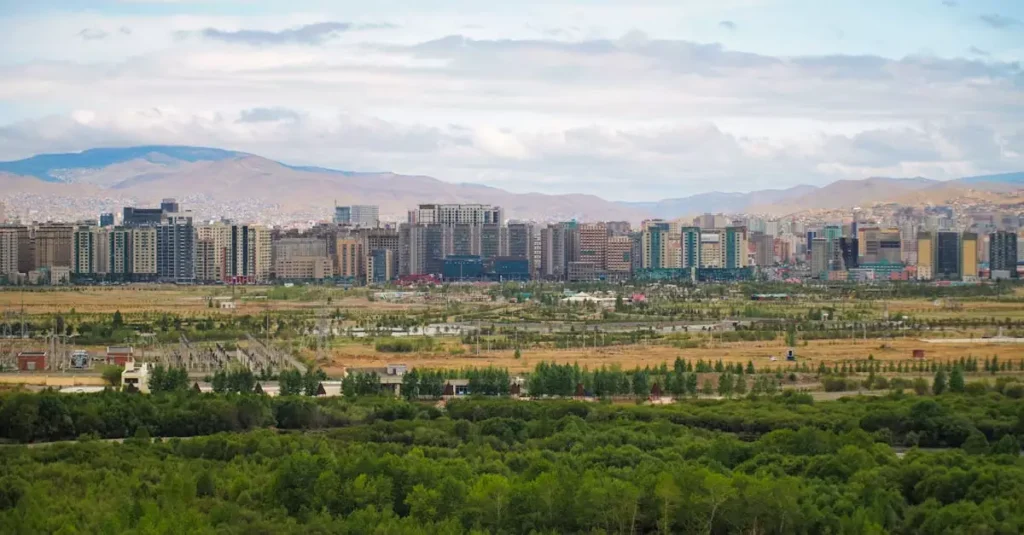
Planning a trip to Mongolia requires careful budget consideration, especially when comparing mongolia travel cost against other remote destinations. The Land of the Blue Sky offers an extraordinary adventure experience at surprisingly reasonable prices, making it an attractive alternative to more expensive wilderness destinations. Understanding the true cost of traveling through Mongolia’s vast steppes, staying in traditional gers, and experiencing nomadic culture helps travelers make informed decisions about their adventure budget.
Mongolia’s unique position as an affordable yet authentic travel destination becomes particularly evident when examining accommodation, transportation, and activity costs. Unlike many tourist-heavy destinations, Mongolia maintains relatively low prices for most travel essentials, from budget guesthouses in Ulaanbaatar to guided horseback riding expeditions across the Gobi Desert. The country’s developing tourism infrastructure means travelers can experience genuine cultural immersion without the premium pricing found in more commercialized adventure destinations.
The economic landscape of Mongolian tourism reflects the country’s balance between preserving traditional ways of life and accommodating international visitors. Local currencies, seasonal variations, and the remote nature of many attractions all influence travel costs, creating a complex but generally favorable pricing structure for budget-conscious adventurers. Comparing these expenses with similar wilderness and cultural destinations reveals Mongolia’s exceptional value proposition for travelers seeking authentic experiences without breaking their travel budget.
Daily Budget Breakdown for Mongolia Travel
Understanding daily expenses in Mongolia requires examining costs across different travel styles and seasons. Budget travelers can comfortably explore Mongolia spending between $25-40 per day, while mid-range travelers typically spend $60-90 daily. Luxury travelers seeking premium accommodations and private guides should budget $150-250 per day, though even high-end Mongolia travel costs significantly less than comparable experiences in Western countries.
Accommodation costs vary dramatically between urban and rural areas. In Ulaanbaatar, budget hostels charge $8-15 per night, while mid-range hotels cost $40-80 nightly. Traditional ger camps, popular among tourists seeking authentic experiences, typically charge $30-60 per person including meals. Remote wilderness camps with guided activities can cost $80-150 per person daily, but these prices often include transportation, meals, and cultural experiences that would cost significantly more elsewhere.
Food expenses in Mongolia remain remarkably affordable, with local restaurants serving hearty meals for $3-8. Traditional dishes like mutton soup, buuz (steamed dumplings), and fermented mare’s milk provide authentic culinary experiences at fraction of costs found in touristy destinations. International cuisine in Ulaanbaatar costs slightly more, with Western-style meals ranging $8-20, but still represents excellent value compared to similar offerings in developed countries.
Transportation Costs Within Mongolia
Transportation represents one of Mongolia’s most significant travel expenses due to vast distances and limited infrastructure. Domestic flights between Ulaanbaatar and regional centers cost $100-200, offering time savings for travelers with limited schedules. However, overland transportation provides more authentic experiences at lower costs, with public buses charging $10-25 for long-distance routes and shared taxis costing $15-40 depending on destination and passenger load.
Renting vehicles for independent exploration requires substantial investment, with 4WD vehicles costing $60-120 daily plus fuel expenses. Fuel costs approximately $1.20 per liter, and remote area driving can consume significant quantities due to challenging terrain and longer routes. Many travelers find organized tours more economical, as group transportation costs are shared among participants while providing local expertise for navigating Mongolia’s challenging road conditions.
Guided transportation services offer excellent value for accessing remote attractions safely. Professional drivers familiar with local conditions charge $80-150 daily for vehicle and driver services, including knowledge of safe river crossings, weather patterns, and cultural protocols. This investment often proves worthwhile given Mongolia’s extreme weather conditions, unmarked roads, and the importance of local connections for accessing private lands and traditional communities.
Accommodation Options and Pricing
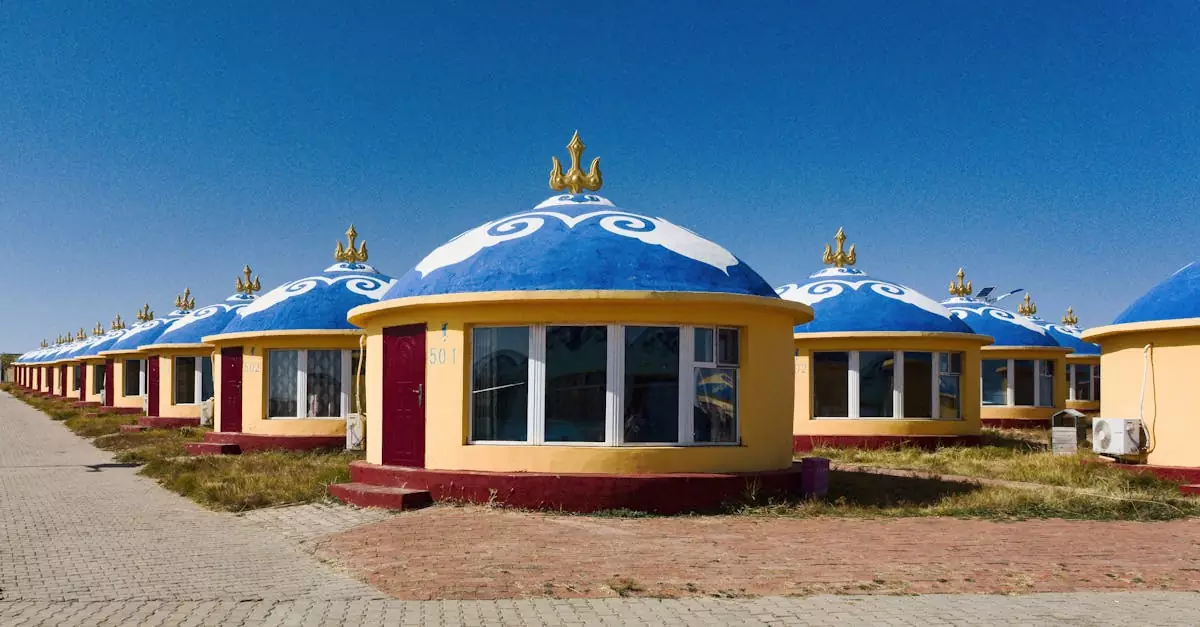
Mongolia’s accommodation landscape offers diverse options catering to various budgets and experience preferences. Traditional ger camps provide the most authentic accommodation experience, with basic camps charging $20-40 per person nightly and luxury ger resorts commanding $100-200 per night. These traditional felt tents offer unique cultural immersion while providing necessary comfort for travelers exploring remote regions, making them popular despite higher costs compared to standard budget accommodations.
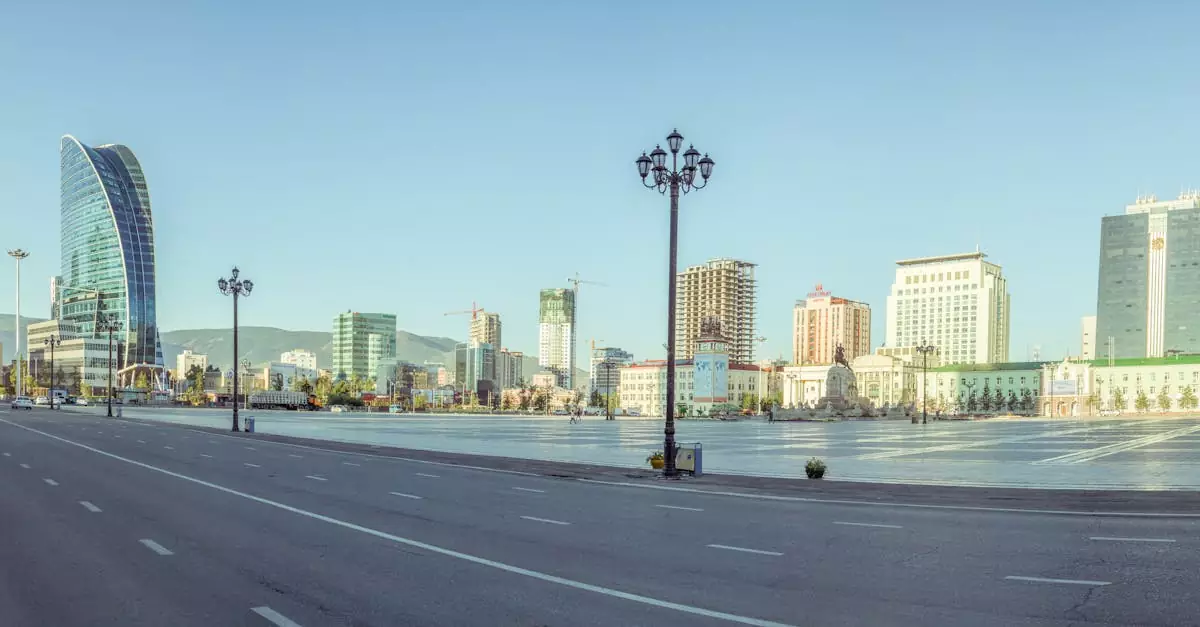
Urban accommodation in Ulaanbaatar ranges from basic guesthouses at $10-20 nightly to international luxury hotels charging $150-300 per night. Mid-range hotels typically cost $50-100 nightly and offer modern amenities, reliable heating, and English-speaking staff. Many travelers use Ulaanbaatar as a base for organizing countryside expeditions, making comfortable urban accommodation a worthwhile investment for trip planning and recovery between wilderness adventures.
Remote area accommodation often involves staying with nomadic families, an experience typically costing $15-30 per person including meals and cultural activities. These homestays provide unparalleled cultural exchange opportunities while supporting local communities directly. Camping remains the most economical option for independent travelers, though Mongolia’s extreme weather conditions and limited facilities make this suitable only for experienced outdoor enthusiasts with proper equipment.
Activity and Experience Costs
Mongolia’s adventure activities offer exceptional value compared to similar experiences worldwide. Horseback riding expeditions, central to Mongolian culture, cost $40-80 per day including guide and horse rental. Multi-day riding tours through the steppes typically charge $60-120 daily per person, including accommodation, meals, and cultural interactions with nomadic herders. These prices represent significant savings compared to equivalent horseback adventures in Western countries, while offering more authentic cultural immersion.
Guided tours to major attractions like the Gobi Desert, Khuvsgul Lake, or Altai Mountains range from $80-150 per person daily for small group tours. These comprehensive packages typically include transportation, accommodation, meals, and professional guiding services, representing excellent value for accessing remote locations safely. Private tours command premium prices of $200-400 daily but offer personalized experiences and flexible itineraries for travelers with specific interests or time constraints.
Cultural experiences such as traditional music performances, eagle hunting demonstrations, and nomadic lifestyle workshops cost $20-50 per person for half-day activities. Festival attendance, particularly the famous Naadam festival, requires advance planning and higher accommodation costs during peak periods, but entry to most cultural events remains affordable at $5-15 per person. Photography tours and wildlife viewing expeditions cost $100-200 daily but provide access to rare species and landscapes difficult to reach independently.
Mongolia vs Iceland vs Alaska Travel Cost Analysis
Comparing mongolia vs iceland vs alaska travel cost reveals significant differences in pricing structures and value propositions. Iceland’s tourism boom has driven prices substantially higher, with daily budgets typically requiring $100-150 for mid-range travel experiences. Accommodation in Iceland averages $80-200 nightly for decent hotels, while restaurant meals cost $15-30 regularly. Transportation costs remain high due to fuel prices and limited public transportation options, making car rentals expensive at $50-100 daily plus premium fuel costs.
Alaska presents moderate pricing between Mongolia and Iceland, with daily travel budgets ranging $80-120 for comfortable experiences. Accommodation costs vary seasonally, with summer prices reaching $120-250 nightly in popular destinations like Denali or Anchorage. Activity costs in Alaska often exceed both Mongolia and Iceland, with wildlife viewing tours, glacier expeditions, and fishing charters commanding $150-400 per person daily. Transportation within Alaska requires careful planning, as distances are vast and flight costs between regions can exceed $300-500.
Mongolia’s cost advantage becomes particularly evident in accommodation and dining, where travelers enjoy authentic experiences at 30-50% of Iceland’s prices and 40-60% of Alaska’s costs. However, Mongolia’s remote location results in higher international flight costs, partially offsetting daily savings. The total trip cost comparison depends heavily on trip duration, with Mongolia’s lower daily expenses becoming more advantageous for longer stays. Cultural authenticity and unique experiences in Mongolia often provide better value per dollar spent compared to the more commercialized tourism industries in Iceland and Alaska.
Seasonal Price Variations and Budget Planning
Mongolia’s extreme continental climate creates dramatic seasonal price fluctuations affecting all aspects of travel costs. Summer months (June through August) represent peak tourism season with accommodation prices increasing 50-100% above shoulder season rates. Ger camps and tourist facilities often close completely during winter months, limiting accommodation options but creating opportunities for unique cold-weather experiences at reduced prices for hardy travelers.
Spring and autumn shoulder seasons (May and September) offer optimal balance between weather conditions and pricing, with accommodation costs 20-40% lower than peak summer rates. Transportation becomes more challenging during spring due to muddy conditions from snowmelt, potentially increasing vehicle rental costs and requiring more flexible scheduling. Autumn provides excellent weather for most activities while maintaining lower prices, making it ideal for budget-conscious travelers seeking comfortable conditions.
Winter travel in Mongolia requires specialized preparation and equipment, but offers unique experiences like ice festivals and winter nomad culture at significantly reduced prices. Accommodation costs drop 40-60% during winter months, though heating costs and limited facility availability offset some savings. Winter activities like dog sledding, ice fishing, and traditional winter sports provide authentic seasonal experiences unavailable during warmer months, appealing to adventurous travelers seeking unique cultural immersion.
Money-Saving Tips and Budget Optimization
Maximizing travel budget efficiency in Mongolia requires strategic planning and cultural awareness. Booking accommodations directly with ger camp operators rather than through international booking platforms often reduces costs 15-25% while supporting local businesses directly. Learning basic Mongolian phrases and customs facilitates better pricing negotiations and creates more meaningful cultural exchanges, often resulting in spontaneous invitations and experiences unavailable to typical tourists.
Group travel significantly reduces per-person costs for transportation and guided activities, with savings of 30-50% common for groups of four or more travelers. Organizing transportation cooperatively with other travelers met in Ulaanbaatar hostels or through online forums creates opportunities for cost sharing while building travel friendships. Purchasing supplies and equipment in Ulaanbaatar rather than importing from home countries reduces luggage costs while supporting local economy.
Timing purchases and bookings strategically around local economic cycles and tourism patterns yields substantial savings. Mongolia’s developing economy means cash payments often receive discounts, though travelers should maintain adequate reserves for emergencies. Combining urban exploration in Ulaanbaatar with countryside adventures allows for diverse experiences while balancing higher urban costs with more affordable rural pricing, creating comprehensive travel experiences within reasonable budgets.
FAQs
What is the average daily budget needed for traveling in Mongolia?
Budget travelers can explore Mongolia comfortably spending $25-40 per day, while mid-range travelers typically need $60-90 daily. Luxury travelers should budget $150-250 per day for premium experiences. These costs include accommodation, meals, transportation, and activities, with significant savings possible through group travel and local arrangements.
How do Mongolia travel costs compare to Iceland and Alaska?
Mongolia offers substantially lower daily costs than both Iceland and Alaska, typically 30-50% less expensive for accommodation and dining. While international flights to Mongolia may cost more, the lower daily expenses make it more economical for longer trips. Iceland is generally the most expensive of the three destinations, followed by Alaska, then Mongolia.
What are the most expensive aspects of traveling in Mongolia?
Transportation represents the highest expense due to vast distances and challenging terrain, with guided vehicle services costing $80-150 daily. International flights to Mongolia are also costly, typically ranging $800-1500 from major cities. Luxury ger camps and private tours command premium prices but still cost less than equivalent experiences in developed countries.
When is the most affordable time to visit Mongolia?
Shoulder seasons (May and September) offer the best balance of affordable pricing and favorable weather conditions, with costs 20-40% lower than peak summer rates. Winter travel provides the lowest prices but requires specialized preparation for extreme cold. Summer months (June-August) are most expensive due to peak tourism demand.
Can I travel Mongolia on a tight budget without sacrificing authentic experiences?
Yes, Mongolia offers excellent opportunities for budget travel while maintaining authentic cultural experiences. Staying with nomadic families, using public transportation, eating at local restaurants, and joining group tours can provide genuine cultural immersion for $25-40 daily. The country’s developing tourism infrastructure means authentic experiences remain accessible without premium pricing found in more commercialized destinations.
Conclusion
Mongolia presents an exceptional value proposition for adventurous travelers seeking authentic cultural experiences without the premium pricing associated with many wilderness destinations. The comprehensive cost analysis reveals that while international transportation to Mongolia requires significant investment, daily expenses remain remarkably affordable across all budget categories. From traditional ger accommodations to guided horseback expeditions across ancient trade routes, Mongolia delivers unique experiences at costs substantially lower than comparable adventures in Iceland, Alaska, or other remote destinations.
The country’s developing tourism infrastructure creates opportunities for meaningful cultural exchange while maintaining reasonable pricing structures that benefit both travelers and local communities. Strategic planning around seasonal variations, group travel arrangements, and direct local bookings can further optimize travel budgets while enhancing cultural authenticity. Mongolia’s combination of affordability, accessibility, and genuine nomadic culture makes it an outstanding choice for travelers prioritizing experience value over luxury amenities, offering memories and insights that far exceed the financial investment required for this extraordinary adventure destination.